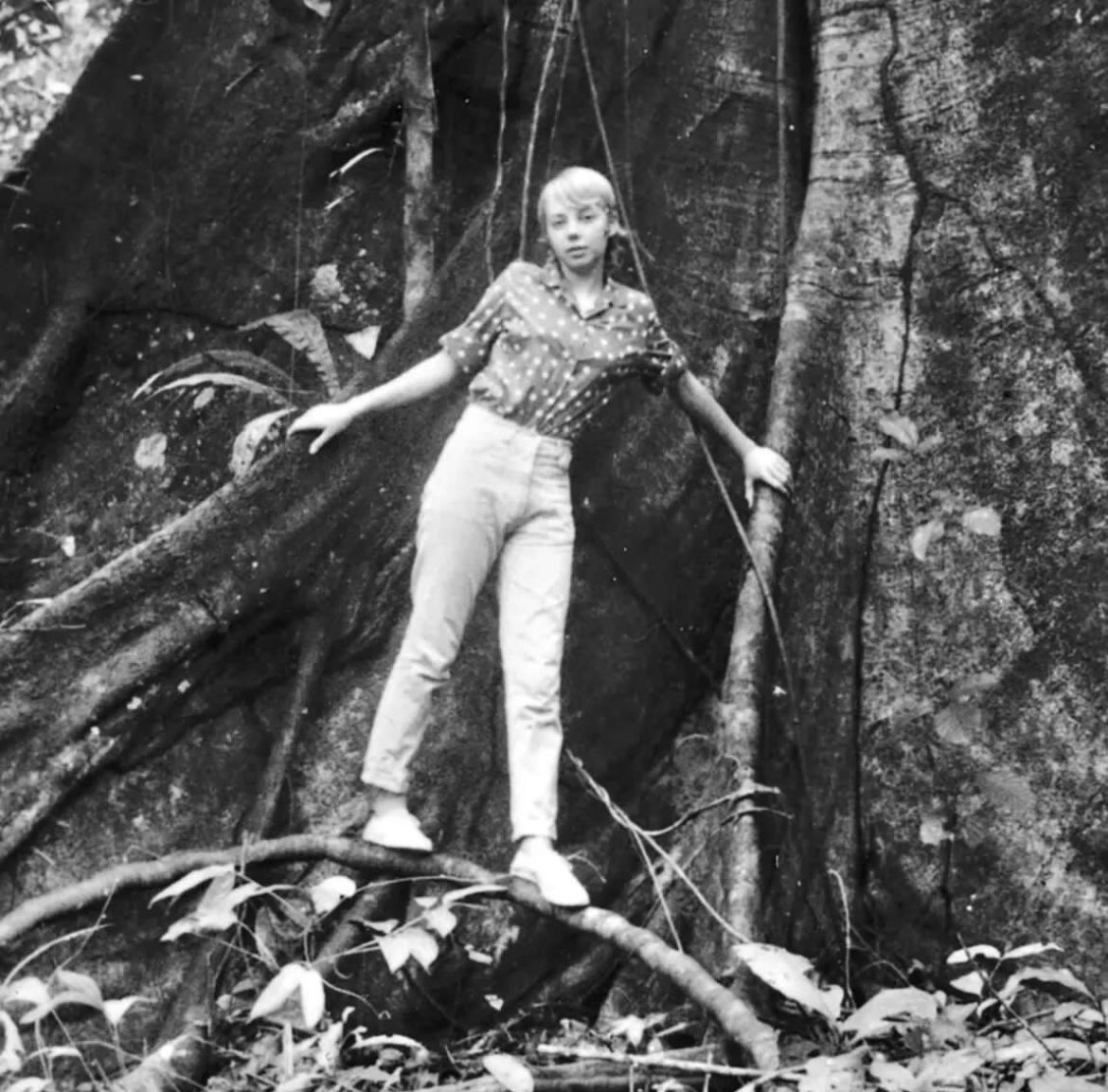
In 1971, 17-year-old Juliane Koepcke was flying over the Peruvian rainforest with her mother when she got sucked out of the airplane after it was struck by a bolt of lightning. She fell two miles to the ground, strapped to her seat.
"The plane jumped down and went into a nose-dive. It was pitch black, and people were screaming. Then the deep roaring of the engines filled my head completely. Suddenly, the noise stopped, and I was outside the plane. I was in a freefall, strapped to my seat bench and hanging head-over-heels. The whispering of the wind was the only noise I could hear. I could see the canopy of the jungle spinning towards me. Then I lost consciousness and remember nothing of the impact. Later I learned that the plane had broken into pieces about two miles above the ground. I woke the next day and looked up into the canopy. The first thought I had was: 'I survived an air crash.'"
Koepcke's first instincts were to try and find her mother, but she was nowhere to be found. After eating some sweets found at the crash site, Koepcke waded downstream and followed the river. After 10 days, she found a moored boat. She poured the gasoline from the boat's fuel tank onto her wounds, which were infested with maggots. She then spent the night in a makeshift shelter.
"I remained there, but I wanted to leave. I didn't want to take the boat because I didn't want to steal it."
The next day, she was discovered by loggers and was soon reunited with her father. She later discovered that her mother had initially survived the crash, only to die of her injuries several days later.
Like her parents, Koepcke went on to study biology at the University of Kiel in Germany, graduating in 1980. She received her doctorate from Ludwig Maximilian University of Munich and returned to Peru to conduct research in mammalogy, specializing in bats.
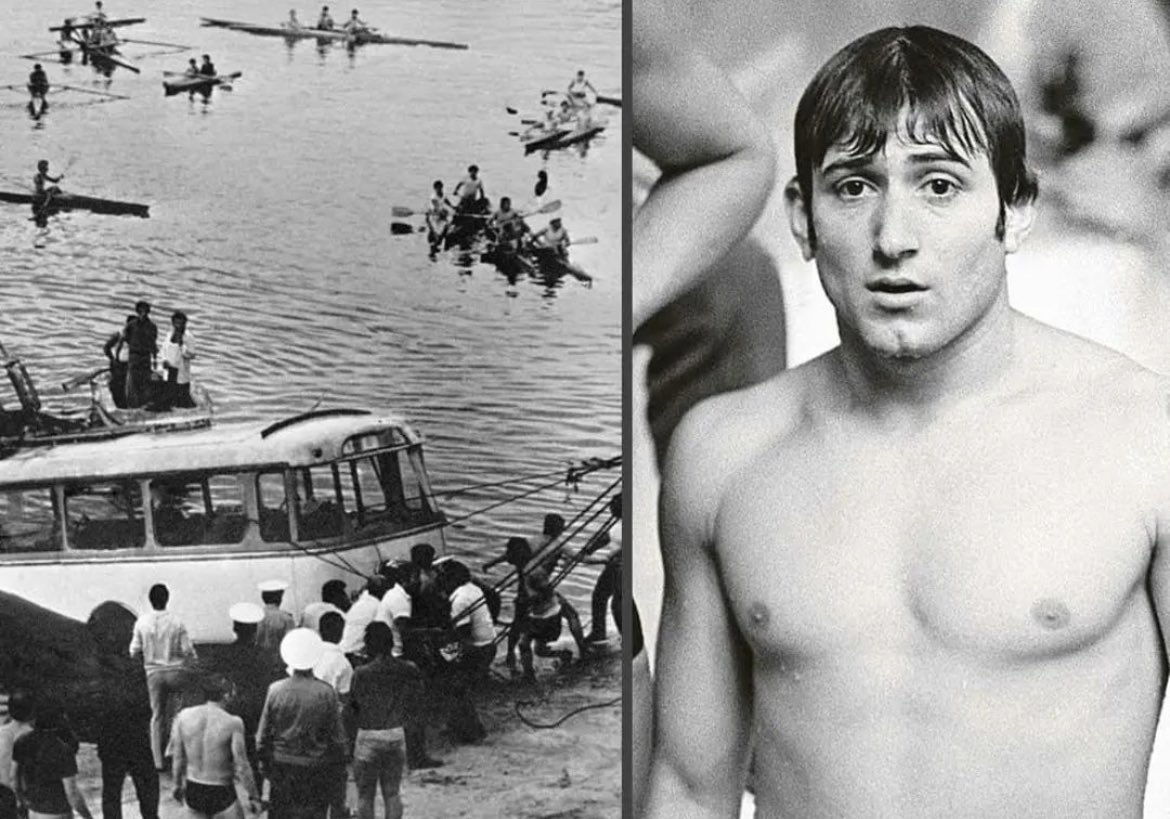
Shavarsh Karapetyan, an Armenian swimmer who retired from professional sports, had an extraordinary encounter in 1976. Upon completing a grueling 26 km (16 mile) run, he heard a loud commotion and discovered that a trolleybus had collided with a reservoir. The trolleybus had submerged 10 meters (33 ft) deep, approximately 25 meters (82 ft) away from the shore.
Despite the challenging circumstances of murky water and limited visibility, Karapetyan fearlessly plunged into the depths and utilized his legs to forcefully shatter the rear window of the trolleybus. With unwavering determination, he managed to save 46 out of the 92 passengers, rescuing a total of 20 lives.
However, the frigid water and shattered glass inflicted numerous lacerations on Karapetyan's body, leading to his hospitalization for a duration of 45 days. During his recovery, he confronted additional complications such as pneumonia and sepsis. Although he eventually regained his health, the damage sustained by his lungs rendered him unable to continue his highly successful swimming career.
"I was aware that I could only save a limited number of lives. I harbored a fear of committing errors. The darkness below was so profound that discerning anything became an arduous task. On one occasion, I inadvertently grasped a seat instead of an individual while diving, forfeiting the opportunity to save a life. That memory continues to haunt me in my nightmares," he shared.
In 1985, Karapetyan encountered a blazing building where several individuals found themselves trapped. Without a moment's hesitation, he valiantly entered the structure and commenced the rescue operation. Regrettably, he sustained severe burns during the heroic act, necessitating another hospitalization.
During his later years, Karapetyan relocated to Moscow and established a shoe company called "Second Breath." Astonishingly, he remains alive to this day and actively oversees his business endeavors.
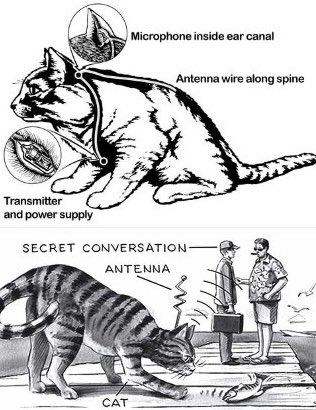
This was a CIA project that was commenced in the 1960s to spy on Russia. They chose a cat for the job, but what they didn’t put into consideration is the fact that cats are hard to train. The cat’s job was to eavesdrop on two men in a park outside the Soviet embassy in Washington, D.C.
The cat was wired up by a veterinary surgeon who implanted a microphone into the ear canal, a small radio transmitter at the base of the skull, and a battery buried in the flesh. It was a complex project that took five years to complete and consumed a whopping $20 million.
The project was closed in 1967 because the cat couldn’t obey directives. They initially believed they could train the cat but they were wrong.