@jackj3mr@bx1818 Yeah the ratio is what actually scares people, not just the headline number.
Binance or OKX taking a $350M hit feels different from a mid-tier book.
Where are you parking funds after this, if not Bitget?
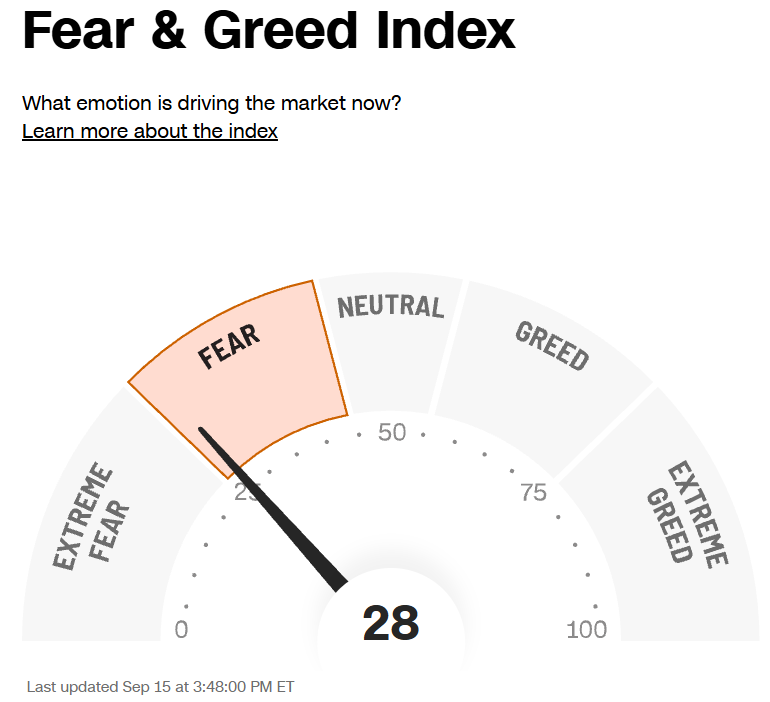
Let the Fed print land first. If this index dumps into the teens after that, then the crowd is actually scared. Until then, treat 28 as a mood, not a signal.
Most large allocators still treat them as one “crypto” bucket.That’s changing slowly. The ones doing the work are starting to ask which risk they’re actually underwriting — monetary premium or network usage.
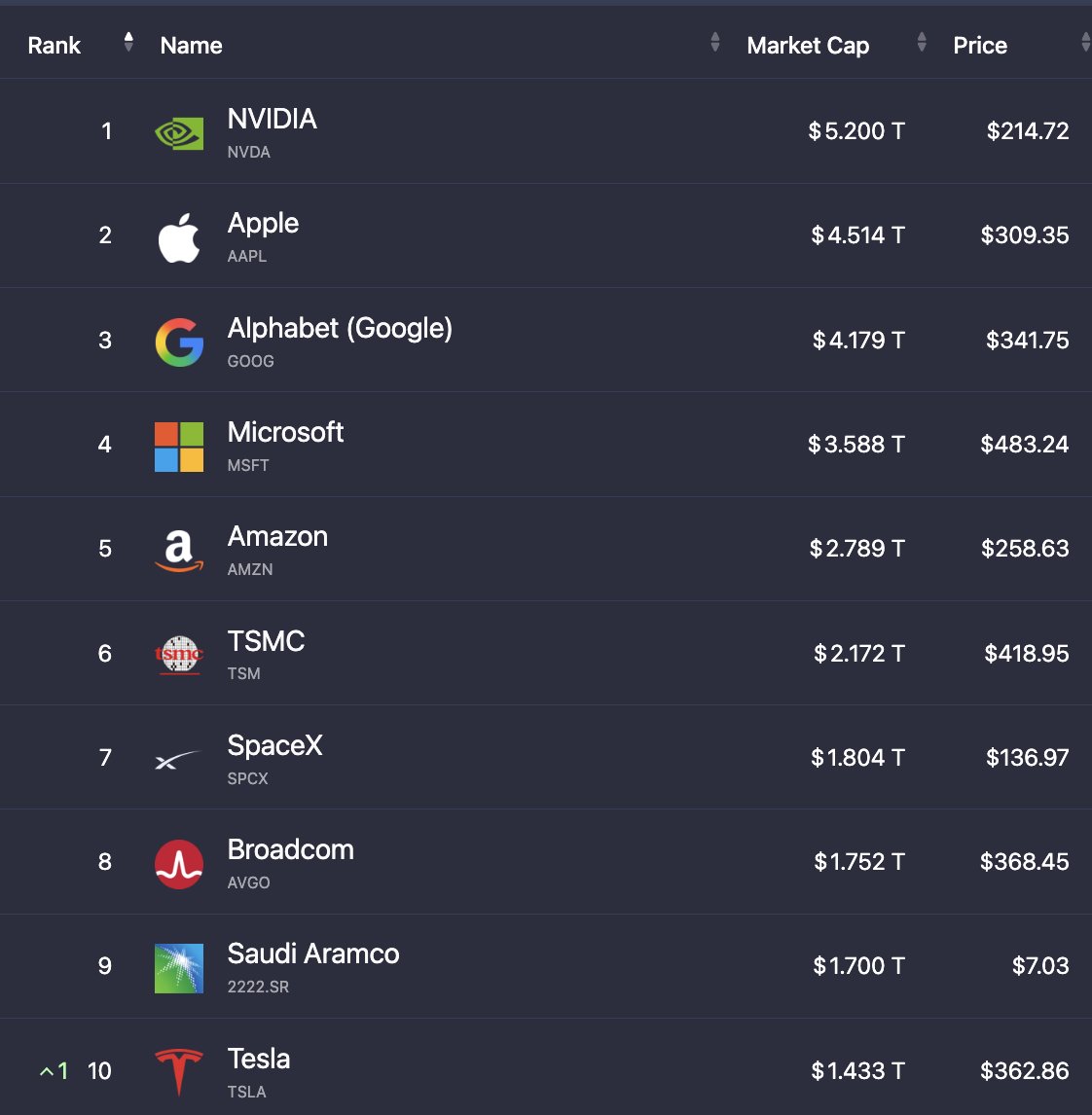
Seeing names like TSMC, SpaceX, and Broadcom right up there alongside the usual megacaps really highlights how much the market’s leadership has broadened beyond the traditional tech giants.
Copper is still the purest play on the AI data-center and grid buildout, so a sustained deficit here could keep prices elevated longer than the market currently expects. Short-term volatility is likely, but the structural story just got stronger.
The copper market is facing a severe supply squeeze:
The LME’s front-month copper spread surged to a $370 per ton premium on Friday, the widest one-month spread since the 2021 supply squeeze.
This means traders are paying a historic premium for copper available in the near term versus delivery a month later, signaling that physical supply is extremely tight.
At the same time, the widely followed cash-to-three-month spread rose to $434 per ton, also the highest since 2021, prompting the LME to tighten its market controls.
This comes as LME copper stockpiles have fallen for 42 consecutive days, the longest streak since 2014, to 204,975 tons, with nearly half of the remaining metal already scheduled for withdrawal.
All while traders and producers are redirecting copper to the US, where expectations of tariffs on refined copper are pushing prices above LME levels and creating arbitrage opportunities.
The supply crunch in the copper market is far from over.
Investors are pulling capital out of energy funds at a rapid pace:
US energy sector ETFs have posted -$4.0 billion in outflows over the 65 trading days ending Monday, the largest such outflow since mid-2025.
This marks a sharp reversal from the record +$12.5 billion in inflows seen in March.
By comparison, the 2025 peak outflow was -$5.5 billion, while the 2023 record was -$7.5 billion.
Meanwhile, the energy sector ETF, $XLE, has posted -$797 million in outflows so far in August, putting it on track for the largest monthly withdrawal since April 2025.
That would also mark its 5th consecutive monthly outflow.
Investor appetite for energy exposure is fading rapidly.
New York City is LOSING control of its public spaces to organized groups of juveniles.
These “teen takeovers” are no longer random fights — they’re coordinated groups that storm into restaurants and businesses, start violence, and leave with almost no consequences. The problem has gotten bad enough that multiple McDonald’s across the city have been forced to hire private security and ban unaccompanied teens from entering.
What happened at this McDonald’s in NYC over the weekend is becoming routine.
More than 20,000 people were ordered to leave their homes overnight in western Canada as a fast-moving wildfire grew rapidly and raced toward towns along British Columbia's Okanagan Lake, destroying homes in its path. https://t.co/ceRSu04Zba