The last paper of my PhD is now published! 🔥
By combining lithics, micromorphology, and n-alkanes, we aim to identify discrete Neanderthal events and explore spatial variability in site use ⏳
👉 https://t.co/qFY6LKOz4q
La setmana que ve estarem a Alcoi fent una xerrada sobre arqueologia plistocènica @SossaSR, @htomelaura i altres companys i companyes, organitzada per la @UPV. Si vos interessa, veniu-se’n, que és gratis!
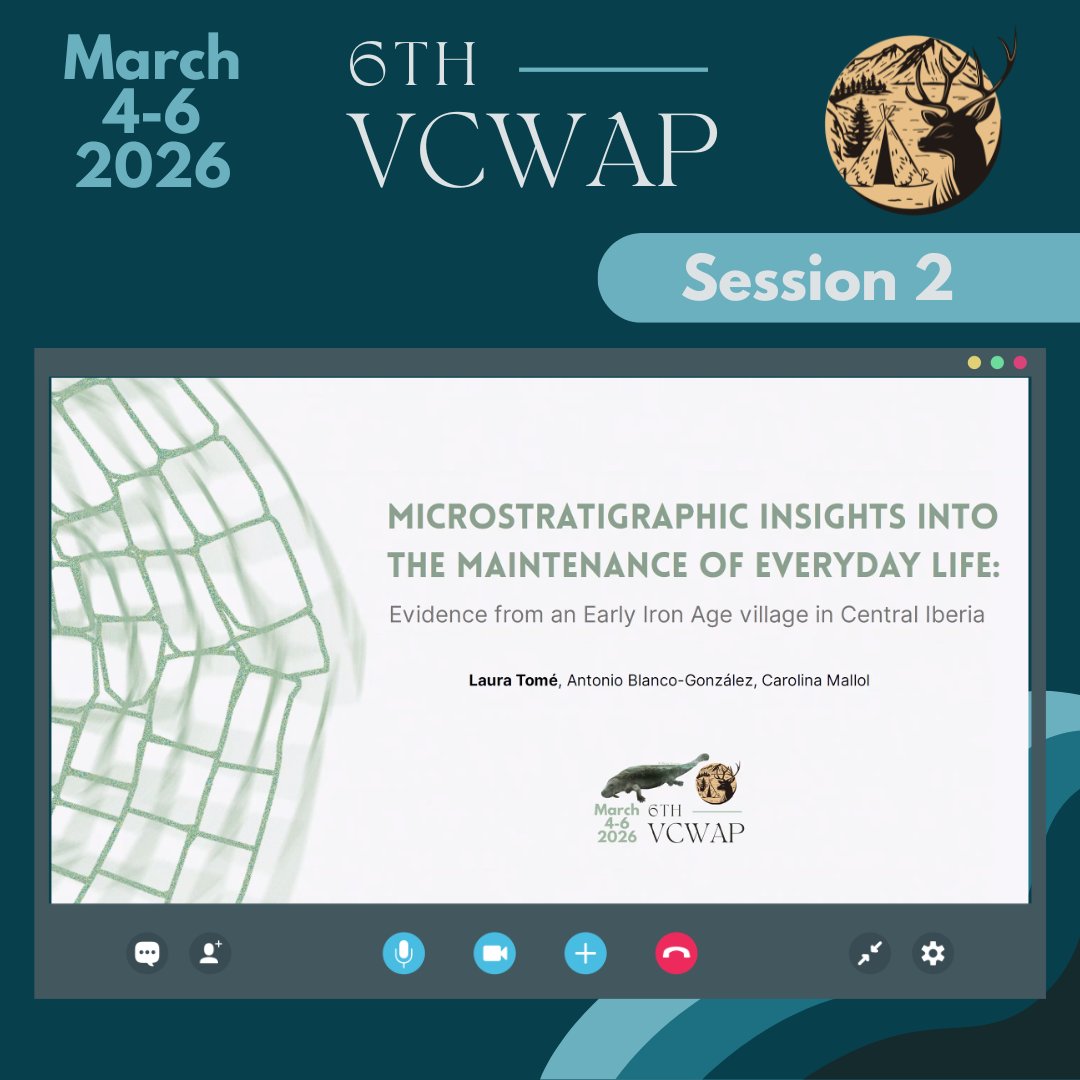
🎤 Now we are listening to Laura Tomé @htomelaura et al. presenting "Microstratigraphic insights into the maintenance of daily life: Evidence from an Early Iron Age village in Central Iberia". 🔨
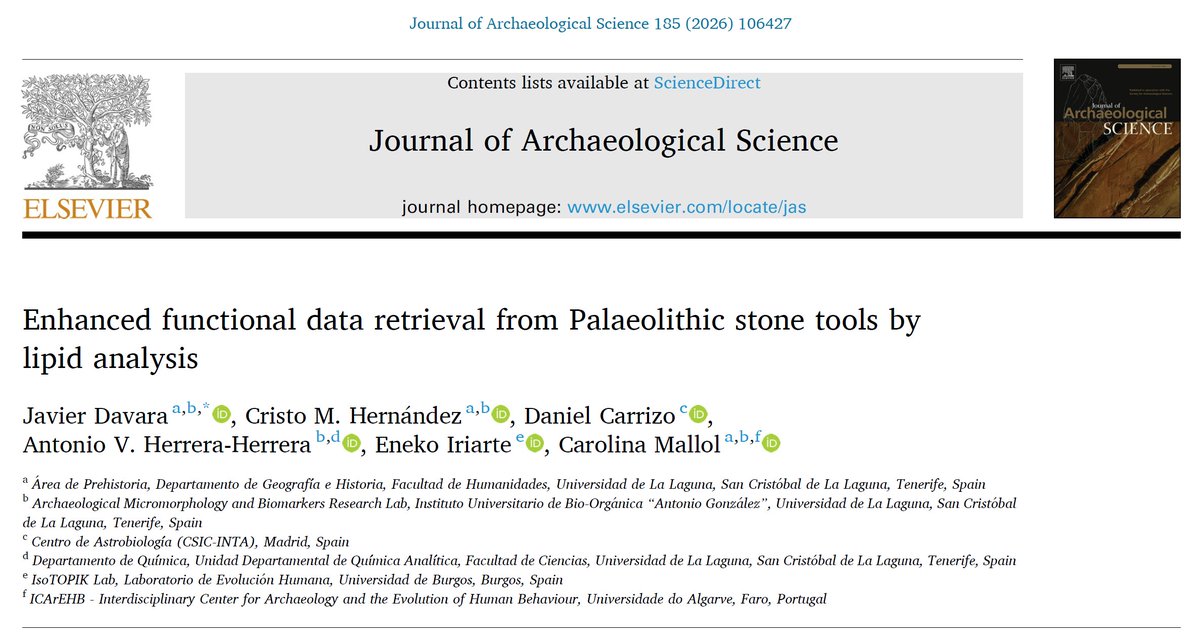
Our latest paper in JAS!
Middle Palaeolithic stone tools can preserve molecular lipid residues, which hold the potential to provide novel insights into tool function by adding taxonomic resolution to lithic residue identification.
Check it out👇
https://t.co/0bflWH5pon
👏👏 Estem d’enhorabona!!
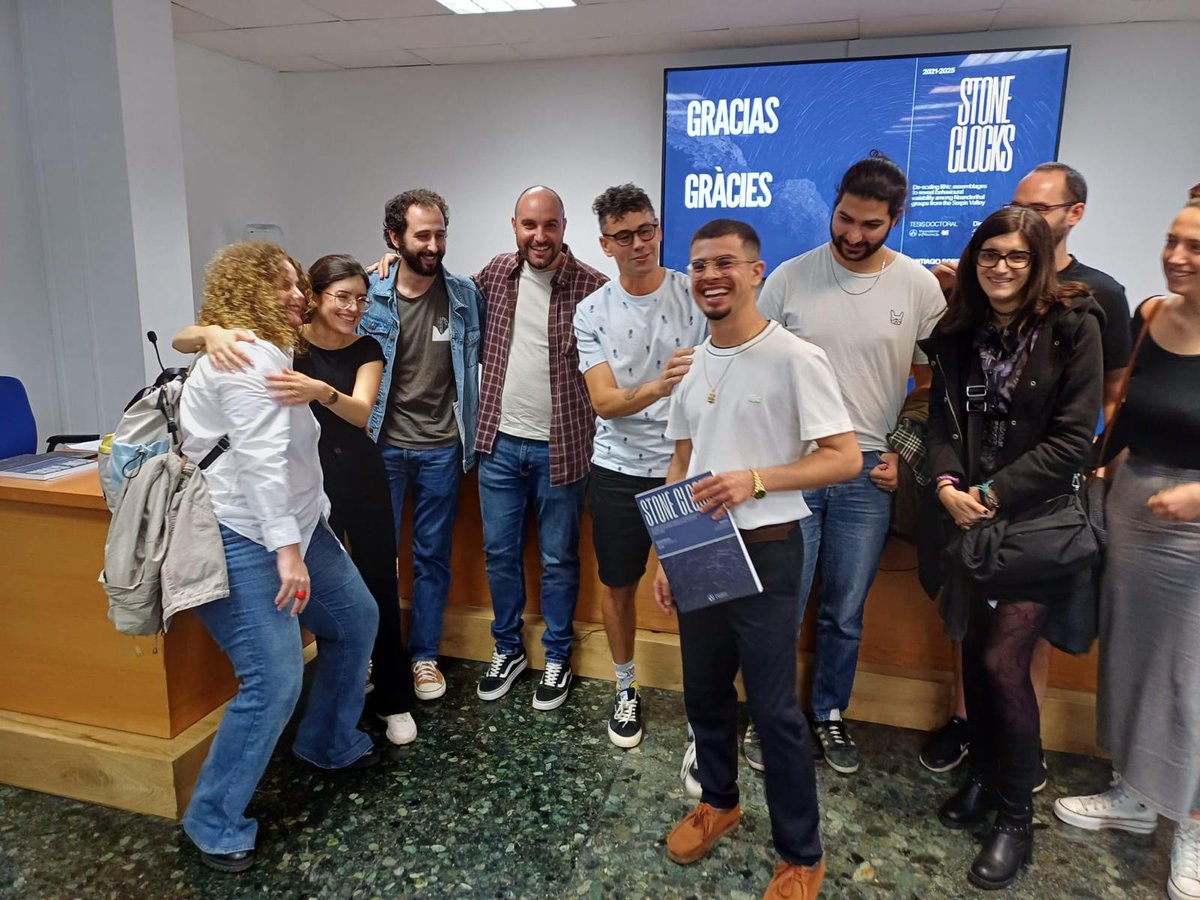
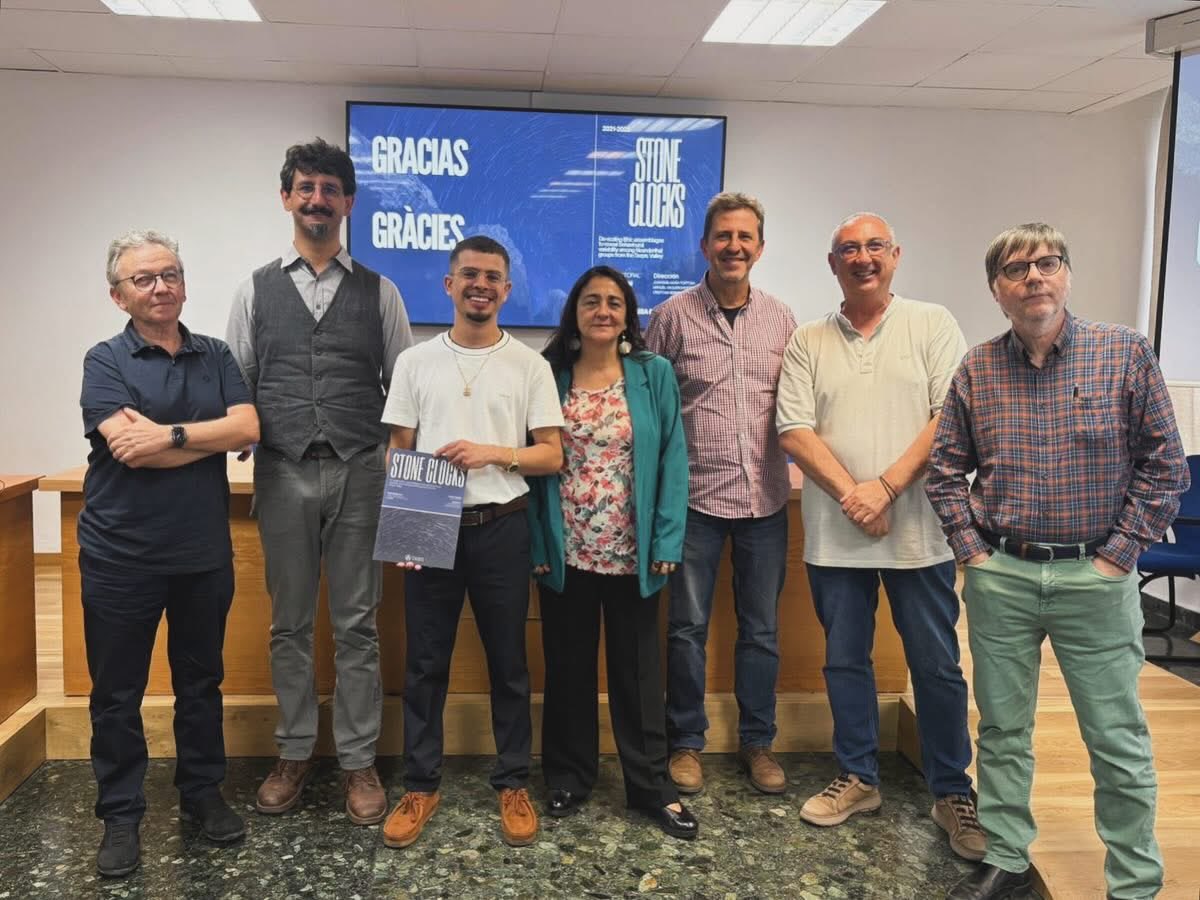
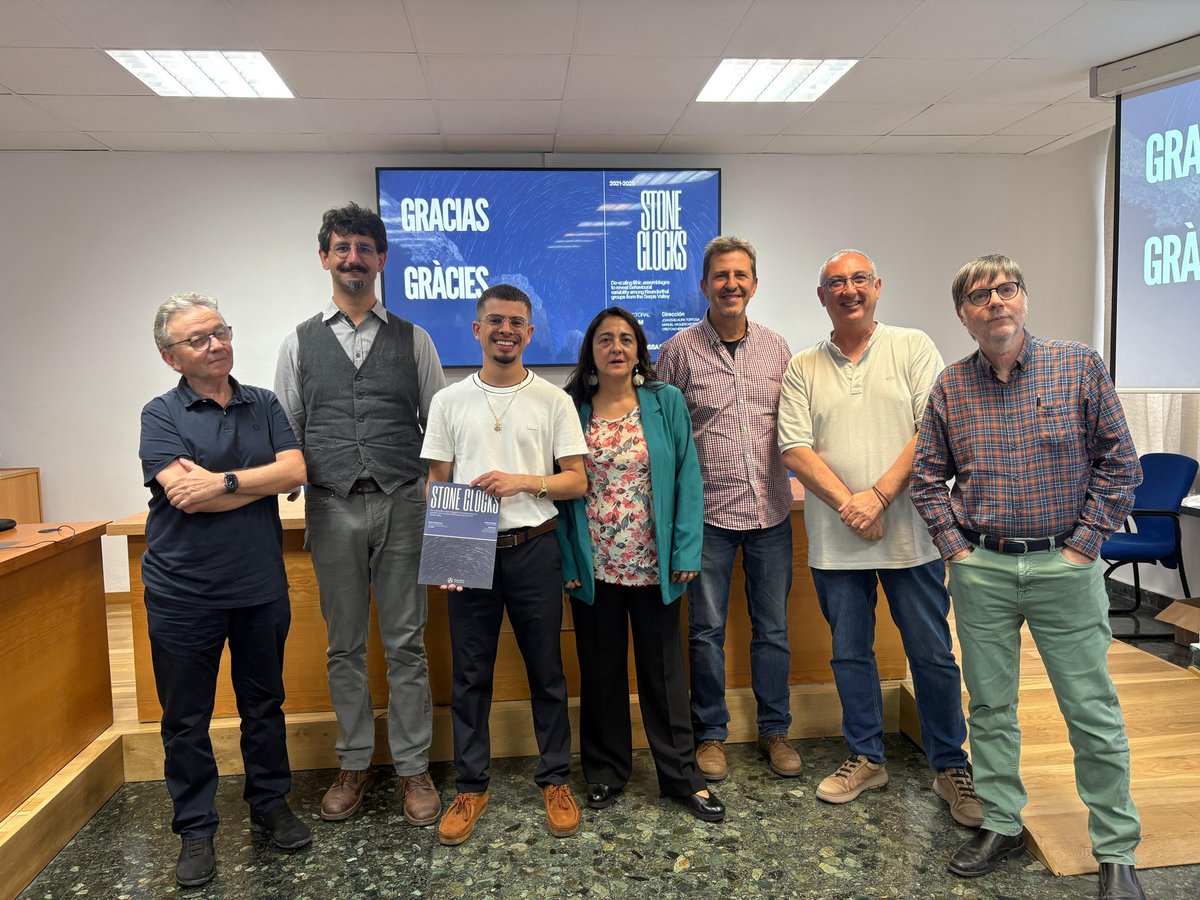
Ahir va tenir lloc la defensa de la tesi doctoral de Santiago Sossa “Stone clocks: de-scaling lithic assemblages to reveal behavioural variability among Neanderthal groups from the Serpis Valley”.
Thrilled to share the final program of our workshop "Learning in the Past: Tools and Traces". Join us on 15–16 October at #USAL to discuss how apprenticeship can be identified in the archaeological record.
🔥🛖 Why were prehistoric houses burned down?
Our new paper in Journal of Anthropological Archaeology explores the burning, destruction, and rebuilding of an Iron Age house in Iberia.
@ULL@invest_ull@CienciaULL@AMBI_Lab@UBUinvestiga
https://t.co/3DHFBaodYH
👇
The last paper of my PhD is now published! 🔥
By combining lithics, micromorphology, and n-alkanes, we aim to identify discrete Neanderthal events and explore spatial variability in site use ⏳
👉 https://t.co/qFY6LKOz4q
New paper out!
We explore the geological evolution of Des-Cubierta Cave (Madrid), revealing 300,000 years of karst development, sedimentation, and Neanderthal occupations:
🔗: https://t.co/IMo6525xyr
Our last article is out! 🎉
Here we combine historiographic, typological and technological data to disect the burin-core dichotomy.
https://t.co/xUX98f9sUK
@ICArEHB@cepapuab
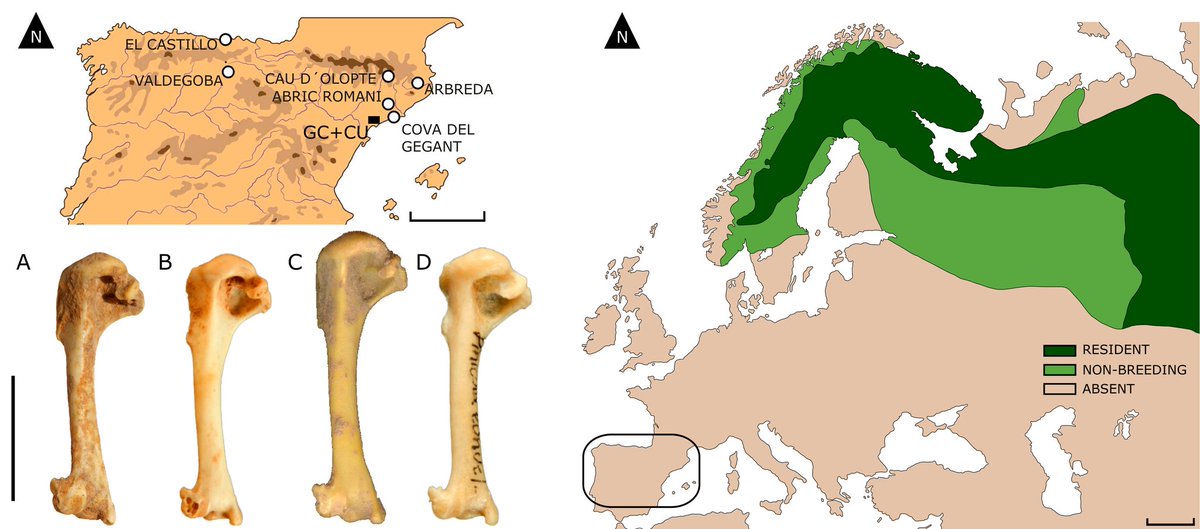
During my stay in Finland, I spotted several Pine Grosbeak in the northernmost parts of Lapland, a bird strictly tied to boreal forests. Now, our new study reports its 30ky-old fossil evidence in NE Iberia. What was this cold-adapted species doing so far south?❄️ @iphes#Newpaper
⏳ Last call! Working on lithic technology & temporality in hunter-gatherer archaeology?
📢 Join us #EAA2025 in Belgrade! Submit your proposal for Session #145.
🕐 Deadline: 6 Feb
🔗 https://t.co/yRpR4tVIBi
Time is running out—don’t miss it! ⏳🔥 @archaeologyEAA#Archaeology
What happened with the last Neanderthals in Iberia? 💀
@ICArEHB is offering research themes and supervisors for PhD candidates!
I am supervising this one!
*Investigating technological behaviour of Late Neanderthals in Iberia*
📢Join us in Belgrade #EAA2025 to talk about time ⏲️ and lithics 🪨 in hunter-gatherer archaeology.
@archaeologyEAA
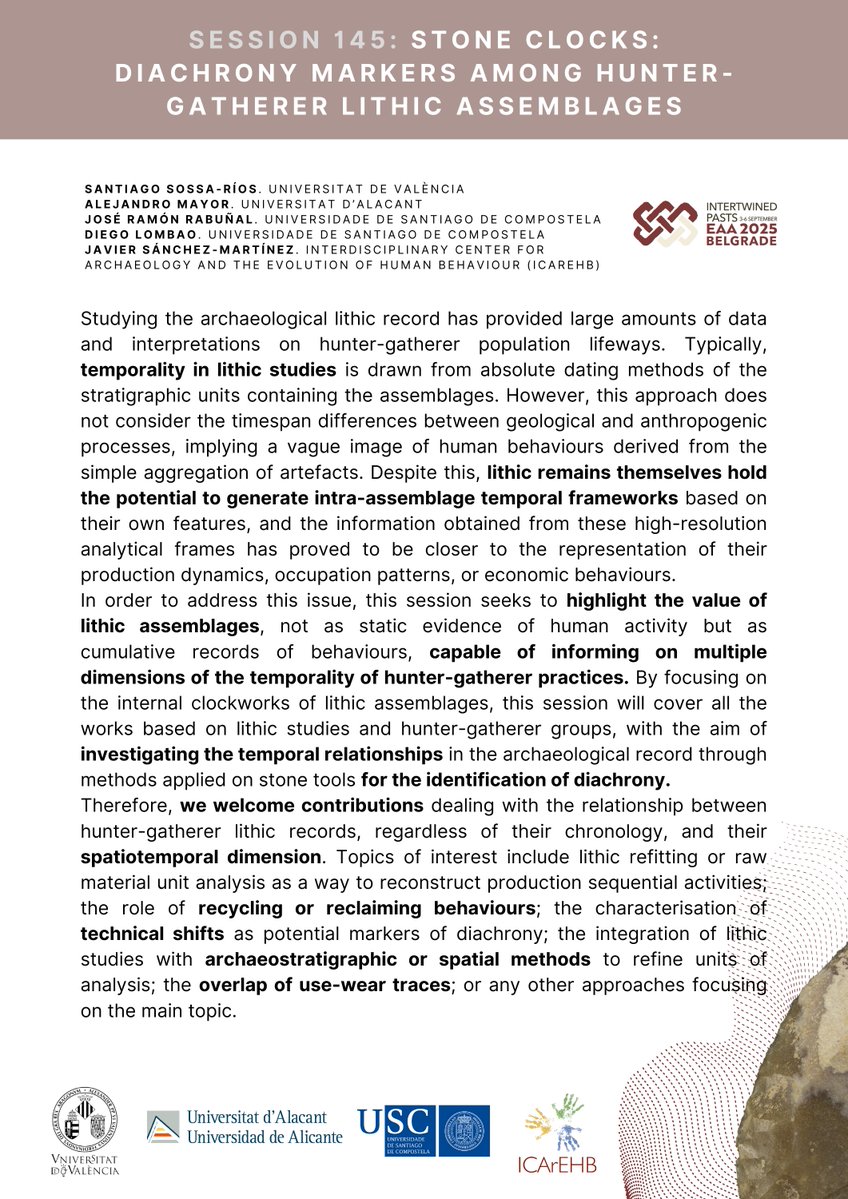
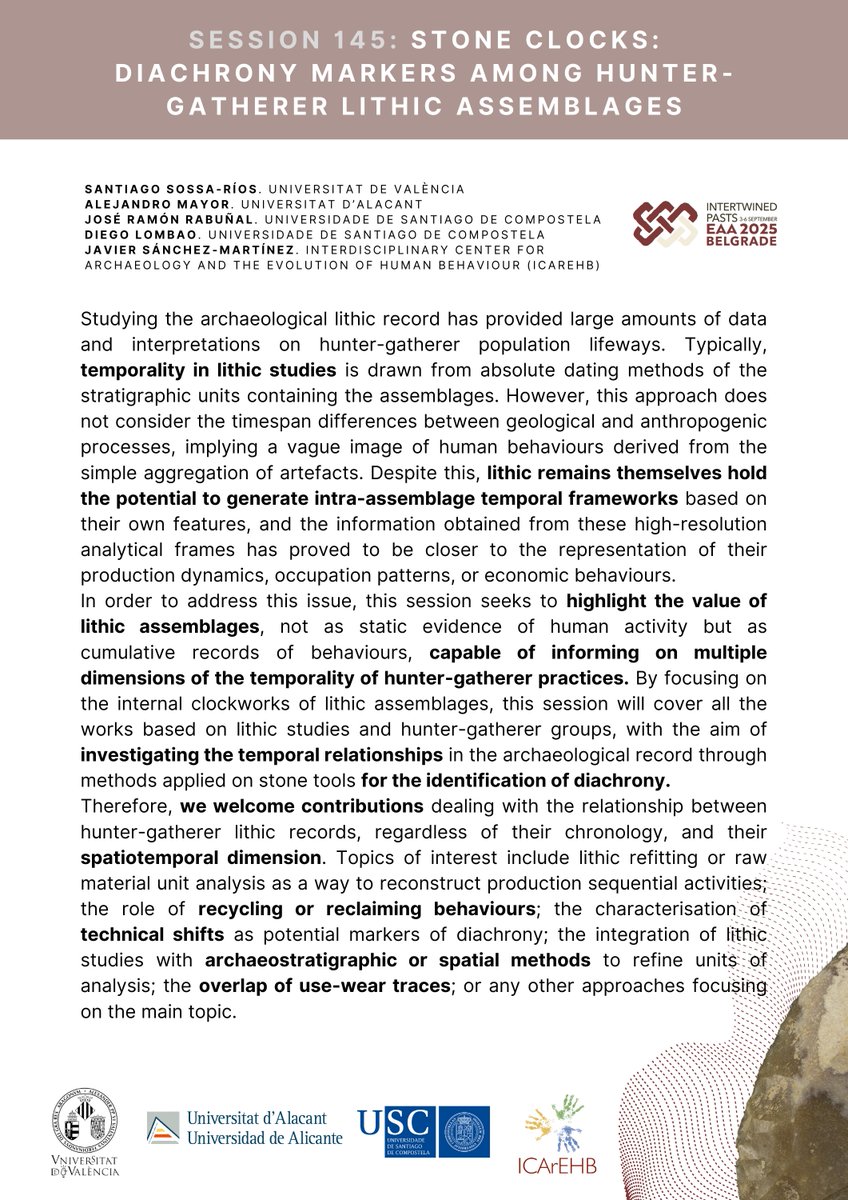
⚙️Session #145 - Stone clocks: diachrony markers among hunter-gatherer lithic assemblages.
📥 Send your proposal before 6 February 📥
🔗 https://t.co/6qCsiwXIJz
⏰The #EAA2025 is coming and we've organised a session (#145) focusing on the spatiotemporal relationships that we can infer from the hunter-gatherer #lithic record to know these populations better.
🗓️Come join us at #Belgrade!
🎯Submission deadline: 6 Feb.
🕰️ Join session 145 at #EAA2025 in Belgrade!
"Stone clocks: diachrony markers among hunter-gatherer lithic assemblages" explores how the lithic record can refine the temporal scales at which we study hunter-gatherers.
📅 Submit your proposal before 6 February and take part!