D&S Research Lead @latonero cited in @ozm: "the resource-scarce aid sector has been tempted by technology’s solutionism — the idea that any problem can be fixed with the right code or algorithm.” https://t.co/BtGK8Kkqra
The first step to remote goods transfer in humanitarian crises is to ensure that people have secure digitally documented identity information. Identity changes how beneficiaries navigate the development sector and receive access to life saving resources.
"The decisions you make and the constraints you set up front are assumptions, and the gap between these assumptions and reality is your risk. To bridge this risk, you need to learn, and to learn, you need to know what questions to ask." https://t.co/uBtIiRC1zR
@USAID_Digital@nytimes When technology is shut down anything can happen. @Souktel solutions can drive remote data capture even in low or no bandwidth environments.
Souktel is focusing intently on its presence in Jordan and throughout the MENA region with the rollout of new ideas and partnerships. Our team is in Amman and at the @DLDConference.
very important read about the intersection of AI and defense - then apply the same analysis to climate change, stabilization, economic development and humanitarian responses. We @Souktel are deep down this path.
ITU joins forces with the Crisis Connectivity Charter network to strengthen telecom services for humanitarian responders in support of #DisasterRelief#ITUworld
The term 'digital divide' keeps growing.
It's not just access to infrastructure anymore - it also includes representation through generated data, capacity asymmetries in leveraging digital tools, and agency in decisions about digitization.
https://t.co/0wY6gUzJum
.@bbcmediaaction has launched a new #humanitarian website with research, #video examples and commentary on what people want from #media in a #crisis, and how the media can best help people affected. Check it out now: https://t.co/ZdfjoaSpZJ
Challenging questions from @techladylaura on digital identity panel; How are we as organisations taking responsibility for addressing tech access and
inclusion to ensure the poorest are able to connect to digital technologies;
who is controlling the data #AIDFGlobal#Commisaid
Fantastic article from Thuong Nguyen in the @BritishRedCross Maps Team talking about her work supporting the #ebola response in DRC - mapping community feedback and rumours and supporting safe and dignified burials https://t.co/bsk9wkMWmL @MichaelAdamson5 @AMatheouBRC @Ishaunhaze
Souktel is priming new technology to assist emergency response to natural disasters. This digital platform would streamline disaster response management. We hope all are safe as hurricane Dorian approaches.
This is an essential obstacle to overcome in countries experiencing complex crises which create fraught financial systems and insecurity. Open APIs could chip away at profit-driven fears about new customer segments in these climates.
The more banks and FinTechs I talk to about APIs, the more I think that a huge obstacle to financial inclusion is that banks see any FinTech able to capture a new customer segment as competition.
In 2000, only 12% of the global population had mobile phone 📱 subscriptions, and about 60% had access to basic sanitation 🚽.
In 2015, phone subscriptions reached 97%, while about 70% had access to basic sanitation.
🤷🤷♂️
NEW BLOG: https://t.co/7rrrJBGbnp
@vinnyricciardi
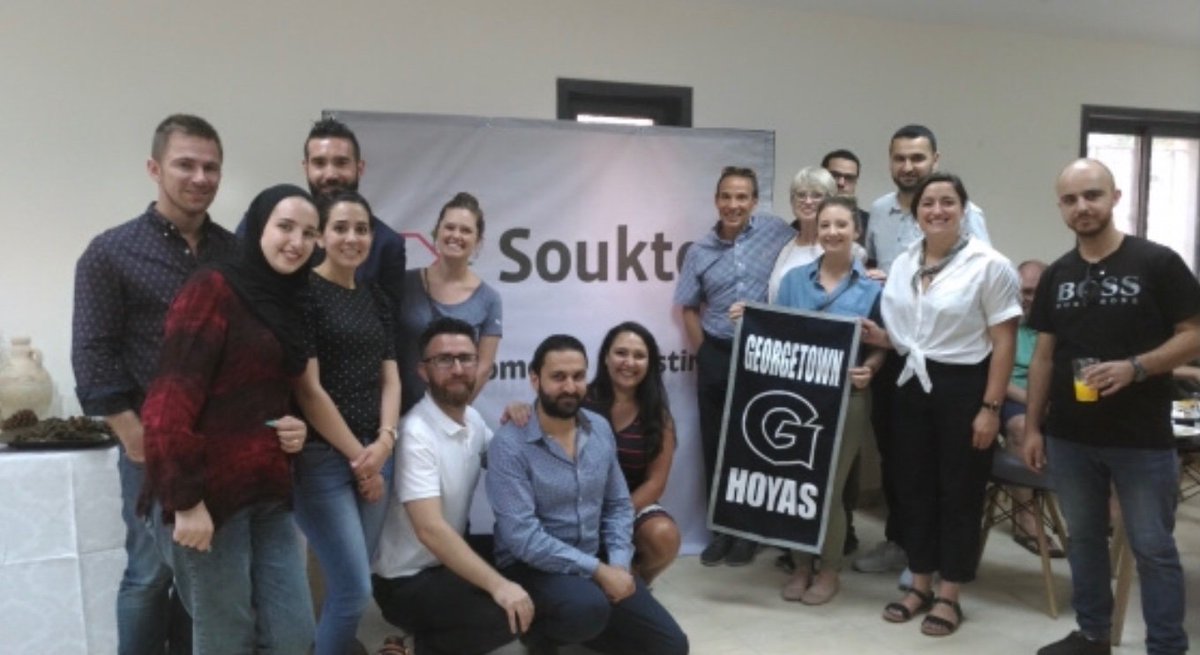
From the @Souktel team in Palestine, read how their Georgetown MBA student-consultants assisted in critical market research and strategy to inform its B2B product innovation process as part of @msbgu's Global Business Experience this summer. #MSBglobal https://t.co/AAUn97FUoE
Sometimes technology lights the path towards the future.
@theIRC is using new @Surface devices to help refugees learn digital skills, discover jobs, & access resources like ESL training programs to instill confidence & conviction for what lies ahead:
https://t.co/XSDDYs12Gz