I have been busy so haven't posted for the past few weeks, but I have steadily been adding more morpheme maps.
The latest include:
pete (seek, aim for)
tract (pull, draw)
bi (life)
flor (flower)
memor (remember)
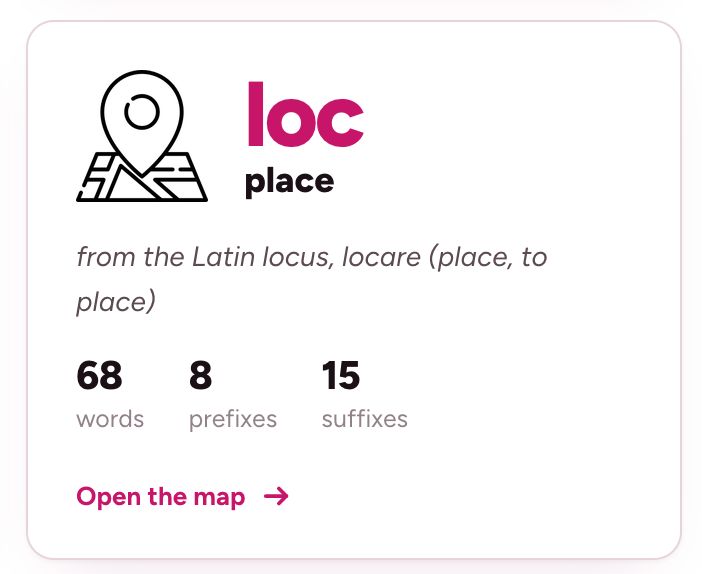
loc (place)
press (press)
https://t.co/46623bXjF4
🙂
@RyonWLeyshon@Grammarsaurus1 Aronoff, Berg & Heyer, who've done the most counting on morphological spelling, call English 'largely phonographic'. The sound principle is primary; the others are real, strong in places (especially affixes), and layered on it.
I'm seeing these statements a lot (or something similar)
1. Spelling is speech written down.
2. The organising principle of spelling is morphology.
Is it an unpopular view to say that neither is right and that the truth lies somewhere in between?
@RyonWLeyshon@Grammarsaurus1 Agreed, I wouldn't say THE either. But those are two different claims. Letters in an alphabet primarily represent sounds; that's what makes it an alphabet. How words get spelled is shaped by more than that: morphology, etymology, context.
@RyonWLeyshon@Grammarsaurus1 ‘Even in words of which the derivation is apparent, I have been often obliged to sacrifice uniformity to custom; thus I write, in compliance with a numberless majority, convey and inveigh, deceit and receipt, fancy and phantom…’
@RyonWLeyshon@Grammarsaurus1 Even Johnson, who arguably contributed more to English spelling than anyone else, tried to to make base consistently spelled across it’s family realised the futility…
@RyonWLeyshon They're not the same. The 1st has 3 principles that pull against each other & asks which wins where. The 2nd has 1. The evidence, from the people who did the counting (Berg, Aronoff, Treiman, Kessler), supports the first: morphological for affixes, mostly phonographic for stems.
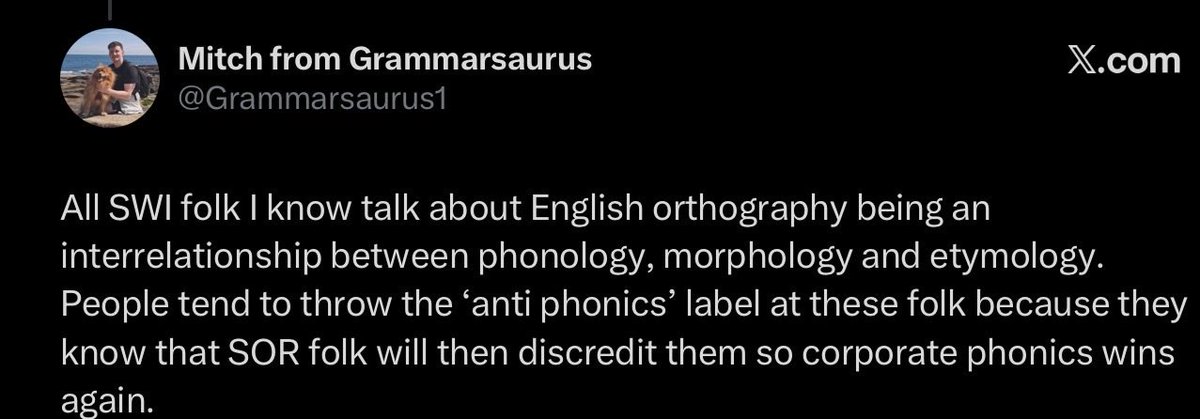
@RyonWLeyshon Not sure what I said above that earned the block. Agreed, anyway: "an interrelationship between phonology, morphology and etymology" is a claim I'd sign (Venezky said as much in 1967). "The organising principle is morphology" is a different claim, and the one I keep seeing.
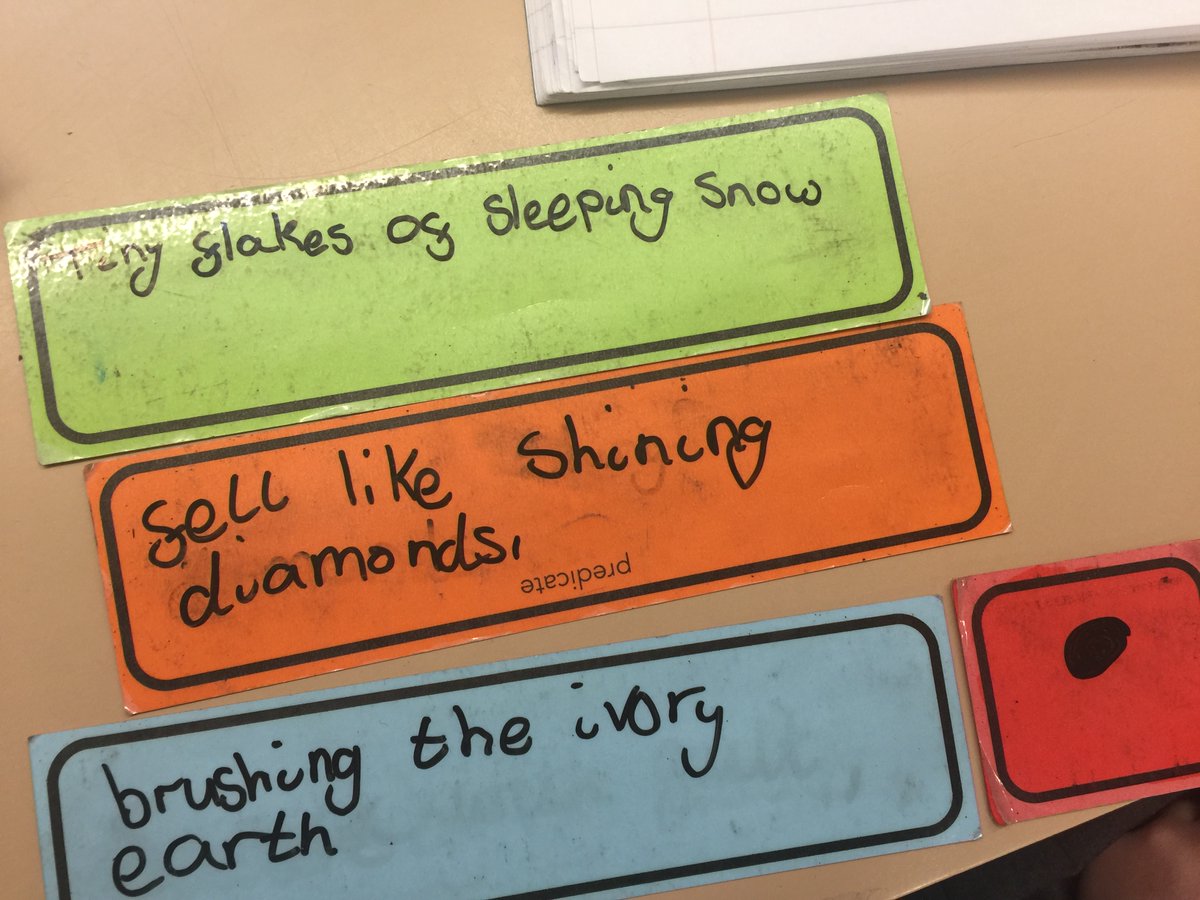
@BeCre8ive50 Thank you. It just goes to show you don’t always need to use adventurous vocabulary to write well. Simple words used effectively can produce lovely sentences.
Nothing brings me as much joy as teaching children to write beautiful sentences.
Rainbow Grammar is my strategy of choice when it comes to children understanding and creating wonderful sentences.
Two wonderful examples.
For context, I was teaching complex sentences employing non-finite clauses with Year 4 children .
Jean Pendziwol's 'Once Upon a Northern Night' is the stimulus, a beautiful lullaby to winter.
@MissJin5th I have some free online interactive resources you might dip into.
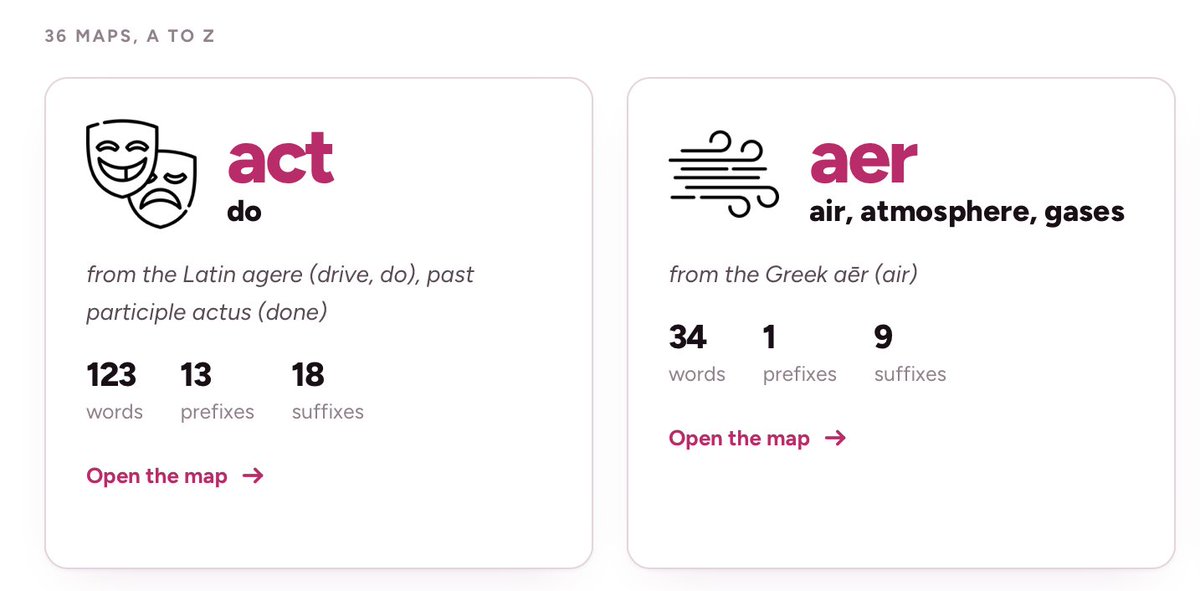
Look for the morpheme maps if you want to study particular roots or the morphemeLAB if you want to build words up morphologically.
https://t.co/HZuWxeuorq
@OnTrackReading@smorrisey@laurapatranella The big one is that we should be wary about claims relating to vocabulary and comprehension. But for spelling, it’s strong. Word selection matters - transparency is key.
There are links at the end of this blog.
https://t.co/oRpO7w0YfB
@OnTrackReading@smorrisey@laurapatranella According to current research, it turns out that out teaching morphology improves vocab of words taught and near neighbours*, not on vocab as a whole, on not on comprehension at all.
@OnTrackReading@smorrisey@laurapatranella Morphology is important for spelling (less so for vocabulary) and should definitely take a larger share as children progress, but phonemic orthography continues to be important.