Welcome to The Sovereignty Initiative.
We create practical guides that help everyday people reclaim control through Bitcoin, privacy, and self-hosting.
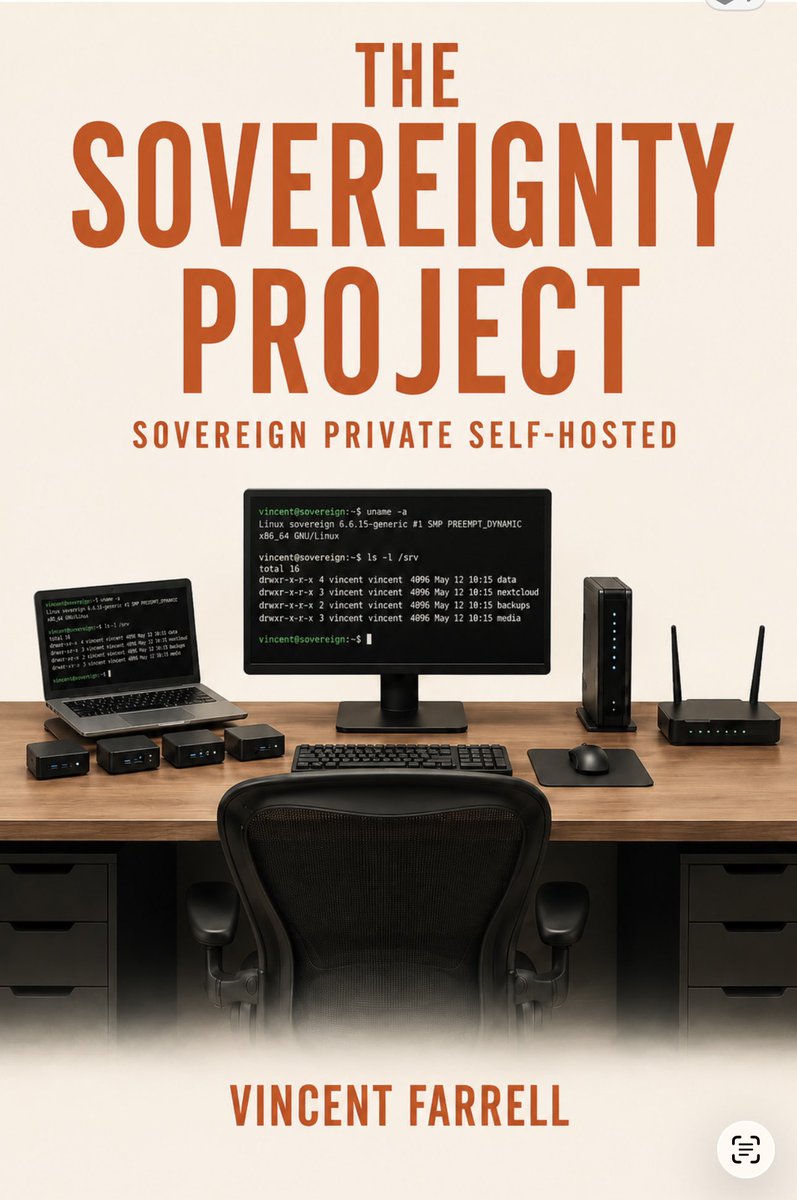
Our first book, The Sovereignty Project, is now available for preorder.
https://t.co/VnzIGX9EWJ
The Sovereign Summit is coming to Miami Beach February 4–7, 2027!!
This is shaping up to be a great gathering for people interested in Bitcoin, privacy, self-sovereignty, entrepreneurship, and building more control over their future.
Events like this are about more than speakers and panels. They’re about meeting people who are asking the same questions, building real things, and pushing these ideas forward.
If you’re in South Florida or looking for a reason to make the trip this is one to put on the calendar.
📍 Fontainebleau, Miami Beach
📅 February 4–7, 2027
Looking forward to being there and connecting with everyone.
Your next big idea starts with a conversation. ⚡
Meet the people shaping the future at The Sovereign Summit.
📍 Fontainebleau, Miami Beach
📅 February 4–7, 2027
Grab your pass → https://t.co/O5uG6cw01l
Age verification is being sold as “protecting kids.”
But forcing people to prove their age online means collecting more identity data just to access the internet.
That creates a privacy problem for everyone, not just children.
Parents should decide what their kids can access.
Privacy shouldn’t be the price of going online.
Age verification is being sold as “protecting kids.”
But forcing people to prove their age online means collecting more identity data just to access the internet.
That creates a privacy problem for everyone, not just children.
Parents should decide what their kids can access.
Privacy shouldn’t be the price of going online.
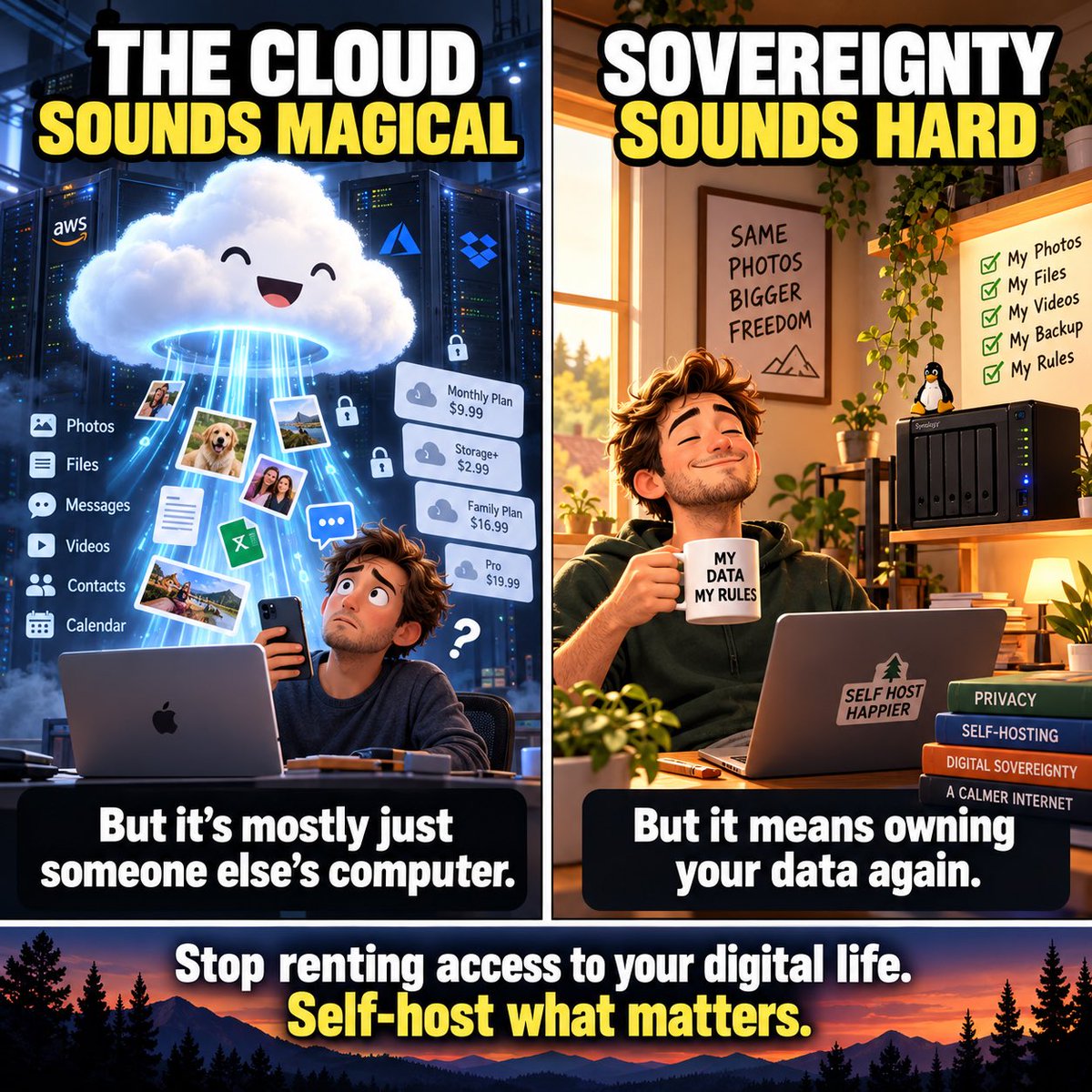
Most people hear “the cloud” and think their photos and files are floating somewhere on the internet.
They’re not.
“The cloud” is mostly just someone else’s computer.
Apple, Google, Microsoft and other companies store your data on servers they control — and often charge you every month for the privilege.
Self-hosting flips that around.
Your photos.
Your files.
Your backups.
Your server.
You control where your data lives, who can access it, and how long it stays there.
The goal isn’t to disappear from the internet.
It’s to stop renting your digital life.
Own your data. Self-host what matters.
📱 GrapheneOS is building its own modern messaging app — and this is a big deal.
RCS is on the roadmap, which means better group chats, better photo/video sharing, read receipts, and encrypted messaging that can work with Google Messages and iPhones.
The long-term goal is even better: modern texting with less dependence on Google.
For non-technical people, think of it like this:
GrapheneOS wants to give you the modern texting experience people expect, while keeping privacy and security at the center.
That could make switching to GrapheneOS a whole lot easier for everyday users. 👀📱
Our massive overhaul of the AOSP Messaging app has reached the Stable channel in our App Store after 3 releases. It's well on the way to becoming our own high quality GrapheneOS Messaging app instead. There are still parts of the interface to overhaul including widgets and important features to add.
Full support for RCS with all of the additional features it brings including proper group chats, media, opt-in read receipts and much more is going to be the largest project. We'll also be adding RCS end-to-end encryption via Messaging Layer Security (MLS) compatible with Google Messages and iOS.
RCS support will be provided via an optional dependency on sandboxed Google Play for activation. In the longer term, we plan to make a fully standalone implementation requiring the carrier to support it. We probably won't make an alternate implementation of using Google's own system for this.
Finishing the user interface overhaul, resolving many minor issues and adding important features including search are going to be the priority before getting to RCS. In the meantime, Google Messages is already fully supported on GrapheneOS including RCS with E2EE via MLS:
https://t.co/xN2cOehK16
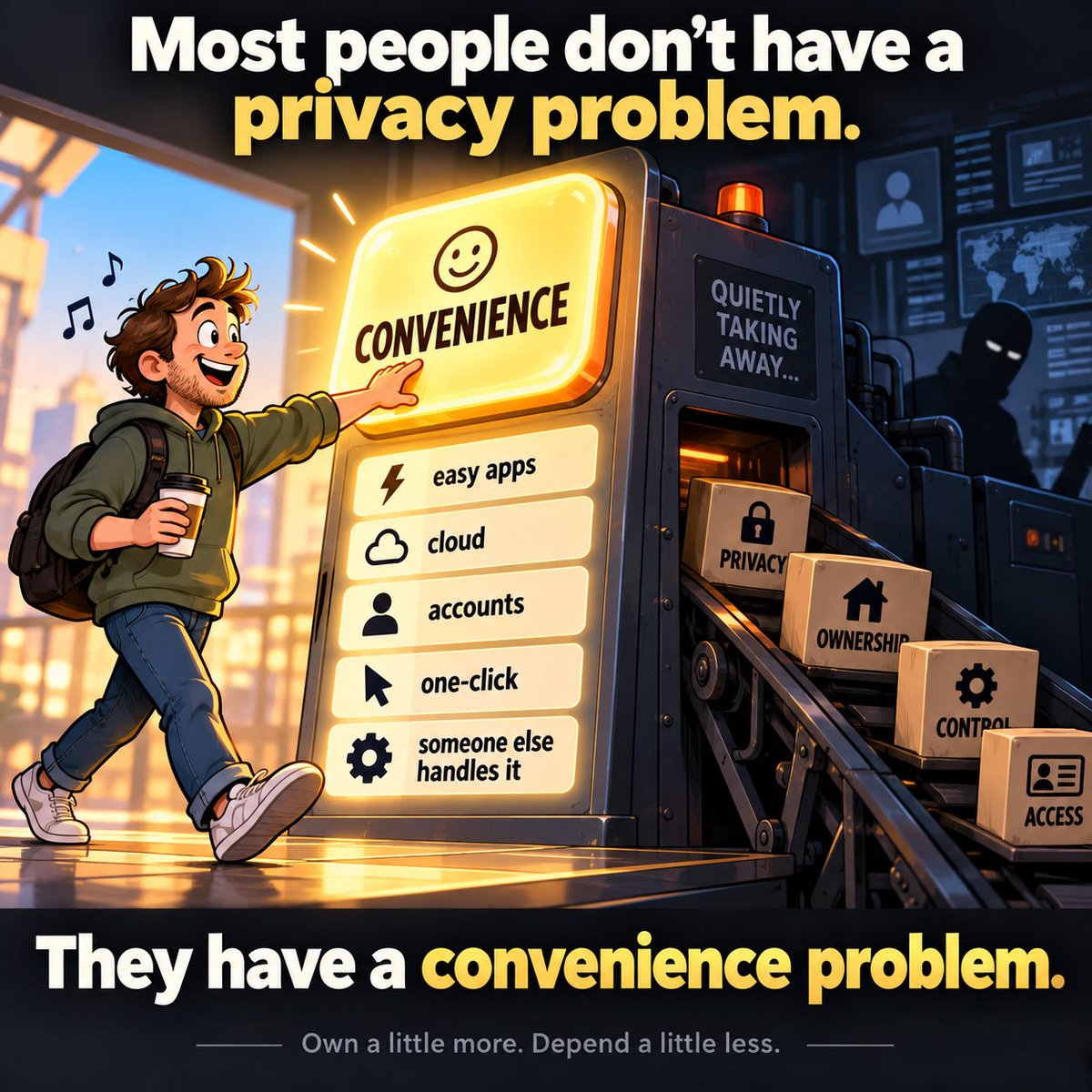
Most people don’t have a privacy problem.
They have a convenience problem.
We traded control for apps that were easier.
Ownership for subscriptions.
Local storage for the cloud.
Cash for accounts.
Self-custody for “someone else will handle it.”
And honestly, I understand why.
Convenience is powerful.
But every once in a while, it’s worth asking:
If the service disappeared tomorrow, what would you lose access to?
That question changed the way I think about technology.
Now I try to build my digital life so fewer things depend on someone else giving me permission.
Not perfectly.
Just a little more each year.
That idea eventually became the foundation for The Sovereignty Project, but the bigger point is this:
You don’t need to unplug from society.
Just start owning a little more of the infrastructure your life depends on.
📚 The Sovereignty Project is now live on Amazon.
This book was written for people who want to take more control of their privacy, data, Bitcoin, and digital life but may not know where to start.
I’m not a cybersecurity expert, and I didn’t write this from a place of knowing everything.
I wrote it as someone who learned by doing, made mistakes, fixed them, built my own systems, and realized that a lot of this becomes much less intimidating once someone explains it in plain English.
Inside, I cover practical topics like:
• Protecting your privacy
• Self-hosting your own services
• Running your own Bitcoin node
• Using hardware wallets
• Reducing reliance on third parties
• Building a more sovereign digital life
If you’ve been curious about digital sovereignty but felt overwhelmed by the technical side, this book was made with you in mind.
The Sovereignty Project is officially available now on Amazon.
Thank you to everyone who has supported this project so far. It means more than you know.
Own your data. Verify, don’t trust. Take the first step. ₿
The Sovereignty Project: Sovereign Private Self-Hosted https://t.co/nT4z2CJowa
📚 The Sovereignty Project is now live on Amazon.
This book was written for people who want to take more control of their privacy, data, Bitcoin, and digital life but may not know where to start.
I’m not a cybersecurity expert, and I didn’t write this from a place of knowing everything.
I wrote it as someone who learned by doing, made mistakes, fixed them, built my own systems, and realized that a lot of this becomes much less intimidating once someone explains it in plain English.
Inside, I cover practical topics like:
• Protecting your privacy
• Self-hosting your own services
• Running your own Bitcoin node
• Using hardware wallets
• Reducing reliance on third parties
• Building a more sovereign digital life
If you’ve been curious about digital sovereignty but felt overwhelmed by the technical side, this book was made with you in mind.
The Sovereignty Project is officially available now on Amazon.
Thank you to everyone who has supported this project so far. It means more than you know.
Own your data. Verify, don’t trust. Take the first step. ₿
The Sovereignty Project: Sovereign Private Self-Hosted https://t.co/nT4z2CJowa
CBDCs are sold as “digital cash,” but the real question is: who controls the ledger?
With a CBDC, privacy and access depend on the rules set by the system running it.
Bitcoin is different:
21 million.
No central issuer.
Open-source rules.
Peer-to-peer.
Run your own node and verify it yourself.
A CBDC digitizes central-bank money.
Bitcoin removes the need for a central monetary authority.
That difference matters.
I agree. I think the biggest shift happens when Bitcoin stops feeling like something only “tech people” understand and starts feeling practical for everyday people. Once someone learns they can actually hold their own keys, run their own node, and rely less on middlemen, it changes the way they look at money completely. 🧡
🚨 COMING SOON TO AMAZON 🚨
The Sovereignty Project is getting ready to hit Amazon.
I wrote this book for regular people who are tired of feeling like privacy, self-hosting, Bitcoin, and digital sovereignty are only for tech experts.
I’m not a cybersecurity engineer. I’m not pretending to have all the answers. I’m someone who started learning, made mistakes, fixed them, built my own systems, ran my own Bitcoin node, and documented the process so others can take that first step too.
Inside, I break down practical ways to take more control of your digital life without needing to be an expert.
The paperback is coming soon to Amazon.
And if you’d rather support Sovereignty Initiative directly, copies are already available through my website.
This is only the beginning.
Own your data. Run your own systems. Verify, don’t trust.
₿ The Sovereignty Project coming soon to Amazon.
Motorola is unveiling a new flagship phone tomorrow, and with its confirmed GrapheneOS partnership, I’m curious…
Do you think this could be the first Motorola designed with GrapheneOS support in mind?
We know Motorola and GrapheneOS are working together on future devices, but nothing has been confirmed for this specific phone yet.
If Motorola gave us a true flagship with official GrapheneOS support, would you consider switching from a Pixel?
What do you think? 👇
#GrapheneOS #Motorola #Privacy #DigitalSovereignty
What an incredible first group of speakers. Michael Saylor, Natalie Brunell, and Jeff Booth all bringing important perspectives on Bitcoin, freedom, and the future of money.
I’ll be attending The Sovereign Summit in Miami Beach, and I’m looking forward to the conversations and connections. Use code HODL for discounted passes. See you there! ⚡🌴
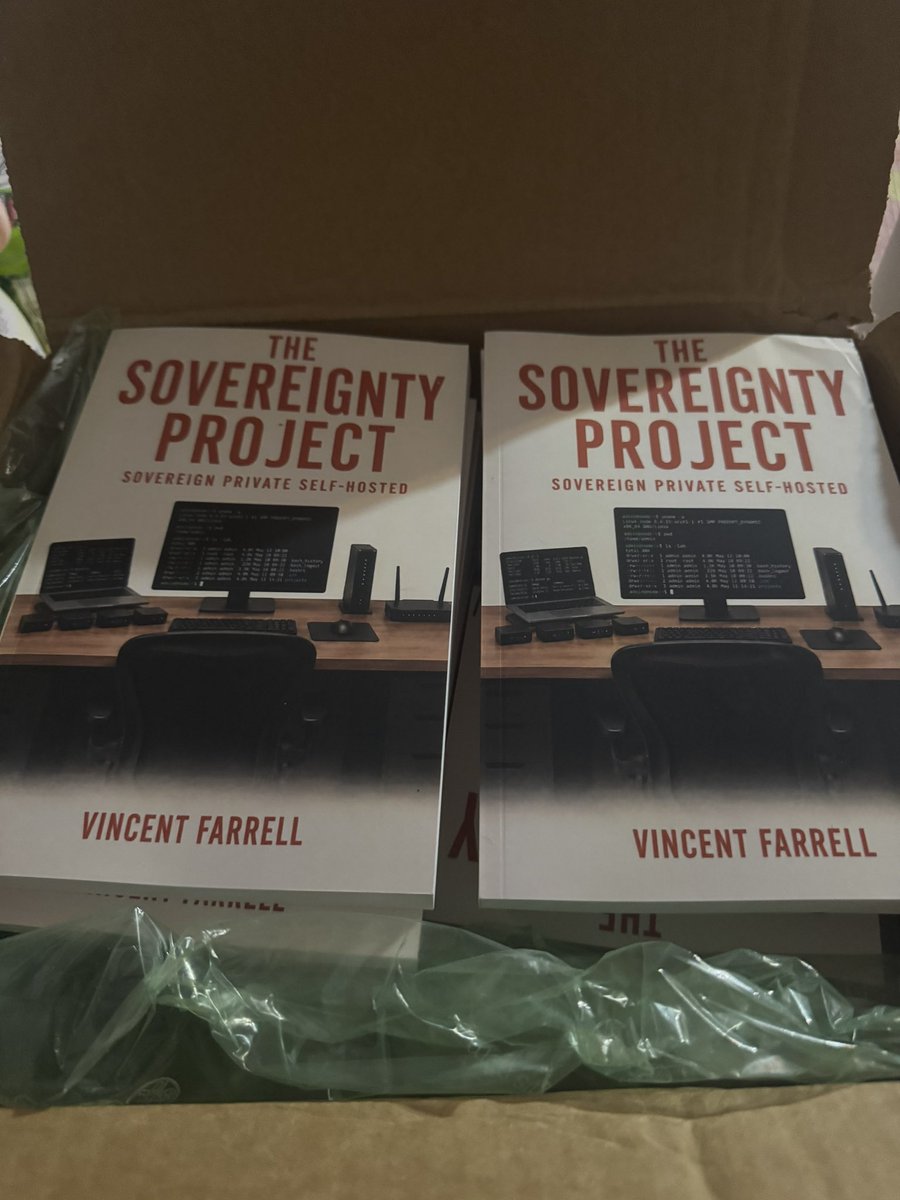
They’re officially here! 📚
The first 20 copies of The Sovereignty Project have arrived and are ready to ship.
If you’ve been waiting to order, you can now purchase directly from my website using Bitcoin—on-chain or Lightning.
🌐 https://t.co/p4w65tEA3x
Sovereign. Private. Self-hosted.
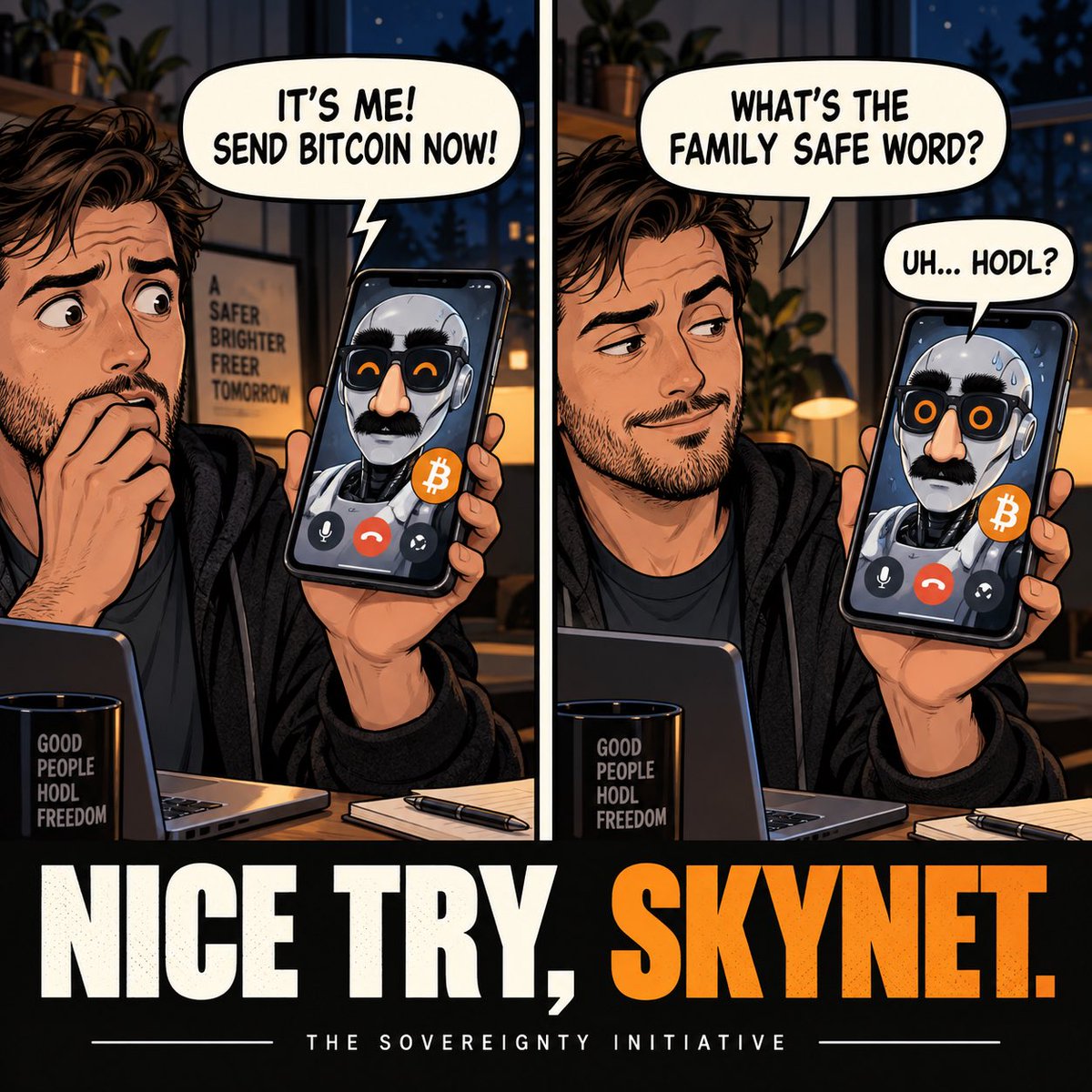
Scammer: “It’s me! I’m in trouble. Send Bitcoin now!”
Me: “What’s the family safe word?”
Scammer: “Umm… HODL?”
Nice try, Skynet. 😂
AI can clone a familiar voice from a short online clip. Create a private family safe word, hang up and call the person using a number you already know.
Cold storage protects your keys. A safe word can protect you from sending Bitcoin to a robot pretending to be Uncle Bob.
Dollars can be created with a keystroke. Bitcoin is capped at 21 million but scarcity only matters if you control your keys.
Don’t leave long-term savings on an exchange. Use cold storage, and consider multisig only if you understand recovery. Keep devices and seed backups offline, secure and in separate locations. If your wallet supports dice entropy, follow its exact process. Test recovery, verify addresses on the device, back up your wallet descriptor and use your own node when possible.
Sovereignty requires responsibility.