🎥Energy/Empire: Part 3 America’s Green Counter-Revolution
RFK Jr, The Environmental Law Industrial Complex and the eugenic origins of our cultural amnesia
What does it mean to be American? One thing becomes clear if we study our relatively short, but important history. We kicked off a new world paradigm in 1776 and since then, revolution and counter-revolutions have been at the heart of the battle for national sovereignty at home and across the globe. As the unipolar world order melts down in the 21st century, Americans must reconcile the current role we play on the international stage with the founding principles of our nation.
The Energy/Empire series sheds light on the cultural amnesia and indoctrination which has turned a once great nation into a servant of empire.
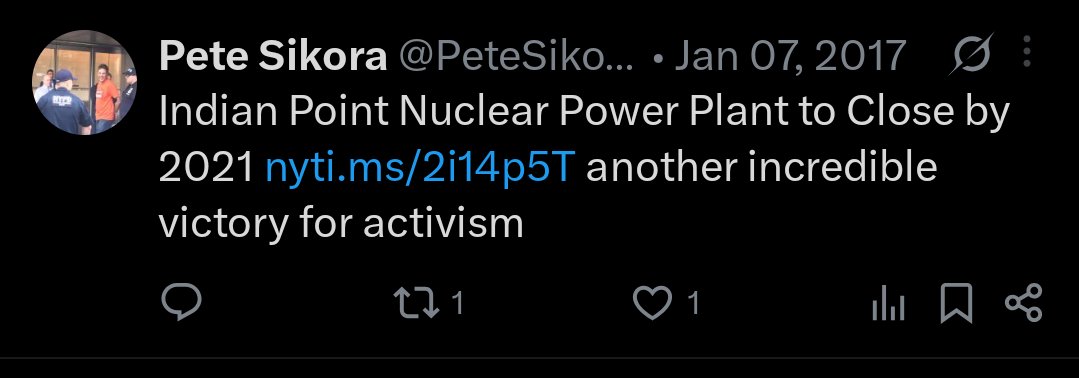
Part Three, America’s Green Counter-Revolution, dives into the career of Robert Kennedy Jr. and the environmental law industrial complex. We’ll take a closer look at several landmark cases including the shutdown of Indian Point Nuclear and the blocked Storm King Pumped Hydro Plant, as well as the books which laid the cultural groundwork for these legal cases such as Silent Spring and The Population Bomb.
Kenya is set to construct its first-ever nuclear power plant at an estimated cost of $3.9 billion.
The plant will deliver 1,000 megawatts of electricity in its first phase
It will boost Kenya’s electricity to 26.2% of the current installed capacity of 3,812 megawatts.
By 2040, the plant is projected to expand and generate up to 20,000 megawatts, making Kenya as one of Africa’s biggest energy producers.
When completed, it will be the first nuclear power plant in East Africa.
Currently, South Africa is the only African country with an operating commercial nuclear power plant supplying electricity.
This Saturday: screening of Unfiltered: New York's Watershed Battle + live Q&A in Phoenicia, NY.
Who decides what the Catskills give up next?
Tickets: https://t.co/UnxfxZ8SX1
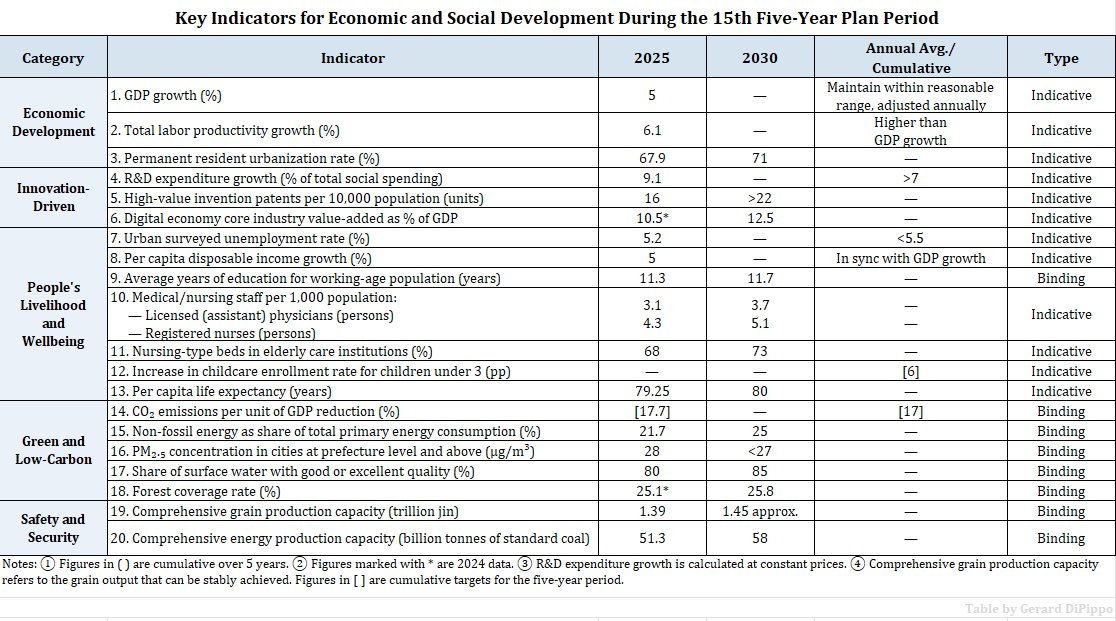
Notice that China is setting a goal of non fossil fuel energy production at 25% by 2030.
This is a sharp contrast to Western climate zealots who point to increases in China's renewables as proof that we can shut down gas and coal plants tomorrow.
China just dropped its 15th five year and I genuinely think this is the most important document of 2026 & almost nobody in the West is talking about it
what gets me isn’t any single number…it’s the systemic vision, in one document they’re planning GDP growth, highvalue patents, digital economy at 12.5% of GDP, non-fossil energy at 25%, CO2 reduction, surface water quality at 85%, life expectancy at 80, forest coverage rate, grain production capacity…ALL of it in the same table with hard targets & binding indicators through 2030
in the West we treat economy, ecology, education, healthcare & energy security as separate ministries fighting over budgets, China treats them as organs of the same body, every line feeds the others, urbanization fuels productivity, R&D fuels patents, patents fuel the the digital economy, non-fossil energy fuels strategic independence….every variable is designed to accelerate all the others & that reflect china’s deeply HOLISTIC worldview
look at line 5, high-value patent going from 16 to over 22 per 10,000 people by 2030, quietest line in the whole table and probably the most important, a high value patent is the intellectual property of a technology that will structure a market for 20y MINIMUM
China is literally planning who owns the technological future, the licenses & dependencies other countriees will rack up on Chinese tech, this IS the economic and industrial colonization of the 21st century I keep talking about in my threads but with patents instead of cannons
while america bombs & europe debates, China plans, builds & executes and the scariest part is that based on their own audits the previous plans hit ove 90% of their targets
Western leaders rotate every 4 /5 years and make promises they’ll never have to keep, CCP plays on a 50 y horizon…this table isn’t a campaign platform, it’s a national spec sheet & that changes everything about how you read each number in it
The Federal ruling on glyphosate has brought old questions into new focus. In 1972 the first case brought before a Nixon's newly-minted EPA over DDT changed the course of history. But few people know the real story behind it.
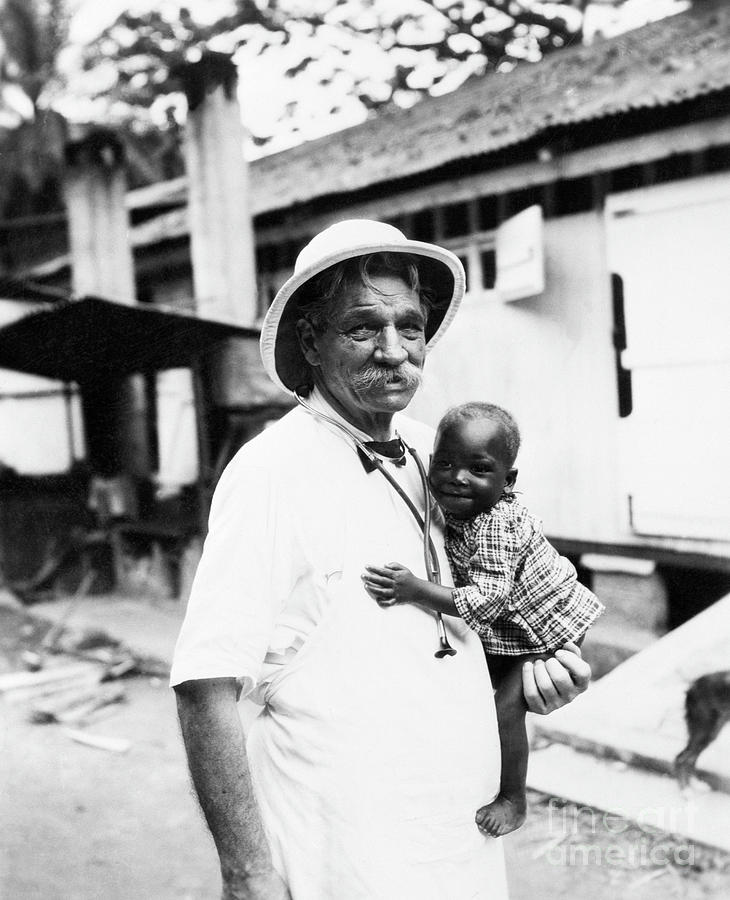
@SamaHoole Rachel Carson dedicated Silent Spring to Dr. Albert Schweitzer, who said himself: "How much labor and waste of time these wicked insects do cause! Nothing so far has been effective in keeping them out, but a ray of hope, in the use of DDT, is now held out to us."
Food is the lever of control for national sovereignty. Kissinger himself said "Control the food, control the people." Banning glyphosate would destabilize our country and the world. People who are paranoid about their "precious bodily fluids" should consider the alternative.
In 2022 the banning of all chemical inputs into agriculture sent the nation of Sri Lanka into an economic tailspin. The economy collapsed and the government was ousted. The country's agricultural program is now partnered with Bill Gates.
The banning of DDT in the Western world rippled outward, causing a de facto ban of the substance in the developing world. Malaria still kills over half a million people a year. The vast majority are African children.
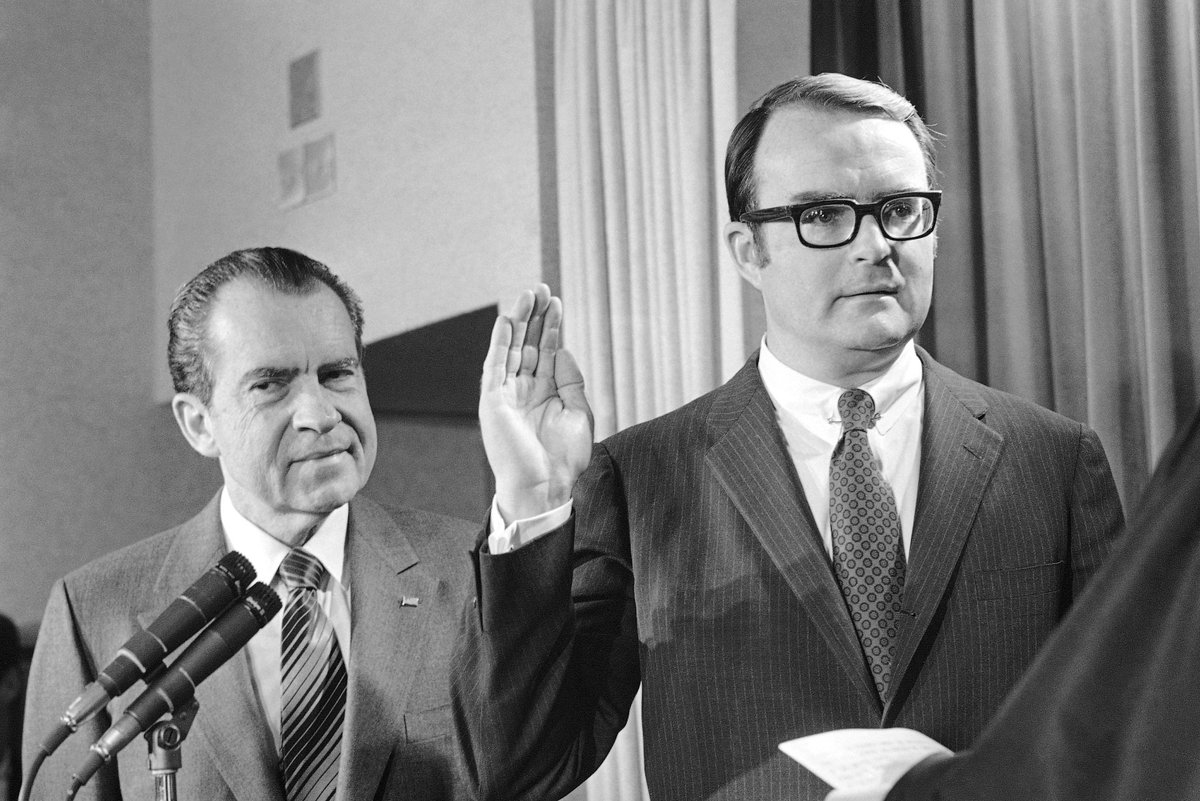
The EPA was created under Nixon; it's first case was DDT, a chemical that not only eradicated Malaria in the US but boosted agriculture. Scientists in the hearing unanimously agreed it was safe. Nixon's appointee EPA William Ruckelshaus threw out the entire ruling and banned DDT.
When the EPA put DDT on trial, scientists unanimously agreed. Jesse Leonard Steinfeld, U.S. Surgeon General testified:
"DDT's use in the control of disease meant the difference between poverty and good health, hope and the promise of a better life to billions of people."
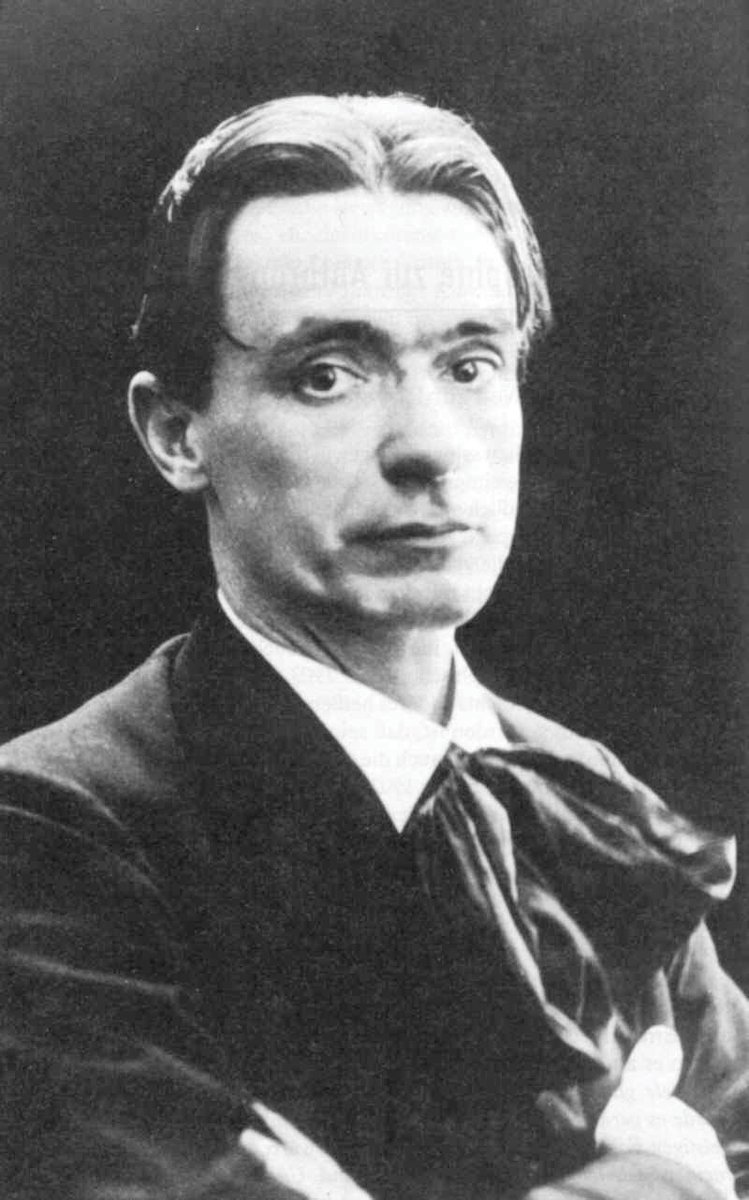
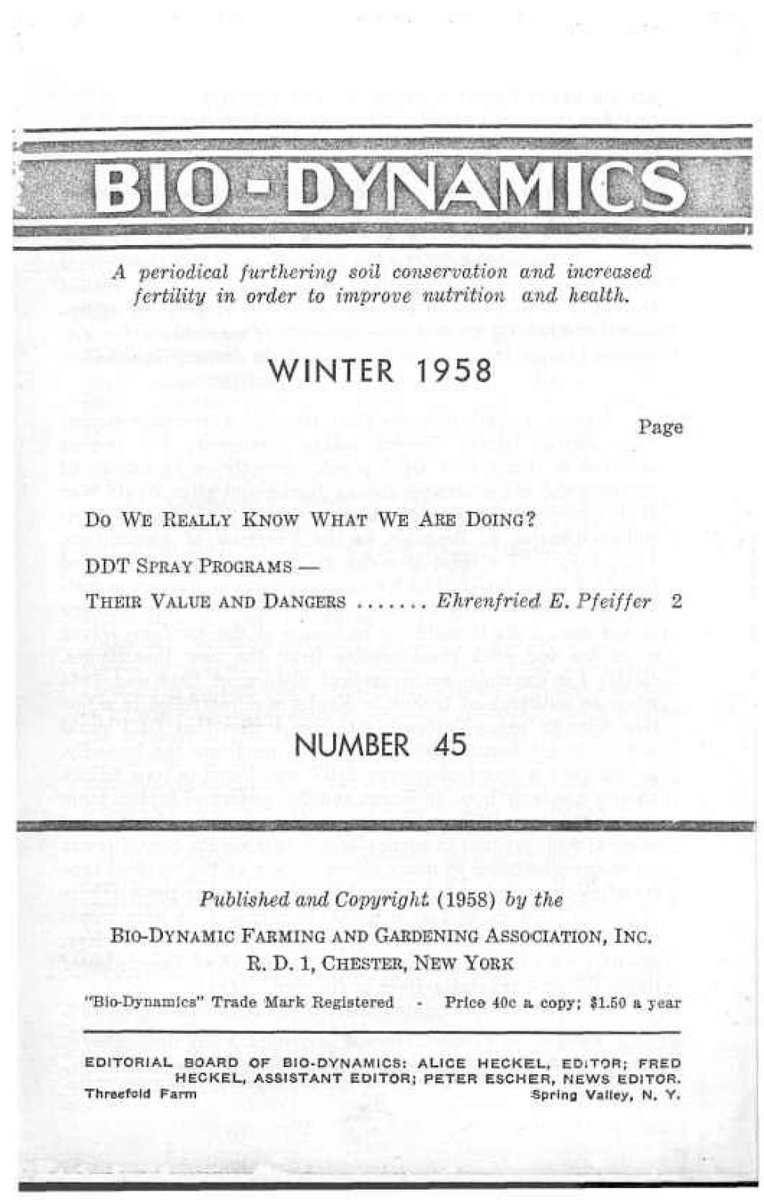
What people don't know is that Silent Spring was based on the occultist religion of Anthroposophy. The Long Island spray trials were the basis of Carson's book; Rudolf Steiner's apprentice Ehrenfried Pfeiffer both testified and provided the (pseudo)scientific basis for the book.
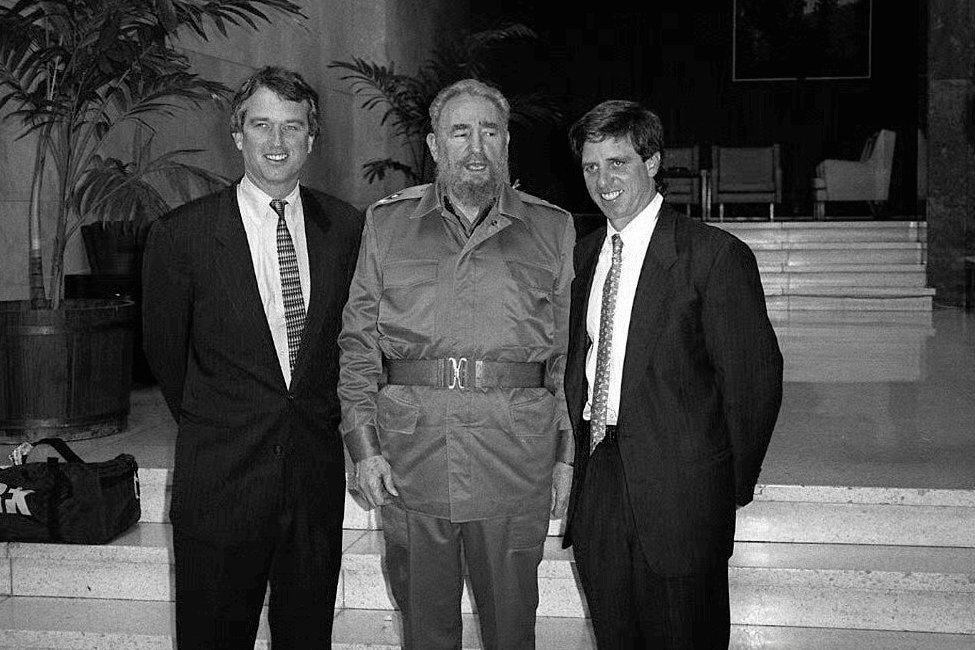
In 1996 the NRDC together with Citizens Energy Corporation (an NGO based out of Massachusetts founded by RFK Jr.’s older brother Joseph II) organized a U.S. delegation to Cuba which included both RFK Jr. and his younger brother Michael to “discuss Cuba’s energy needs and urge Castro to abandon his nuclear program in favor of safer energy sources.”
Castro, who has stubbornly maintained that his energy-starved nation needs the plant, told U.S. environmentalists and energy conservation experts that he will look into their suggestions for harnessing energy from sugarcane plants, Robert Kennedy Jr. and Michael Kennedy said Monday.
Michael Kennedy said that during an earlier 1991 meeting with Castro, the leader vigorously defended the right to build a nuclear power plant in his country.9��The late Michael Kennedy, was chairman of his older brother’s Citizens Energy Corporation, a Boston-based NGO that “promotes the development of alternative energy resources and has been active in the third world.” Citizens Energy began in 1979 with oil-trading ventures in Latin America and Africa, and used revenues from commercial enterprises to channel millions of dollars into charitable programs in the U.S. and abroad. Michael first met with Castro in Cuba to discuss his nuclear energy plans in January of 1991, eleven months prior to the collapse of the Soviet Union.10
In 1976 Cuba signed an agreement with the Soviet Union to construct the Juragua Nuclear Power Plant consisting of two 440-megawatt reactors, utilizing the VVER design (a more advanced and safer design than Chernobyl used). The plant was slated to deliver 15% of Cuba’s energy upon completion and reduce its dependence on imported oil. Construction began in 1983 and was scheduled to be operational by 1993. The collapse of Cuba’s Soviet allies forced the project to stop in 1992, and by 2000 the project was abandoned completely, despite Russian President Vladimir Putin’s efforts to restart the project.
There’s no telling how much less suffering would have occurred during Cuba’s Special Period if they had cheap, abundant and safe nuclear energy. Robert Kennedy, Jr. in his meeting with Castro, insisted that the plant was too dangerous to build and that the island nation should instead burn discarded sugarcane plants for energy. Some today refer to this as “renewable biofuel.” In a 1996 interview with Charlie Rose, Kennedy stated:
“If you burn that cane in high efficiency turbines that you could provide all of the energy needs for Cuba for the foreseeable future, you could do it at a fraction of the price that they’re putting into this nuclear power plant.”11
As of 2014, Cuba was getting only 4% of its electric generation fuel from Independent Power Producer (IPP) oil which includes biodiesel from sugarcane biomass:
Investment in [biogas] was less successful. Without support from the Soviet Union and with a shrinking economy, Cuba saw a huge collapse in sugarcane production. Production fell 57.4% from 1989 to 2000, and the downward trend has continued. As a result, the proportion of electricity for primary consumption produced by [biogas] has likewise fallen.12
Contrary to RFK Jr.’s promises, burning sugarcane was not a substitute for nuclear energy as Cuba still deals with crippling blackouts and energy shortages to this day. As of January of this year “electricity is being rationed in Cuba, with daily life dominated by power outages that can last up to 18 hours a day.”
Cuba is descending into madness because of island-wide power outages. Would you believe that Castro was trying to build a nuclear power plant in 1996, but was stopped by a certain environmentalist named Robert F Kennedy, Jr.?
New York has spent billions chasing the tiny sliver in yellow.
On a cold January peak, nuclear, hydro, gas & dual-fuel are doing the real work of keeping the lights on.