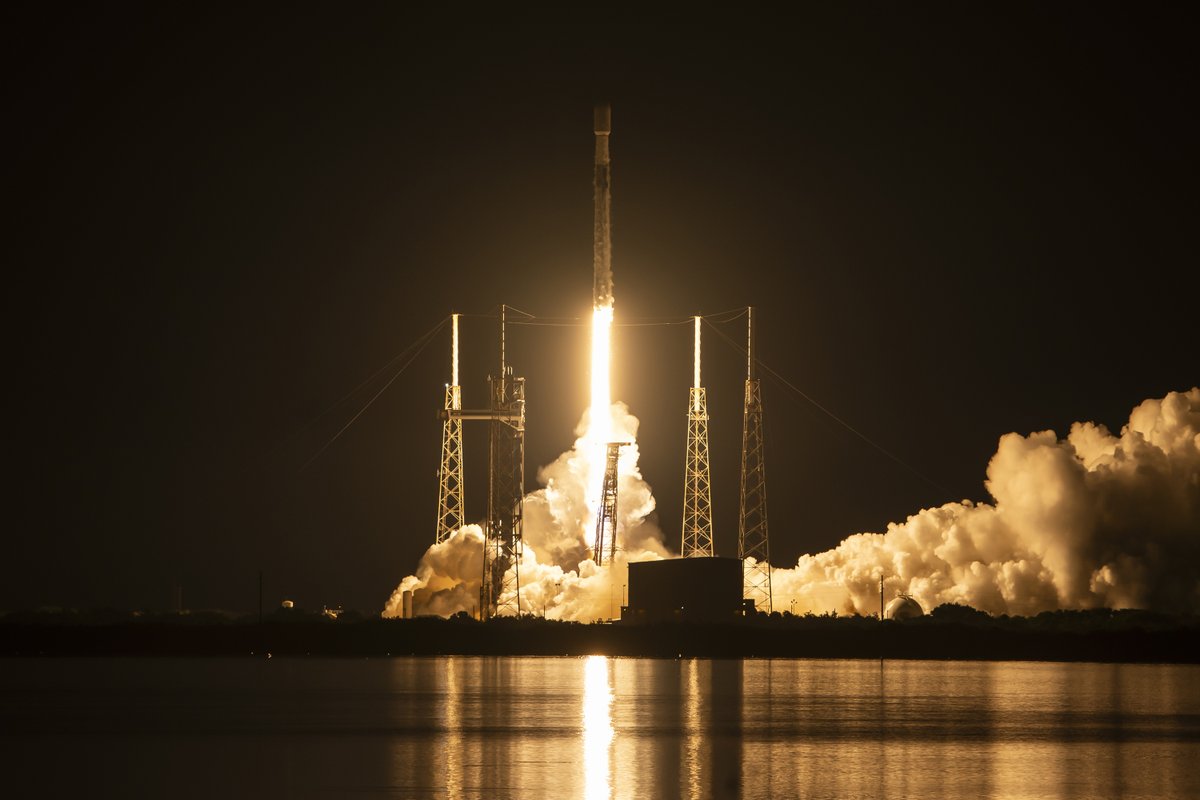
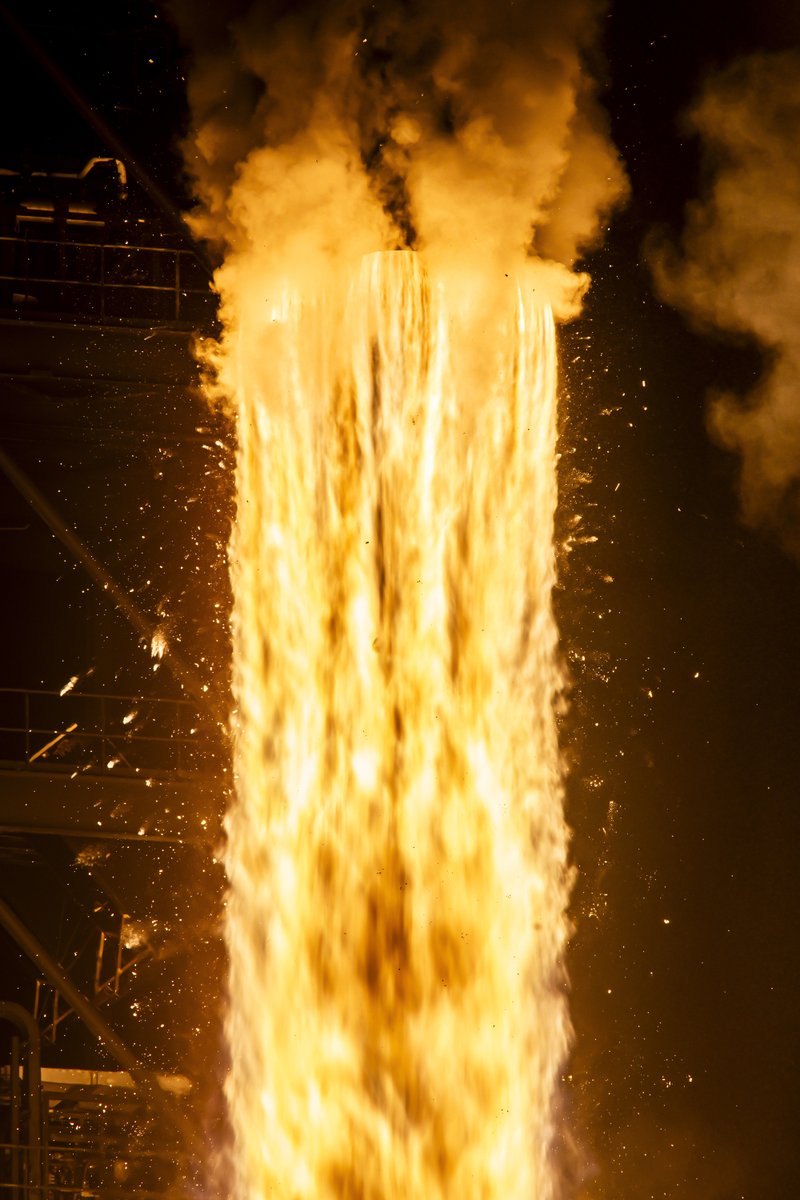
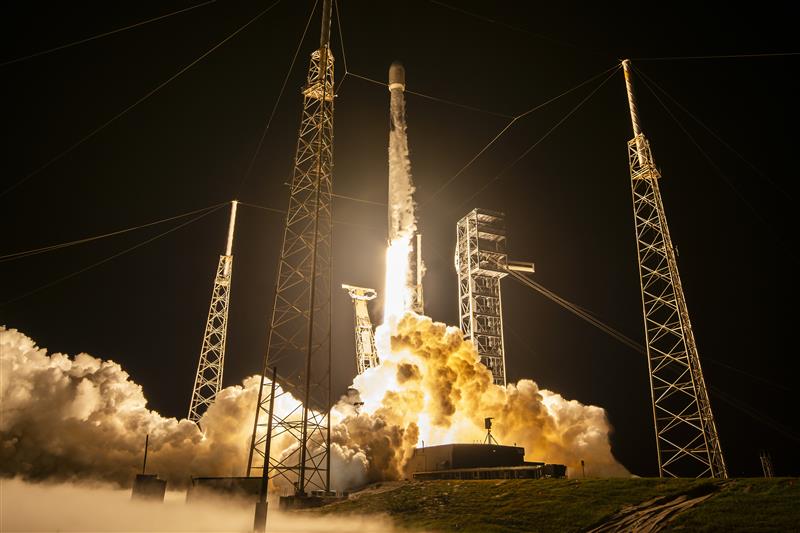
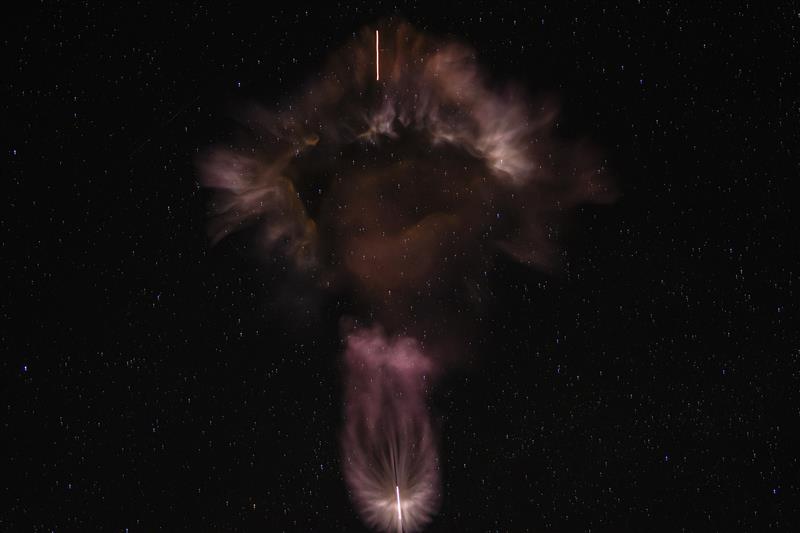
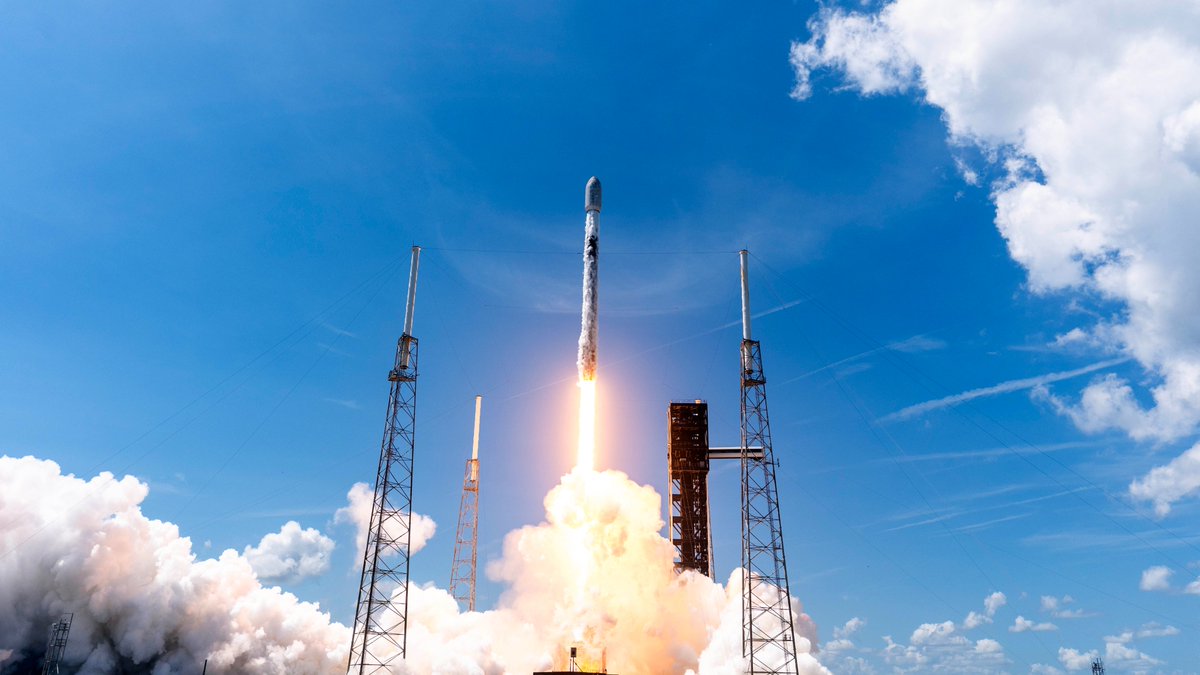
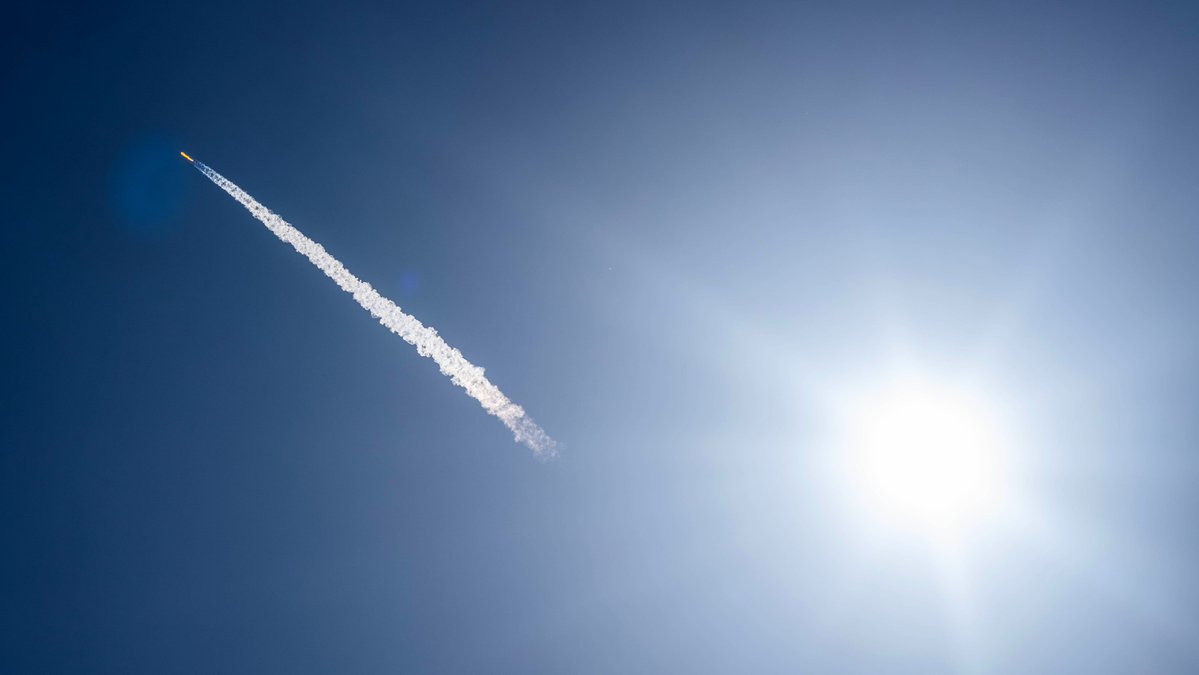
NASA’s Roman Space Telescope was encapsulated into Falcon Heavy’s fairing this past week ahead of launch on Sunday, August 30 from pad 39A in Florida → https://t.co/oacS4jED83
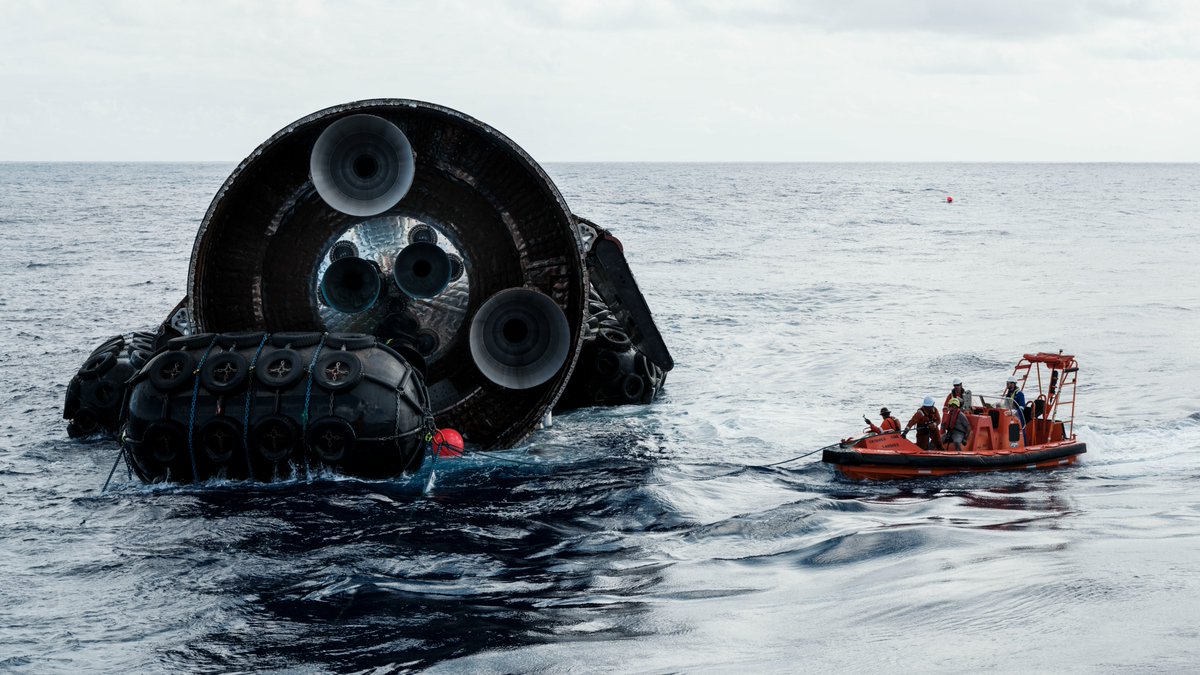
After approx. 24 days at sea, the SpaceX Recovery team successfully guided Starship to a location just off the coast of Christmas Island. A team of SpaceX engineers is on their way to conduct additional analysis on the vehicle in calmer waters before attempting to return it to Starbase
The SpaceX Recovery team is still working to recover Flight 13’s Starship from the Indian Ocean. They’ve been overcoming challenging conditions and increasingly rough seas as they attempt to guide the 52m long spacecraft to port
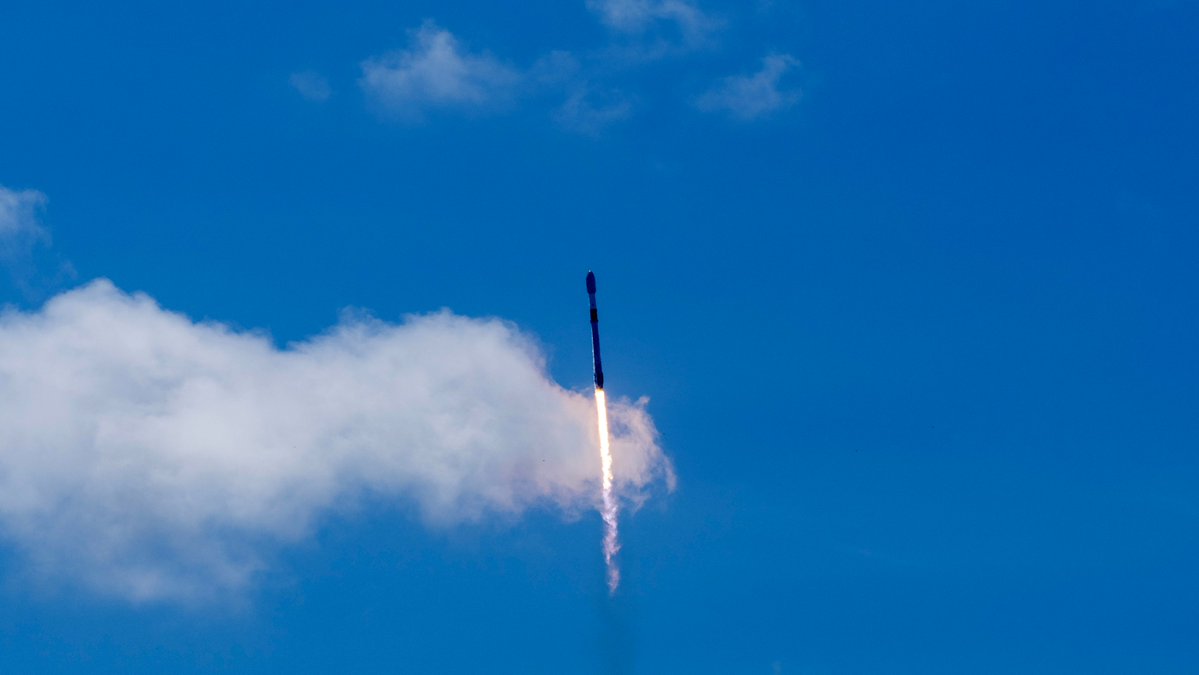
On January 15, 2025, Falcon 9 successfully deployed Firefly Aerospace’s Blue Ghost Mission 1 and ispace’s RESILIENCE lunar landers on a trajectory to the Moon from pad 39A in Florida.
For most of our missions, we plan a controlled deorbit of the Falcon second stage so it safely reenters over the ocean. For higher energy missions like those to a lunar transfer orbit, nearly all performance on the vehicle is devoted to successfully placing the payload in the intended orbit, and a controlled disposal maneuver is not always possible.
We actively work to be as responsible as possible with hardware left in space to ensure space safety, including for more complex missions. In this case, over time, solar activity and gravity led the second stage toward the Moon. Impacts like this are rare, but they can happen with objects in these types of orbits, and we worked with NASA on the optimal disposal solution.
Our focus remains on advancing reliable access to space while working toward even more sustainable operations with Starship in the future. As a fully reusable vehicle, Starship is designed to eliminate expendable upper stages entirely, reducing hardware left in orbit and enabling even more missions to the Moon, Mars, and beyond.
We posted our second quarter 2026 financial and operational results → https://t.co/YCRzq6gSV3
Q2 highlights:
- Demonstrated the power of extreme vertical integration, delivering revenue growth of 92% year-over-year across Space, Connectivity, and AI
- Completed two successful Starship V3 flight tests in the past 90 days, advancing towards full and rapid reusability
- Closed multiple industry-leading Cloud Services Agreements resulting in $14.1 billion of contracted sales
- Announced agreement to acquire Cursor for $60 billion to accelerate the AI enterprise opportunity
- Released our most powerful AI model yet with Grok 4.5 in July
- Delivered 66% revenue and 79% income from operations growth year-over-year for the Connectivity segment, driven by a doubling of Starlink Subscribers and continued momentum in Enterprise & Government
- Awarded over $6 billion in multi-year U.S. government contracts for Starshield
As compared to the same quarter last year:
- Revenues of $7.8 billion, up 92% from $4.1 billion
- Net loss of $541 million, an improvement of $467 million from net loss of $1.0 billion
- Adjusted EBITDA of $3.5 billion, up 191% from $1.2 billion
Thank you to the SpaceX team, and all our customers and investors for a great quarter!
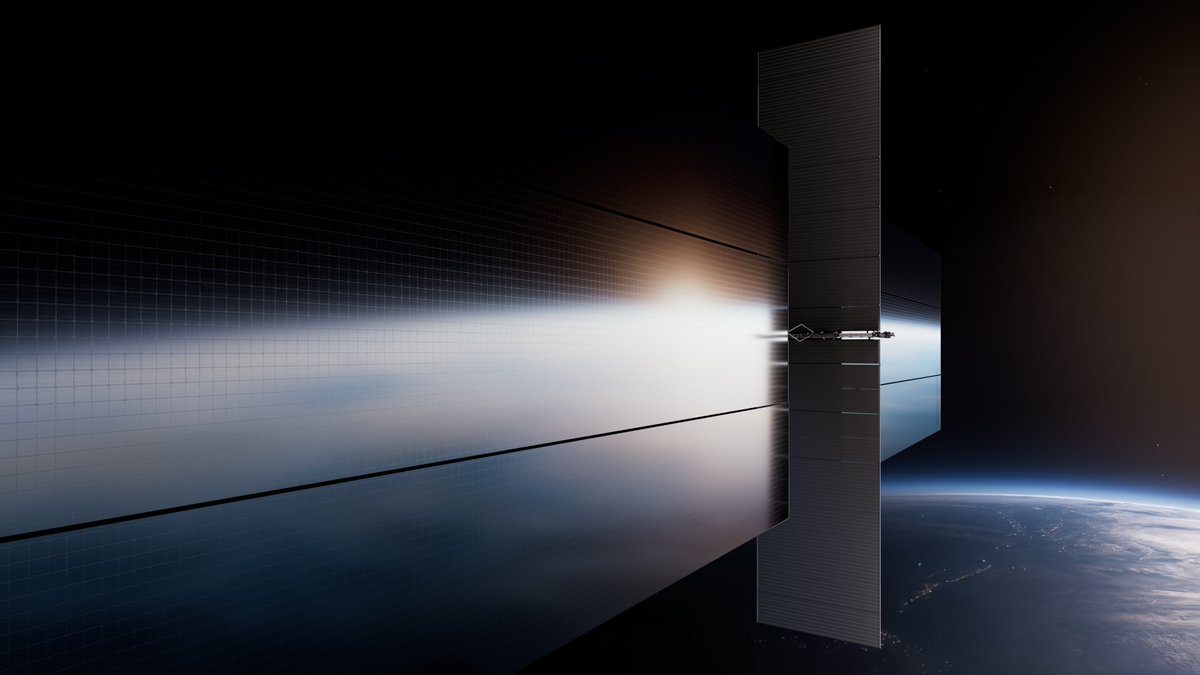
SpaceX is partnering with @Nvidia to design the Starmind AI1 satellite compute payload.
Each of the Starmind satellites will include NVIDIA Rubin GPUs and Vera CPUs for datacenter class space compute → https://t.co/4MOQv0DvTQ