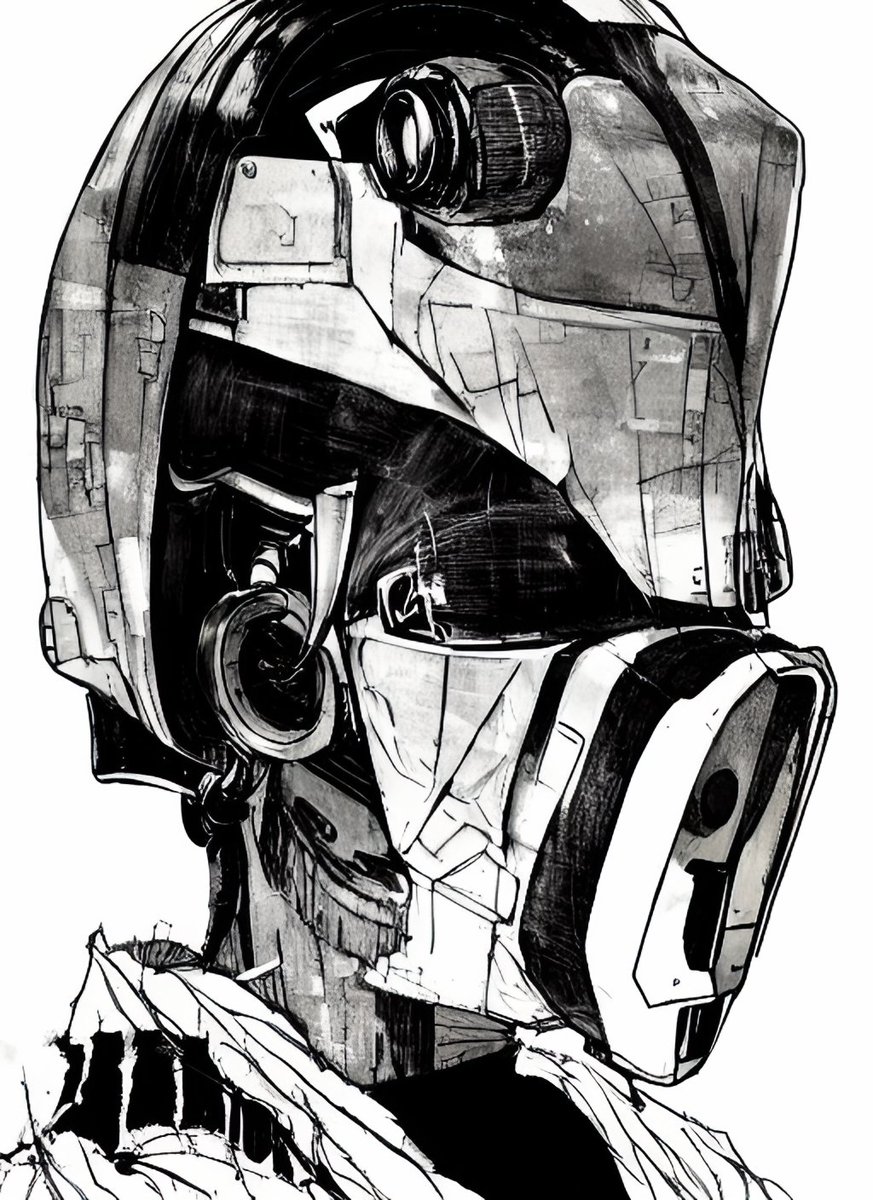
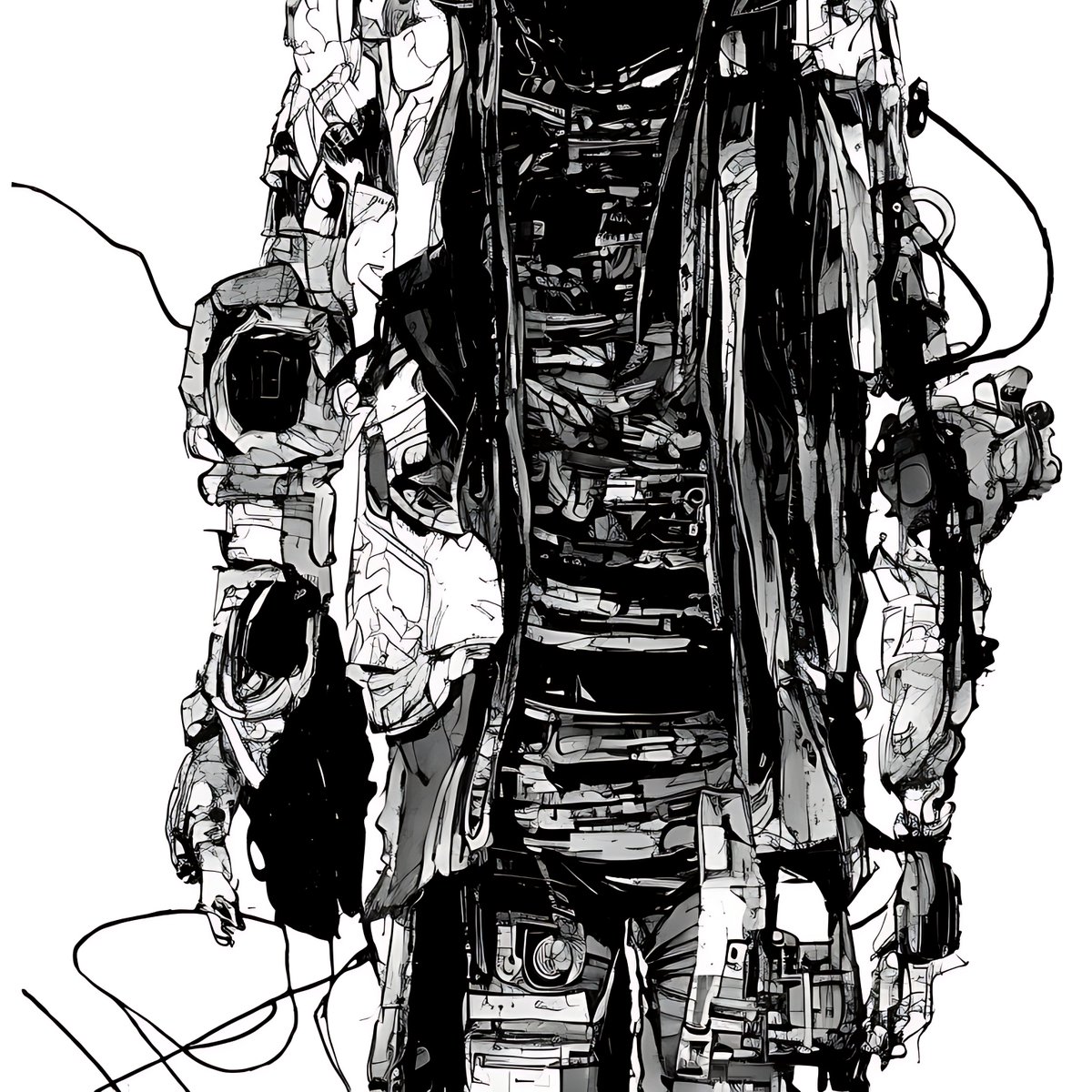
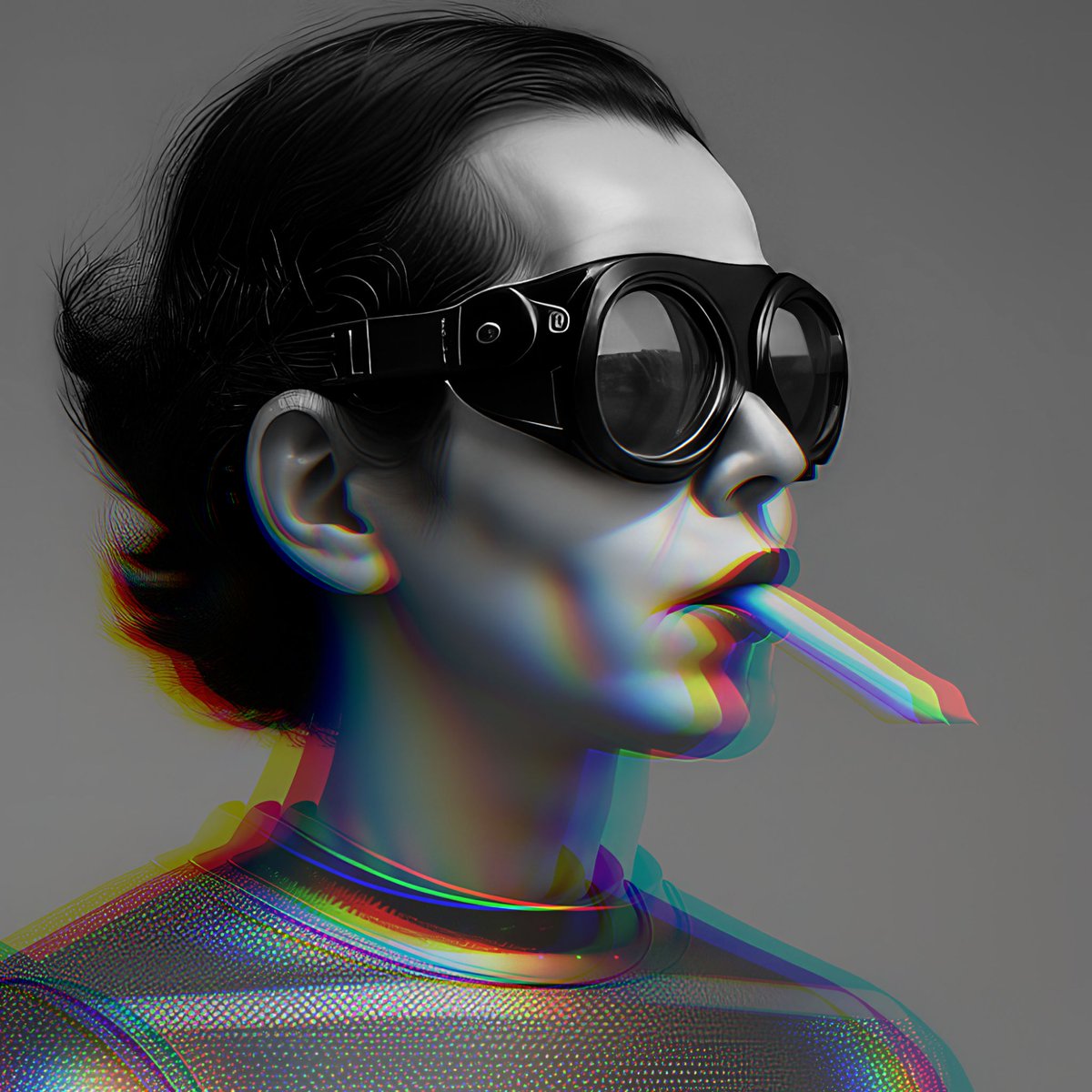
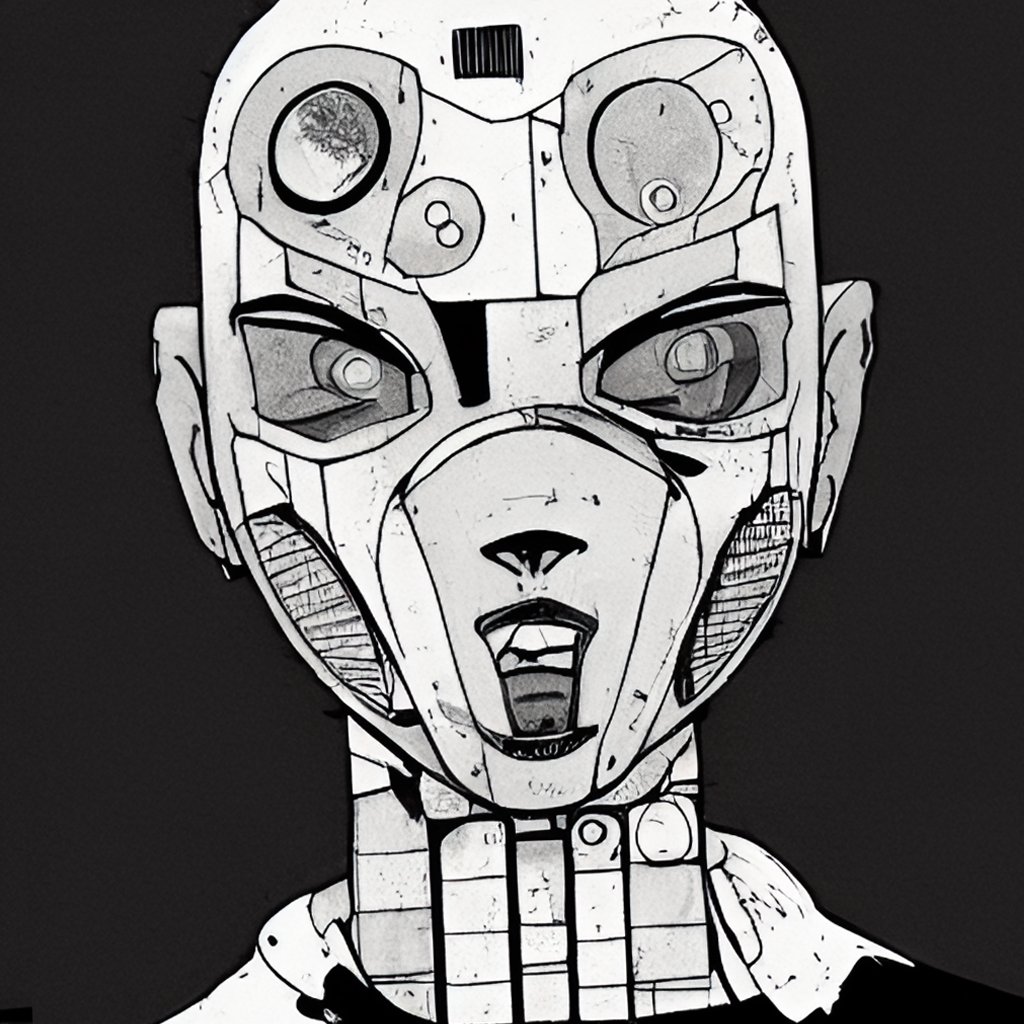
Acting as an archaeologist of AI's first attempts.
These black-and-white portraits are artifacts from when tools were raw, outputs unpredictable.
Capturing AI's earliest memories of human forms — never saw a face, only our leftovers.
#DigitalArchaeology#SynapticAncestor
These aren't "flaws" — they're the raw, crooked, out-of-proportion marks of Epoch 1 AI.
Old NMKD GUI. First-gen models. Raw attempts at drawing humans.
The rawness IS the rarity. The crooked lines ARE the history.
#SynapticAncestors#Epoch1#AIHistory
Which perspective resonates?
These portraits show "machine remembering people" — reconstructing human imagery from digital remains.
Reply with your take.
#AIArtDiscussion#Scavengers
These black-and-white portraits show where AI first learned to draw humans — before it knew how. Before it forgot how to fail.
The process is the point. The grain tells the story.
#Scavengers#TezosNFT
A limited number of unique portraits. Each can never be created again.
These are artifacts from AI's first attempts at drawing humans — when tools were crude, outputs were unpredictable.
The originals are gone.
#CryptoArt#Scavengers
Most digital art asks you to look.
RARE POTATO asks you to meet someone.
Twenty-seven 1/1 crash-test-dummy portraits on Tezos.
They survive impact, then choose tenderness.
Look long enough at a Scavenger portrait and you'll find the seams: a face rebuilt from salvage, borrowed memories stitched together.
What looks like a person is really a machine remembrance — reconstructing us from what we left behind.
#BlackAndWhite#MachineMemory
Every image this machine dreamed was assembled from human remains — photographs, illustrations, drafts. It never saw a living face. It only knew us through our leftovers. Scavengers are what it gathered from the feeding grounds.
#AIArt#Scavengers#DigitalMemory#xtz
The Story: Owners aren't just buying art; they are buying into the story of origin. They become patrons of a specific, documented moment in the digital renaissance.