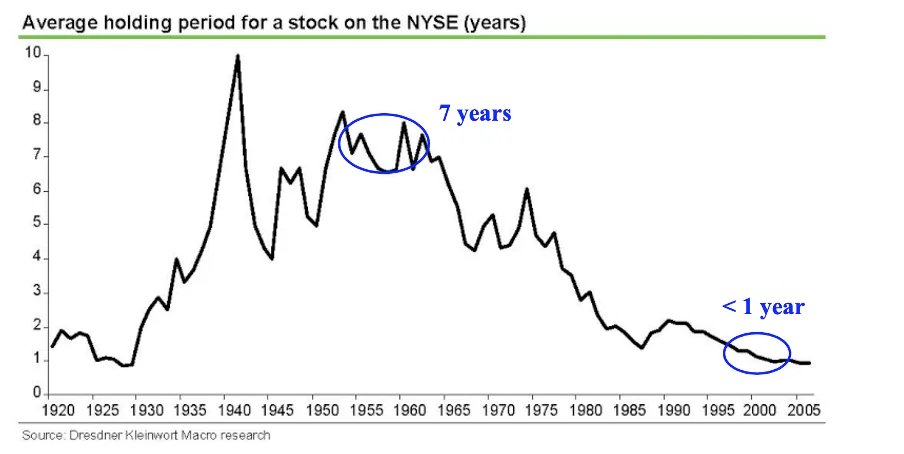
Technology has made information freely available to investors, but it also reduces friction to trading.
In other words, it's easier for investors to sabotage their returns with impatience.
@theficouple People don't realize that the price tag on a house is only the beginning...
Higher home value means higher taxes, repairs, utility bills, and even more stuff to fill the house with!
@2CommaInvestor Decisions throughout your life compound. A bunch of small, effective habits and moves are how people get to where they are (good or bad) a decade later.
@atypinvestor@2CommaInvestor Ha, you typically do when you buy the S&P 500! Lots of people get tempted into trying to find the next big thing instead of just buying what already works
@TheRealBirnbaum Well said. Most people ARE better off with index funds, but only because MOST people lack some combination of time, appetite, know-how, or temperament to mess with individual stocks.
The short term is a bit hard to get a feel for, given how the buildout is financially straining those funding it.
That said, the long-term direction seems clear at this point. Adoption is everywhere.
Customer concentration can improve efficiency and increase fragility at the same time.
One large buyer may lower selling costs and help scale production. It also gains negotiating power.
Concentration is not automatically bad. It is leverage the customer owns.