Lest We Forget...
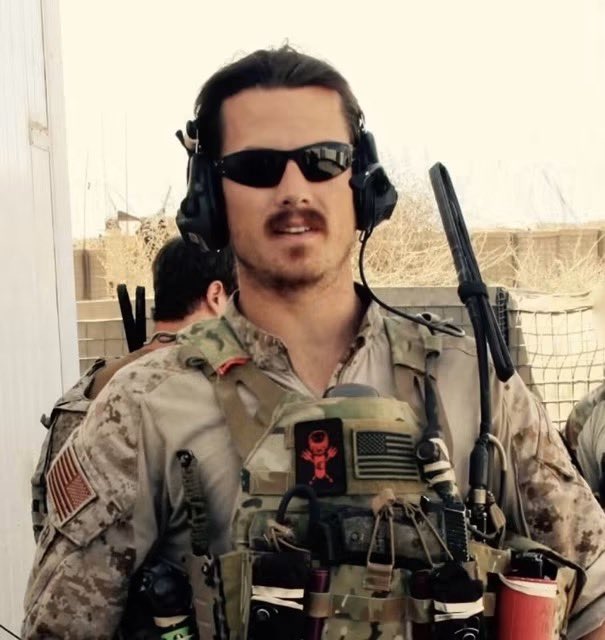
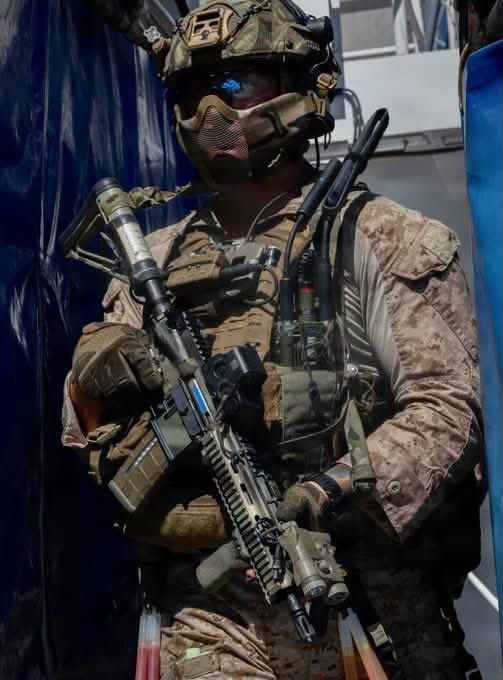
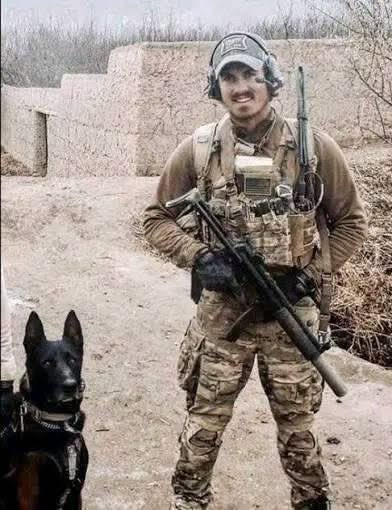
US Army Chief Warrant Officer Michael Stephen Duskin, 42, of Orange Park, Fla., died on October 23, 2012 of wounds received from small-arms fire in Wardak Province, Afghanistan. May he Rest In Peace...
– DE OPPRESSO LIBER –
#USArmy#Greenberets#Afghanistanwar #Specialforces #History
Rest In Peace...
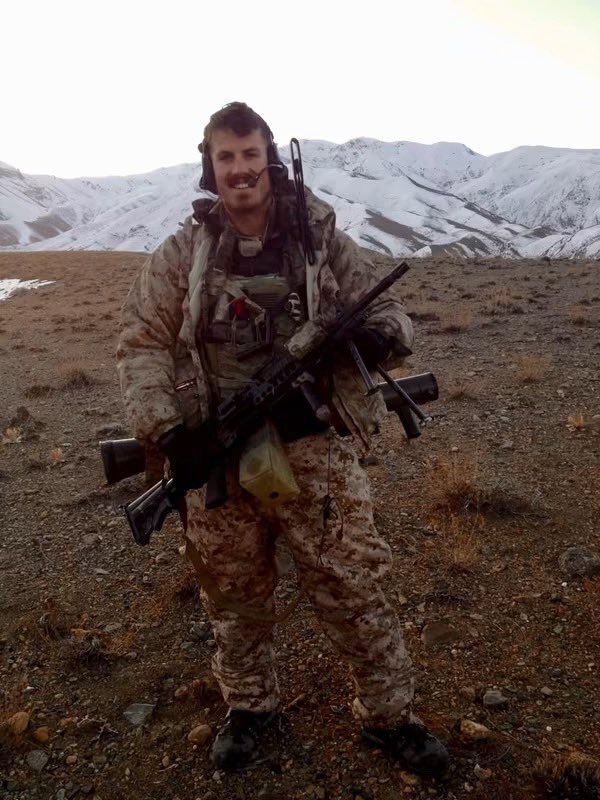
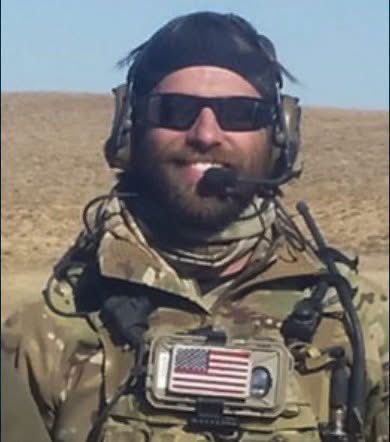
US Army Green Beret Joshua Townsend died January 16, 2009, from a non-battle death incident at US.military Fire Base Ripley, Tarin Kowt district, Uruzgan province, Afghanistan.
SSG Townsend was assigned as a Weapons Sergeant to Charlie Company, 1st Battalion, 7th Special Forces Group, where he served until his death.
—De Oppresso Liber
#Greenberets #Specialforces #History #Militarylife
Rest In Peace...
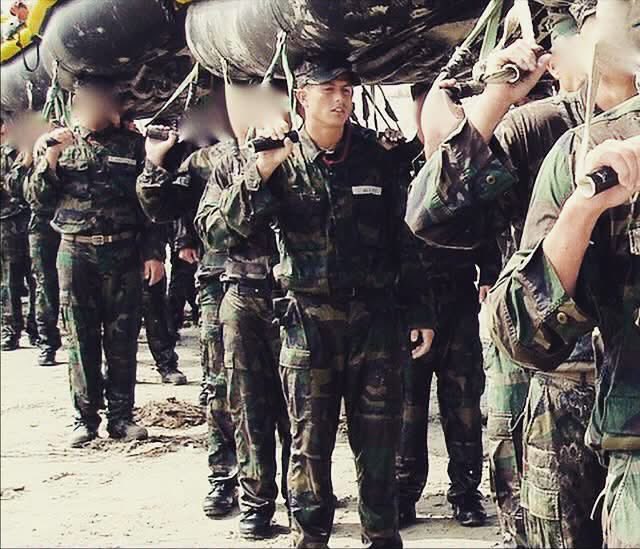
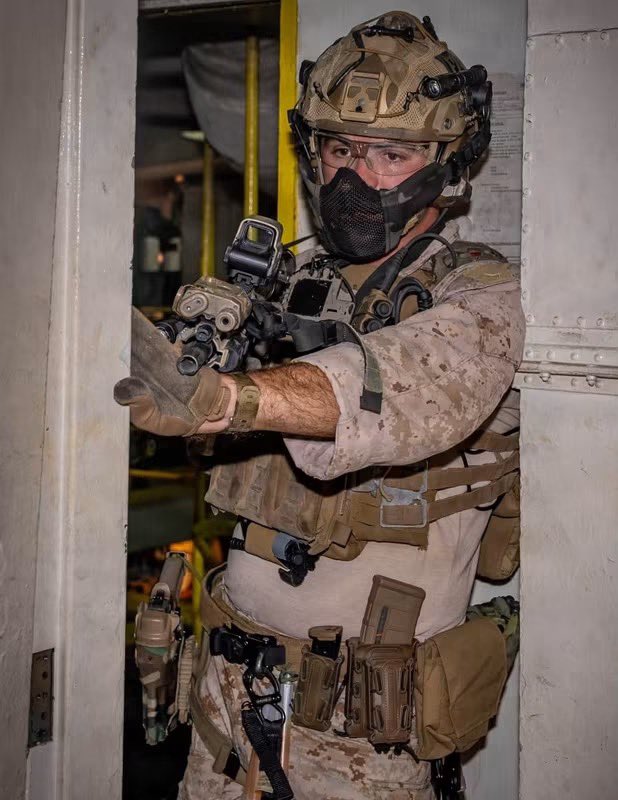
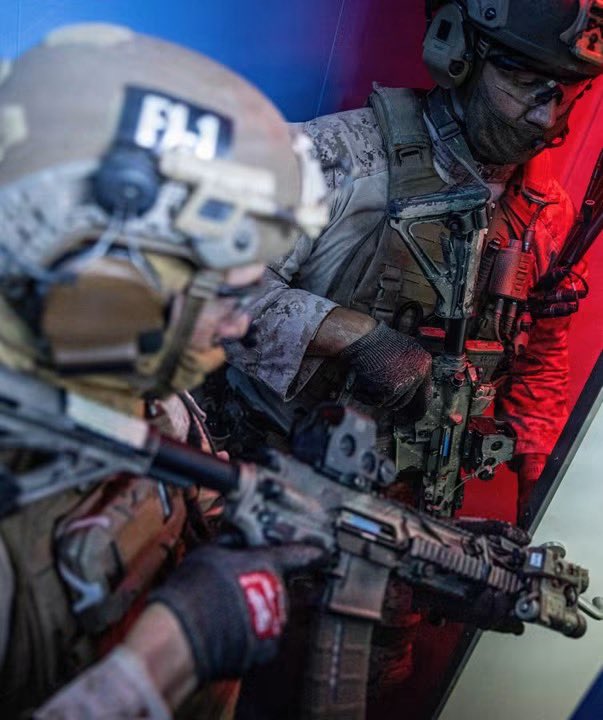
On February 19, 2023, US Navy SEAL Michael Thomas Ernst passed away during a skydiving training accident. Ernst was born and raised in Cohasset, Massachusetts, a coastal town south of Boston. While on a trip to a Holocaust concentration camp, Ernst felt the despair and sense of evil that existed. He felt driven to make the world a better place. This is what inspired him to join the Navy in 2010.
Throughout his career, Ernst received numerous medals, including Silver Star, Defense Meritorious Service Medal, Joint Service Commendation Medal with Combat Device, Army Commendation Medal, four Navy and Marine Corps Achievement Medals, three Combat Action Ribbons, and Presidential Unit Citation.
#NAVYSEALS #usnavy #Specialforces #History #Militarylife
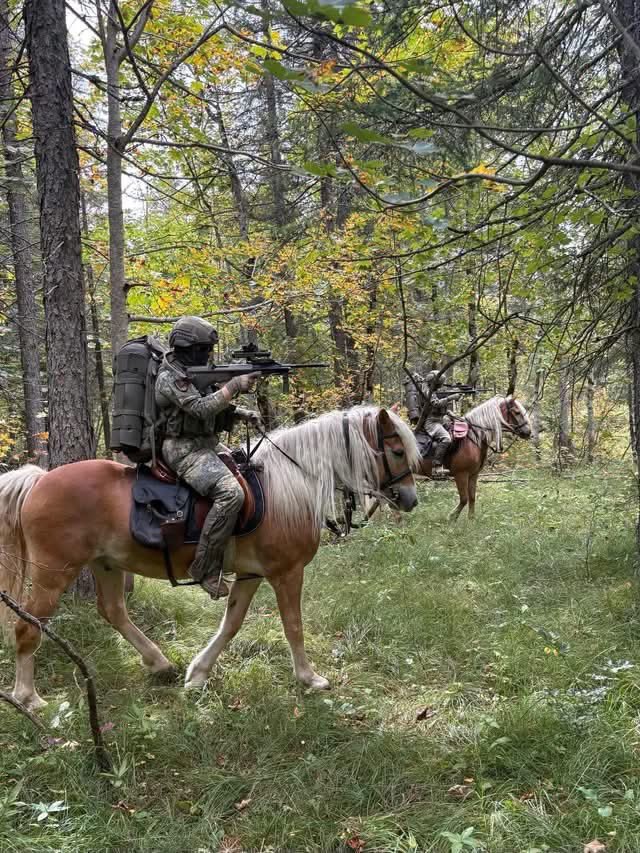
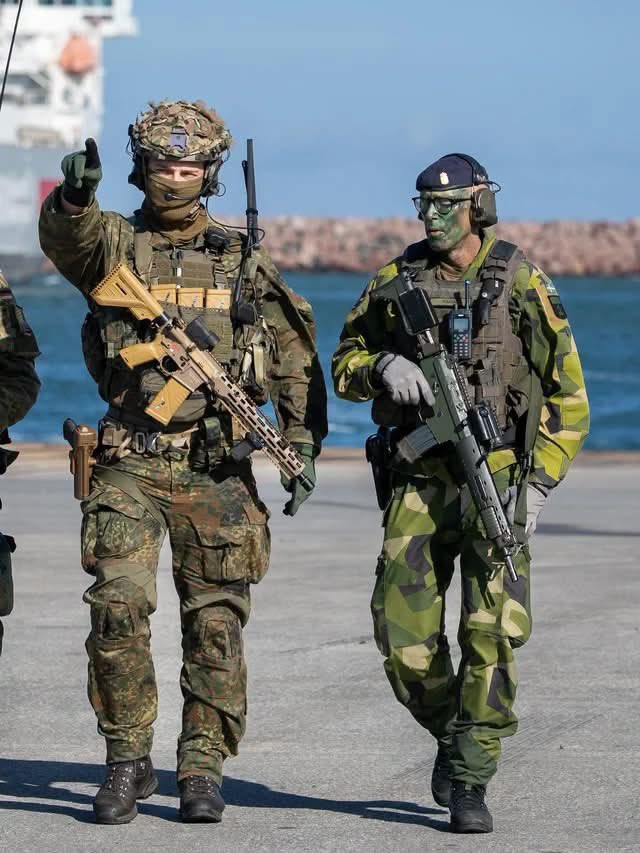
German and Swedish soldiers pictured during Exercise Silver Wotan on Gotland, which ran September 14 to 23, 2026, and concludes today. This was the first-ever joint German-Swedish rehearsal of the rapid-reinforcement plans for the Baltic island, and it marks a genuinely significant moment for NATO's northern flank.
The Veer-6 ballistic shield belonging to Captain Viktor Timofeev of the Tyumen SOBR, Russia's Special Purpose Mobile Unit, recovered after an assault operation in Derbent, Dagestan, in May 2016. The shield bears visible marks of intense, sustained gunfire, scarring from rounds fired by armed militants holed up inside an apartment during the operation.
The broader incident sits within a brutal period of militant violence across Russia's North Caucasus that spring, with Islamic State-affiliated fighters claiming responsibility for a string of attacks on police in Dagestan throughout 2016, including strikes in Derbent specifically. SOBR units, Russia's elite rapid-response paramilitary police, are typically the ones sent in to clear exactly this kind of barricaded, heavily armed position, close-quarters urban combat against an entrenched enemy with nowhere left to retreat.
The Veer-6 itself is a heavy ballistic shield built to stop small arms fire at close range, allowing an assault team to advance under direct gunfire while absorbing hits that would otherwise be fatal. Reports indicate Captain Timofeev sustained a severe wound to his femoral artery during the operation, an injury that proved fatal despite the shield's protection, a stark reminder of how narrow the margin for survival remains in this kind of fighting even with the best available equipment.
Jonathan "MrBallen" Allen is the storyteller behind the popular "Strange, Dark and Mysterious" videos and the hit podcast that followed. Before the flannel and the campfire cadence, he was a U.S. Navy SEAL.
A Quincy, Massachusetts kid who dropped out of UMass Amherst after one semester before eventually returning and graduating with a philosophy degree in 2010, Allen enlisted right after college, and made it through one of the toughest pipelines in the military, graduating SEAL Qualification Class 291 in 2012. He served with SEAL Team Two from 2012 to 2017, deploying to Afghanistan in November 2013.
His service came with real cost. During a deployment on Easter Sunday 2014, his team took fire from Taliban fighters in a rooftop firefight in a small Afghan town, and in the chaos of their exit, ran into more enemy combatants. He was wounded by an enemy fragment grenade in the fighting, earning him the Purple Heart, alongside the Navy Commendation Medal with a Valor device.
After leaving the Navy, he co-founded Elite Meet, an organization helping veterans find employment, before launching his YouTube channel in 2020. Today he runs Ballen Studios and the MrBallen Foundation, which funds therapy, scholarships, and direct support for crime victims and their families, work he's said is shaped directly by his own firsthand understanding of trauma and loss.
Marine Corps Force Reconnaissance and Navy SARC, Special Amphibious Reconnaissance Corpsman, 2026. It's a pairing that reflects one of the tightest, least-known partnerships in the entire special operations community, a Navy medical specialty built specifically to embed inside a Marine unit rather than serve alongside it from a distance.
24th STS airmen posing underwater. As our Air Force SMU, they carry a demanding requirement that often gets overlooked, the ability to go anywhere the Army and Navy SMUs go, insert the same way, operate in the same denied environments, and still bring their own distinct mission set with them once they're there.
An Army SMU operator rocking a black hoodie and black Altama Maritime Assault shoes while preparing to breach. It's a look that captures something real about how special operations forces actually dress, function first, tactical polish a distant second.
An LAPD SWAT officer reportedly took cover with a World War II-era German MP40 during the May 17, 1974, shootout with the Symbionese Liberation Army in South Los Angeles, according to reports that the newly formed SWAT unit drew seized weapons from the department's property room as officers faced SLA members armed with automatic weapons.
The shootout itself remains one of the most intense firefights in LAPD history. After a tip from a neighbor about a group playing with automatic weapons inside a small house on East 54th Street, roughly 400 to 500 officers surrounded the location. Rather than surrender, SLA members opened fire, and what followed was close to an hour of continuous gunfire, with thousands of rounds exchanged in total. Tear gas used during the standoff sparked a fire that ultimately burned the house down, and when it was over, six SLA members were dead, including leader Donald DeFreeze.
The battle came just months after the group's most infamous act, the kidnapping of newspaper heiress Patty Hearst, and it effectively broke the organization's back as a functioning militant group. It's also remembered as a genuine early test for LAPD SWAT itself, a unit still finding its footing barely five years after its 1967 founding, facing an enemy with more firepower on hand than the department had originally equipped its officers to counter, which is exactly the kind of situation that would explain reaching for whatever was available, seized weapons included, if that detail holds up.
U.S. Secret Service Agent Robert Wanko, far left, with an Uzi submachine gun moments after the March 30, 1981, shooting of President Ronald Reagan outside the Washington Hilton. John Hinckley Jr. fired six rounds in just 1.7 seconds, wounding Reagan, White House Press Secretary James Brady, police officer Thomas Delahanty, and Secret Service Agent Tim McCarthy, who took a round to the chest after stepping directly into the line of fire to shield the president.
In the chaos of those seconds, agent Jerry Parr shoved Reagan into the limousine, a civilian bystander tackled Hinckley to the ground, and agent Dennis McCarthy dove on top of him to secure the scene. Wanko's role was different but just as critical, he pulled an Uzi from a briefcase to cover the president's evacuation and deter any coordinated follow-up attack, the first time the public had ever seen the Secret Service openly carrying a weapon like that. The sixth and final round ricocheted off the limousine's armored side and struck Reagan under his left arm, grazing a rib and lodging in his lung less than an inch from his heart.
Reagan survived and was hospitalized for 12 days. Brady was left permanently paralyzed and, decades later, his death was ruled a homicide tied directly to those injuries. Hinckley was found not guilty by reason of insanity and remained under psychiatric supervision for over three decades before his eventual release. A single photograph capturing the exact moment America's protective service shifted from quiet vigilance to visible, armed readiness.
A vintage can of M1911 pistols at Springfield Armory. Reportedly, this is how the U.S. military packed pistols for airdrops.
Sealed storage cans like this one were a standard part of military logistics for keeping weapons protected from moisture and corrosion during long-term storage or shipping, whatever the specific means of delivery in this particular case. A genuinely striking piece of small arms history either way, a full can of one of the most iconic handguns America ever fielded.