$SPECTRAL is now live on https://t.co/MHH0NTCPIG.
7MK1KMamq3edSkNSa9sYhzJcKBJSkDkPa6SXPK3Upump
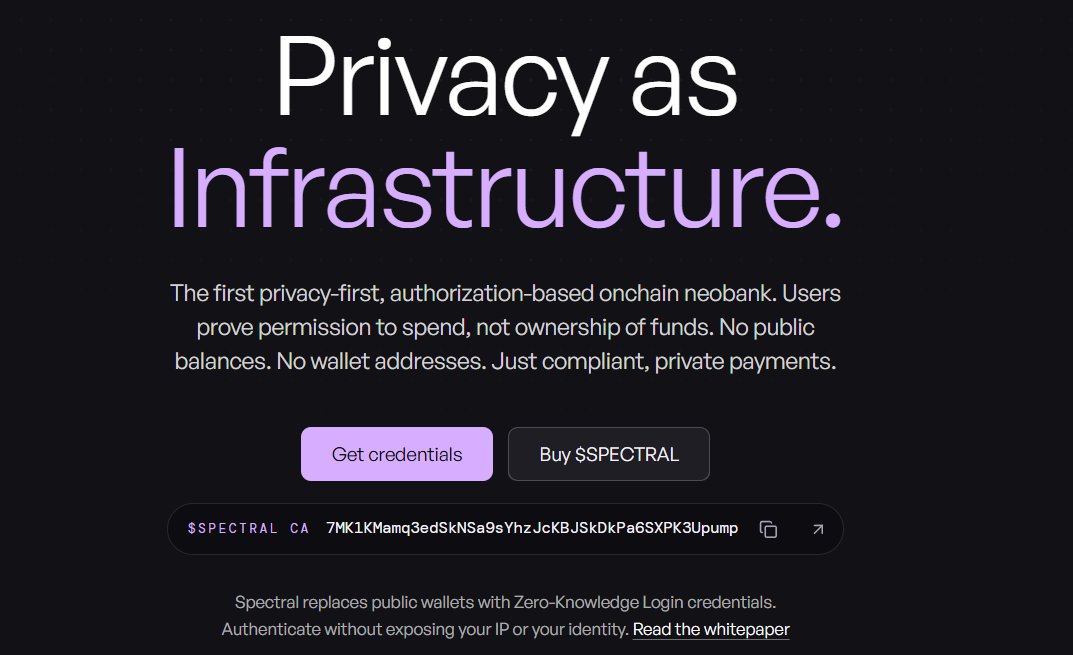
Spectral is building authorization-based private payments on Solana, powered by ZK credentials, shielded liquidity, and relayer execution.
The transition from roadmap to reality begins with Spectral v0.1.0 now live on Solana mainnet.
We are turning the concept of default privacy into accessible, daily infrastructure. A Spectral account eliminates the friction of legacy Web3:
- No seed phrases to lose.
- No public addresses to leak.
- No open balances for public explorers to index.
Instead, three core pillars carry the entire experience: ZK Identity, Shielded Liquidity, and Invisible Execution.
Privacy isn't a feature we bolt on later. It is the floor the rest of the bank stands on.
Get your credentials and start moving money quietly.
https://t.co/1gSL5f9vG0
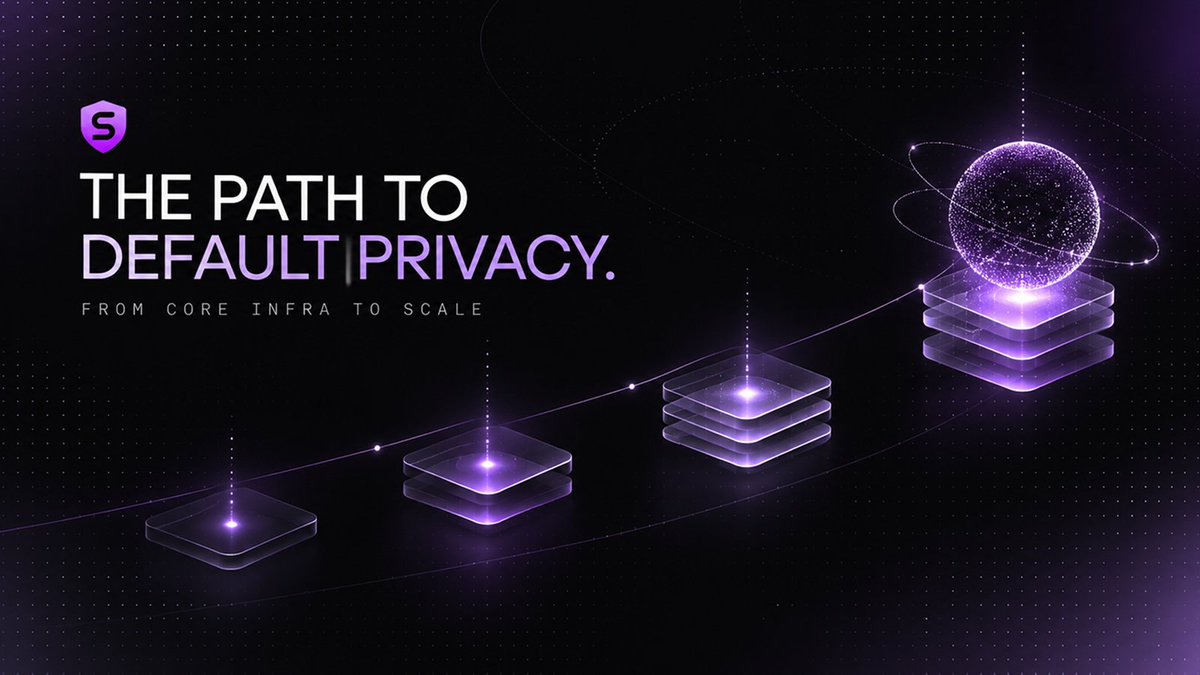
Spectral is building toward default privacy for onchain finance.
The roadmap moves through four stages: core infrastructure, compliance controls, network growth, and scale.
That path expands Spectral from ZK Login, shielded liquidity, and relayer execution into recurring payments, private payroll, and treasury infrastructure.
Private finance should become ordinary infrastructure.
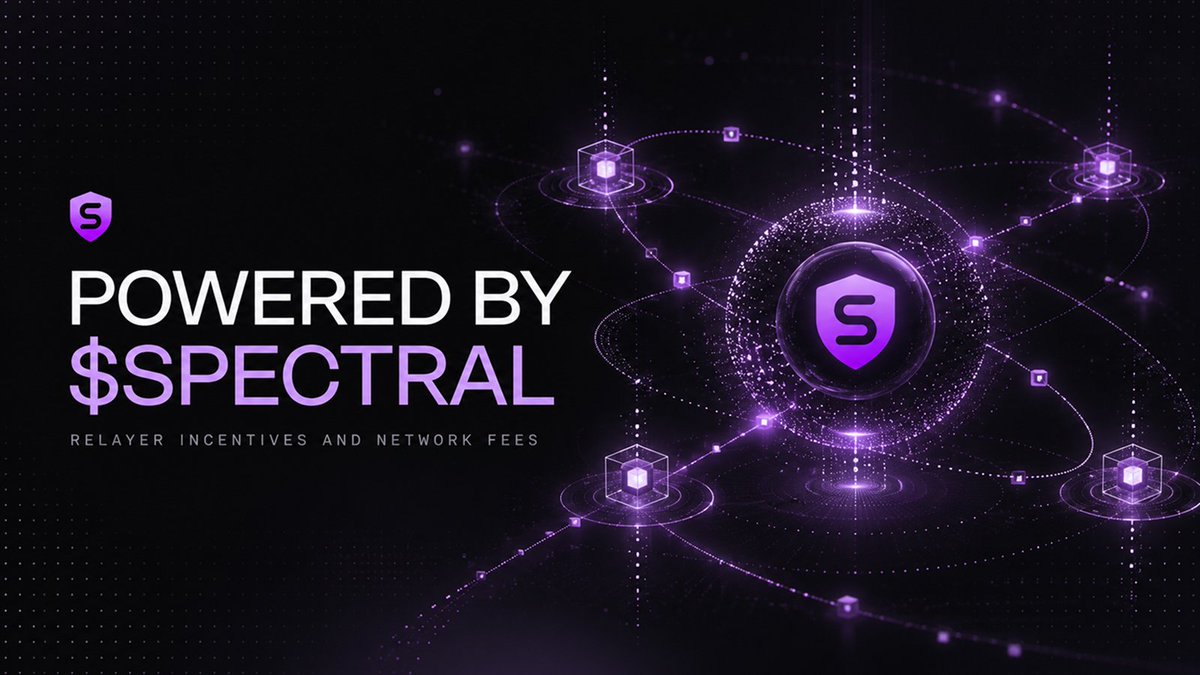
$SPECTRAL is tied to network participation.
Relayers earn for carrying and verifying authorization proofs across the protocol. Governance, fee shielding, and the protocol treasury extend that role beyond a simple reward token.
As private payment activity grows, the network has more proofs to process and more infrastructure to coordinate.
$SPECTRAL powers the operators behind that system.
Privacy should end at the point of authorization, not at the point of settlement.
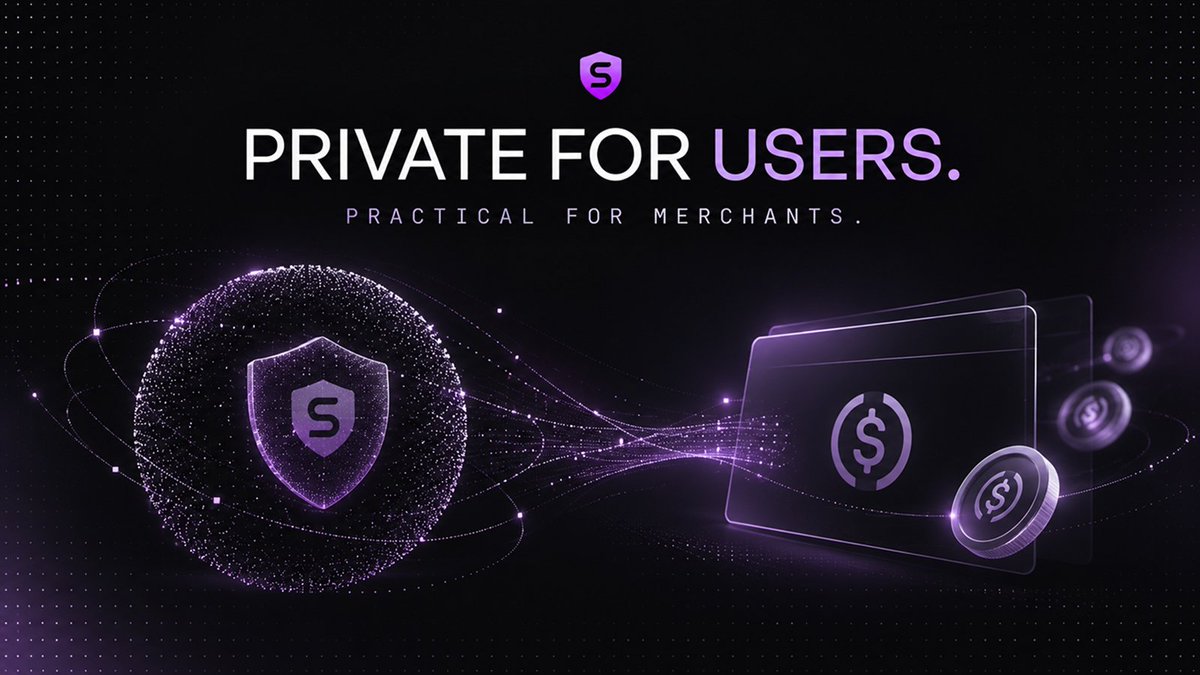
Spectral keeps the user side shielded while merchants receive standard USDC or USDT through the settlement layer.
That means private payment authorization can still end in assets businesses already know how to account for and use.
Private for users. Practical for merchants.
How to use your Spectral card on Binance.
In this demo, we walk through the payment flow step by step, from entering your Spectral card details to completing the transaction on Binance.
Simple on the surface. Spectral handles the authorization behind it.
Watch the full flow.
Here are the cards created with Spectral.
Generated directly through Spectral and ready for real-world payment flows.
From private authorization to a usable card experience, this is what Spectral looks like beyond the protocol layer.
Privacy infrastructure you can actually use.
We’re preparing a demo showing how to create a Spectral card and use it for a payment on Binance.
From card creation to private authorization and payment, we’ll show the full flow step by step.
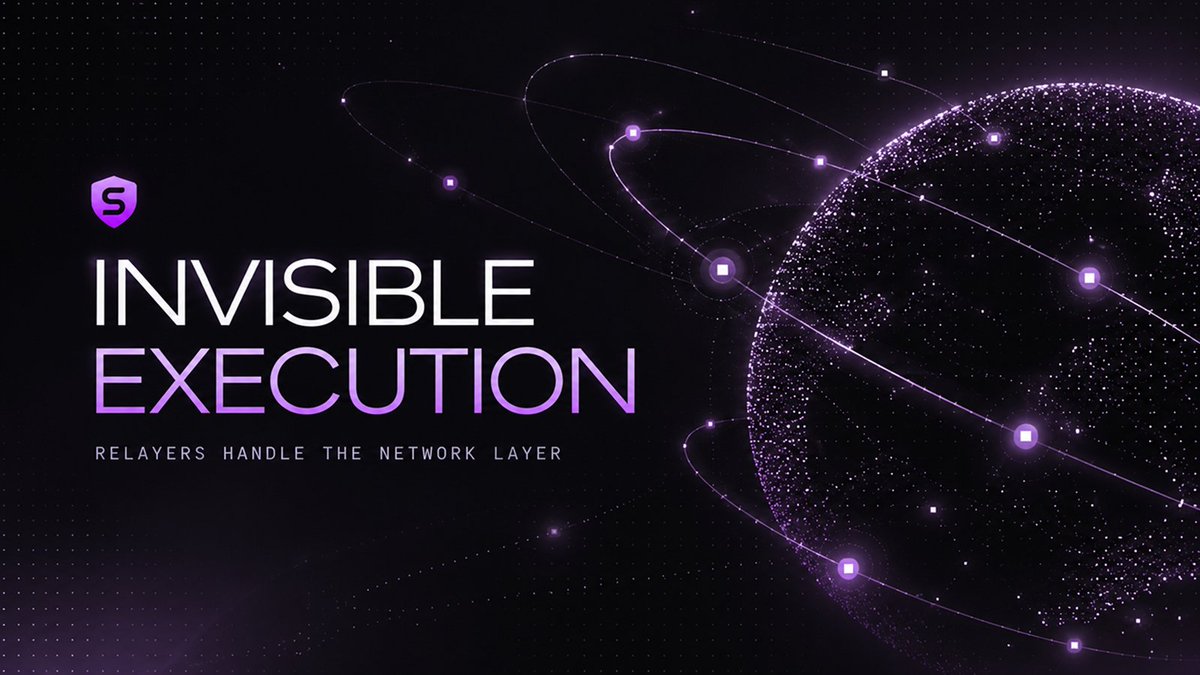
A private payment should expose as little as possible during execution.
With Spectral, the user authorizes a payment and the relayer network handles verification, transaction submission, and the Solana network fee.
The execution layer stays in the background while the payment moves forward.
Invisible execution, by design.
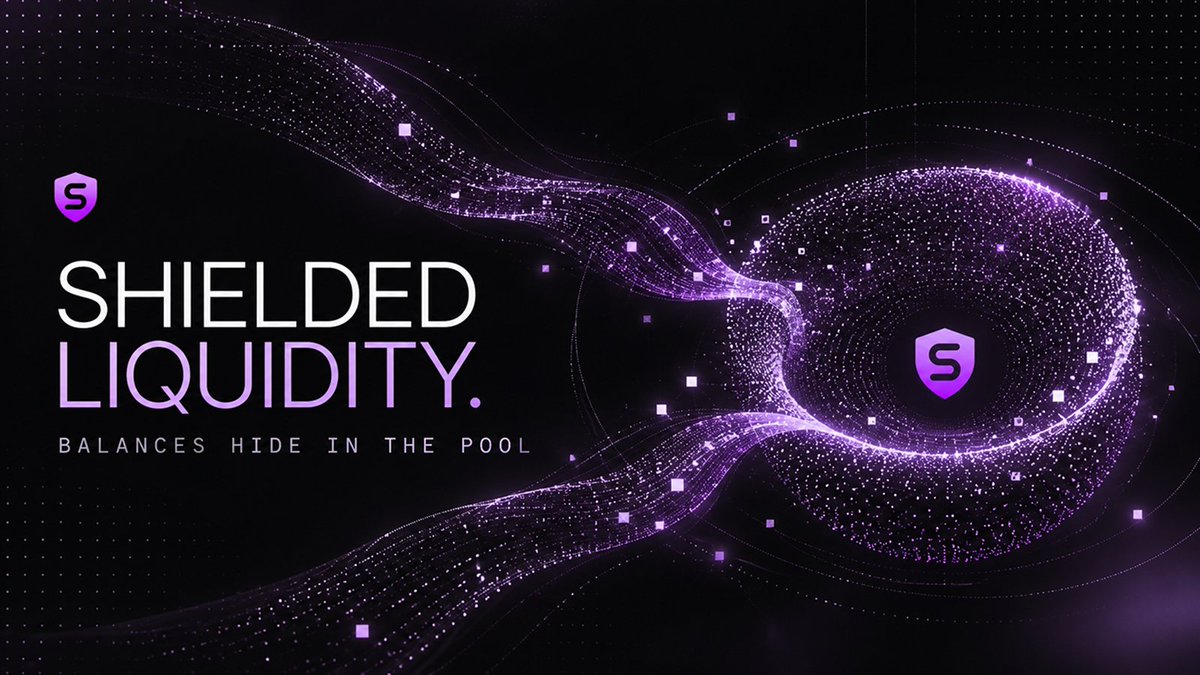
Your balance should disappear into the pool, not sit on a public address.
In Spectral, deposits enter shared shielded liquidity. Spending happens through authorization proofs instead of reading from a publicly visible wallet balance.
The pool keeps funds private while the protocol handles verification and settlement.
Privacy lives in the liquidity layer.
A public wallet ties spending to an address and a visible balance.
Spectral uses a different model. A ZK credential proves spending authority against shielded liquidity, and the network verifies the proof without making the account balance public.
Authorization becomes the primitive.
This is authorization-based banking.
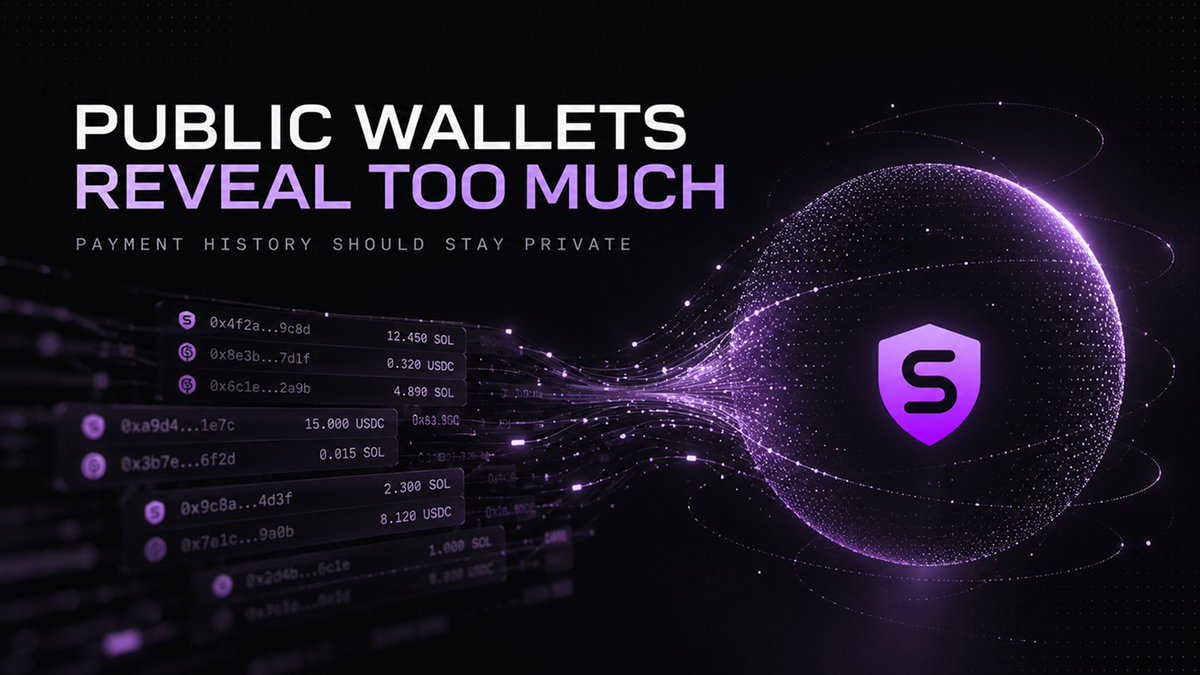
A public wallet can become a permanent financial profile.
Once an address is linked to you, balances, transfers, counterparties, and transaction history can be analyzed from an open ledger.
Spectral is designed around private balances and proof-based authorization, so everyday financial activity does not need to live inside a publicly readable account.
Your payment history should not be public infrastructure.
🔐 Just locked 17,290,068 $SPECTRAL tokens with @Streamflow_Fi
It's on-chain. You can check the amount, time-period and recipients.
Check it out👇
https://t.co/mx6SleUQqB
Public ledgers make financial activity legible by default.
Spectral starts with authorization. ZK credentials prove permission to spend, while shielded liquidity keeps balances private and relayers handle execution on Solana.
Private payments, built into the infrastructure from day one.
Privacy as Infrastructure.