As a teacher, I didnt expect to receive a 5 Michelin star meal, but I did expect to be at least treated with decency after going inside to pay for my meal after not being promoted to do so after ordering at the drive thru.
Please assist.
@Popeyes im so disheartened having to type this up. On my way home from work, I stopped at Popeyes on Gentilly Blvd in New Orleans, LA to order a mild chicken sandwich. I was told to wait at the curb & also was given a sandwich that consisted of simply bread & chicken.
I'm truly disappointed because I paid full price for my meal and came home to essentially unpackage disappointment. I called the store but my call was not answered. I assume they have no intention of remedying the issue and wanted to make sure this was stated somewhere.
@AMCTheatres I was also made to pay for a ranch sauce for my other chicken tender order. To make the situation more repulsive, I was refused ketchup for my French fries.
This experience was not worth my money.
@AMCTheatres I just ordered two chicken tenders orders, sliders, two large drinks, and an order of fries at your theater in AMC Elmwood Palace 20. To my displeasure, after spending $80+ dollars at the concession stand, not only were both orders of tenders scorched….
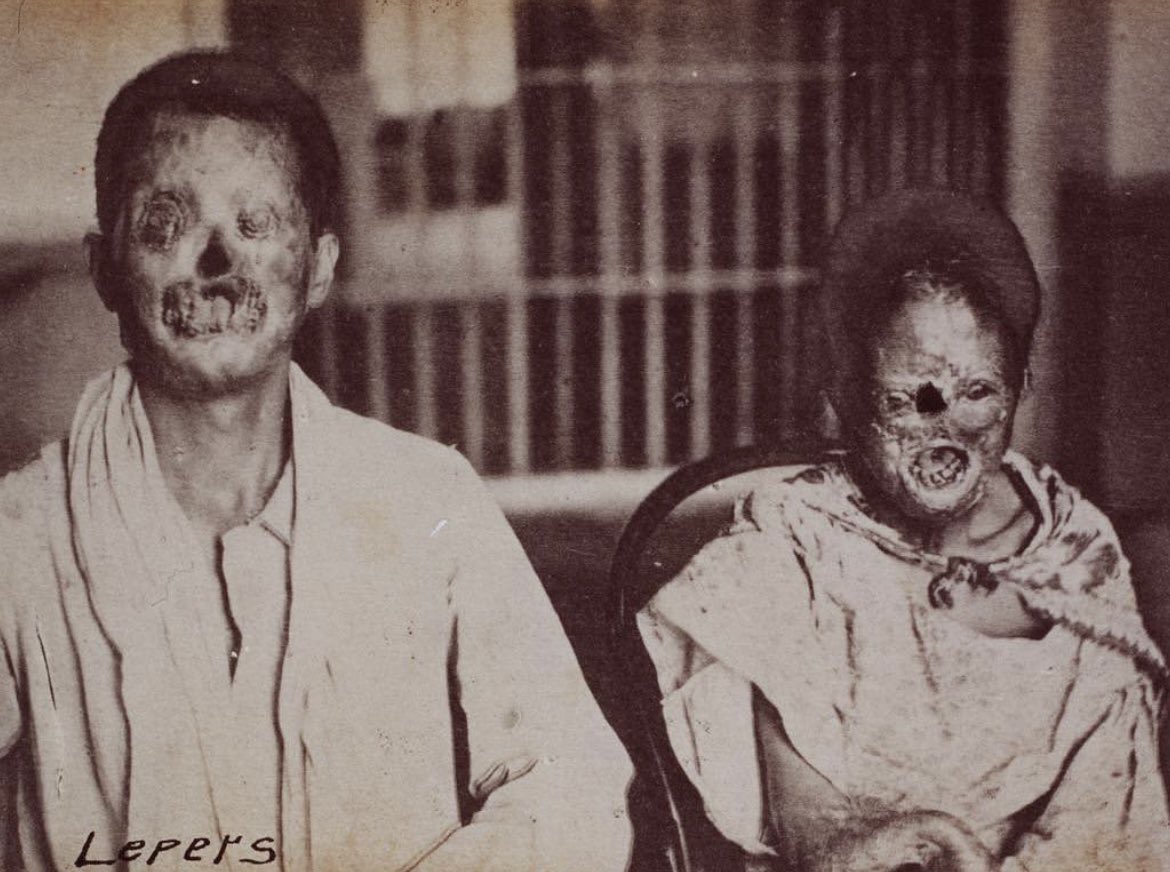
Leprosy, also known as Hansen's disease, is a chronic infectious disease caused by the bacterium Mycobacterium leprae. It primarily affects the skin, peripheral nerves, and mucous membranes, leading to skin lesions and nerve damage. In the 1890s, China faced significant challenges in dealing with leprosy and providing adequate care for affected individuals.
During that period, leprosy was a stigmatized and misunderstood disease, often associated with fear and social isolation. The lack of knowledge about the transmission and treatment of leprosy resulted in the mistreatment and discrimination of affected individuals. They were often ostracized from their communities, leading to a life of exclusion and hardship.
Leprosy's progression can be severe in some cases, particularly when nerve damage occurs. The disease can cause the loss of sensation in the affected areas, leading to the inability to feel pain, touch, or temperature changes. This lack of sensory perception puts individuals at a higher risk of sustaining injuries or developing unnoticed infections.
In the context of leprosy patients in China during the 1890s, those with advanced nerve damage were particularly vulnerable. Due to the absence of pain, injuries such as cuts, burns, or ulcers could go unnoticed. Without appropriate treatment and care, these injuries could become infected and lead to the gradual loss of extremities, such as fingers, toes, or even entire limbs.
The loss of extremities had significant physical, emotional, and social implications for the affected individuals. It affected their ability to perform daily tasks, impacted their self-esteem, and further contributed to the stigma surrounding leprosy. In addition to the physical challenges, the patients often faced limited access to medical care and support, exacerbating their difficulties.
It's worth noting that medical understanding and advancements in the treatment of leprosy have improved significantly since the 1890s. Today, leprosy is curable with multi-drug therapy (MDT), which effectively kills the bacteria and prevents the progression of the disease. Early diagnosis, proper medical care, and social support systems play a crucial role in preventing the physical and social consequences faced by leprosy patients in the past.
Started back reading ‘Medical Apartheid” with the intention of finally finishing it. I'm on the chapter that expounds on the Tuskegee Experiment or (Syphilis Study) in great detail. 🥺
Affirmative action was never a complete answer in the drive towards a more just society. But for generations of students who had been systematically excluded from most of America’s key institutions—it gave us the chance to show we more than deserved a seat at the table.
In the wake of the Supreme Court’s recent decision, it’s time to redouble our efforts.