https://t.co/JGlYRIufWy
Inspired by Barbara's quote this week, we hope our Spoken Injustice explanatory videos bring clarity to complex topics, fostering understanding and helping to reduce fear.
https://t.co/73qJA6yCyH
Not all wrongful convictions are the same.
Sometimes the wrong person is convicted for a real crime.
But sometimes there is no crime at all.
https://t.co/LLGYb3JjtR
Before asking "Who did it?", we should ask: "Did it happen at all?"
Our latest video explores manufactured crimes, where people are accused, prosecuted and sometimes convicted for crimes that may never have occurred.
https://t.co/sL7wAbDiL8
Every year, innocent people are wrongfully convicted
From reviewing evidence to identifying patterns humans might miss, AI has the potential to support a more accurate justice system but it also raises important ethical questions. What do you think?
@OldLodskins Accountability can undoubtedly act as a strong deterrent. However, before accountability and consequences can meaningfully exist, the system must first be willing to acknowledge that failures and mistakes can occur.
https://t.co/w7JBly4eGJ
This week we examine how miscarriages of justice happen; from disclosure failures and false confessions to tunnel vision, flawed expert evidence and the controversy surrounding the Court of Appeal.
We also ask: could AI help prevent wrongful convictions?
https://t.co/tdZBHZOXE2
Who decides whose voice gets heard?
Should prison rules prevent someone who claims they were the victim of a miscarriage of justice from speaking to the media?
https://t.co/NyDRGpnItd
We are back and this is what we are covering this week:
- Judicial accountability
- Prisoners banned from speaking to journalists
- The Malkinson inquiry moves forward
Can our justice system truly hold itself accountable when things go wrong?
https://t.co/CYtduuNjnl
After three years and almost 400 videos, we are taking a brief pause to reflect and rethink the next chapter of Spoken Injustice.
This isn’t the end; just a moment to come back stronger.
Thank you for your trust and support thus far.
https://t.co/Pud9RrAoyZ
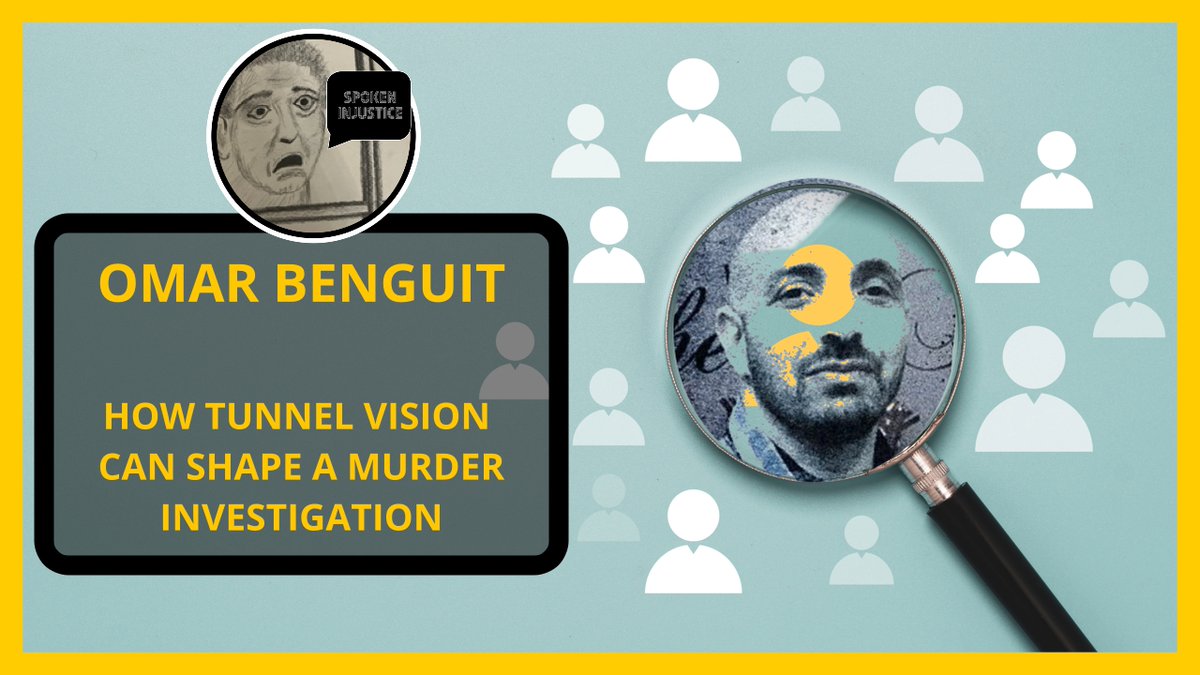
Three trials. Conflicting witnesses. Hidden CCTV. Allegations of police shaping witness statements.
The Omar Benguit case highlights investigative bias, how hard it is to overturn convictions and the impossible dilemma for prisoners maintaining innocence.
https://t.co/1TtNCrfpfl
This short examines the critical importance of reliable evidence at trial and the structural constraints of the appeal process, drawing lessons from the Lucy Letby case.
@j_wallwork That illustrates how difficult and often misunderstood the concept of joint enterprise is.I would not necessarily regard the jurors’ action as reckless, since the restriction on own research appears to relate to the specific facts of the case rather than to a general point of law
https://t.co/lD5ddL6cQL
Wrongful convictions don’t start with appeals, they start at trial. And the Courts and Tribunals Bill could reshape the safeguards that protect it.
https://t.co/uOyoFyUcXg
Court backlogs dominate the justice reform debate. But what if one of the key drivers isn’t being talked about enough? Overcharging may be contributing to Crown Court congestion and we should understand that before weakening trial safeguards.