@gregthephysio Be cautious basing any decision purely on MR reports. Can be structurally sound and Lachman negative. Or vice versa with a "partial" ACL.
What makes a champion?
An analysis of over 6,000 athletes found distinct differences between those who made it to world-class versus those who didn't progress from child star.
Similar research has been done on one-hit wonders and Nobel Laureates.
Here's what they found:
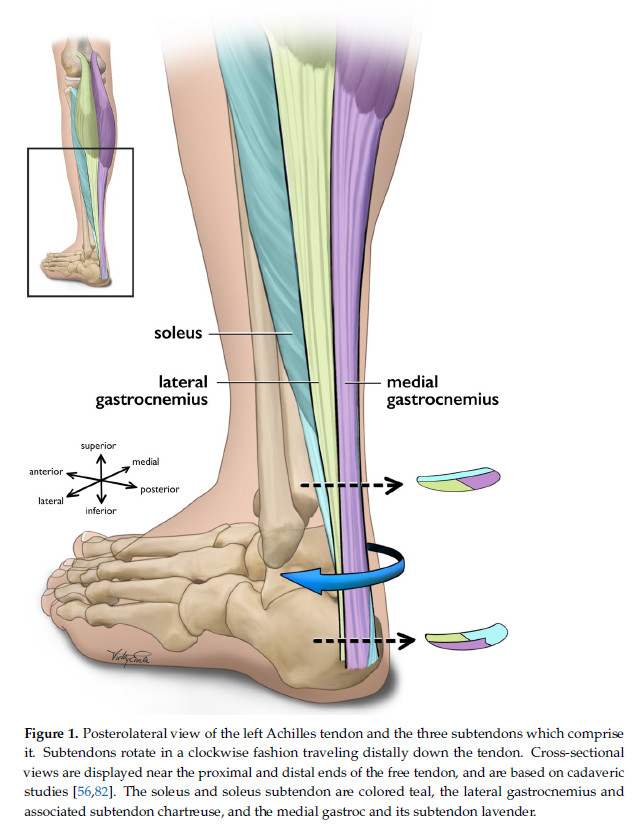
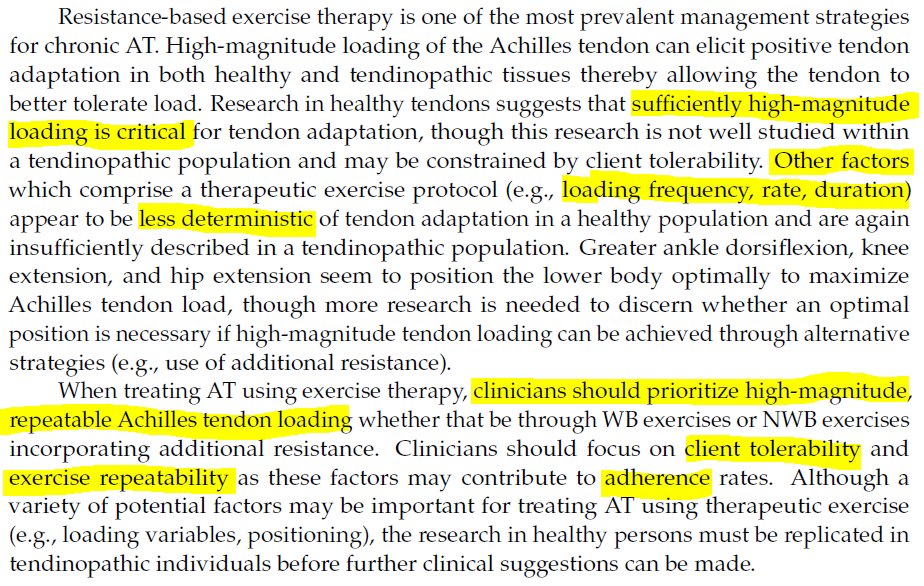
Really nice summary of the state of the art for managing Achilles tendonopathy here: https://t.co/sa7XEckpZq
#OpenAccess
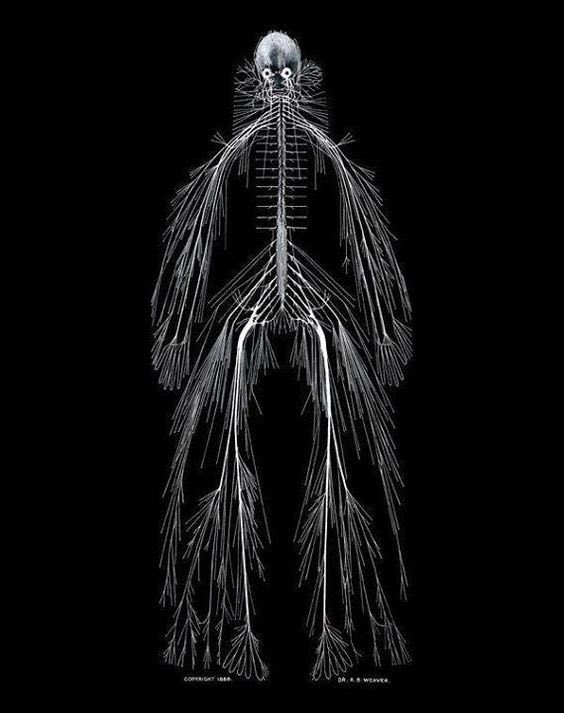
Come for the sexy Achilles tendon diagram, stay for Table 1's management prescription variables (Hint: get the load magnitude right)
@AdamMeakins Suggest that evaluation of healing on MRI is a poor surrogate of functional capacity. Often see ACLs that appear intact on MR with obvious Lachman positive and functionally incompetent in surgery. Non op is an excellent option... but not because the ACL heals functionally.
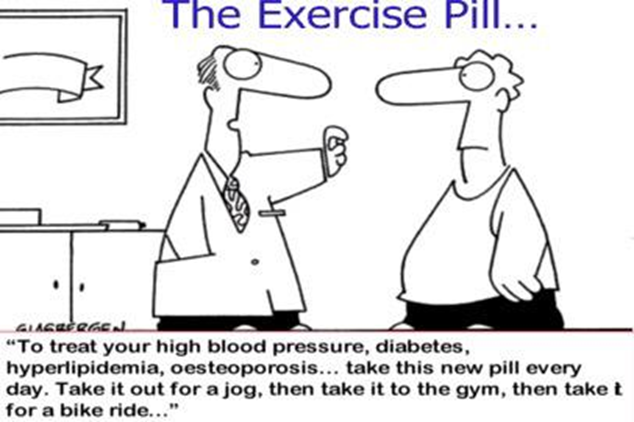
“If exercise could be packaged in a pill, it would be the single most widely prescribed and beneficial medicine in the nation.” -Robert Butler, National Institute on Aging. #RTP22@ESSA_NEWS
Where you told that ‘kissing knees’ or knee valgus increases the risk of ACL injury? 🤔
Well it just ain’t that simple! 😲
Knee position on single leg squat or drop jumps did not predict future ACL injury in 880 athletes!
https://t.co/YoaUsotqN3
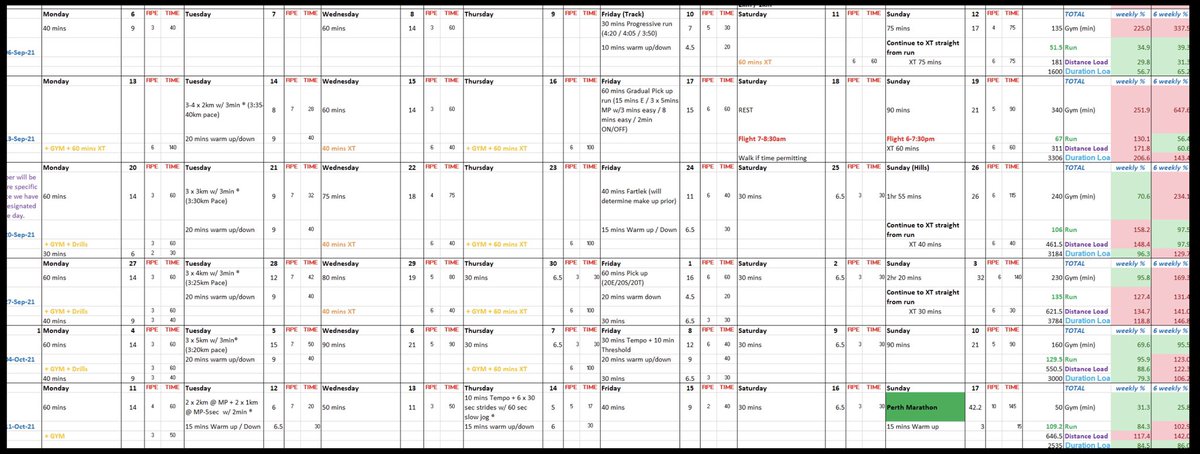
Training for a marathon can take a variety of approaches. Here is @JessTrengove’s 6 weeks leading into her PB at the Perth Marathon. Thanks for your trust in the process Jess.
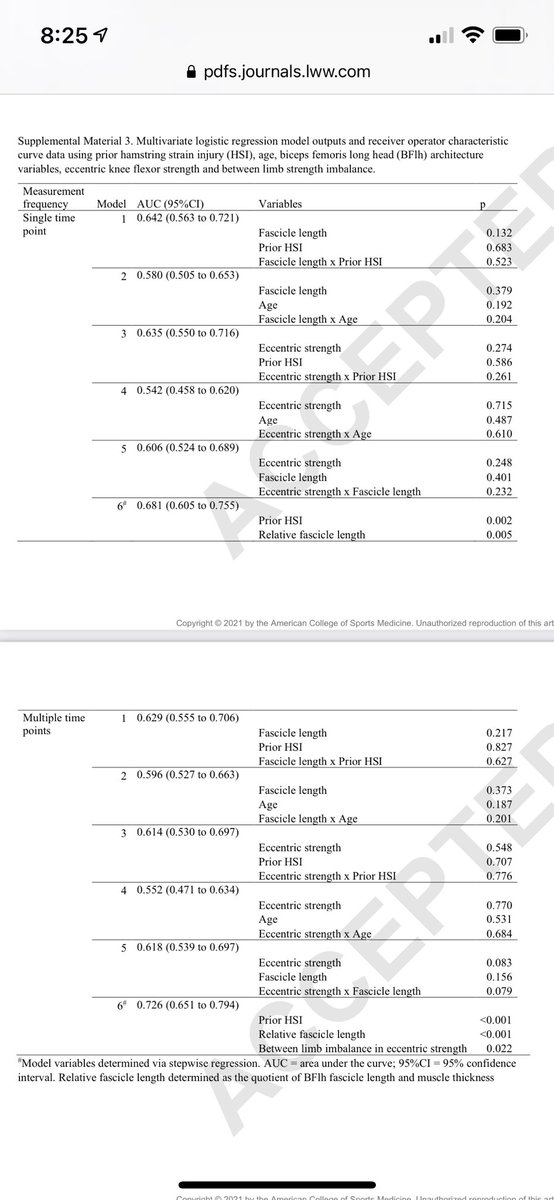
‘Screening Hamstring Injury Risk Factors Multiple Times in a Season Does Not Improve the Identification of Future Injury Risk’ @AFL data of 455 player seasons and 74 HSIs https://t.co/ao157SRYMq