A young think tank working to bridge the gap between public policy and academic research. We curate narratives to make public policy holistic and accessible.
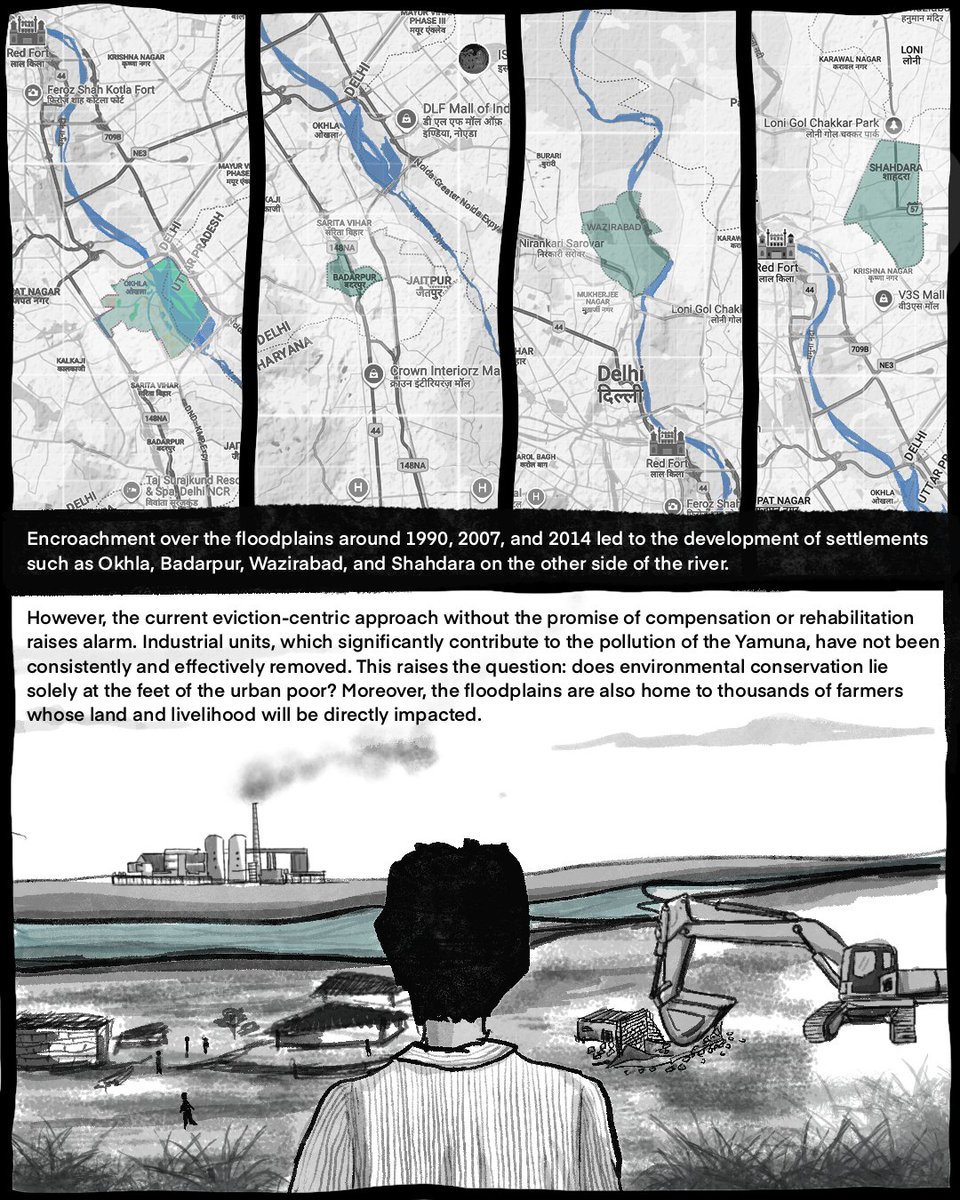
Can ecological goals be met without displacing the urban poor? Anusha Arif explores this tension in her latest Issue Brief. Read it now at sprf.
#yamunariver#urbanplanning#environmentaljustice
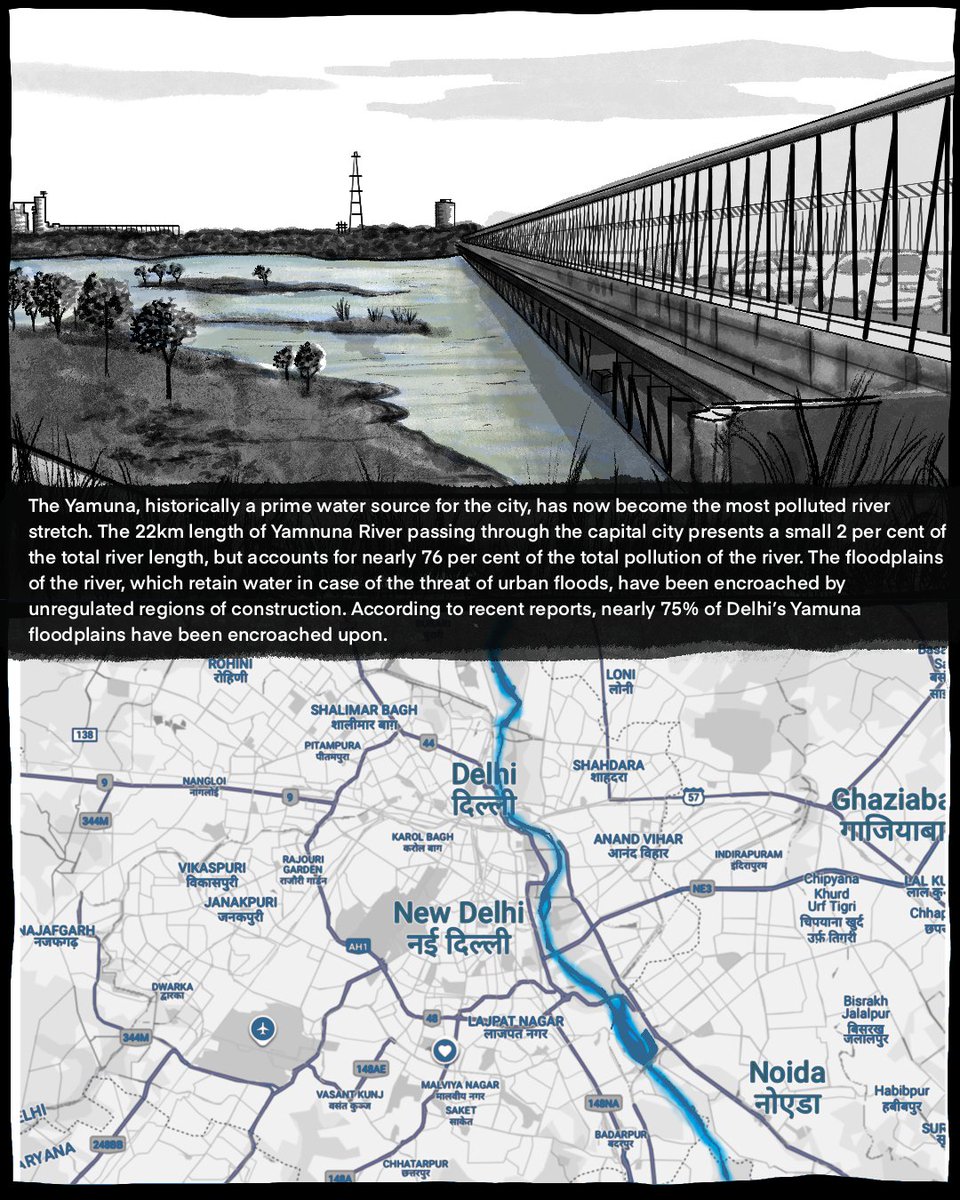
Delhi’s Yamuna stretch is just 2% of the river’s total length but contributes 76% of its pollution. Years of floodplain encroachment and slow action have pushed the river to the brink.
The Yamuna Riverfront Project promises restoration through biodiversity parks and eco-tourism. But with 75% of floodplains still encroached, who gets excluded in the process?
But circularity needs more than intent. Policy, industry, and consumer action must align. Can India lead this shift?
Read Aastha Bansal’s commentary on https://t.co/THnqQxtapJ to understand what it will take to transition towards circularity in textiles.
A Circular Textile Economy (CTE) offers a way forward - reuse, recycle, and redesign. It cuts waste, lowers costs, and builds sustainability into the textile value chain.
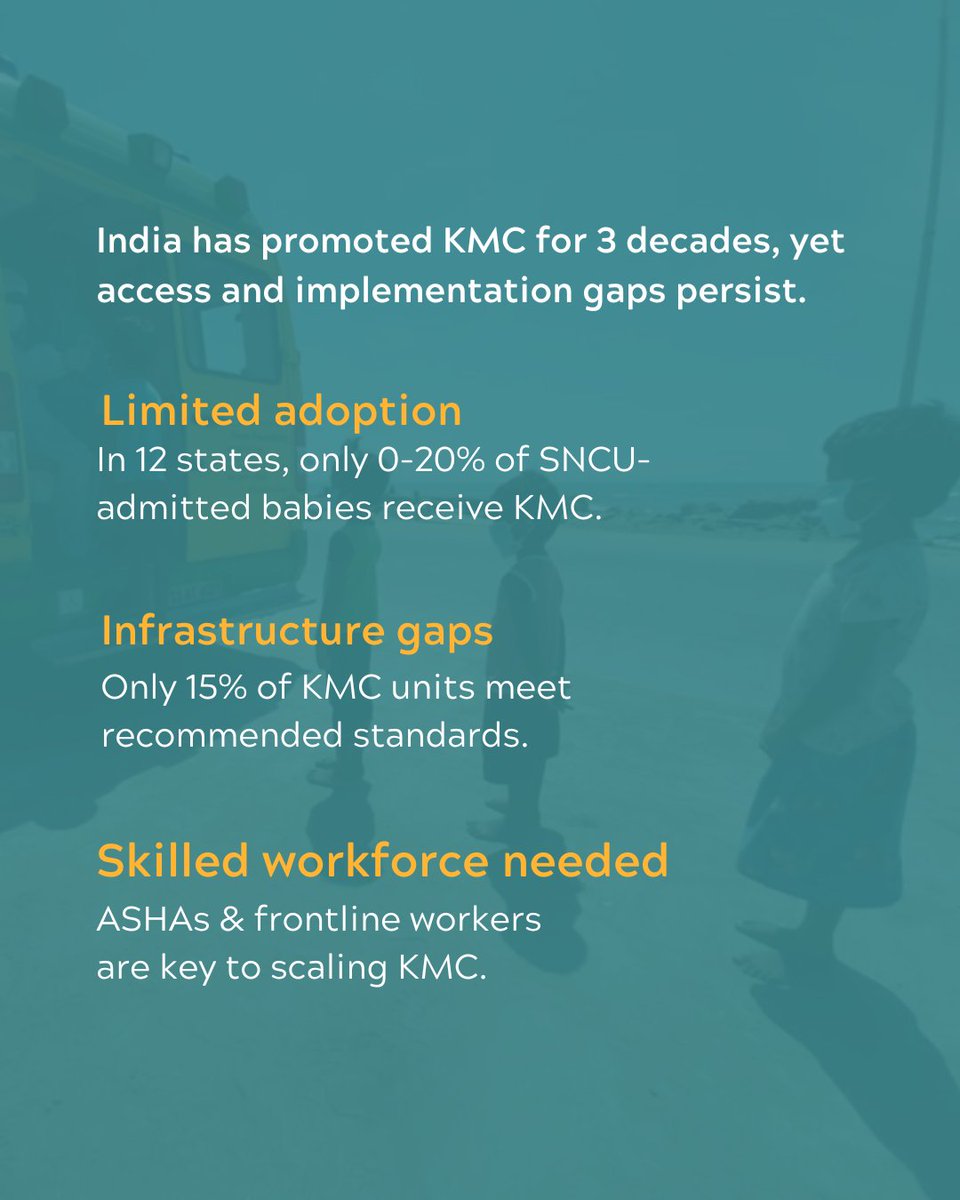
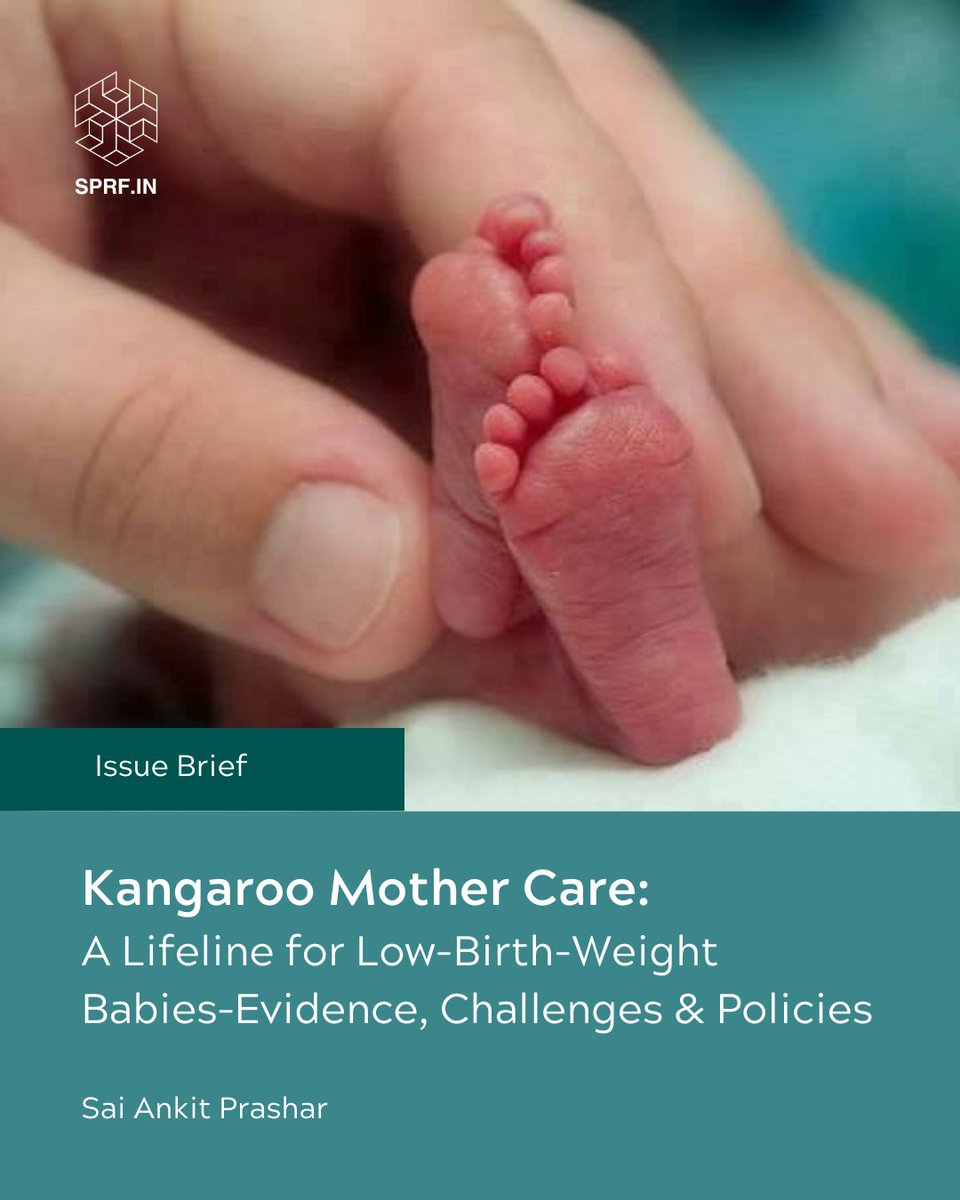
What’s holding India back? Gaps in infrastructure, training, and awareness. Read the full issue brief by Sai Ankit Prashar on https://t.co/THnqQxtapJ to know more.
India is being pushed into a corner with CBAM. Paying a carbon tax or losing exports, the choice is tough. To learn more, read Anusha Arif’s issue brief, “India vs. EU’s CBAM: Trade Wars & Green Tariffs” at https://t.co/tggM1VvvkV
The EU’s Carbon Border Adjustment Mechanism (CBAM) is being sold as a climate measure. But is it really just a trade barrier in disguise? A ₹15,600 per tonne carbon tax on Indian exports like steel and aluminium. Who does this help? Definitely not developing economies.
Developed economies spent decades outsourcing pollution to developing nations. Now, they impose a tax on imports to "fix" carbon emissions. India can’t match EU carbon prices without hurting its own economy. But should it have to? Is this climate action or a trade war?
What does this mean for the future of minority institutions in India? Read Vivek Varshney's latest paper "सुप्रीम कोर्ट ने अल्पसंख्यक शिक्षण संस्थान का दर्जा तय करने के लिए मापदंडों को उदार किया" at https://t.co/tggM1VvvkV.
#sprf#india#sprfindia#thinktank#policy#research
Will AMU finally regain its minority institution status? The Supreme Court has reaffirmed that Article 30 grants minorities the right to establish and administer their own educational institutions. Government funding alone cannot deny minority status.
#MinorityInstitutions#AMU
The Court overturned the 1967 Aziz Basha case, which denied AMU minority status by deeming it a central university. The final decision now lies with a regular bench.
#minorityrightsmatter#AligarhMuslimUniversity
Did economic reforms drive industrial growth at the cost of workers’ rights?
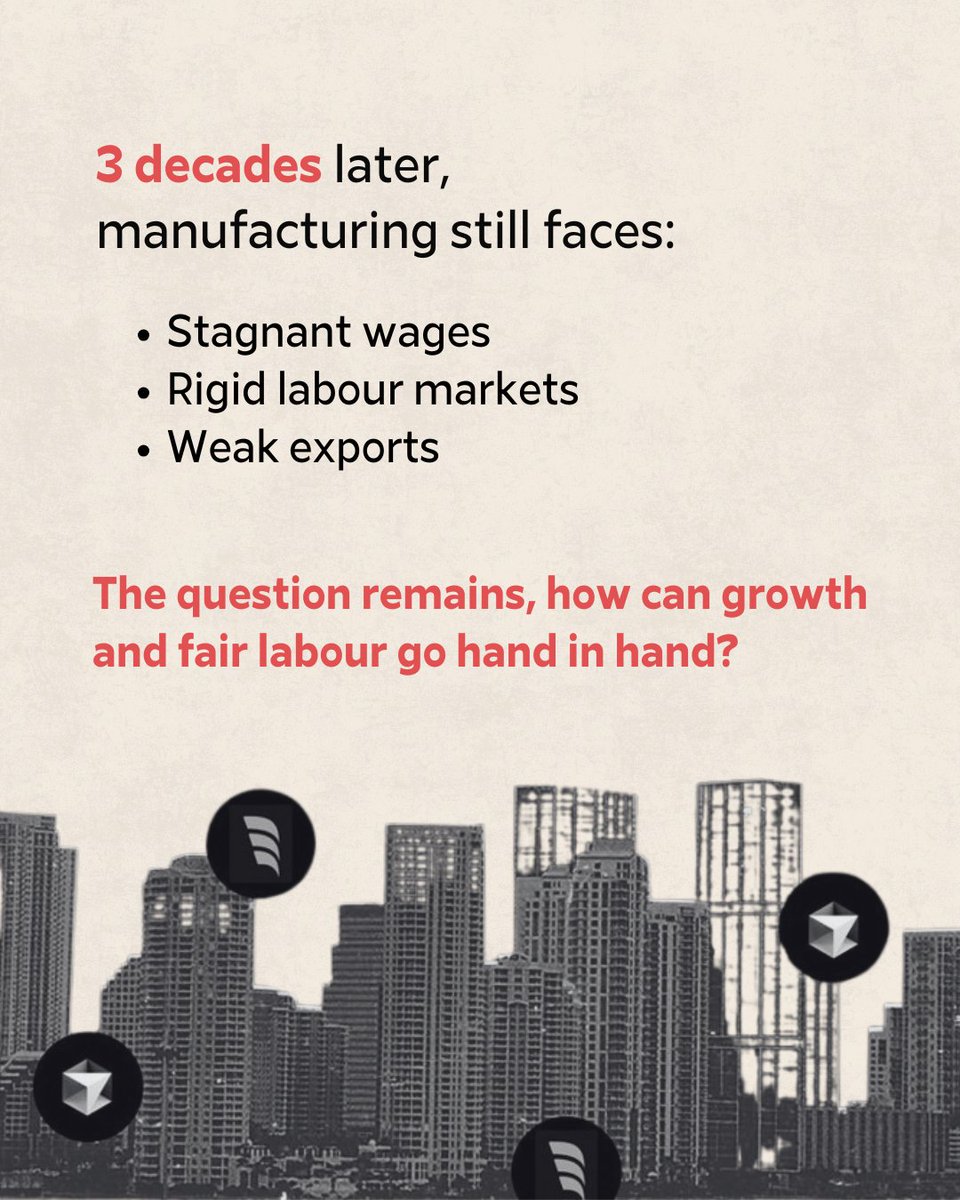
While sectors like telecom & finance thrived post-1991, manufacturing workers faced stagnant wages, insecure informal jobs & rigid labour markets.
Three decades on, the promise of equitable growth remains unfulfilled. Why has manufacturing failed to create quality jobs despite liberalization? And why do workers remain excluded from the gains of growth?