Together with @forestsandwood & @CLAtweets, we are pleased to bring you 'Gene Drive – A game changing technology for grey squirrel control', a free webinar.
📆 10th September 2021
⏰ 12 Midday
Book your free ticket now! ⬇
https://t.co/poXmo53PQs
The CLA are pleased to support the webinar "Gene Drive – A game changing technology for grey squirrel control” on 10 September at 12pm hosted by @forestsandwood.
To find out more and to book your free tickets simply click here 👉 https://t.co/CAxKWCbKkI
We are proud to host this exciting free webinar presented by Graham Taylor MBE FICFor and Bruce Whitelaw FRSB (Roslin Institute). Find out more about how emerging biotechnology solutions can help address the ongoing issue of grey squirrel control. https://t.co/JtHmXrT7Fn
With recent gene inheritance technology, it offers a hopeful humane solution to control the grey squirrel population.
Read the full report below. ⬇️
https://t.co/tyeczt1UUP
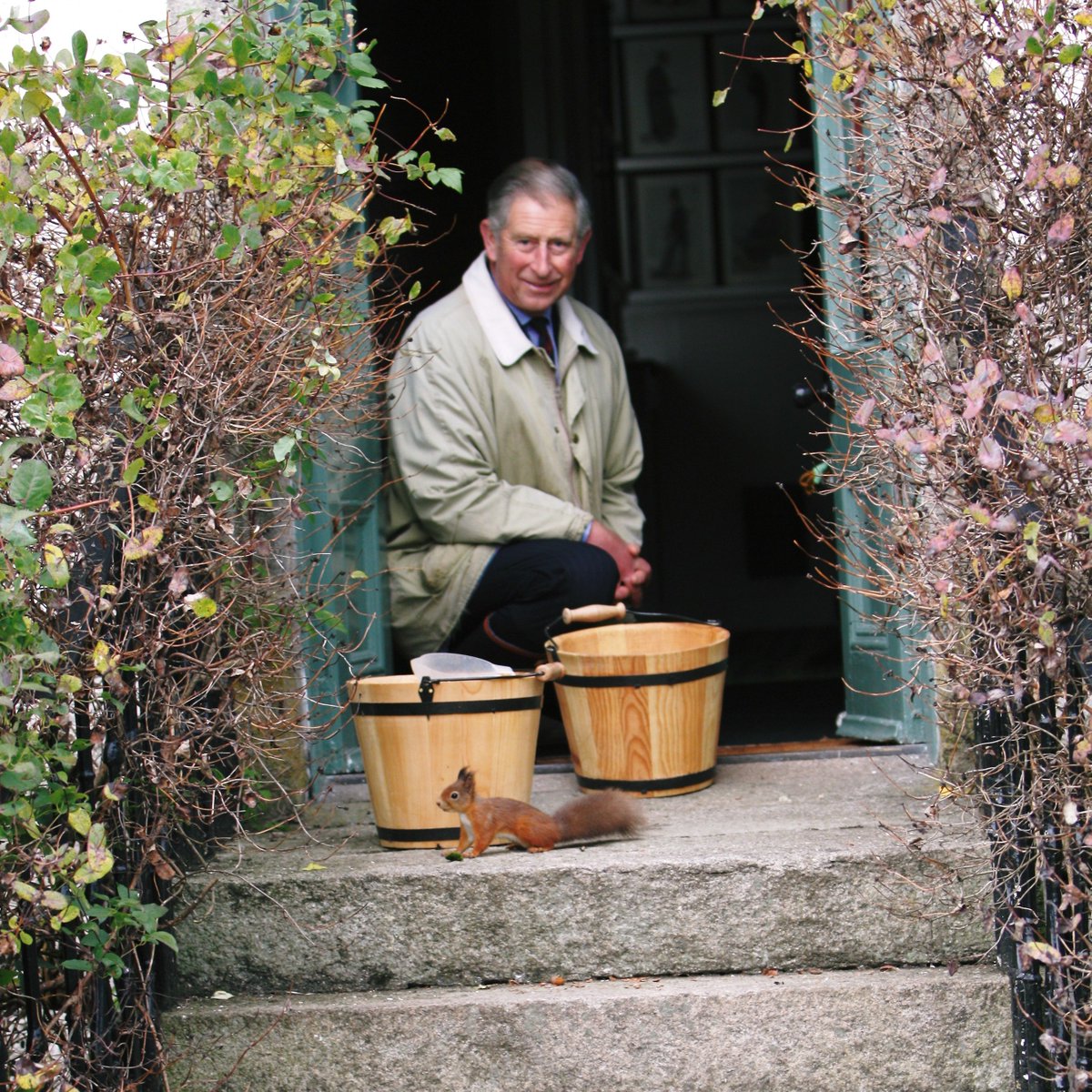
Today is #RedSquirrelAppreciationDay! 👏 A chance to celebrate both our most treasured national wildlife, and those who ensure the protection of their habitat and future. 🌰
📷 HRH with a red squirrel outside Birkhall, Scotland.
The Prince of Wales has spoken out about his affection for 'inquisitive and delightful' red squirrels, and has praised the volunteers helping to protect the animals.
Read the article below.
https://t.co/rI7gEx2Nj8
ESI has welcomed Government plans to change the laws in England to allow gene editing research to be used as a potential solution to the wider problem of invasive alien species, including grey squirrel populations in the UK.
Read press release below.
https://t.co/jLQo1hN2nB
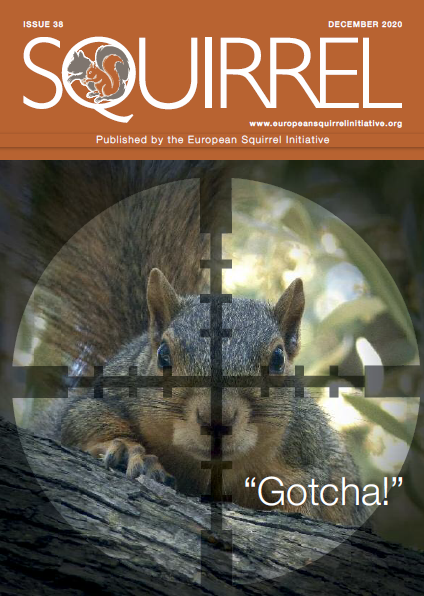
Issue 38 of the ESI Newsletter 'Squrriel' is now avaliable to view on our website.
Hard copies are also available upon request and have been sent to those on our mailing list.
Read the newsletter here.
https://t.co/IG02Wak8jO
The ESI believes that the decision by @forestryls to agree to a blanket licence for @nature_scot to harvest timber in red squirrel areas needs reviewing, updating and revising.
Read more on the ESI website ⬇️
https://t.co/R3jThoT50G
Grey squirrels cause £40m damage to British forestry per year. We're concerned that, unless something is done, there will be no oak, beech & sweet chestnut trees left for years to come.
Read @britpestcontrol useful advice for controlling grey squirrels ⬇️
https://t.co/S4vAsWB6No
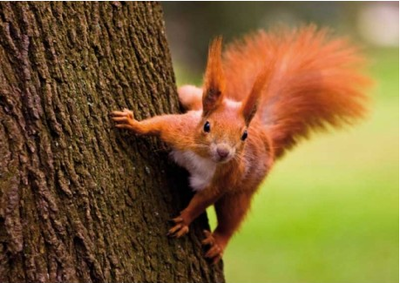
Thanks to Hugh Rowlands for generous permission to use this lovely image as the cover for the forthcoming 5 year review of UK red squirrel conservation! Editing nearly complete with 30+ project contributions.
The 2015 edition is available to download https://t.co/mHvb15R3rV
We do very much welcome the updates from @ForestryComm. It is a positive step forward, but the ESI would urge Forest Research to update the Red Squirrel Conservation document as soon as possible.
https://t.co/aPWAtIWjXB
Thanks to @RedSquirrelsNE, #volunteer groups, organisations and individuals, #redsquirrels can still be seen in Northern England. RSNE's map shows the areas where they survive thanks to dedicated #conservation efforts. #MammalMonday
Report UK sightings: https://t.co/KRDF2QZTQ3
The ESI fears damage prediction and red squirrel conservation are not being addressed at an opportune time to coordinate activities.
Read more from @hortweek below ⬇️
https://t.co/lRNmjxWX1u
@WoollyMaggot@TheICF In the lowland, PMs will get ride of Greys but there would be much greater conflict with other land managers. The IUCN guidance from 'Turning the Tide' indicates that we could need up to three different levels of control to remove Greys. PMs are very slow to build up in numbers.
@WoollyMaggot@TheICF Hi Ben,
Charles' comments were underlining what he has said in the book - PMs will be ideal in the Scottish borders, Wales and hills of the Lake district, the habitat is ideal so this would be in line with IUCN guidelines. 1/2