Nie mów, że Ty jedna wstępujesz na Kalwarię, że tylko Ty musisz walczyć i płakać. Jest z Tobą Jezus, który nigdy Cię nie opuści (14 lipca 1915, do Rafaeliny Cerase)
The year is 8500 BC. You are an aurochs, six feet at the shoulder, and very little alive frightens you. Some people on the upper Euphrates have built a pen. About 80 of your mothers and sisters walk into it, and every cow that will ever live walks out. The bargain is simple. They keep the wolves off. You let them near the calf. It seems, on the day, like a fair exchange, and you keep your side of it for ten thousand years.
The year is 4000 BC. There is a beam across your neck and a pointed stick dragging behind. You lean into it because the man beside you is leaning too, and he talks to you the whole length of the furrow. He has given you a name. When you die his children will cry, and he will not eat that week. Every field on earth for the next six thousand years is opened this way, by the two of you.
The year is 2500 BC. In a temple in Sumer they carve you into the wall in white limestone: the priests milking you, the churn rocking, the butter poured into jars. You are washed every morning and counted every night. You are the most valuable thing the city owns and you are treated like it. Nobody carves the barley.
The year is 1200. You haul stone up the hill at Laon, a load at a time, for a cathedral you will never be let inside. When the towers are finished the masons carve sixteen of you, life-size, and set you at the very top, looking out over France. The bishop gets a slab in the floor. Somebody remembered who did the lifting.
The year is 1750. You come down off the Alp in September with flowers woven round your horns and a bell the size of a bucket, and the whole village is standing in the street in its best clothes to watch you pass. The finest milker walks at the front. She knows it.
The year is 1852. You are one of six in front of a wagon in Missouri, with a family's whole life behind you and two thousand miles ahead. The children ride on the tailboard, and by Nebraska the youngest has named all of you. When the grass fails you are fed last and you pull anyway. A country is walked into existence at two miles an hour, which is your pace.
The year is 1922. In Toronto a boy of 14 is dying of diabetes. He weighs 65 pounds and has days left. They inject him with an extract of your pancreas and he gets up and goes home. For the next sixty years every diabetic alive is alive because of you. Not one of them ever learns which of you it was.
The year is 1946. Britain has just weighed and measured its children for a war and seen what the ones without you looked like. A bottle of your milk goes on every school desk in the country, by Act of Parliament.
That is where you stand in 1946. You are named, garlanded, carved on cathedrals and written into law. Hold that thought.
The year is 2006. A report comes out of Rome with your shadow on the cover. It says that you, stood in a field, are doing more harm to the sky than every car, lorry, ship and aeroplane on earth. The sum counted everything about you from the fertiliser to the fridge, and only the exhaust pipe of the car. The authors admit as much. By then the sentence is on a billion screens.
The year is 2019. Thirty-seven experts publish the diet that will save the planet. Your share is a quarter of an ounce a day, one small burger a fortnight. A child comes home from school and asks her grandfather, who has got up at five to milk you for fifty years, why he is hurting the world.
The year is 2023. The Dutch government is paying farmers to be rid of you for good, on condition they never keep you again. A paper on a minister's desk in Dublin costs out the removal of 200,000 of you from Ireland, the island that counted its kings' wealth in your heads.
The year is 2026. Denmark has passed a law to tax your breath. There is a powder in your feed to stop you belching. A carton of oat water in the fridge says it is like your milk but made for humans. In a steel tank in California they are growing the thing that is meant to finish you off, and they feed it on corn.
You ploughed every field they ever sowed. You hauled their cathedrals and carried their children across a continent. You fed their orphans and kept their diabetics breathing. In return you asked for grass and somebody to watch for wolves.
You are still giving all of it. This morning, in the rain, on ground no plough could use, you gave it to people who have been taught to be ashamed of taking it.
You know none of this. You know the gate, the voice, and the hand on your flank at five in the morning.
He has read the report. He came anyway.
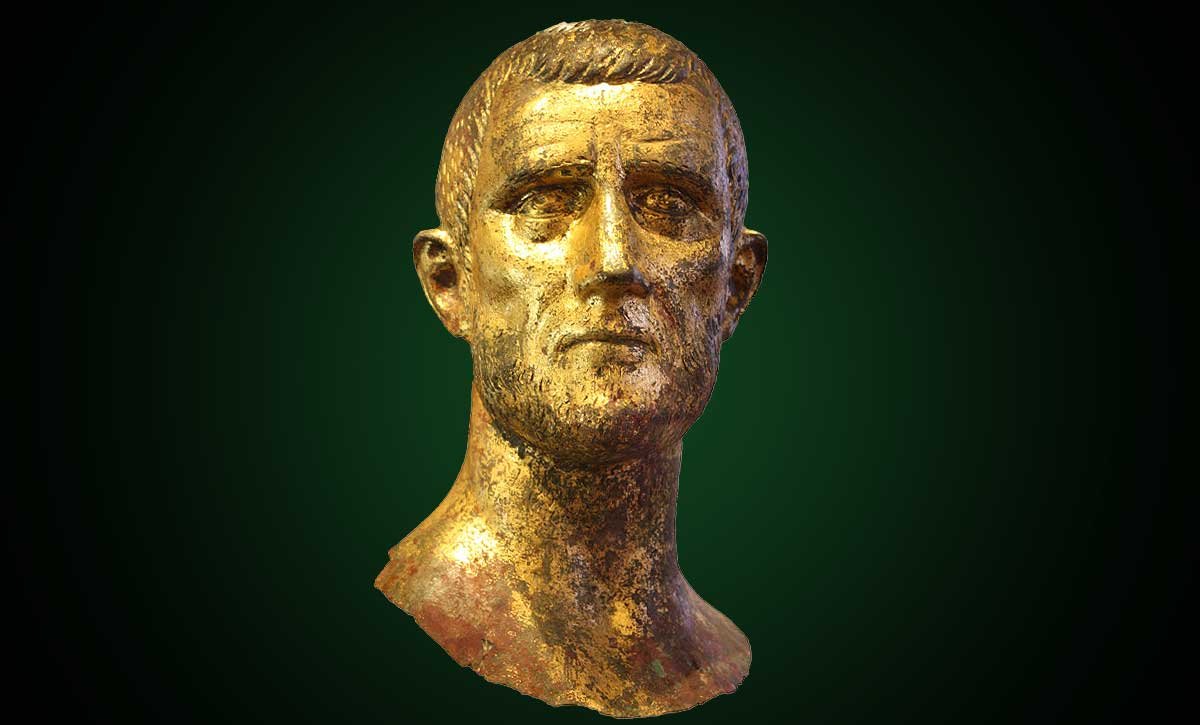
A Roman emperor put the entire shattered empire back together in five years. Then he was murdered over a fake list written by his own secretary.
His name was Aurelian.
When he took power in 270 AD, Rome had broken into three pieces. The western provinces had split off into a breakaway state called the Gallic Empire. In the east, Queen Zenobia of Palmyra had seized Egypt, Syria, and much of Asia Minor. Barbarian armies were raiding Italy itself.
Aurelian came from nothing. He was a Balkan peasant's son who rose through the cavalry, and the soldiers nicknamed him "Hand on Sword."
He went to work immediately. He crushed the invaders in Italy, but the scare was close enough that he ordered a massive new wall built around Rome. Large stretches of the Aurelian Walls are still standing today.
Then he marched east. He beat Zenobia's armies in Syria, chased her back to Palmyra, and captured her as she tried to escape toward Persia. When Palmyra rebelled again a few months later, he came back and sacked the city.
Then he turned west. In 274, he met the Gallic emperor Tetricus in battle near Châlons. Tetricus reportedly had been negotiating in secret and abandoned his own army in the middle of the fight.
The empire was whole again. The Senate called Aurelian "Restorer of the World."
His triumph in Rome was spectacular. Zenobia was paraded through the streets in golden chains so heavy that someone had to help her carry them. And then Aurelian did something unusual. He spared her. She was given a villa near Rome and lived out her life there. Tetricus was made a government official in southern Italy.
A year later, Aurelian was marching east to fight Persia. A secretary named Eros got caught in a lie and knew how harsh Aurelian's punishments were. So he forged a list of senior officers supposedly marked for execution, in the emperor's handwriting, and showed it to them.
They believed it. In the fall of 275, near Byzantium, they ambushed Aurelian and killed him.
They found out the list was fake afterward. The man who saved Rome from three directions was taken down by a panicking clerk.
Teurer, teurer, teurer!
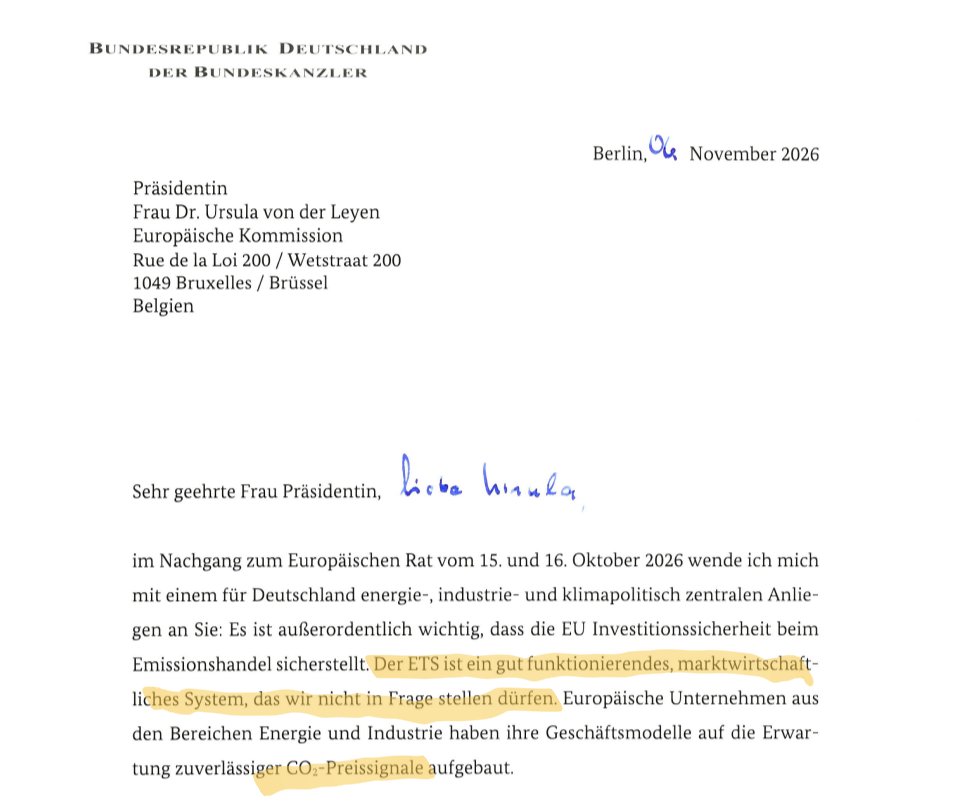
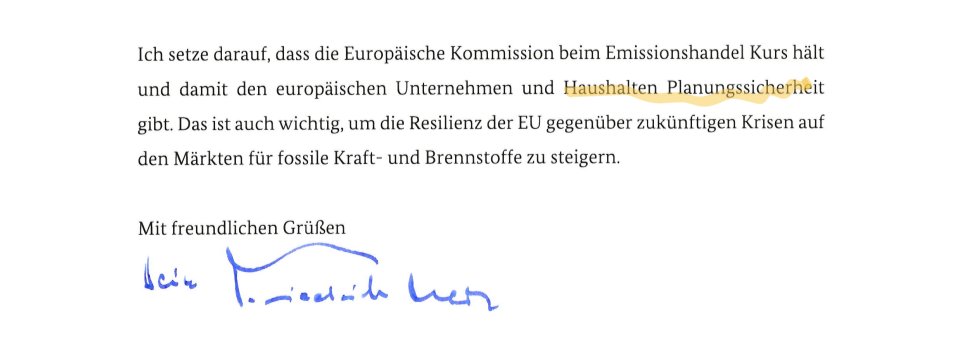
Dies dürfte das irrste Schreiben sein, das ein deutscher Bundeskanzler jemals aufgesetzt hat. Friedrich Merz verlangt von Ursula von der Leyen, die zerstörerische CO2-Bepreisung beizubehalten, damit "Haushalte Planungssicherheit" haben. Übersetzt: Die Deutschen sollen sich drauf verlassen können, dass der Staat ihnen ihr Leben auch weiterhin immer teurer und immer unbezahlbarer macht. Friedrich Merz könnte genauso gut vierzig Tonnen TNT unters Adenauerhaus legen und die CDU in die Luft jagen.
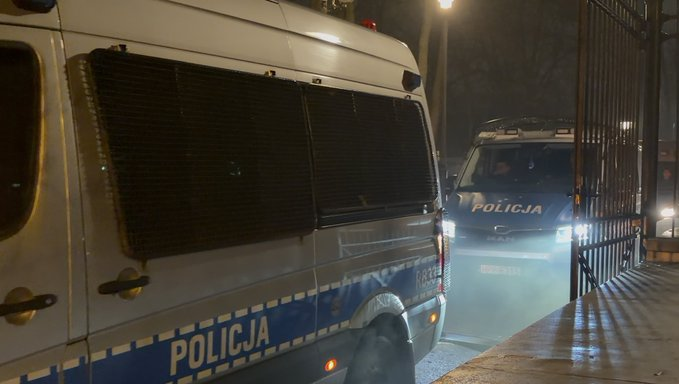
Wspaniali, bohaterscy policjanci byli ministrantami. Jeden z nich służył na granicy z Białorusią. Był więc obrażany przez Holland, Kurdej-Szatan i in. Ta cała ferajna musi się ich bać. Że gdy wyjdą ze szpitala powiedzą prawdę. O braku wsparcia, braku innych jednostek policji itd.
Tak to działa.
Pan prof. Laurent Pech, współpracujący z Uniwersytetem Środkowoeuropejskim ufundowanym przez G. Sorosa, nawoływał w 2018 r. do kar dla Polski.
Ostatnio poczynił w Verfassungsblog tekst, który uznaje, że wjazd do @TK_GOV_PL na policyjnych pałkach i jawne bezprawie w postaci pogwałcenia przepisów o kworum, nie jest zamachem na ustrój Rzeczypospolitej Polskiej, ale „przywróceniem praworządności”.
Dzisiaj odbiera nagrodę od ministra, który brał udział w organizacji tego zamachu.
Serdeczne gratulacje!
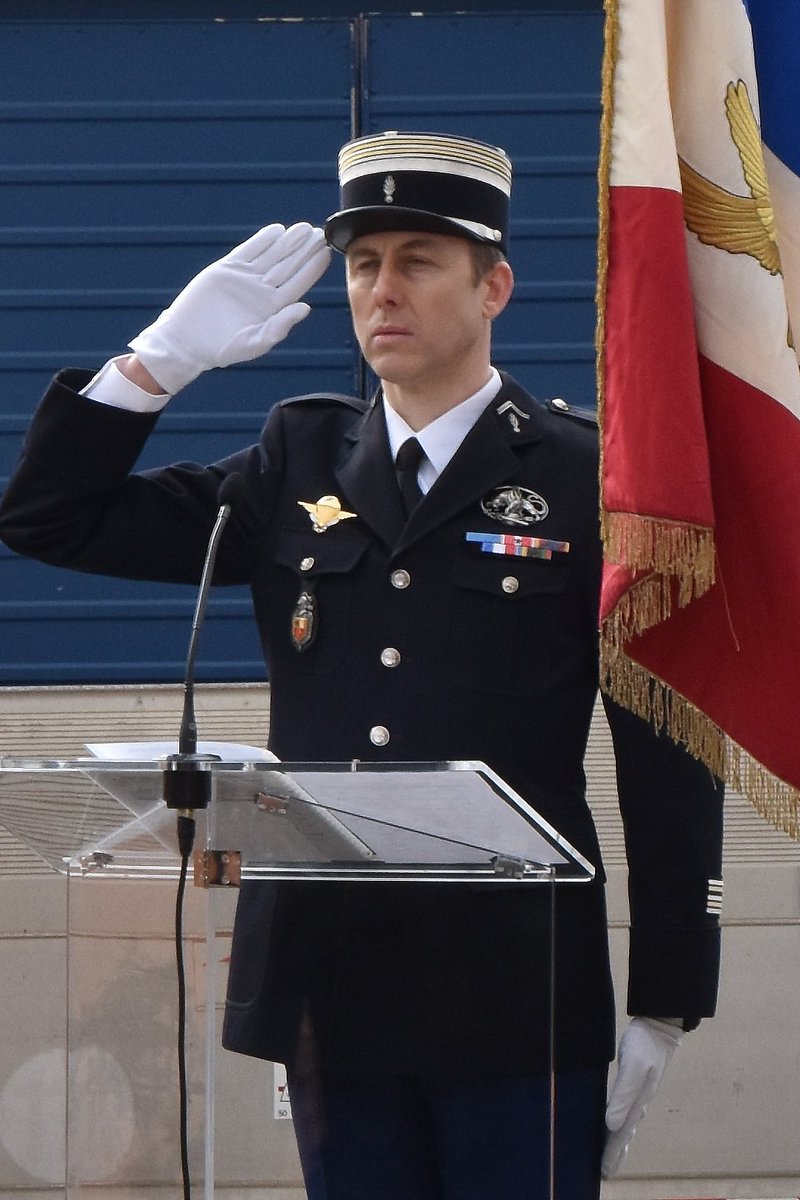
Kiedy czytam o tym, jacy byli obaj starsi posterunkowi, przypomina mi się Arnaud Beltrame - francuski podpułkownik żandarmerii, który w 2018 r. w Trèbes sam zgłosił się w zamian za przypadkową kobietę, którą islamski zamachowiec wziął jako zakładnika. Ppłk Beltrame niestety zginął, zamordowany przez islamistę.
Ppłk Beltrame stał się członkiem Kościoła katolickiego w wieku dopiero 33 lat. Był głęboko wierzący.
Teraz okazuje się, że obaj starsi posterunkowi to podobny profil: typowa polska konserwa z mniejszej miejscowości, kościół, służba w OSP, lektorat do mszy, rodzina.
Znów jest tak, że na drodze złego człowieka z narażeniem życia stają ludzie, których życie jest świadectwem przywiązania do tradycyjnych wartości. Ani trochę mnie to nie zaskakuje.
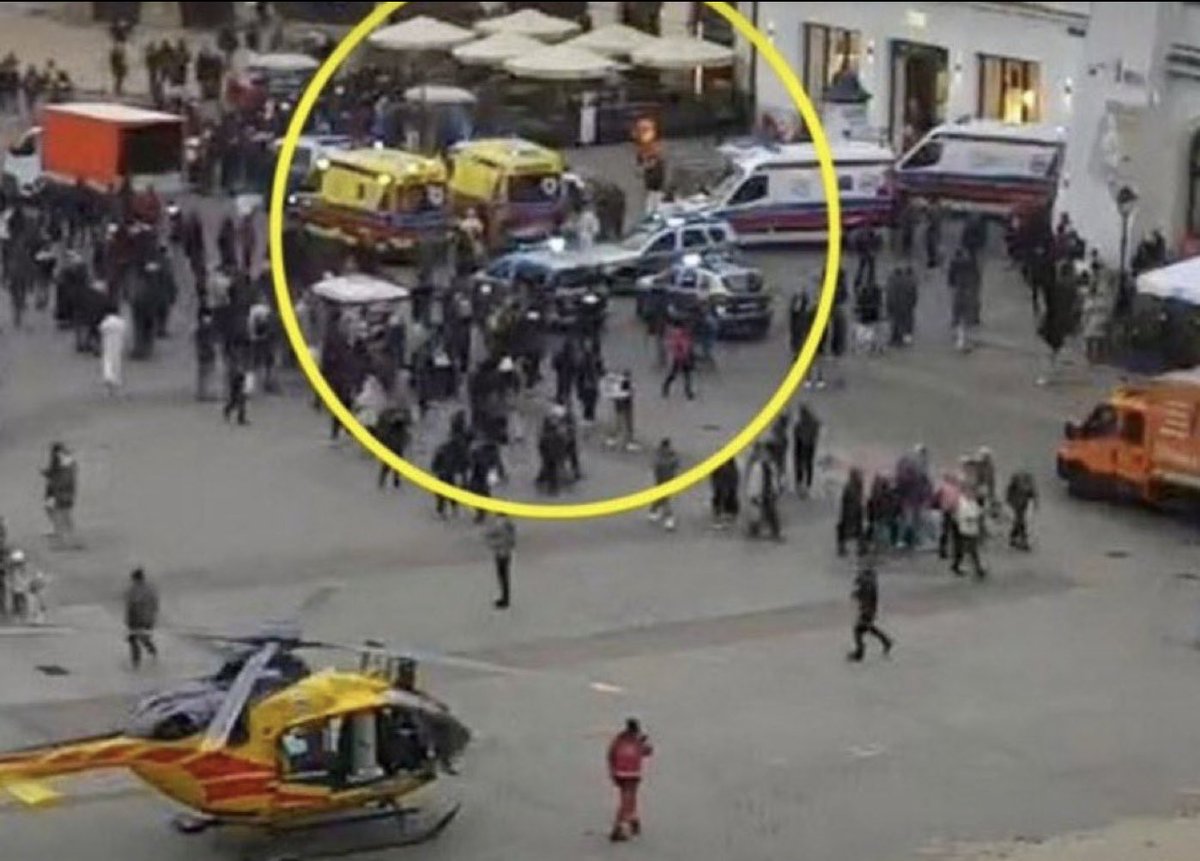
Ooo! Więc są tacy, którzy twierdzą, że @RepublikaTV manipuluje i szczuje, że Sakiewicz mijał się z prawdą mówiąc, że nie ma policji na Rynku w Krakowie. Z tego powodu banda bezmyślnych prorządowych baranów atakuje telewizję. To jest dokładnie ten moment, w którym Sakiewicz pyta, gdzie jest policja. I z tego powodu wylewa się na niego ściek. To policzmy. 4 karetki. 3 wozy Straży Miejskiej, 1 helikopter Lotniczego Pogotowia Ratunkowego. Ani jednego radiowozu policji! To zdjęcia zamyka wasze plugawe, zakłamane buzie?
Wycie cmentarnych hien. Wystarczy, że prezydent Krakowa wyłamuje się z frontu nekropropagandy serwowanej przez gabinet Tuska i kwestionuje tezę o politycznym tle sobotniego zamachu, a jest atakowany przez media wysługujące się rządowi.
In the winter of 1939, the Soviet Union invaded Finland.
The Soviets had one of the largest armies on Earth. Finland had a few hundred thousand men, not much artillery, and almost no tanks.
What Finland had was snow, forests, and a 5 foot 3 inch farmer named Simo Häyhä.
Before the war, Häyhä was a quiet man from a small village near the Soviet border. He farmed. He hunted. He'd served his required time in the army and joined Finland's civil guard, where he became known as a crack shot in shooting competitions.
When the Soviets crossed the border in November 1939, he was sent to the front near the Kollaa River.
The temperatures there dropped to 20, 30, even 40 degrees below zero. Days were short. Most of the light was gone by mid afternoon.
Häyhä thrived in it.
He dressed completely in white so he disappeared into the snow. He'd head out before dawn with a little food and stay out all day, lying motionless in the cold, waiting.
He used an old Finnish version of the Mosin-Nagant rifle. With iron sights. No scope.
That was on purpose. A scope's glass could catch the sunlight and give away his position. It also meant he had to raise his head higher to aim, and in freezing weather the glass could fog up. Iron sights let him stay lower and stay hidden.
He packed snow in front of his position so the muzzle blast wouldn't kick up powder and reveal him. He reportedly kept snow in his mouth so his breath wouldn't steam in the cold air.
The Soviet soldiers learned to fear that stretch of forest. Finnish propaganda gave him a nickname that stuck.
The White Death.
In roughly 100 days, Häyhä was credited with killing around 500 Soviet soldiers with his rifle. Some counts are higher if you include his submachine gun. Historians argue about the exact number, but even the conservative estimates put him at the top of every list of snipers ever recorded.
The Soviets tried everything to get him. Counter snipers. Artillery barrages on the areas where they thought he was hiding.
On March 6, 1940, they finally got him. A Soviet bullet hit him in the face, shattering his jaw.
Fellow soldiers who found him said half his face was missing. He was carried off unconscious.
He woke up a week later, on March 13, 1940.
The day the war ended.
He spent years recovering and needed multiple surgeries. But he lived. Finland's commander, Marshal Mannerheim, promoted him straight from corporal to second lieutenant.
After the war, he went back to a quiet life. He hunted, bred dogs, and lived near the Russian border for the rest of his life.
When asked late in life how he became such a good shot, he gave a one word answer.
"Practice."
When asked if he regretted the killing, he said he did what he was told to do, as well as he could.
He died in 2002 at the age of 96.
Trzeba przyznać, że Mao potrafił w dyplomację.
Tak powinni rozmawiać ci z Warszawy z tymi z Kijowa. Jak sojusznik z sojusznikiem.
Tylko do tego trzeba mieć polityczną erekcję.
Odwieczny nieprzyjaciel natury ludzkiej, Wąż starodawny, który zwie się diabeł i szatan nie ustaje w swojej nienawiści do człowieka i wszystkiego, co nosi w sobie znamię Bożego ładu. Jesteśmy świadkami zmasowanej duchowej walki, której polem staje się nasza Ojczyzna. Zamach na świętość niewinnego życia, zabijanie dzieci w łonach matek, oswajanie społeczeństwa z tą zbrodnią pod przewrotnym płaszczykiem miłosierdzia, próby dalszego rozszerzania prawnego przyzwolenia na aborcję, dzisiaj dramatyczne wydarzenia w Krakowie, wreszcie zamęt w życiu publicznym i funkcjonowaniu państwa. Osobowe zło łatwo znajduje dziś swoich sprzymierzeńców także pośród ludzi. Wobec tej nawałnicy nie wolno nam pozostawać obojętnymi! Trzeba nie tylko działań zewnętrzych, ale także gorliwej modlitwy, pokuty, wynagrodzenia za grzechy i niezachwianego świadectwa prawdzie.
Uciekajmy się pod płaszcz Najświętszej Maryi Panny, Królowej Polski. Wzywajmy świętego Michała Archanioła, wszystkich świętych Archaniołów i zastępy Anielskie, aby z rozkazu Bożego broniły naszej Ojczyzny, udaremniały zamysły złego ducha i niweczyły jego dzieła już w samym zarodku. Święty Michale Archaniele, broń nas w walce! Najświętsza Maryjo Panno, Królowo Polski, módl się za nami!
Chryste Królu, zmiłuj się nad nami!