1. Boy, Amazon is in a heap of trouble. Evidence made public today by California AG @AGRobBonta shows blatant price fixing. And there are so many examples. Here's Amazon scheming with a pet food supplier to get Chewy to raise its prices.
In the USA, the level of vigilance the average person has to maintain to avoid getting ripped off extracts its own kind of price -- one most analysis of dynamic pricing doesn't pay any attention to.
Amid the strange experience of having my far-away state much discussed nationally, I have to say: The national political class as a whole doesn't get Maine. Nor do they seem to understand life in places that are on the remote margins of economic, financial, and political power.
I pay to send Amazon my inventory. I pay Amazon to store my inventory. I pay Amazon when my inventory is high, or low. I pay Amazon to advertise. I pay Amazon to pick, pack and ship my inventory. I pay Amazon for my returns. I pay Amazon to destroy my inventory. I pay Amazon...
If antitrust enforcers allow Sysco to acquire Restaurant Depot, it will be a disaster for local restaurants, who are already struggling with soaring costs. Great reporting in the Post.
Curious if those in the business of feeding people agree with Dina Daniel from Fava Pot: Will Sysco’s planned purchase of Restaurant Depot lead to higher prices at the discount wholesaler?
Gift link: https://t.co/xQaQA94l6K
Good morning to everyone fighting the corporate lobby onslaught in Albany.
Yes, New Yorkers want to ban surveillance pricing.
Yes, New Yorkers want the Consumer Grocery Pricing Fairness Act to stop food deserts and protect consumers and independent grocers.
Yes, New Yorkers want a five-year moratorium on the sale of AI-powered chatbot toys.
Every state has these tax giveaways. They mostly go to large corporations, and they generate virtually no economic benefit. States need to develop a radically new approach — one centered on helping people who want to start their own businesses with childcare, capital, training, a level playing field.
Part of the problem with allowing the surplus from our collective work and endeavors to be captured by a handful of monopolists is that you get decisions about where to invest that surplus that make little sense.
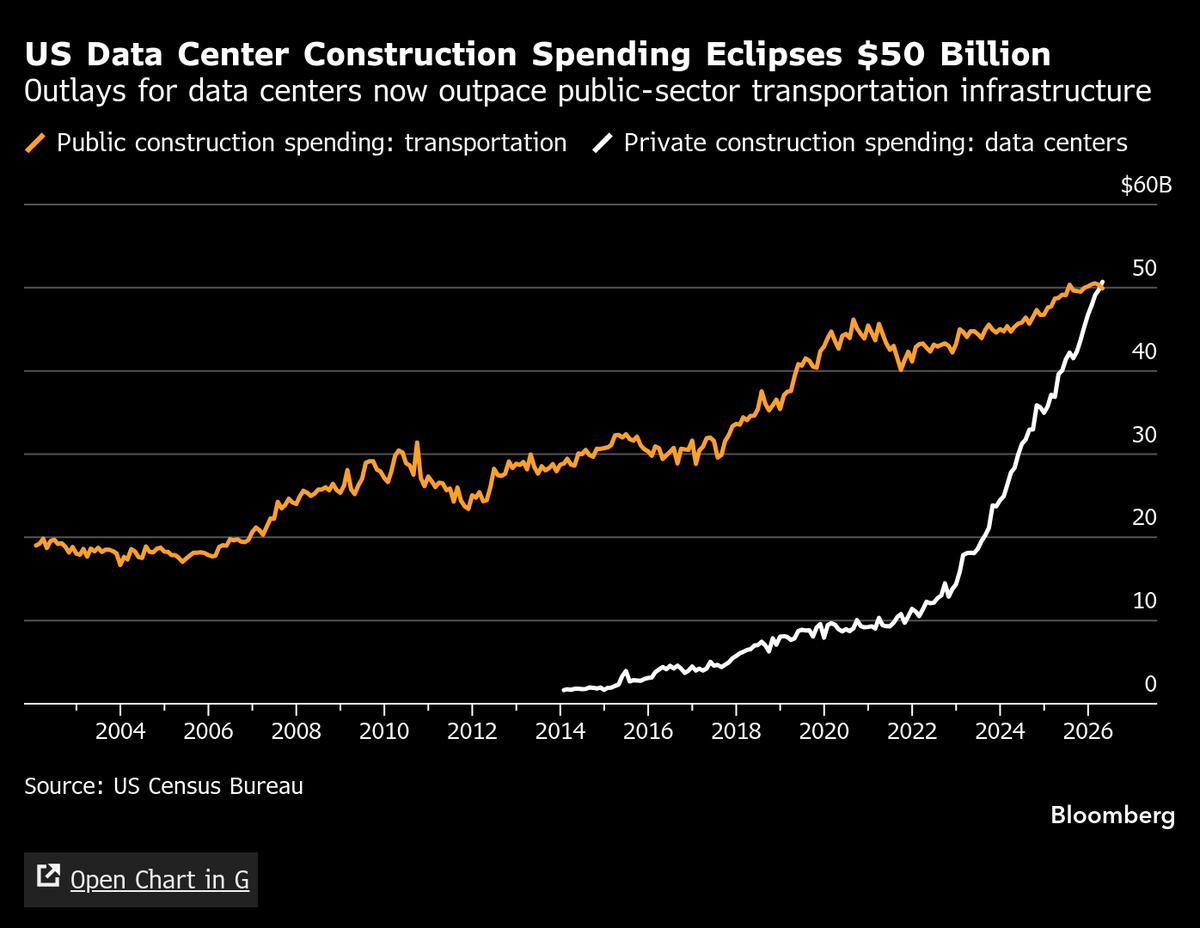
The U.S. is now spending more on data center construction than on public transportation infrastructure, according to new Census Bureau figures out today (https://t.co/2SonuBrsvY)
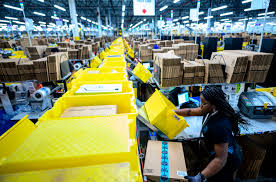
More than one-third of warehouse workers in the U.S. are employed by Amazon. That's a staggering degree of dominance. What does that concentrated power lead to? "In the national sample, job quality and worker well-being are lower in warehouses engaged in e-commerce than in traditional warehouses... The negative effects are most pronounced at Amazon..."
Independent businesses compete with one another. And they also help one another when disaster strikes. “Independent hardware stores and lumberyards are more than businesses. They are part of the fabric of their communities," Gardiner said.
Graham Platner signs keep sprouting up on lawns here in Maine. What a lot of the national political class seems not to grasp is how grave the mood among voters is. People feel we're in a profound crisis, that the existing Democratic Party is not up to the task, and everything else pales.
Graham Platner signs keep sprouting up on lawns here in Maine. What a lot of the national political class seems not to grasp is how grave the mood among voters is. People feel we're in a profound crisis, that the existing Democratic Party is not up to the task, and everything else pales.
The dominant egg producers took in around $15 billion in windfall profits over ~3 years and only abruptly stopped extorting the public when the Trump administration (1) bribed them with $1+ billion dollars in extra subsidies, and (2) threatened them with an antitrust lawsuit. But sure, egg prices are down because Big Egg “stopped being greedy.”
Democrats are talking about the soaring electricity prices and a broken utility system — but so far none have had the guts to attack the underlying issue. "No politicians or candidates yet have talked about breaking up the monopolies themselves," writes @johnffarrell in @Capitol_Forum
In the @nytopinion today with @sandeepvaheesan making the case for genuine antitrust action in the food system, not just rhetoric. https://t.co/oCR2JUXHP9
The California Assembly just passed the COMPETE Act, moving one major step closer to establishing a ban on monopolization in the state with the world's fourth-largest economy and the home of Big Tech. An incredible achievement. Antimonopoly is alive and well in the states.