GE9X Water Ingestion Test - Proving the World's Largest Jet Engine Can Survive Extreme Rain
The General Electric GE9X, built for the Boeing 777X, must pass brutal certification tests before entering service. One of the toughest is the water ingestion test.
What Is the Water Ingestion Test?
This test checks if the engine can continue operating safely during extremely heavy rain.
During the test:
Large amounts of water are sprayed directly into the engine intake
The engine runs at high power
Engineers monitor performance and stability
How the Test Is Performed In a specialized test facility:
Water nozzles simulate intense rainfall
Thousands of liters of water are injected into the airflow
The engine operates at different thrust levels
Sensors monitor:
Combustion stability
Compressor performance
Temperature and pressure changes
▲ What Engineers Are Checking The engine must prove that:
No flameout occurs
No compressor stall happens
Thrust remains stable
Internal components are not damaged
Even with massive water flow, the engine must keep running smoothly.
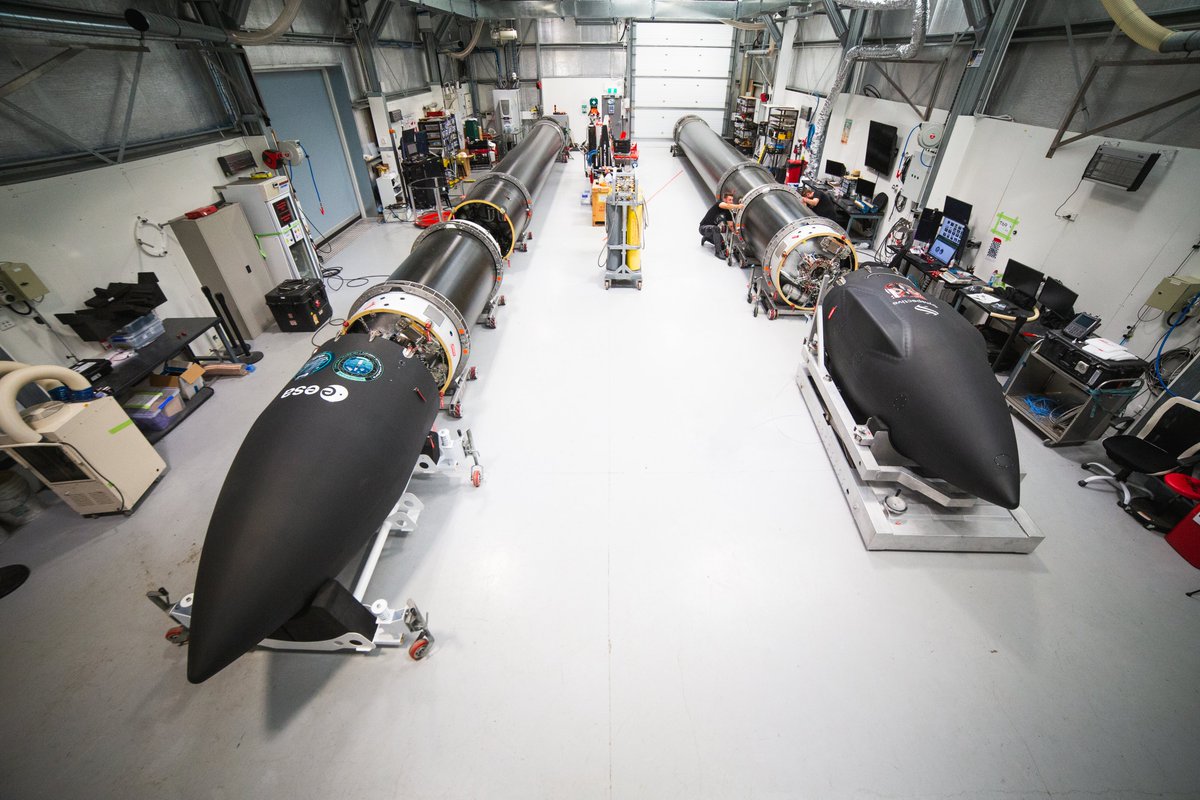
This is what regular and reliable access to space looks like.
We're running two launch campaigns from LC-1 this weekend with back-to-back launches only days apart.
First up: "Eight Days A Week" for @synspective will add another StriX satellite to their Earth observation constellation. Launch: NET March 20 NZDT.
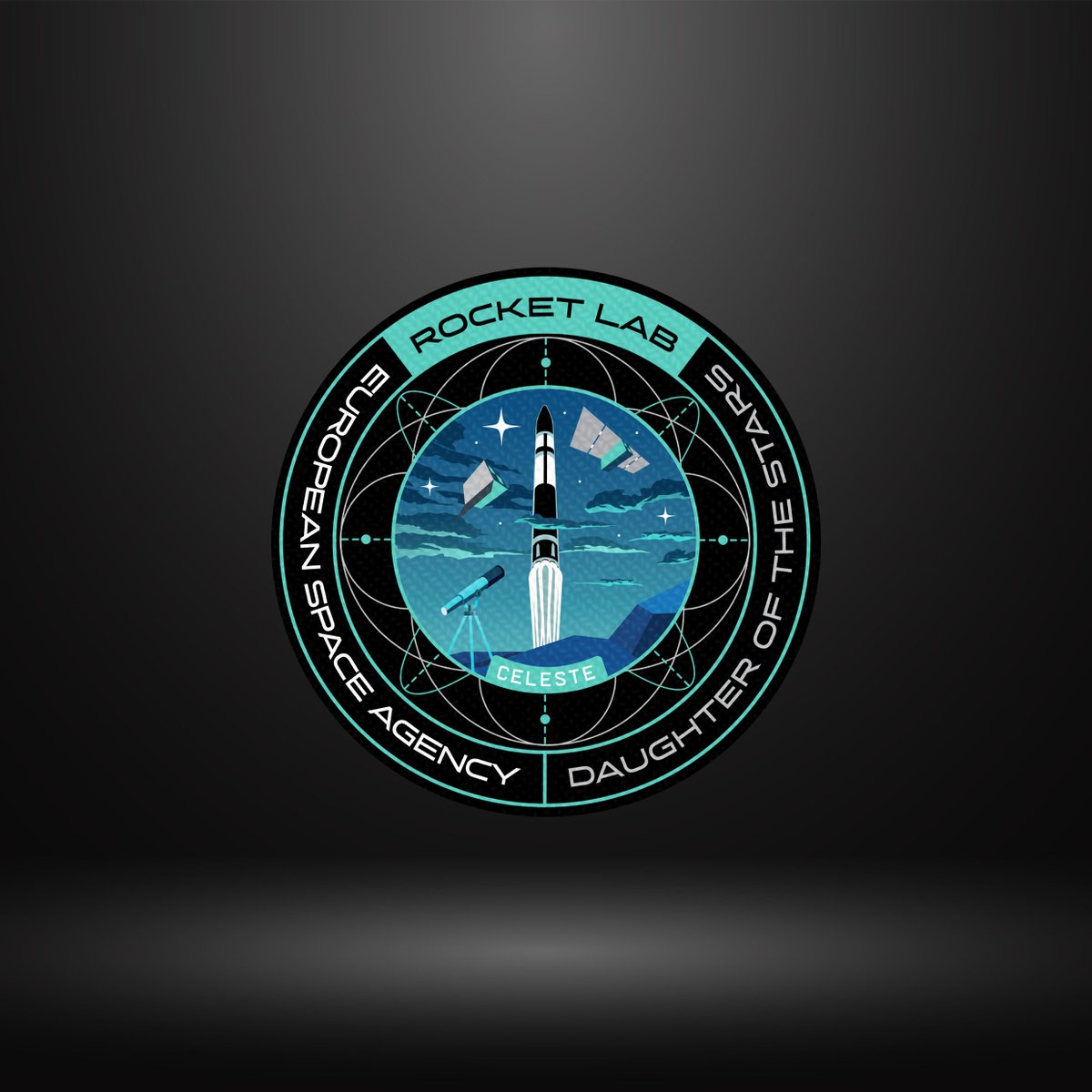
Next: "The Daughter Of The Stars" for @esa will be the first launch for a new European satnav system called LEO-PNT. Launch: NET March 24 NZDT.
@FranciscoSpace5@BolmanRicky Exactly, no one can predict the precise day. A lots thing could’ve been wrong. I’d love to hear from the earrings when the 9 archimedes engines mounted together to conduct a full assembly test
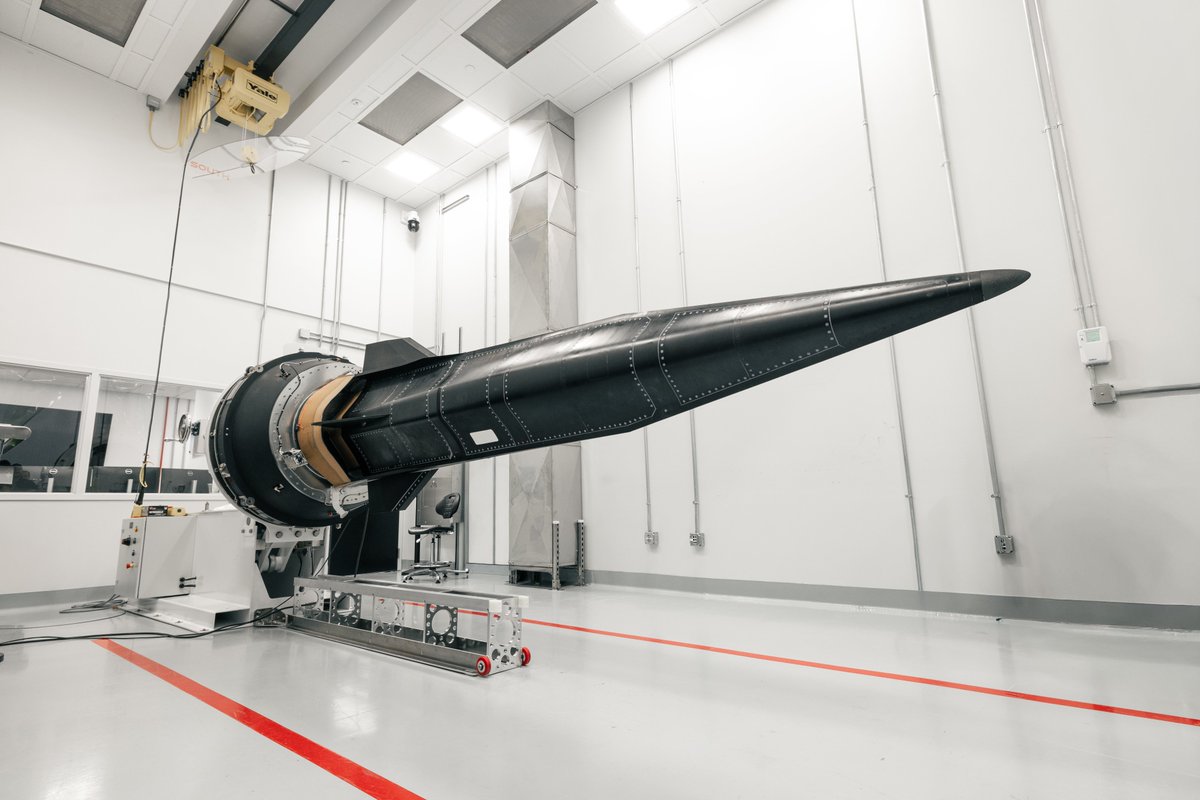
We are GO to launch our hypersonic test mission on HASTE for the @DIU_x and @HypersonixAU.
"That's Not A Knife" is scheduled for liftoff at LC-2 in Virginia tomorrow, February 25 from 4pm/1pm Eastern/Pacific.
And yes, there will be a webcast 📺🚀