There are many great space sims out there. Some feature beautiful ship interiors, some have stunningly realistic galaxies, and others have impressive simulated ship systems. There's even software that allows you to soar through the cosmos seamlessly without any loading screens, but what the space sim genre lacks is a title that features all of the above.
Until now, that is...
Demo: https://t.co/e4SjOS1R8S
Discord: https://t.co/Xm6Fi3uZMH
Ko-Fi: https://t.co/WlItojrQGh ( You can also buy the Kickstarter tier rewards here)
#spacegame #VR #gaming #pcgames
Something that's hard to get away from with space and procgen in general, is things quickly look samey. One rocky planet generally looks like any other rocky planet, because a ball of rock is a ball of rock.
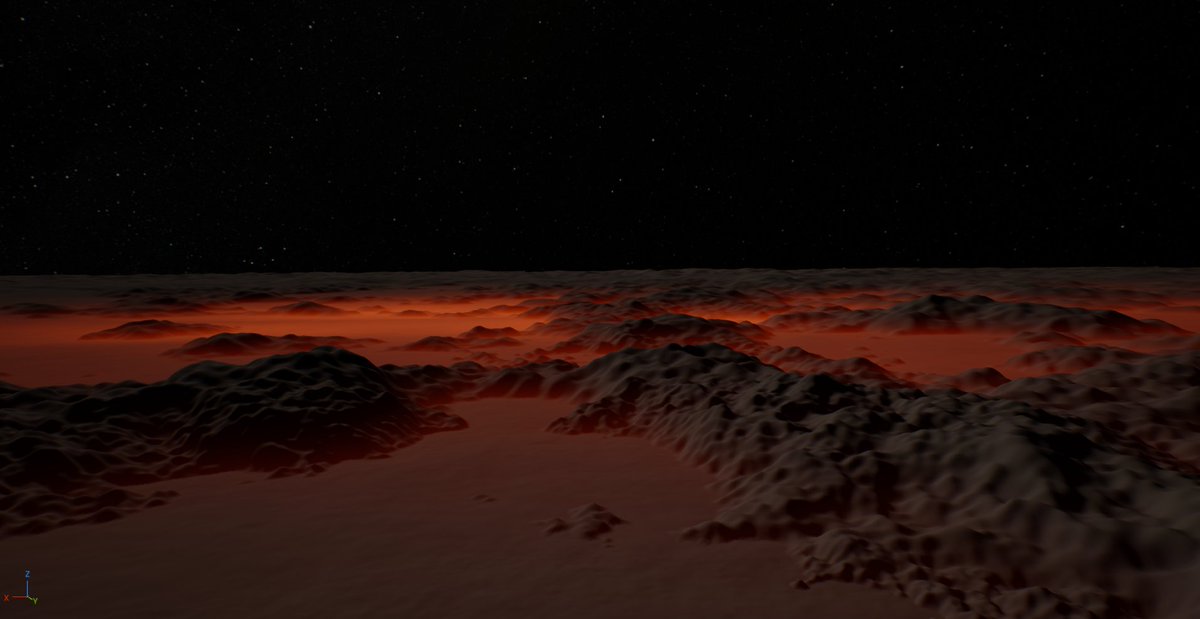
What I've been wanting from the beginning though is to give each ball of rock some character of its own, so to that end I've been working hard on making the geology of planets as dynamic as possible. I want to be surprised by unique surface features when arriving at a new planet, like interesting mountain ranges, weird flukes of geology, or epic volcanos.
It's not just random noise anymore, we're employing proper geological processes now, including erosion. Next up I need to add proper colour for the surface biomes, and then finally rivers and some rough noise to simulate forests from orbit.
@lvictorfaulkner Planetary landings have always been part of our roadmap ( https://t.co/3aiGUlJT1e)
Without landings, we have very little in the way of science gameplay, so all of this is needed for early access :)
We weren't lying when we said that we wanted Starship Simulator to be as scientifically realistic as possible.😅
👇
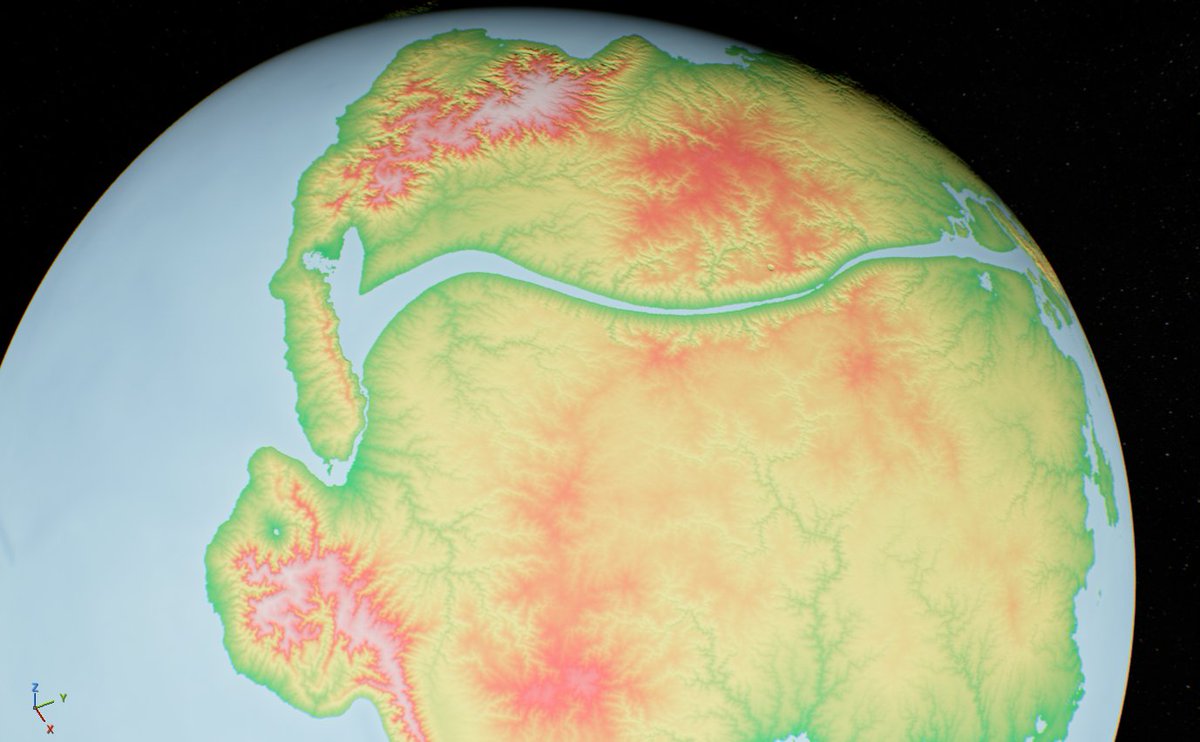
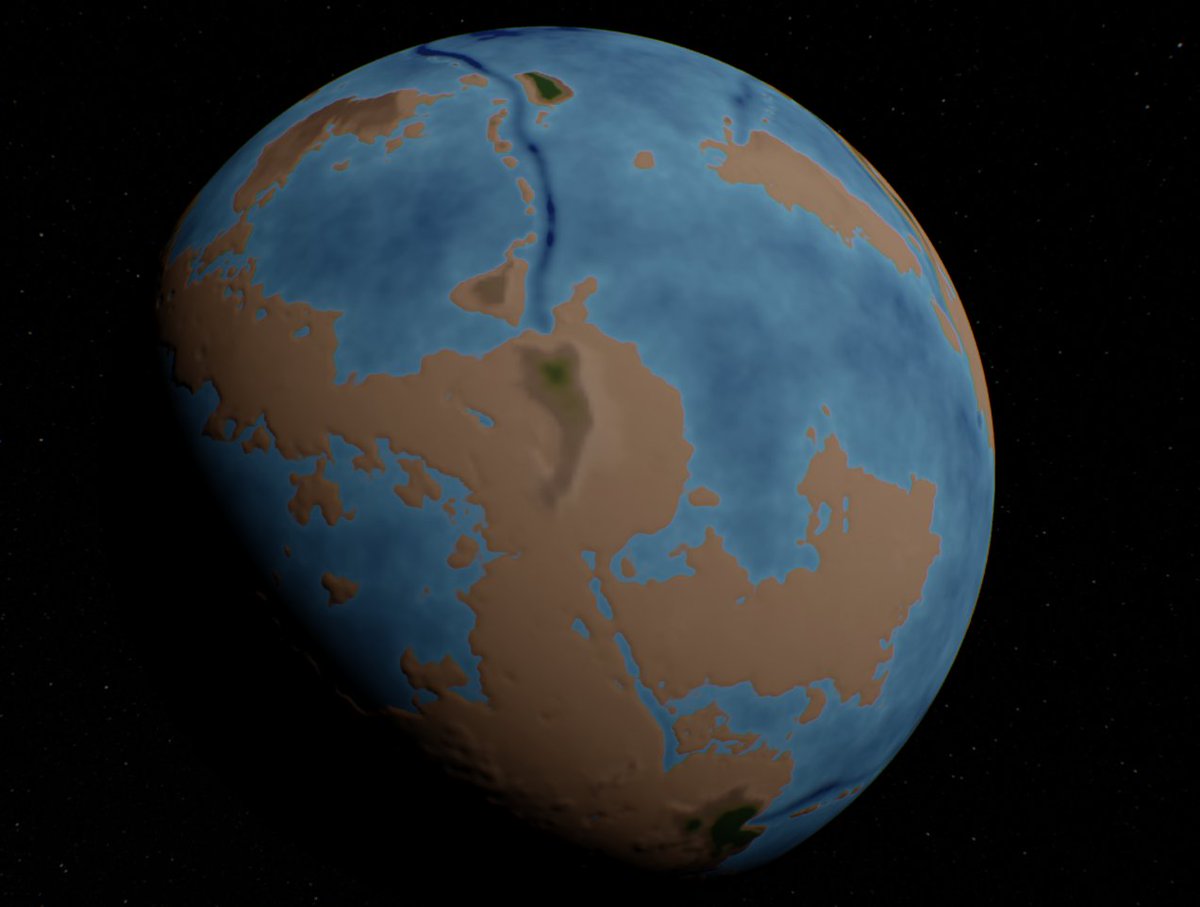
Where tectonic activity exists, the tectonic plates now drive the terrain. You get mountains pushed up where plates are colliding, and trenches where they are pulling apart or subducting. You'll also notice island chains along subducting plate boundaries.
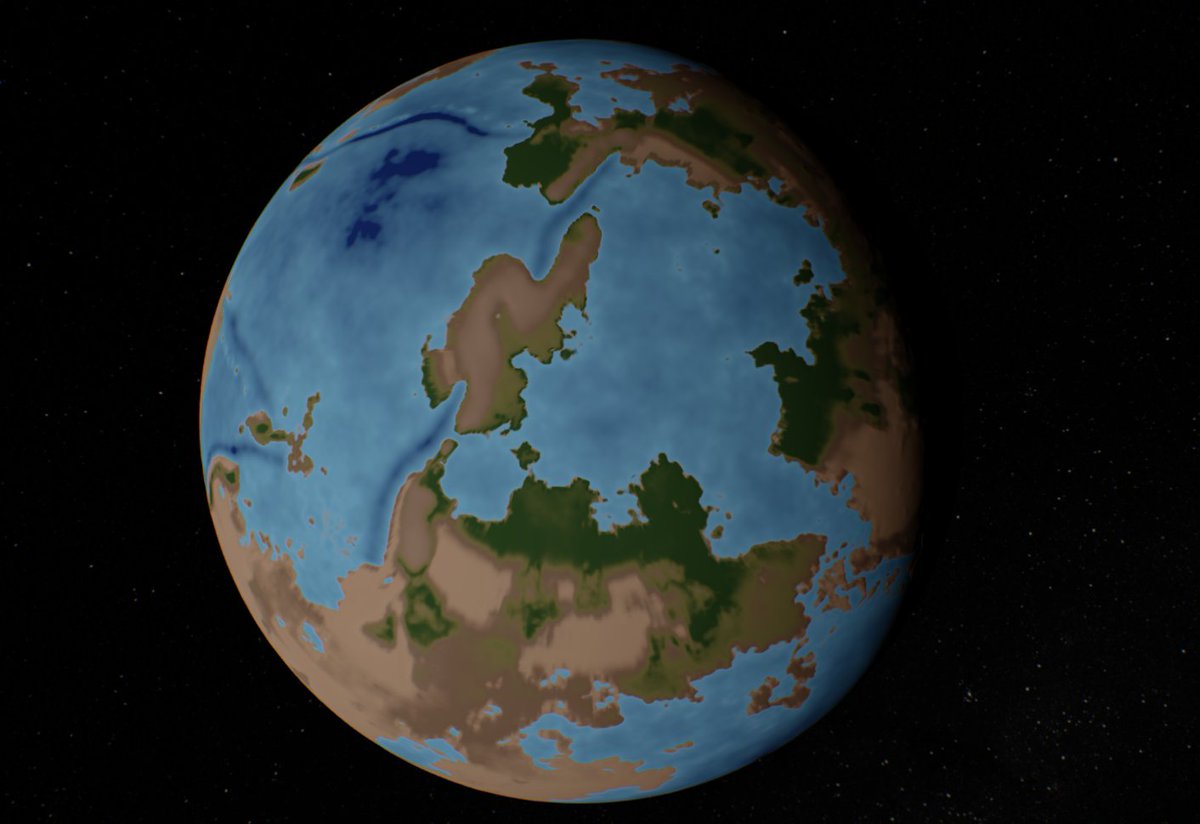
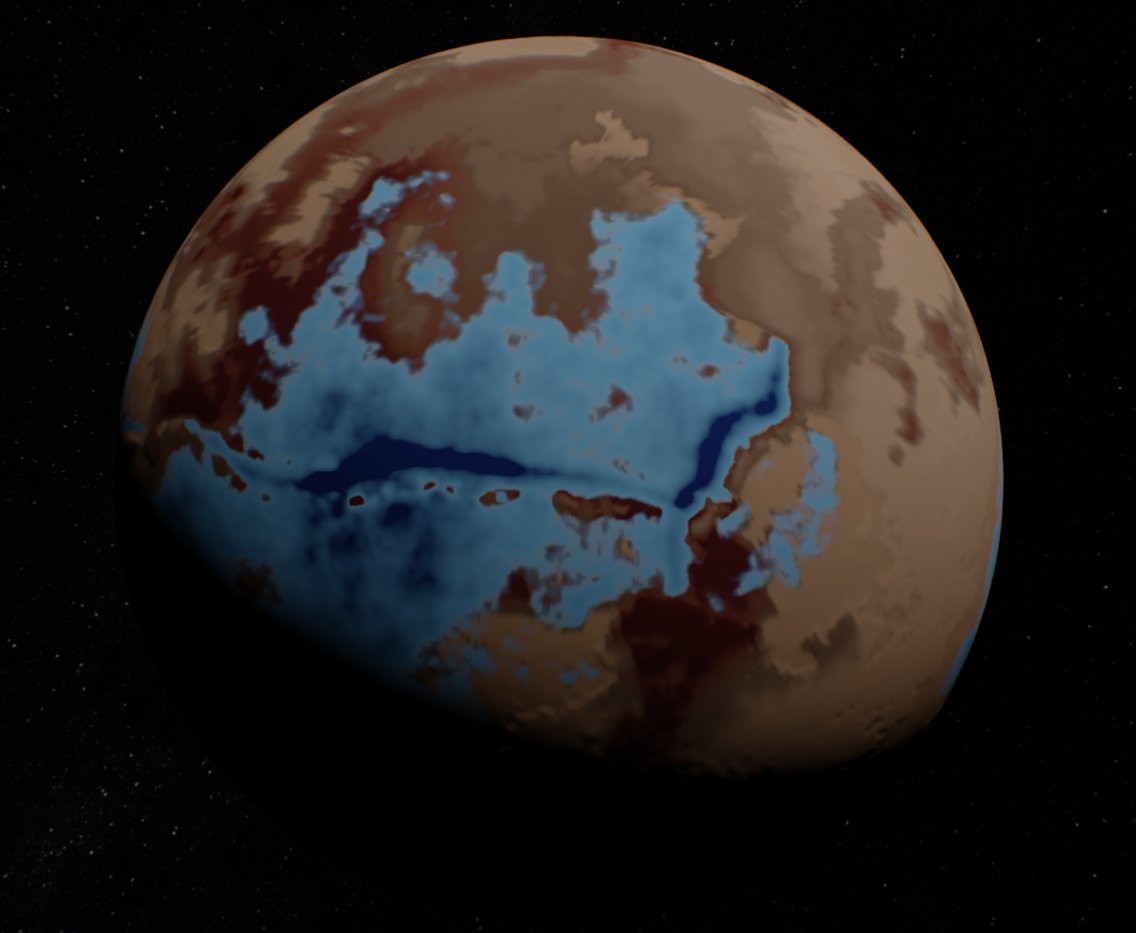
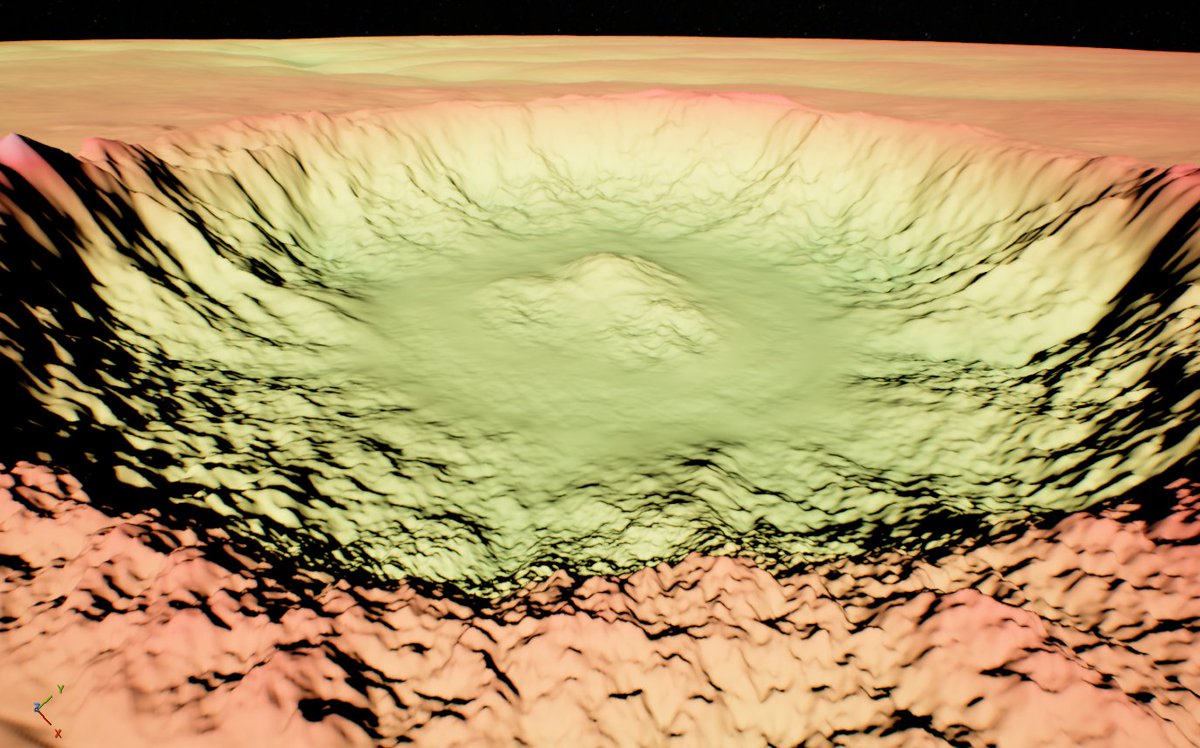
Surface biomes are also now implemented, driven by the planet's climate model. Again, none of this is actually textured yet, we're just working on the generation and structure. The different coloured areas in these images represents the surface composition, which along with the climate model will determine things like plant types, rock type, soil type, etc.
I've been hunkered down and busy working on the terrestrial surfaces for Genesis. I'll do a stream on this soon so you can see it all in detail, but for now here's some screenshots of various terrain features. It's all procedural, and quadtree-detailed all the way to the surface. It's worth noting that this is the same terrain we'll be using for planetary landings, just with additional detail noise and rocks/foliage/etc.
None of these planets have textures yet, I'm just working on the structural geology.
Thanks! :) It’s voronoi cells, but using plate motion rather than pressure. Fractal noise decides what is crust and what is ocean, with height driven by gravity. The plates are random spherical voronoi cells, with noise warped boundaries for interesting shapes. Every plate rotates about its own Euler pole like real-world plates do. Relative velocity of plates boundaries determines if they are converging or pulling apart, and that drives things like ridges or trenches.
@NayakBudhaditya The demo is also on GeForce Now but it's subscription based. Once we go into early access, it might be worth having a look at though :)
We do hope to go to console but it's a 'we'll have to see', at the moment.
Celestial Motion - All stars, planets and moons are now in motion, orbiting their respective centres of mass. They are in proper orbits, with orbital resonances, accurate rotations and tidal locking where relevant. This is a big milestone.
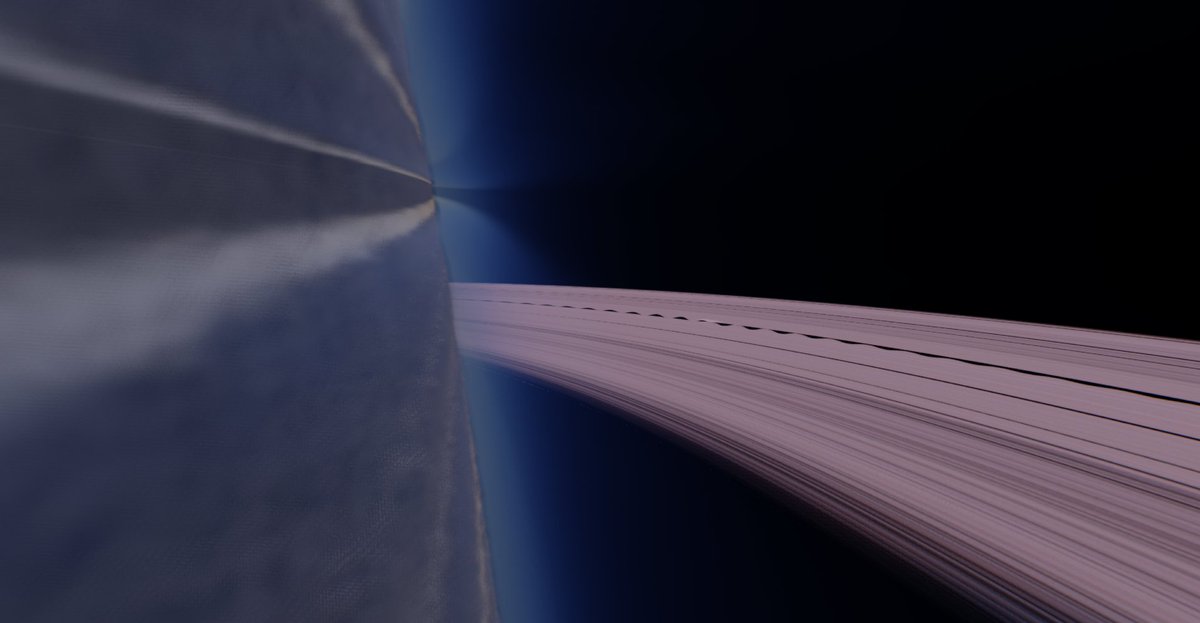
Ship Orbits - Your vessel will now automatically be captured into orbit around celestial objects. When you approach a planet and exit FTL, the direction of your ship's nose will determine your orbital direction. You'll be placed in a perfectly circular orbit, and your orbital velocity will be accurate for your altitude. You are free to fly towards/away from the planet at sublight, and the orbit will update in real time. If you fly perpendicular to your orbit, the orbit's inclination will change accordingly.
Station Orbit Sharing - This is the big one, and it makes pretty much everything else in the game possible. If you exit FTL next to something that is already in orbit, then you inherit that orbit regardless of your nose direction. All objects near one another are pooled and their physics states are moved together along the orbital track. As such, ships can fly around stations and one another, while also moving sideways at 7km/s. Essentially there are three physics layers for space travel.
Celestial motion, orbital motion, and local motion. The celestial layer moves the planets, the orbital layer moves ships/stations along an orbital path, and the local layer allows ships to fly around freely while shooting projectiles at one another. All seamless, all invisible to the player.
I can't overstate how much of a big deal this is. This means we can now add alien stations, other ships, creatures in space, or literally anything else that's orbiting something else.
From here we can start building content!
I know the demo is taking quite a while for this update but we are getting there.
We needed to recreate the entire galaxy (Genesis), so that needed to take a little while. It has put us many months ahead in development, and we have some amazing things (scientifically!) in game now.
👇
The whole formation process from end-to-end is now fully simulated, including galactic metallicity regions, circumstellar disk formation/composition, disk evaporation, planetesimal formation, pebble accretion, orbit clearing, planetary collisions, moon formation (including collision events), gas accretion, planetary migration, and kuiper belts.
O Class stars for example evaporate their circumstellar disks very quickly, stunting planetary formation, while M Class stars have much longer lived inner disks, resulting in rocky worlds crowding their inner regions. Each class of star now forms class-accurate systems. The net result of this is that gas giants are far more rare around lower mass stars, while A Class stars for example have a penchant for forming many Ice Giants.
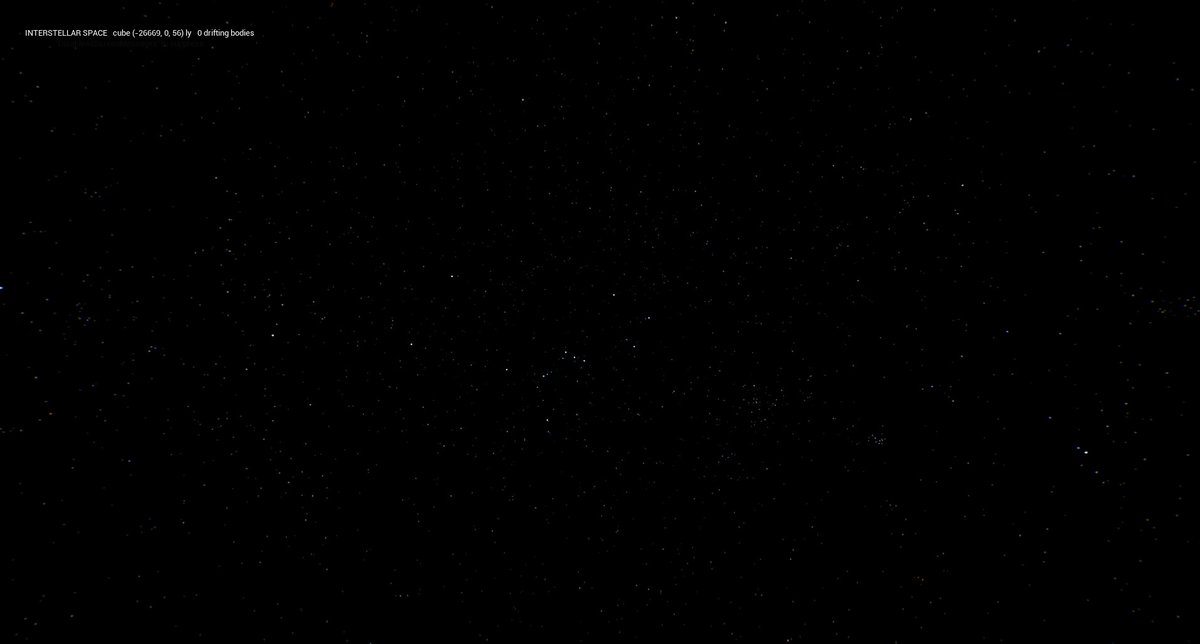
We also have multi-star systems now, which was actually an interesting solution to a too-many-gas-giants problem. We were capping gas giants at 13x Jupiter's mass, but once we removed that cap we found systems created brown dwarf companions more frequently, and gas giant distribution fell to match the peer-reviewed numbers. And of course we now have real constellations, as you can see from Orion in the attached screenshot.