Founders who raise well after Demo Day usually run an explicit seed process, not an ambiguous “whatever we can get.”
If the ask is vague on stage and in follow-up:
→ Seed investors struggle to commit.
If the ask is a clear seed amount, instrument, and use of funds:
→ The process can move.
Clarity on the round type is part of what makes the 48 hours productive.
Here's something AI founders should pay attention to
A good voice agent shouldn't just know what to say. It should know when to stop, listen and let you speak.
That's the challenge full-duplex models like Fish Audio's Live 3 are tackling.
The next leap in voice AI is conversational intelligence, not just better-sounding voices
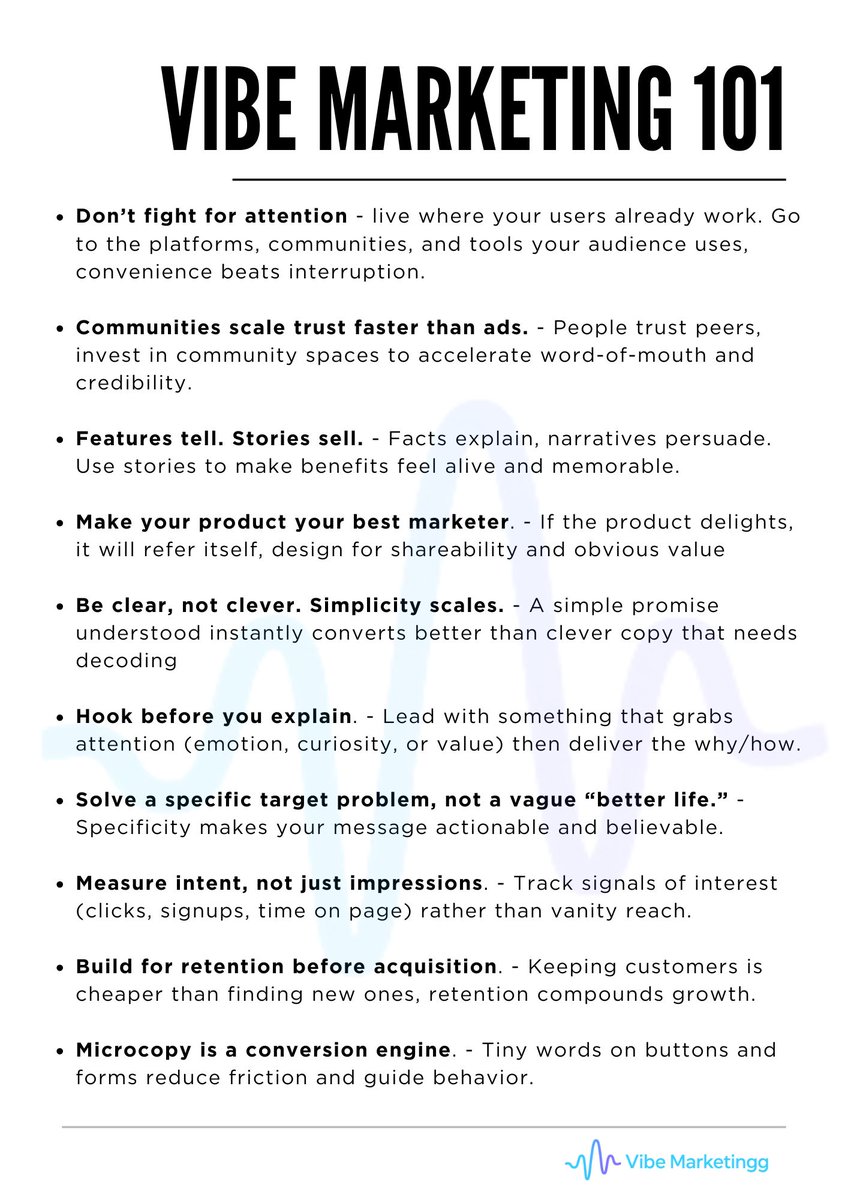
@YCInsight@TheVCInsights Great product to be honest, was using for analysing the Marketing techniques used by various founders
Searching got lot easier…
4 days left to apply to YC Winter 2027.
Winter 2027 applications are still open. Your deadline is November 2.
If YC is on your list, stop telling yourself you'll apply when your startup is ready.
- You don't need a perfect pitch.
- You don't need millions in revenue.
- You don't even need a finished product.
YC says around 40% of the companies it funds are still just an idea.
But you do need to explain what you're building, why it matters, and why you're the right person to build it.
Apply by November 2 at 8 PM PT to get a decision by December 11.
Miss the deadline, and YC will still consider your application, but you won't get the same guaranteed decision timeline.
- Your future co-founder might be applying today.
- Your future competitor might be applying today.
The question is: are you going to apply, or keep waiting until you feel ready?
Winter 2027 could be your batch.
Don't reject yourself before Y Combinator gets the chance to evaluate your application
The final question before you submit
"If I read this application cold, as a YC partner who's seen 15,000 applications, would I remember this company in 24 hours?"
If yes: submit.
If you're not sure: find the one specific, surprising, human thing that makes your company memorable.
Put it first.
Garry’s post kept me thinking.
If Muse and Instinct are becoming the new interface to people’s lives, what software will those agents actually want to use and what should we build
Here’s what my idea-monkey mind came back with
- An orchestration layer so Muse + Instinct (and whatever comes next) can share context, hand off tasks, and stop doing the same work twice.
- Agent-native APIs and storefronts, structured data, one-click approvals, guaranteed checkout so agents can complete bookings and purchases without brittle scraping.
- A privacy + credential vault built for agents fine-grained, revocable permissions instead of “give it everything.”
- Vertical skill packs that plug into Muse/Instinct (travel watcher, subscription auditor, family calendar, health-form filler) instead of another general assistant.
- An agent-to-agent protocol so one person’s Muse can talk to a friend’s Instinct to plan, split costs, or coordinate without humans mediating every step.
Some of this is already happening in pieces, Instinct talking to other Instincts, 1Password on credentials, Shopify and Stripe on agent checkout, A2A as a protocol.
The consumer layer on top of Muse and Instinct is still wide open.
That’s the next wave: not another general agent, but software those agents actually want to use.
If the raise is built on fake growth, they spot it here,
→ Users don’t return
→ The metric gets redefined every month
→ Paid is doing all the lifting
→ Founders still babysit every account
A line that goes up is easy. A company that compounds is not.
YC Winter 2027 is open.
Deadline is November 2 at 8pm PT. Apply on time and you get a decision by December 11.
Do not wait until the company looks finished. Reviews are already rolling, and YC funds idea-stage teams every batch. About 40% of accepted companies still have little or no revenue.
Rejected before? Apply again. Roughly half of YC companies got in on a later try. Progress since last time is a strong signal.
Miss the deadline? Still apply. Late applications get read.
If you get in, funding starts immediately. Then it’s three months in San Francisco with a dedicated partner, founder dinners, and the alumni network for life.
One clear sentence on what you build. One real thing each founder has shipped. If the idea still excites you, apply.
Getting an YC interview already put you in a thin slice of the pile.
If you treat it like the application part two:
→ you will over-explain.
If you treat it like a working session on the weakest part of the app:
→ you use the 10 minutes.
YC invited you because something worked. Do not hide that thing.
5 YC S26 startups built on $60B problems & not demos
1) Rex - AI agents running the $60B messy order-to-cash process enterprises still outsource to people.
2) Agentcard - Debit cards so AI agents can spend and operate autonomously.
3) Datoric - Training data engine for physical AI and robotics.
4) 6thSense - Touch and grip data so robots can actually handle the real world.
5) GUILD - AI layer for defense and industrial supply chains.
ok this is actually useful. don’t use it to chat. use it for the dumb expensive stuff agents do all day, route this, block that, is this risky, did the agent mess up. let gpt write. let this thing decide. cheap + fast. that’s the play
PG's "How to Get Startup Ideas", on why most startup ideas are bad:
Most people think of startup ideas as an answer. 'I have this idea.'
"The best founders think of them as a question. 'Is this a real problem people have?'"
The difference in outcome:
Idea-first: often builds something nobody wants.
Problem-first: almost always finds something someone needs.
The best startup ideas feel "almost too obvious" because they're solving a problem that obviously exists.
YC tells founders to make something people want then prove it with growth.
- Revenue if you charge
- Active users if you don’t
- 5–7% a week during YC
If that number moves, you’re not guessing.
“We need to do marketing” is usually a lie.
The honest version, nobody loves this enough to tell a coworker.
YC doesn’t fund campaigns. They fund 10 users you can name plus one sentence those users repeat.
That’s the whole early game.
I broke down how YC companies actually get those first 10 users and what to do this week.
https://t.co/mwulVvBmAw
YC tells founders to watch a short list of Metrics to know if the company is actually growing:
- 5–7% weekly growth (revenue or real actives)
- Retention curves that flatten
- NDR >100% if you’re B2B SaaS
- Time to aha moment
- Organic pull, not just paid
If growth is real, the rest usually follows
PG on what to measure from "Startup = Growth"
"The best thing to measure the growth rate of is revenue."
"The next best, for startups that aren't charging initially, is active users."
Not signups or downloads. Not even email subscribers.
Revenue first. Active users second.
If you don't charge anyone: figure out what "active" actually means for your product.