How a greenhouse becomes a hidden underground battery. 🌱
But instead of storing electricity, it stores heat.
During the day, excess warmth is pushed underground into a bed of rocks. At night, that stored heat is released back into the greenhouse to help keep plants warm.
A clever example of using nature and engineering together.
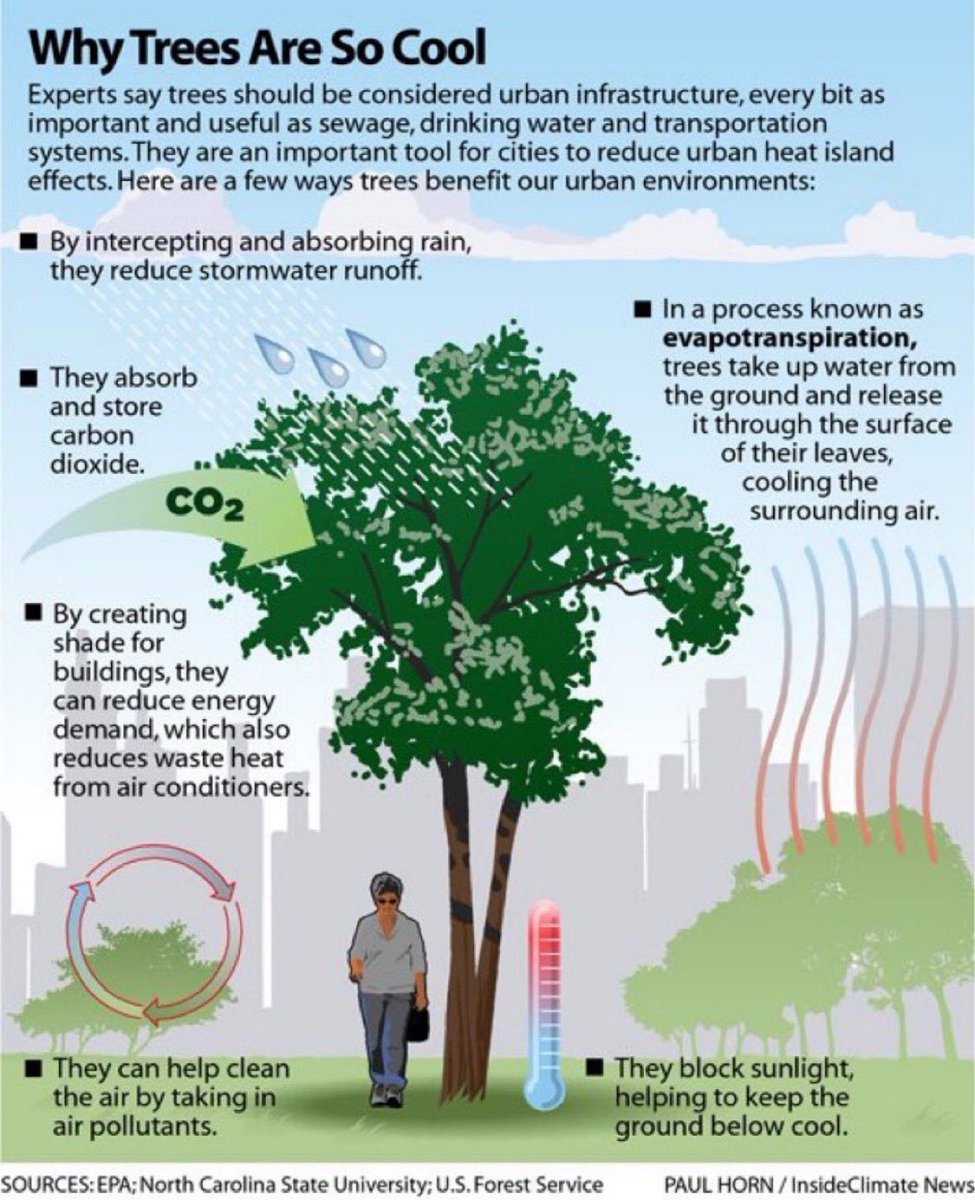
A simple and effective way to reduce the summer temperatures in our towns and cities: Plant lots of trees.
🌳stores carbon dioxide
🌳reduces city pollution
🌳helps protect from flooding
🌳reduces city temperatures
🌳provides habitats for urban wildlife
🌳beautifies urban surroundings
An enchanting characteristic of the glorious British countryside is rural lanes covered in lush green tree tunnels. The most beautiful and natural of carbon capture machines. It’s certainly more pleasing on the eye than Ed Miliband’s £30bn carbon capture machine monstrosities. 🌳
Crushed eggshells are especially beneficial for plants that need steady calcium supply and are sensitive to calcium-related disorders.
The plants that benefit most include tomatoes, peppers, and eggplants, which often suffer from blossom end rot when calcium is low or uneven in the soil. Squash, zucchini, and cucumbers also respond well because they produce heavy fruit loads that require strong cell wall development supported by calcium. Leafy and head-forming vegetables like cabbage, broccoli, and kale benefit because calcium supports tight leaf formation and overall structural strength during rapid growth.
Strawberries can also benefit from improved calcium availability, helping with healthier fruit development and stronger runners. Herbs such as basil may show improved vigor in calcium-balanced soils, while flowering plants like roses can develop stronger stems and more resilient blooms.
However, eggshells work slowly since they decompose gradually, so they are best used as a long-term soil amendment rather than a quick nutrient fix.
The single-species row does not exist in nature. We invented it — and we pay for it in pesticide. 🌿
Companion planting is not folklore. Agronomic research into organic systems has established it as one of the most reliable foundations of a pesticide-free kitchen garden. The mechanism is straightforward: every garden pest locates its host plant using a specific combination of volatile chemical signals. A neighbouring plant with a sharply different scent disrupts that signature and breaks the trail. The pest does not find its target.
The five most useful combinations for a British plot:
Carrot and leek: one of the best-documented associations. Sulphur compounds from alliums disorient the carrot fly (Psila rosae). The carrot's apiaceous scent in turn repels allium leaf miner (Phytomyza gymnostoma), which has spread significantly across Britain since 2002. Alternate rows of each; mutual protection both directions.
Tomato and basil: basil grown at the base of tomato plants can deter whitefly and disrupt some aphid species. Grow tomatoes under glass or polytunnel in most of Britain — basil thrives in the same conditions.
The Three Sisters (maize, climbing bean, courgette): maize provides a living frame for the bean. The bean fixes atmospheric nitrogen via root bacteria, feeding the maize and courgette. The courgette covers the ground, retaining moisture and suppressing weeds. Three crops on one area, no added fertiliser, no staking, no mulching.
Cabbage and celery: celery's strong scent disorients the cabbage white butterfly (Pieris brassicae), which struggles to locate host plants for egg-laying. Dill and nasturtiums nearby attract parasitoid wasps that prey on caterpillars.
Strawberry and spring onion: sulphur compounds diffused by spring onions between strawberry rows can reduce grey mould (Botrytis cinerea) — a persistent problem for British strawberry beds.
Combinations to avoid: tomato next to potato (shared pest pressure from blight); fennel near most other vegetables (allelopathic); French beans and onions (mutual growth suppression); dill immediately adjacent to carrots (root competition). 🌱
#CompanionPlanting #AllotmentLife #GrowYourOwn #OrganicGardening
CAN YOU GROW VEGETABLES ONCE AND HARVEST THEM FOR YEARS?
Perennial vegetables are a smart way to create a low-maintenance and productive food garden. Unlike annual crops that must be replanted every season, perennial vegetables continue growing and producing harvests year after year with less effort and fewer resources.
Popular perennial vegetables include asparagus, rhubarb, chives, Welsh onions, globe artichokes, sorrel, and Egyptian onions. These plants provide fresh food across multiple seasons while also improving garden sustainability and reducing yearly planting work.
Starting a perennial vegetable garden is simple. Choose a sunny location with healthy, well-draining soil, add compost before planting, water consistently during establishment, and use mulch to help retain moisture and control weeds. Proper spacing is also important since many perennial plants spread over time.
A well-planned perennial garden can provide reliable harvests for many years while saving time and labor. With the right care, these long-lasting edible plants can become one of the most rewarding parts of any home garden.
Perennial berry plants are one of the best long-term additions to a backyard garden because they continue producing fresh fruit year after year with very little maintenance once established. Besides providing delicious harvests, these plants also attract pollinators and add beauty to outdoor spaces.
Popular perennial berries include red raspberries, currants, honeyberries, and goji berries. These plants are valued for their productivity, cold-hardiness, nutritional benefits, and ability to thrive in many different climates and garden conditions.
Other excellent berry choices include highbush cranberries, jostaberries, lingonberries, loganberries, and boysenberries. Each offers unique flavors and uses, from fresh eating to jams, desserts, smoothies, and preserves, making them versatile additions to edible gardens.
To encourage healthy growth and larger harvests, berry plants should be grown in full sunlight with nutrient-rich, well-draining soil. Regular mulching, consistent watering, and yearly pruning of old canes help maintain strong plants and improve fruit production.
These beginner-friendly berry plants are ideal for gardeners who want a low-maintenance food source that returns every season. With proper care, perennial berries can provide years of fresh harvests while creating a productive and beautiful garden space.
CAN ONE SIMPLE PRUNING TRICK GIVE YOU BIGGER, HEALTHIER TOMATOES?
Most gardeners miss this easy step that improves airflow, reduces disease, and boosts tomato production fast!
Learning how to properly prune tomato plants can completely transform your harvest. By removing unwanted suckers and improving airflow around the plant, your tomatoes can focus more energy on growing larger, healthier fruit instead of excessive leafy growth.
🍅 Step-by-Step Tomato Pruning Guide:
✅ Identify the sucker shoots
Look for the small side shoots growing between the main stem and leaf branches. These are called suckers and can drain energy from fruit production.
✅ Use clean, sharp pruners
Always sanitize your pruning tools before cutting to avoid spreading plant diseases.
✅ Remove small suckers early
Pinch or snip off young suckers while they are still small and tender. This helps the plant recover quickly.
✅ Improve airflow around the plant
Pruning opens up the center of the tomato plant, allowing better sunlight and airflow, which helps prevent fungal diseases.
✅ Support stronger fruit growth
With fewer unnecessary branches, the plant directs nutrients toward developing larger and tastier tomatoes.
✅ Prune regularly during the season
Check your plants every 7–10 days and continue removing new suckers for the best results.
🌿 Healthy pruning habits can lead to stronger stems, cleaner plants, fewer diseases, and heavier tomato harvests throughout the growing season.
Most garden pest control starts at the hardware store. It doesn't have to.
These ten plants release compounds through their leaves, roots, or flowers that specific pests tend to avoid.
No sprays, no powders, no reapplication schedule — they work the whole time they grow.
Plants do not simply grow next to each other many actually support one another beneath the soil through shared nutrients, moisture balance, and beneficial microbial activity. Companion planting helps create healthier gardens by allowing plants to naturally cooperate, leading to stronger growth and improved harvests.
Some pairings improve soil conditions and conserve water. Corn and squash work well together because squash leaves shade the soil, reducing moisture loss and keeping roots cooler. Lettuce also acts as living mulch for beets, while deep beet roots help draw nutrients from lower soil layers.
Other plant combinations help with pest control and pollination. Parsley can help discourage asparagus beetles when planted near asparagus, while hyssop attracts pollinators and beneficial insects that support grape production during flowering.
Certain plants improve nutrient cycling in the garden. Comfrey planted near fruit trees pulls minerals such as potassium from deep soil and returns them through nutrient-rich leaves used as mulch. Peas also enrich the soil with nitrogen that nearby turnips can use for healthier growth.
Companion planting also creates balanced growing conditions. Blueberries and azaleas both thrive in acidic soils and benefit from similar underground fungal networks, while oregano may help protect sweet potatoes from soil problems. Rhubarb and strawberries also grow well together because they enjoy similar moisture conditions and partial shade.
VERMICOMPOSTIN G: TURNING WASTE INTO GARDEN GOLD
NATURE'S MOST EFFICIENT RECYCLING SYSTEM
This stunning cutaway image reveals the inner workings of a multi-tiered vermicomposting system one of the most elegant and productive waste-to-resource technologies available to any farmer, gardener, or homestead. What appears to be a simple wooden box is actually a living biological factory, silently converting kitchen and farm waste into premium organic fertilizer 24 hours a day.
HOW THE SYSTEM WORKS LAYER by LAYER
Top Layer: Fresh Organic Waste Input
The uppermost tray receives fresh food scraps fruit peels, vegetable offcuts, leaf matter, cardboard, and kitchen waste. This is the feeding zone where decomposition begins. Virtually any organic material qualifies, making this system a perfect solution for zero food waste households and farms.
MIDDLE LAYER: THE WORM ZONE
This is where the magic happens. Thousands of red wiggler worms (Eisenia fetida) nature's master decomposers actively consume and process organic matter. Their digestive systems transform raw waste into nutrient-dense castings far richer than ordinary compost. Arrows in the image show worms migrating upward toward fresh food and downward as material is processed a natural, self-regulating movement.
LOWER LAYER: FINISHED VERMICAST
Fully processed, dark, crumbly worm castings accumulate here ready for harvest