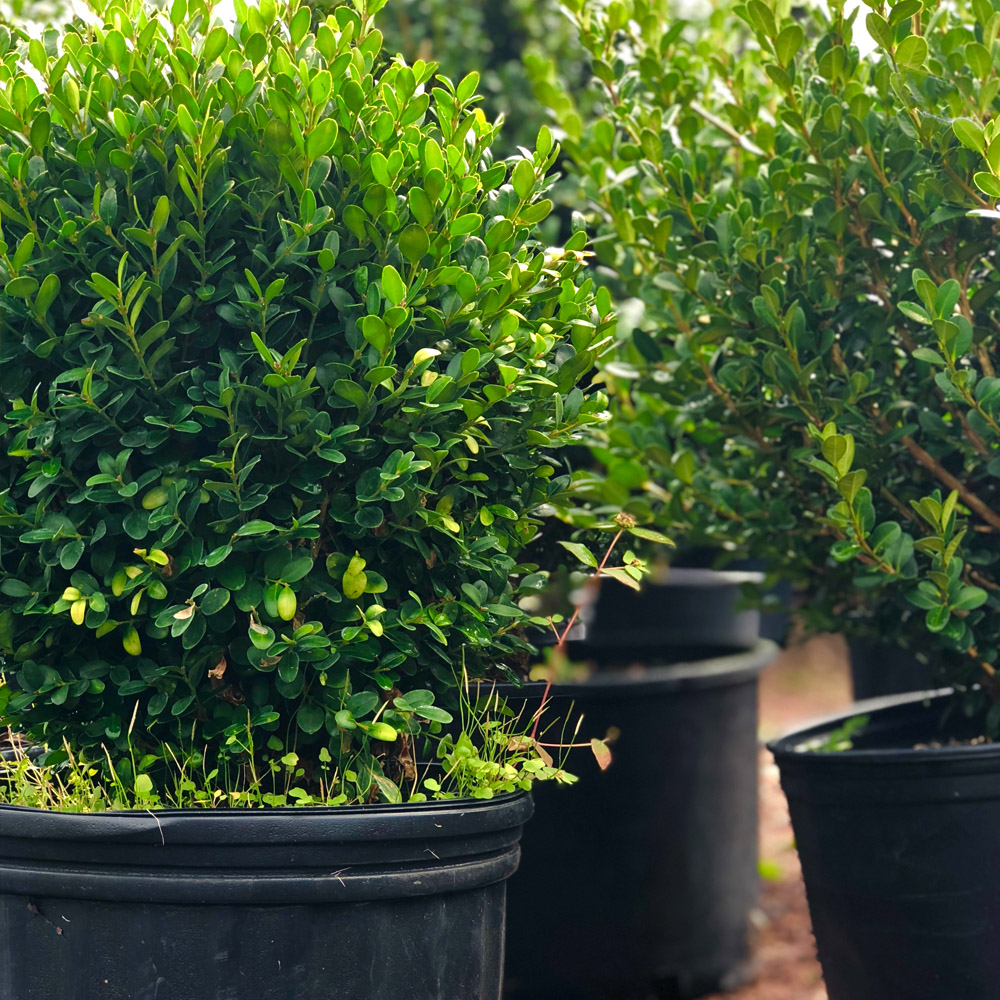
Fall really is the best time to add new trees and shrubs to your landscape. The cooler weather and extra rainfall of fall and next spring give them a great start! #landscape#trees
Soon, your trees and shrubs will be shedding their leaves. Composted leaves are and excellent source of free organic material. Collect and compost disease and insect free leaves. They will decompose more quickly if shredded first. #compost#treesandshrubs
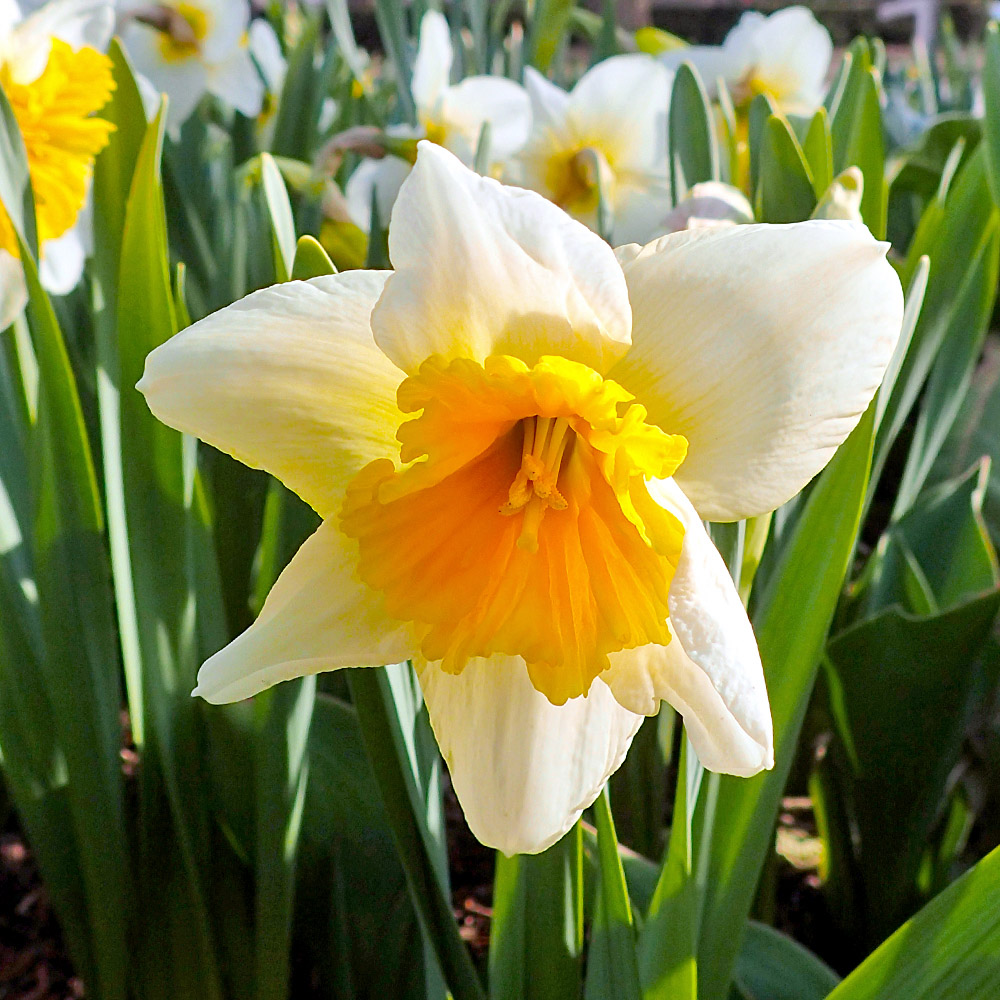
Pick up your Spring Flowering Bulbs like tulips, daffodils, crocus, hyacinths, snowdrops and more! Come in early for the best selection and plant them immediately after purchasing them. #floweringbulbs#fallbulbs
Test your lawn pH to determine if you need to apply lime this season. A 5o lb. bag of Lime will raise the pH about a half a point per 1000 square feet of turf. #lawncare#soilph
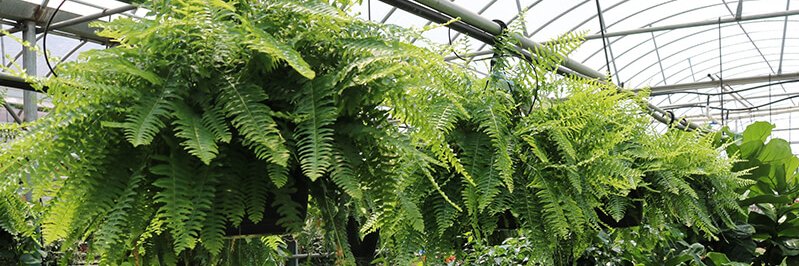
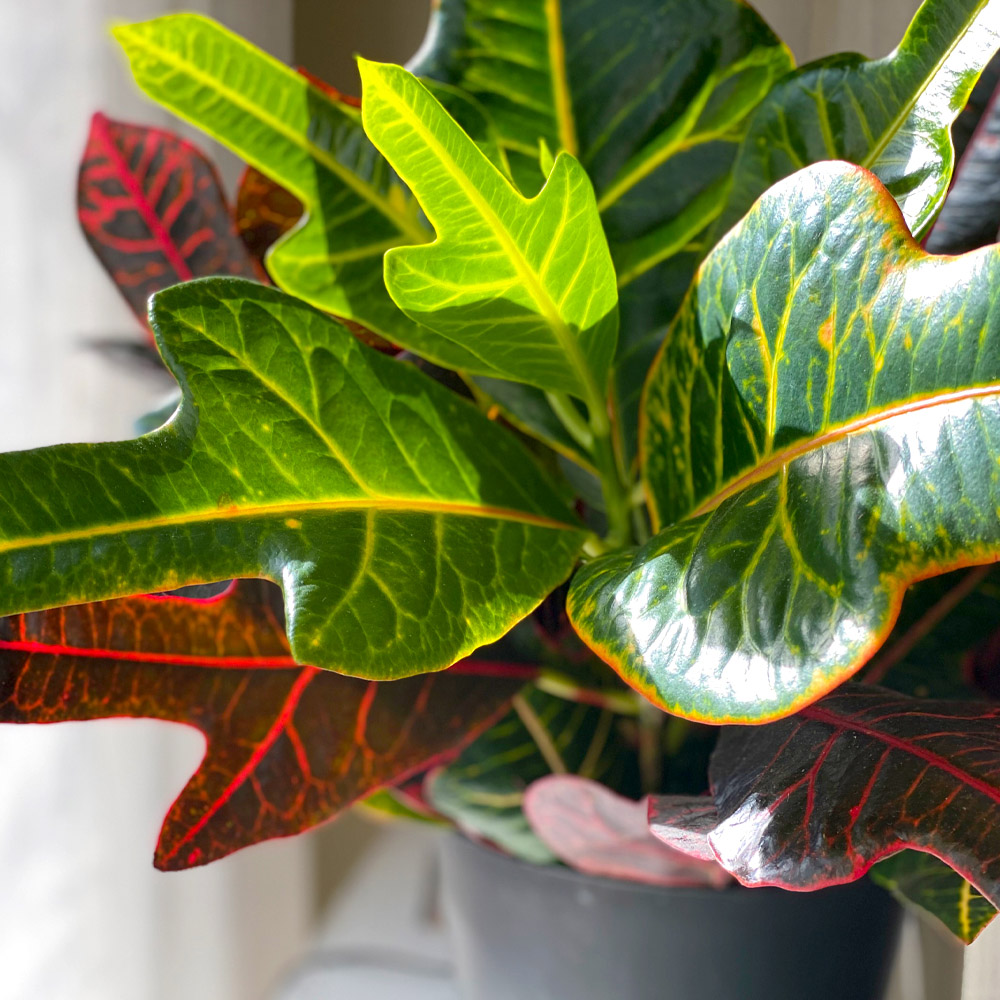
Just as you acclimated your plants to the outdoors in the Spring, it is a good idea to slowly get them used to being inside for the winter. This will reduce their stress when you finally bring them in altogether for the winter.
Aerate, re-seed and apply Fall Lawn Food to the lawn. Keep grass seed damp. You will also want to check for grubs. Increased activities of skunks, raccoons and moles as well as brown patches that peel back easily are an indication of grub activity. #lawncare#lawncaretips
Use bold foliage plants such as sweet potato vines as accents to add wonderful colors and textures that will complement your traditional fall plantings. #fallcolors#foliage
Few plants provide so much beauty with so little effort as ornamental grasses, and they highlight the fall and winter gardens with their lovely swaying foliage and seed heads. #foliage#grass
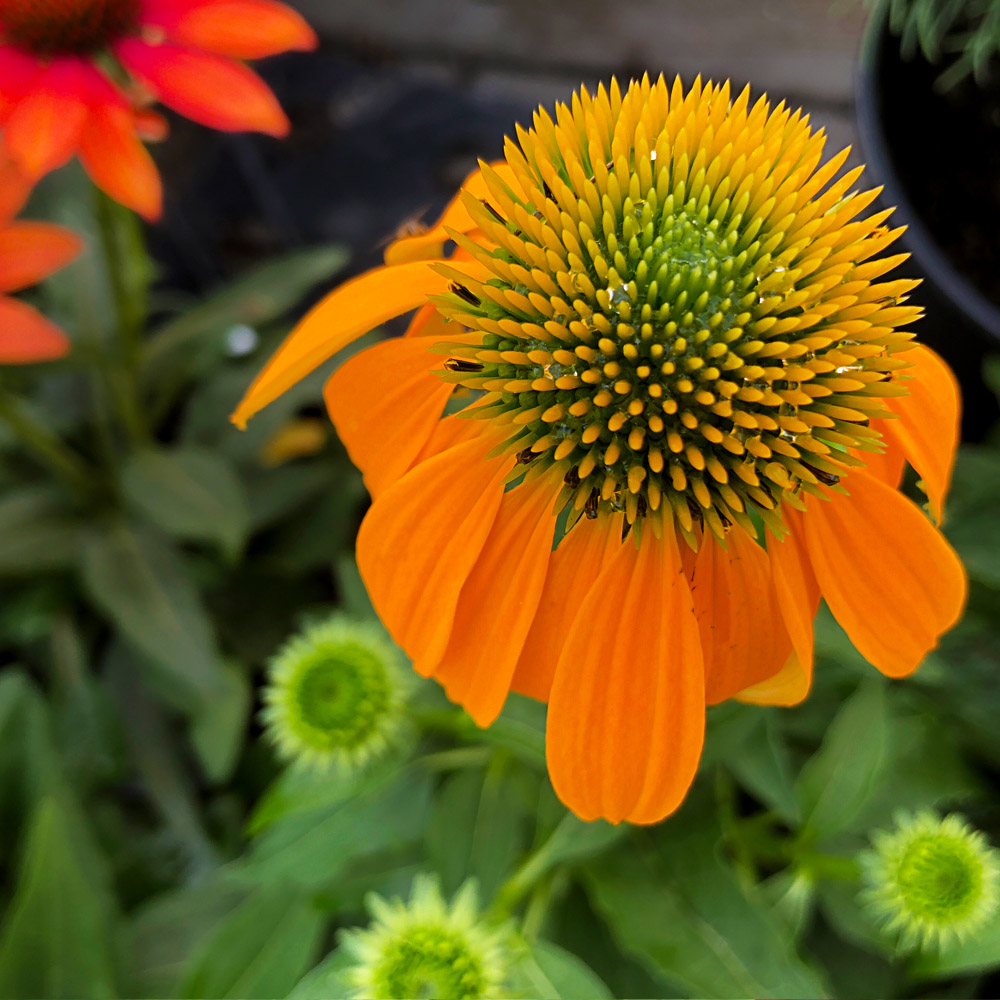
Consider leaving late-season flowers on coneflower plants to mature; the seed heads will attract many different birds and promote self-seeding if you want them to spread. #birds#seeds
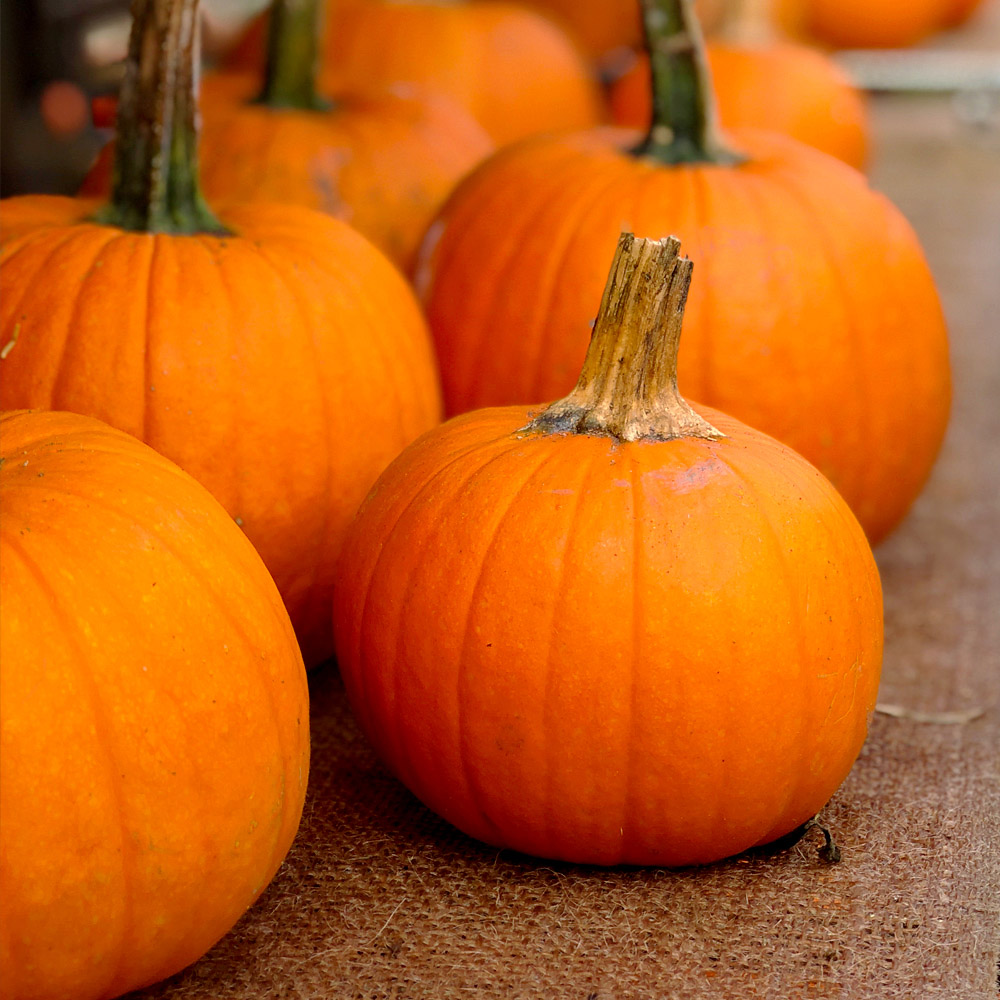
There is no wrong way to display pumpkins in the fall! Arrange them carefully or simply pile them up for a carefree, casual seasonal look. #seasonal#pumpkins
The late summer and fall garden comes alive with butterflies and hummingbirds busily feeding on your nectar-rich annuals and perennials. #butterflies#hummingbirds
Add a bit of fall color to the garden with Fall Pansies, Flowering Cabbage & Kale, Garden Mums, Fall-Blooming Perennials as well as Trees and Shrubs. Stop in early for the best selection. #pansy#mums
When few other trees and shrubs are flowering in late summer, crape myrtles deliver a welcome display of vibrant color in white, red, pink and lavender hues. #summer#color
Plant cool season vegetable crops now that will mature into the fall months. These include broccoli, cauliflower, Chinese cabbage, turnips, kale, mustard, spinach, lettuce, carrots, and beets. Keep seedlings and transplants well watered and mulched. #veggies#vegetables
Keep your container gardens looking their best through the summer heat by keeping soil moist and fertilizing regularly. As cooler fall weather approaches, you will see an increase in more vigorous growth. #containergarden#summerheat
Gardening is an activity that everyone can enjoy. People with disabilities, seniors and children can find it especially rewarding to spend time in the garden tending plants and growing their own food. #gardensforeveryone#gardeningforthesoul
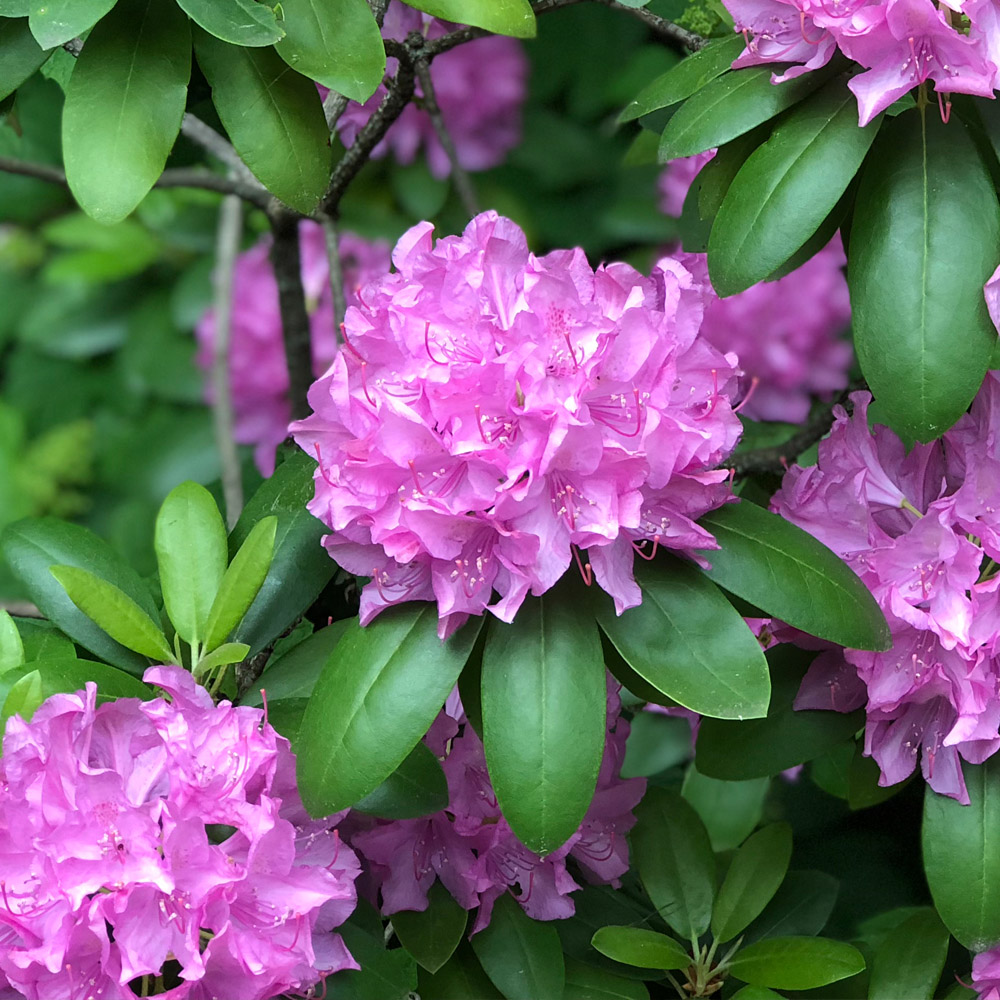
Some shrubs need weekly deep watering now. Rhododendrons are beginning to form flower buds for next year's show, and adequate water is vital. Fruiting plants, such as hollies and firethorn, need water to ensure berries mature and don't drop.
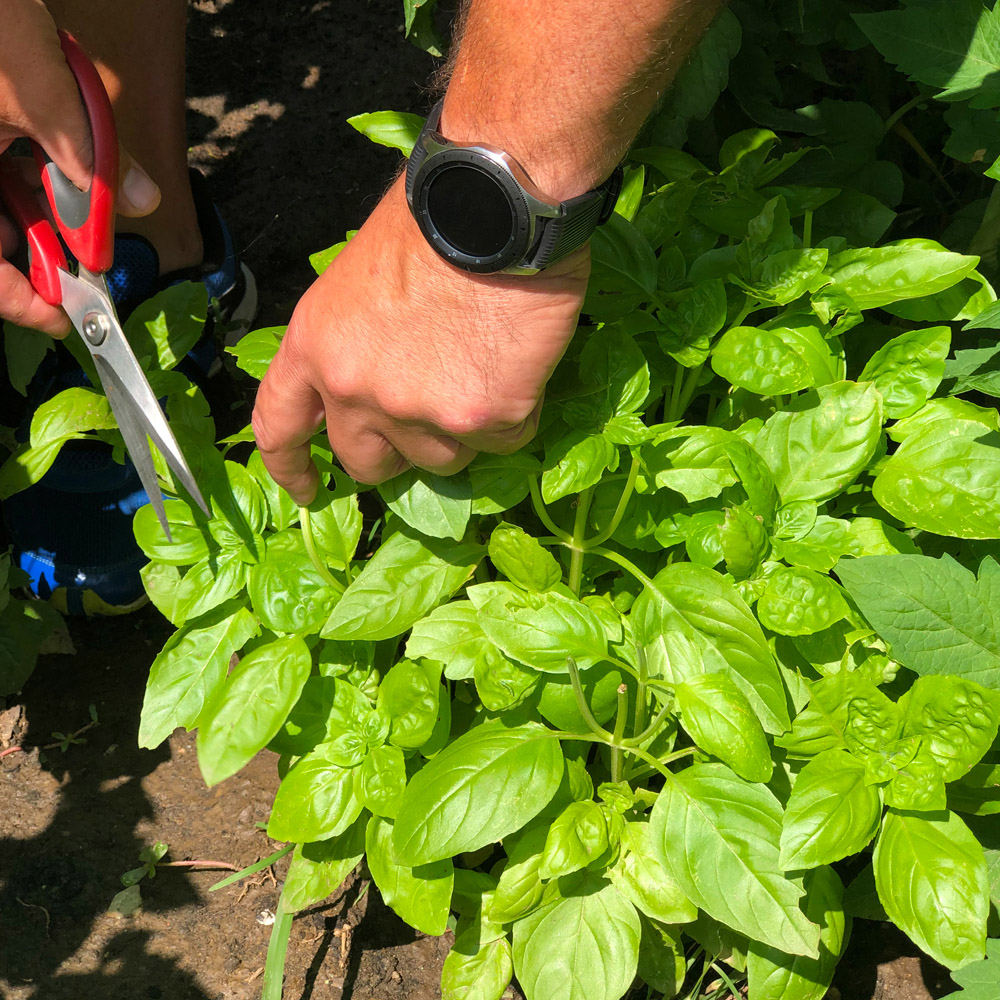
Herbs are best harvested just as they are beginning to flower. That's when they have the highest concentration of essential oils, and flavor, in their leaves. Harvest entire branches back to within a few inches of the main stem to encourage new, bushy growth.
As August arrives, put away the pruners as far as evergreens are concerned. If you prune now, you risk plants pushing new growth, which won't harden off and will be killed during winter's chill.