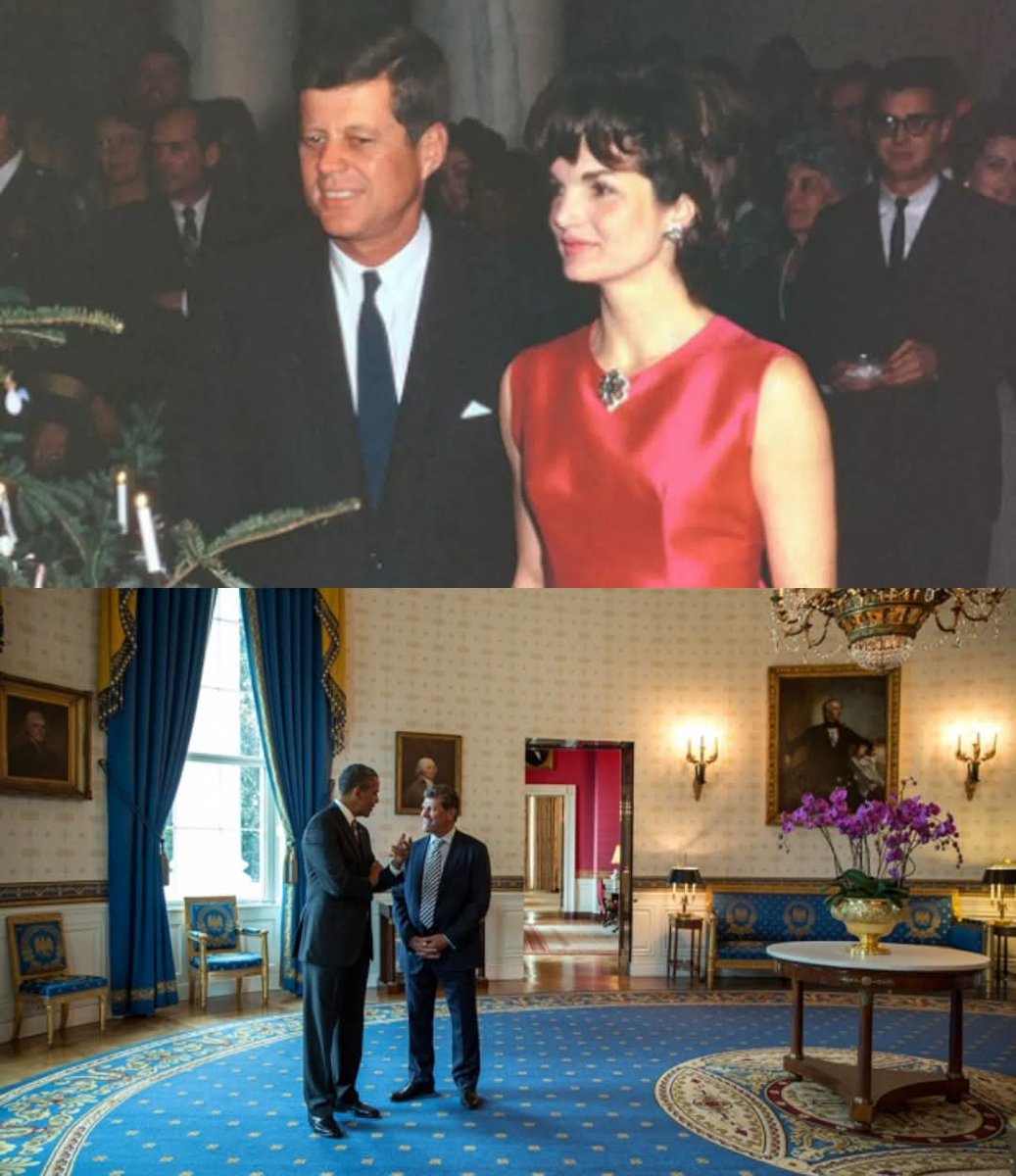
Jackie Kennedy was 31 when she decided the White House belonged to the American people. Then she made it the law.
She arrived in 1961 to find the people's house filled with reproductions and department-store furniture, the real treasures sold off or scattered across a century. She laid out the mission in Life magazine that fall: "It would be sacrilege merely to 'redecorate' it—a word I hate. It must be restored. That is a question of scholarship."
So she did the scholarship. In her first weeks she assembled a Fine Arts Committee and began hunting down the lost pieces of every presidency, desk by desk, portrait by portrait. She hired the first curator in the building's history. She founded the White House Historical Association to pay for it all without a dime of tax money. And she pushed Congress to pass the 1961 law that made every historic piece in that house the permanent property of the American people, immune to the whims of whoever lives there next.
Then she showed the country what it owned. On February 14, 1962, she walked America through its house on television. Fifty-six million people watched, a record. If you were a kid in 1962, you saw it in your living room, probably next to your mother.
Outside the East Wing, she started one more project: a garden, designed with her friend Bunny Mellon. She never got to finish it. In April 1965, Lady Bird Johnson completed the work and dedicated it to her predecessor. "There could be only one name for this garden," she said at the dedication. "This garden, every detail of it, reflects the unfailing taste of the gifted and gracious Jacqueline Kennedy."
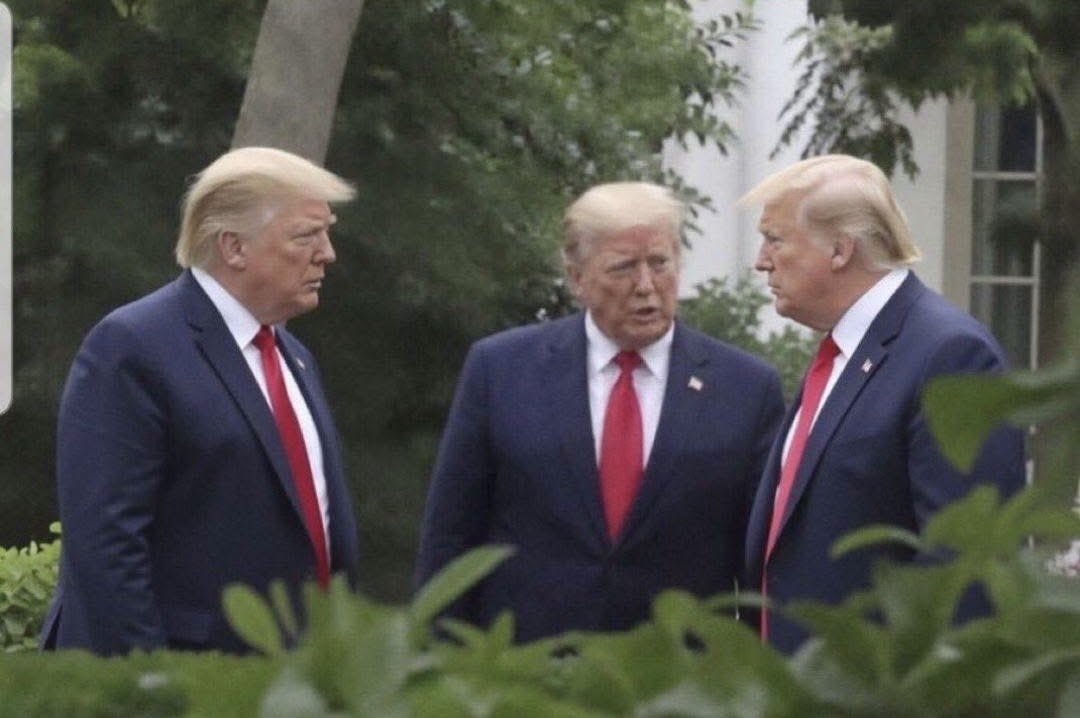
Last October, Trump's crews took about a week to demolish the East Wing, the First Ladies' wing, making room for a roughly 90,000-square-foot ballroom. The Jacqueline Kennedy Garden went with it, razed to bare dirt. He had promised, on camera: "It'll be near it but not touching it." His press secretary had promised: "nothing will be torn down."
The builder's own estimate now puts the ballroom at $600 million, more than $300 million of it from taxpayer-funded accounts, despite his pledge that taxpayers wouldn't pay a cent. The private money comes from donors including Apple, Amazon, Google, Meta, Lockheed Martin, and Palantir.
When Americans were polled on the demolition, they opposed it two to one. Her grandson, Jack Schlossberg, answered: "My grandmother saw America in full color — Trump sees black and white."
But here is what the wrecking ball could not reach. The Red Room, the Blue Room, the State Dining Room: every room she restored still stands untouched in the residence. And the collection she assembled can never be sold, hauled off, or handed to a donor, because the law she won in 1961 made it yours, permanently. It would take an act of Congress to undo what a 31-year-old First Lady did.
He got a wing and a garden.
The house is still yours. She made sure of it, sixty-four years ago.
—
"La Batterie à Montfoucault" (La trilladora en Montfoucault) es una relevante obra del maestro impresionista franco-danés Camille Pissarro, la cual captura las dinámicas de la vida agrícola de finales del siglo XIX.
El término "batterie" en el de la época no se refiere a armamento militar, sino al proceso de trilla (el batido de las plantas para separar el grano de la paja).
Esta pintura cuenta con una versión final al óleo y un famoso estudio previo en pastel.
Para entender esta obra, es indispensable conocer el fuerte vínculo que unía a Pissarro con el pequeño pueblo de Montfoucault, situado en la región de Mayenne (límites de Bretaña, Francia).
En la década de 1860, Pissarro entabló una profunda amistad con el también pintor Ludovic Piette, quien poseía una finca agrícola en Montfoucault.
Cuando Pissarro atravesaba crisis económicas o buscaba aislarse del bullicio parisino, viajaba a esta granja.
En una carta enviada a Piette antes de una de sus largas estancias, Pissarro expresó su inmensa alegría por viajar a una región donde por fin encontraría "el verdadero campo" ("la vraie campagne").
Allí pintó cerca de una cincuentena de composiciones dedicadas a estanques, animales, campos nevados y las rutinas diarias de los campesinos.
Aunque el óleo definitivo está fechado en 1883, Pissarro comenzó a idear la composición casi una década antes.
El estudio preparatorio (Étude pour la batterie à Montfoucault), realizado entre 1874 y 1875, es una obra de arte muy valorada por sí misma.