It's been a nice break but the Stay Zero Podcast is back!
Meet Romeo Santiago, a Marine Scout Sniper who deployed to Ramadi in the heart of the Iraq war. A priority mission came down the pipe that required snipers, but they were already tasked out, so the team was divided. What was presumed to be a routine Guardian Angel position turned into a life altering nightmare after a few missed comm checks.
Snipers in Vietnam operated in 2 man teams, snooping and pooping in the jungle. Anything more was excess movement and noise. The desert terrain bumped that number to 4. After this mission the Regiment increased the minimum for any unit leaving the wire to 8.
The numbers gave comfort to Commanders but was not well received by the snipers who's SOP's were all built around 4 man teams. Two men can hide pretty well. Four requires a bit more planning. Eight was operationally counterproductive and left sniper teams to operate more like a squad with long range capability.
Join Zac and Romeo to hear his story, how he's navigated the transition home, and the incredible challenge he's taken on to honor their sacrifice. Running 34 miles a day, for 5 days, finishing at Camp Pendleton.
Deepest apologies for the audio. Zac's mic wasn't functioning so they tried their best to recover it. It's a hot mess but a great story regardless. We've taken measures to prevent this in the future.
Always Beside You 🫡📷
Nuclear Test Dummies "Operation Grapple"
1952-1958 Cold War
After they built the bombs, they had to test them. Britain wanted to know what nuclear war would do to men and machines. So they decided to test it, on their troops! 📷
Roughly 22,000 British soldiers, sailors and airmen took part in the atmospheric test program. Some supported the detonations, handled contaminated equipment, or deliberately flew into radioactive clouds to collect samples. At Maralinga in 1956, about 250 officers were officially designated “indoctrinees.” Their purpose was to "experience the flash", heat, and blast of a nuclear explosion so they understood what an atomic battlefield looked like. But the true bill for that experience didn't arrive for a few decades.
Veteran Ken McGinley later told Parliament that at Christmas Island he covered his eyes with his hands when the bomb went off. The flash was so intense he could see the bones inside them. The tests were not random cruelty. Britain was building a nuclear program and wanted to know what to expect from an enemy that is exposed to a nuke. That's what makes the story unforgivable. When your gov decides military necessity and human experimentation can occupy the same exercise, without the consent of the men they've selected. But they weren't done there.
Decades later, veterans reported cancers, infertility, miscarriages and illnesses among their families. Veterans spent years asking where their medical and radiation records were. In 2026, former Defence minister Tobias Ellwood admitted he had misled Parliament after being told information about blood testing could not be found. The bombs lasted seconds but the argument over accountability for it was never settled.
More about their story can be found here: https://t.co/3z08vuRsPv
War guarantees dangerous things will be tested. The question is whether the men standing inside the experiment were ever given enough truth to understand what they were being asked to risk.
Which brings to question, what's the nuclear test of your time? Was Agent Orange the nuclear test of the 60's?
Was Anthrax the nuclear test of the early 2000's?
Was Covid the nuclear test of the 2020's? 📷
US Navy landing party coincides with International PingPong Tournament in Thailand
After a 286-day deployment, roughly 5,000 sailors and Marines aboard the USS Abraham Lincoln finally pulled into Thailand for five days of liberty. If you have ever served, you already know where this is going. 👀📷
Pattaya grew into an R&R town during the Vietnam War and never replaced the business model. When word spread that several thousand Americans were inbound after months supporting combat operations against Iran, local officials began preparing for debauchery.
Police swept the beachfront before the carrier arrived. Twenty-five people were cited in one prostitution crackdown, including Thai, Lao and Ugandan "presumably" female nationals.
When questioned, Pattaya’s police chief said, “We are doing our best, but it is difficult." Reportedly, 40 to 50 detained in the broader operation had become combative. Firing pingpong balls, darts, and loose change at the advancing officers. Luckily, they were able to track them by following the jingle and the trail of debris that left the officers with musky fingers and sticky pockets. Charges for the reckless discharge are now pending.
The Navy appears to be taking a halfhearted approach. A few shady streets, cannabis shops, pharmacies, and water activities were off limits. BUT! Walking Street, Pattaya’s nightlife strip, totally fine until 0200. 😂📷
So after nine months deployed, the Navy's best plan was no jet skis, no weed, no mystery pills, avoid these three streets, and whatever happens on Walking Street needs to be wrapped up by two. Or at least wrapped up by something...
Pattaya’s mayor was already openly calculating the economic impacts. Thousands of Americans after months at sea could dump millions into hotels, restaurants, and bars. They'd spend a lot of money too! 🤔📷 😂📷
Some things never change. Navies have had this problem for centuries. Find a port, issue the liberty brief, draw a few red lines, and crucify whoever gets caught.
It reminds me of an old Libo brief my First Sergeant used to give.
"Remember boys! Flies carry diseases! So keep yours ZIPPED!"
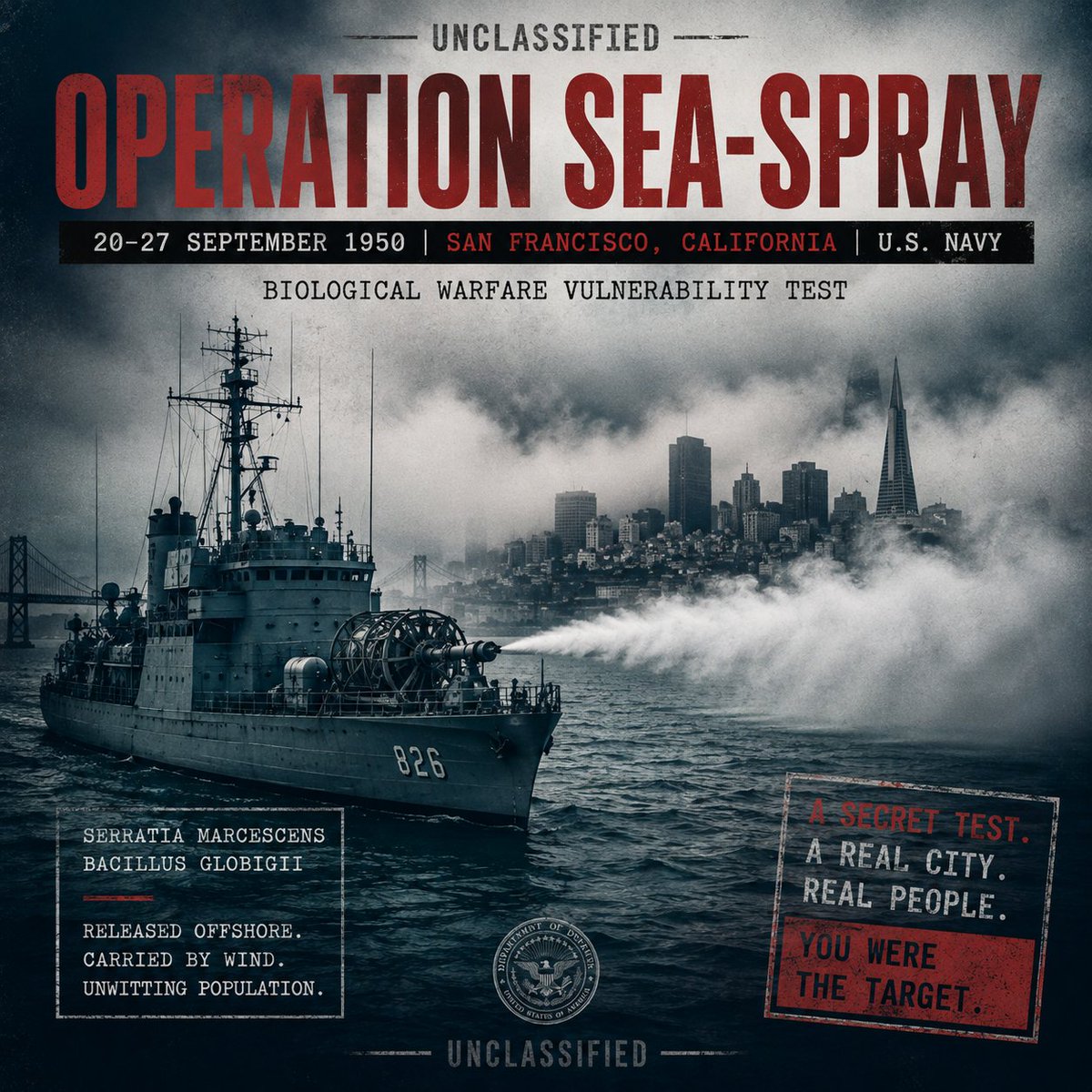
Bio-Nuking San Francisco
September 1950 U.S. Navy & U.S. Army Chemical Corps
In September 1950, the U.S. military wanted to know what would happen if an enemy ship released a biological weapon off the American coast. SO THEY TESTED THE IDEA ON SAN FRANCISCO!🤯📷
A Navy vessel offshore sprayed clouds of Serratia marcescens and Bacillus globigii into the coastal air. The organisms were chosen because planners believed "they were harmless and easy to track". The wind did the rest. The bacteria moved across the city while roughly 800,000 people went about their lives with no idea they had become part of a biological experiment.
Forty-three collection stations tracked the cloud. Samples showed it spreading across San Francisco. From the military's perspective, the test worked. An agent released offshore could penetrate a city quietly and without anyone recognizing the attack while it was happening.
Then reality replaced the assumption that the bacteria was harmless. Soon afterward, Stanford Hospital documented an unusual cluster of Serratia infections in 11 patients. One, Edward Nevin, died. A direct causal link to SEA-SPRAY was never conclusively proven, but Serratia is now recognized as an opportunistic human pathogen. An easy mistake any gov could make. 👀📷
San Francisco was not an isolated experiment. Later congressional testimony revealed that the U.S. military conducted 239 open-air biological and chemical tests between 1949 and 1969, including other releases into populated areas.
That is where SEA-SPRAY stops being merely a wild story. The government did not ask for consent. It did not warn anyone or give them the ability to refuse. The population was useful, because it was real, dense, unsuspecting, and available.
The tactical lesson was that biological weapons could move through a city with frightening ease. The moral lesson was far darker. Once a government decides its own citizens are acceptable test dummies, the battlefield has already moved inside the wire.
Is your government serving it's citizens best interests? If not, then why not? 🤔📷
Foundation Phantom MK-1
The first models couldn't fire a rifle or stand up after it fell, but Ukraine is testing them anyway. It is not a Terminator yet, just a rough draft.
Foundation Future Industries is now providing Phantom MK-1 humanoid robots to Ukraine for field testing. Their work is reportedly limited to logistics, reconnaissance, inspection, and handling weapons rather than firing them. So they say. 👀📷
The MK-1 stands roughly six feet tall, weighs about 176 pounds, and is built to move through the battlefield like a person would. Particularly terrain that stops wheeled robots and forces us to solve problems with human meat bags. That is the real military value they're proposing. A logistical machine that can carry ammunition, inspect a room, enter a contaminated building, move through rubble, or look around a corner where somebody may be waiting.
The uncomfortable part is we all know how quickly “support robot” shifts into, "anything we can get this thing to do." Fill sandbags? Stand fire watch? Clear a building? Retrieve a down soldier in open terrain? Shake a port-a-jon while the Lt is feeding the geese? How many of your platoon would have to die until you strap a claymore to it's chest and run it through the city like an RC car? 🤔📷
Don't pretend that didn't excite you a little bit.
The company is now exploring kinetic applications. The planned MK-2 is supposed to resolve a lot of the current limitations around strength, mobility, and armor. Every military technology looks clumsy before it's optimized for effect. Early drones were fragile, short-ranged, and we broke them like it was our job. Now they hunt, guide artillery, and unlock a new layer of battlefield paranoia. Humanoid robots will undoubtedly follow the same path.
The first useful battlefield humanoid will probably just carry the load, open the door, check the stairwell, and store emergency dip. And that is exactly how new technology becomes gradual implementations that never go away. They start off as convenience and end with "I'll be back." 😂📷
Would robot wars be better than human wars? 🤔📷
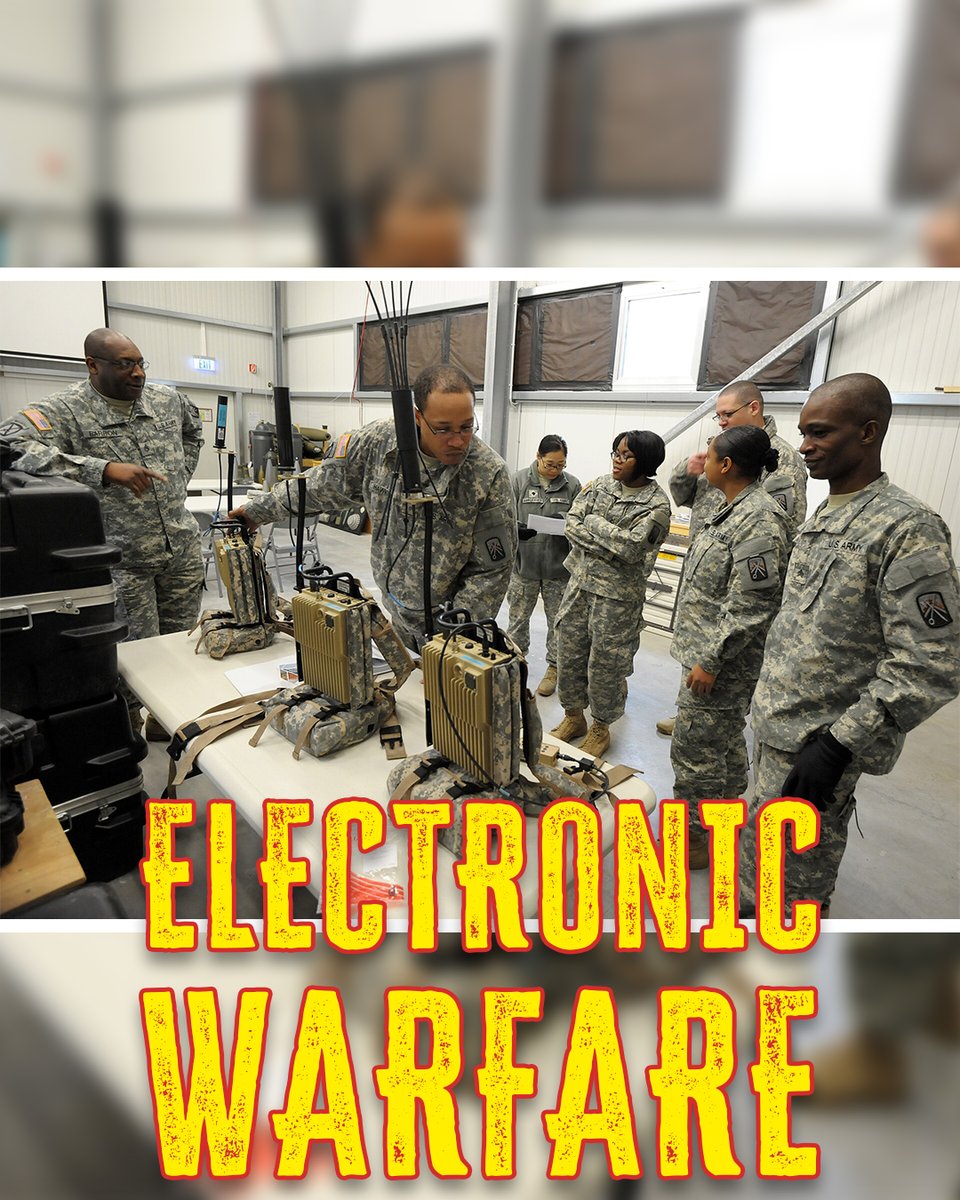
THOR III (AN/PLQ-9) - Signal Jammer for RCIEDs &
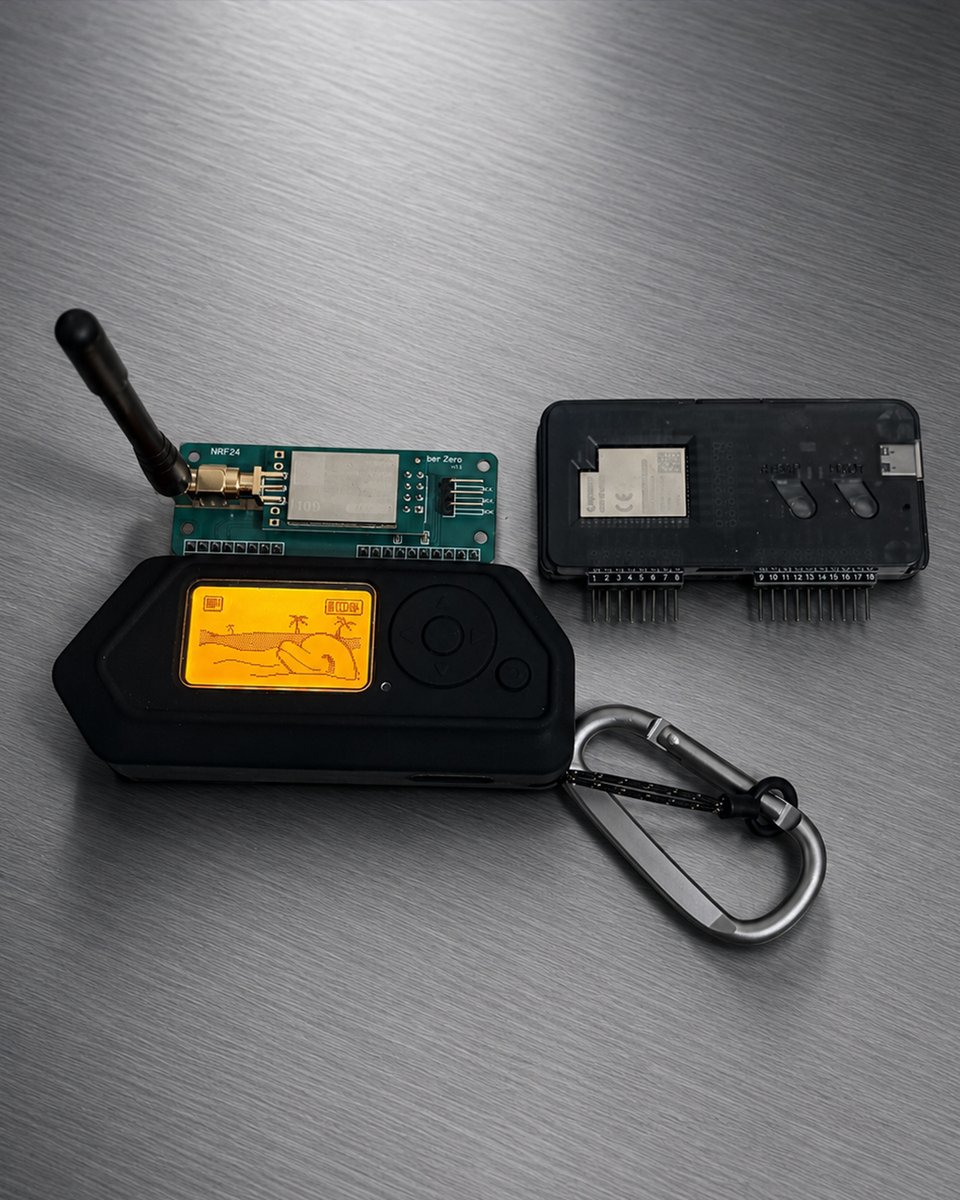
Flipper Zero - Personal Access & Convenience
First up: the THOR III (AN/PLQ-9). This isn't your average signal booster; it’s a backpack-mounted beast designed to stop RCIEDs (Remote Controlled Improvised Explosive Devices) from ruining everyone's day. Developed by Sierra Nevada Corp, this was a “portable” high-stakes mute button for bombs, precision-jamming detonation signals so dismounted troops can walk through a minefield without becoming a statistic.
Then on the civilian side, the Flipper Zero is hacker cosplay with enough real capability to make the joke uncomfortable. It looks like a Tamagotchi raised by a pen-tester, with a cyber-dolphin that gets happier when you use it to poke at your "digital environment". Under the toy shell is a pocket-sized digital multitool. The Flipper isn't hacking nuclear codes. But it does a good job exposing how much of modern life still runs on old protocols, weak identifiers, and unencrypted signals. But that's also why it is useful. A normal person can learn what signals surround them, consolidate remotes, test equipment they own, experiment with electronics, or understand how physical access systems work.
The Flipper Zero is not dangerous because it creates new vulnerabilities. It is dangerous because it makes old ones visible, portable, and fun enough that people finally start looking for them.
The video demonstrates the only way to listen to a Taylor Swift song via Bluetooth headphones.
This cartoon was published in 1914, before America entered the First World War. Before Normandy, Vietnam, Fallujah, and Helmand. Before more than a century of speeches promising that this war would be necessary, this one would be different, and couldn't be avoided.
The drawing is brutal because it doesn't waste time pretending. A soldier, blown apart and dragging himself forward with his hands, leaves his intestines behind him as he crawls toward a comfortable businessman seated in an oversized chair. The businessman leans forward with a medal in one hand and the possibility of a job in the other. "After the War... A Medal and Maybe a Job."
John Sloan wasn't mocking the soldier. He was asking a question that has survived every war in history. Who benefits when nations go to war, and who gets left with the bill?
For all the progress we've made over the last hundred years, that question still seems to make people uncomfortable. We've revolutionized the machinery of war. We can watch a battlefield from space, strike a target from another continent, and deliver enough firepower to erase a city before breakfast. Yet somehow the burden of proof for going to war still feels lighter than the burden carried by the people expected to fight it.
The men who go are almost always told they are defending freedom, protecting democracy, stopping the next threat before it reaches home. Maybe those claims are true. Maybe they aren't. But if history has taught us anything, it should be that those explanations deserve relentless scrutiny before the first convoy rolls out. Not decades later when the archives finally open and everyone admits the story was all bullshit to justify a far more nefarious plot.
The remarkable thing isn't that this cartoon existed in 1914. It's that after more than a century of war, technological progress, and promises that we've learned our lesson, the question it asks is still unanswered. If there is one lesson worth carrying forward, it isn't that every soldier deserves another ribbon. It's that every government should face impossible questions before asking another generation to come home wearing one.
In 2007, 2nd Battalion 7th Marines had a unique way of rewarding the snipers for a successful mission. Instead of another challenge coin, they handed out a Battalion Commander's 72-hour Liberty Passes.
This first one came after the first mission of the deployment. A leader's recon to get oriented to the area turned into an opportunity. As the sun rose, they identified three insurgents placing an IED south of Saqlawiyah. Watching for 3 hours in the reeds along the river's edge, finally 2 of them sat down 400m away, pulled AKs out of their jackets, and the green light was given. The certificate documented the engagement, then rewarded the Marines with three extra days of leave when they got home.
It sounded like a good idea at the time, and the snipers certainly weren't complaining. The funny part is these were handed out several times during the opening weeks of the deployment. Then someone higher up apparently realized the battalion might be giving away a lot of 72-hour passes if things kept pace. The incentive quietly disappeared. Every unit had its own traditions. Some gave coins, handed out beers, but 2/7 decided combat effectiveness was worth a three-day weekend.
Curious what incentives or attaboys the rest of you got. Did your unit have any strange traditions, or memorable ways of recognizing a successful mission?
Operation Fishbowl
JULY 8-9, 1962
Cold War
Johnston Atoll
The United States did not nuke the sky by accident. It put a thermonuclear warhead on a Thor missile, launched it from Johnston Island, and detonated it roughly 400 kilometers above the Pacific. The shot was Starfish Prime, part of Operation Fishbowl, and the yield was about 1.4 megatons.
The Cold War logic was clean enough on paper. If the Soviets were building missiles, America needed to know what nuclear explosions would do above the atmosphere. Could a high-altitude burst blind radar? Kill incoming warheads? Break communications? Fry electronics? Turn the upper atmosphere into a weapon? So they tested it.
The blast lit the Pacific and produced an electromagnetic pulse stronger than expected. Some instruments failed because the event outran the measurement plan. In Hawaii, about 900 miles away, streetlights went out, burglar alarms started screaming, and the telephone systems was damaged. Nobody dropped a bomb on Honolulu, the wiring got fried from space.
Then came the interesting part, the unintended consequences.
Starfish Prime injected charged particles into Earth’s magnetic field and helped create an artificial radiation belt. Satellites started dying early. NASA was learning how to operate inside the natural Van Allen belts. Washington had just unintentionally built a dirty training field overhead.
This is where the conspiracy version gets lazy. The CIA did not secretly launch the shot. The test belonged to the geniuses at the weapons and defense establishment and approved by JFK. But the intelligence world lived inside the consequences. It watched Soviet nuclear tests, measured foreign capabilities, and read signatures.
We’re all lucky that nuking the sky “only” burned out satellites and blacked out cities. If they’d kept going, I wonder how many nukes would it take to destroy the atmosphere and humanity with it.
Tinian, Mariana Islands
24 July 1944.
WWII U.S. V Amphibious Corps
2ND and 4TH Marine Divisions vs. Japanese Army
Tinian sat three miles from Saipan, flat, hot, and valuable. The Marine Corps wanted it, and the Japanese knew it. The obvious beaches were near Tinian Town and Sunharon Harbor. It was wider, cleaner, and exactly where Japan focused their defenses to slaughter the Americans.
But the strategy was predictable, so they put the Recon teams to work. White Beach 1 and White Beach 2 were barely beaches. One was only 60 yards long with coral, reefs, tight lanes, and almost no room for men, vehicles, or mistakes. On paper, they were terrible ideas, but that was the point.
Recon Marines and Underwater Demolition Teams went in at night and checked whether infantry and vehicles could get ashore without everybody drowning. The answer was yes, barely, if they left the swim waivers in the motor pool, but it was doable.
On July 24, 1944, about 15,600 Marines landed and the plan worked. The Japanese had built their attention around the convenient beaches. By 0800, three battalions were ashore in about 20 minutes with bulldozers and tanks shortly after.
The fight was still ugly as the Japanese counter attack hit that night. Mines, caves, heat, and close terrain still had to be paid for in blood. The Americans lost 389 killed and 1,816 wounded. More than 5,000 Japanese troops were killed. Thousands of civilians died or were interned.
By August 1, Tinian was secured. Then Seabees turned it into one of the busiest airfields of the war. B-29s launched from there against Japan, including Hiroshima and Nagasaki.
Sometimes when you know you're in a fight, and you know that they know, you know what they know, you know they know. You can catch em with their kimono down.
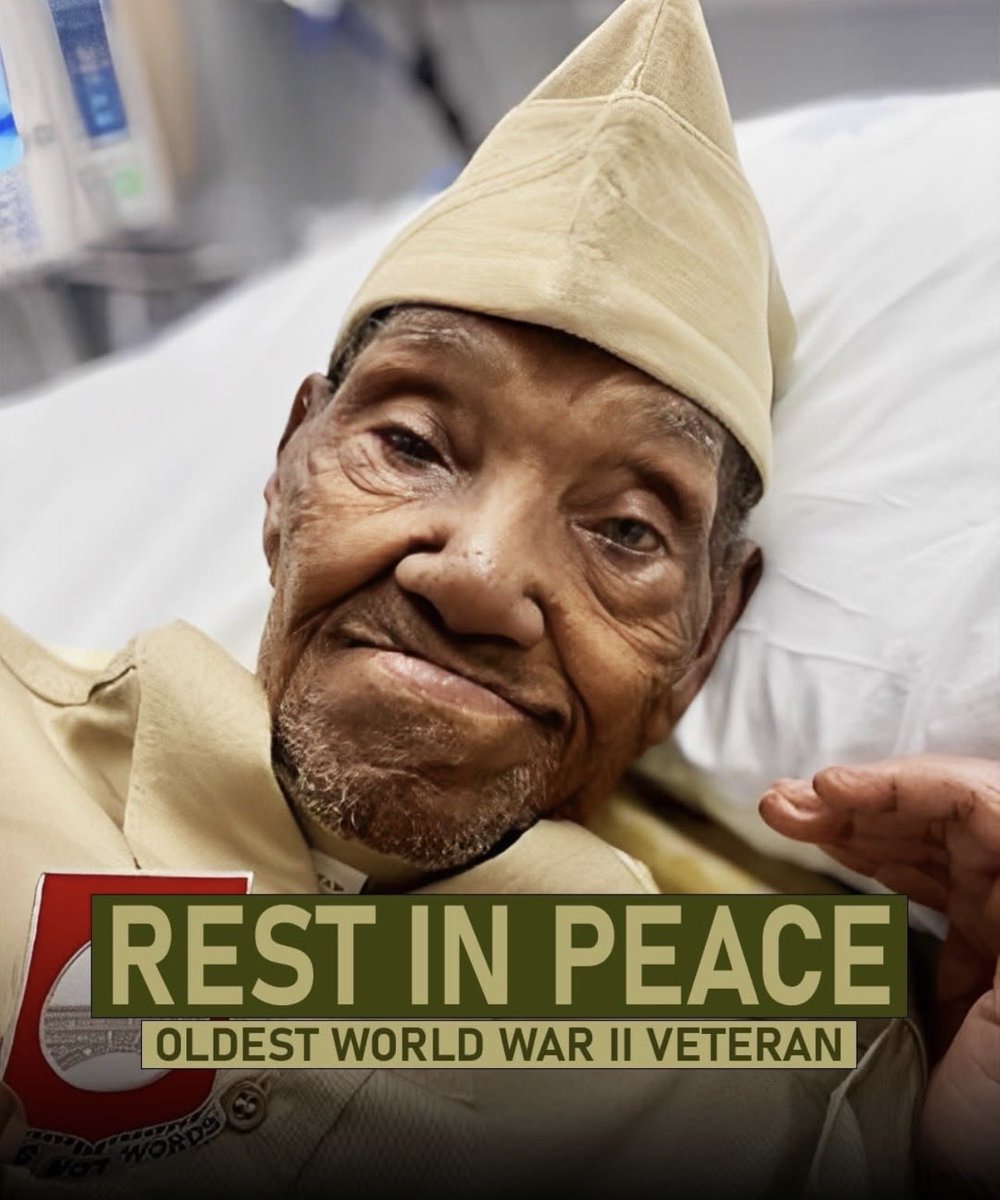
Lawrence Brooks, the oldest World War II veteran in the United States and believed to be the oldest man in the nation passed away at the remarkable age of 112.
With his departure, the world loses not only a man, but a living witness to history, a member of the Greatest Generation whose courage, endurance, and quiet dignity carried him across more than a century of change. His life stands as a testament to service, sacrifice, and unwavering strength.🕊️🇺🇸
#TheGreatestGeneration #RIP
Marvin Heemeyer Bulldozer Rampage
June 2004.
Granby, Colorado.
Marvin Heemeyer was a muffler shop owner in a mountain town of 2,000 people. He was in an ongoing property dispute with a growing belief that the town had sided against him.
The fight started over the land nextdoor. The Docheff family wanted to put a concrete batch plant beside him. Heemeyer fought it through town meetings, lawsuits, and code dispute that is supposed to make citizens feel heard.
In his mind, the channels were fake. The board, the concrete plant, the courts, the fines, all of it became one machine grinding him down. Then came the sewer issue with access problems, code violations, and fines. He paid one city check with a single word written on it. “Cowards.”
For more than a year, Heemeyer worked inside a steel shed. He armored a Komatsu bulldozer with steel and concrete, sealed himself inside, mounted cameras to see, and strolled into town in his private war machine. No escape hatch and no surrender plan.
On June 4, 2004, he sent it.
Marvin crawled for more than 2 hours, crushing the town hall, local newspaper, concrete company, homes, and businesses linked to people he believed had targeted him. The police fired at him but it did nothing. He was probably having a pretty awesome time. I'm curious what playlist he went with. 🤔
No one other than Marvin died, but it wasn't for lack of effort. Five children were rushed out of the library just before he hit town hall. He had a 50 cal M82 mounted and fired at police.
Eventually, the machine buried itself inside a hardware store and stopped moving. SWAT moved in and Marvin shot himself while inside the cab. The internet still praises his legacy while Granby got left with the rubble, reputation, and the bill.
The sh!tty part is that Marvin was not imagining it. Small towns can quietly close ranks and become personal very quickly.
He felt cornered, fined, and unheard. So he made the choice that guaranteed nobody could ignore him. That is the tragedy. He jumped through all of the hoops and filed all of the documents. Somehow the system and community failed to notice or care that a man was drowning.
Tech Sgt John A. Chapman
U.S. Air Force Special Tactics Combat Controller attached to a Navy SEAL team
4 March 2002 War in Afghanistan
Posthumously promoted to Master Sergeant (MSgt) after his Medal of Honor award and Hall of Heroes induction.
Takur Ghar sat around 10,000 feet, cold and occupied. During Operation Anaconda, a special operations recon team tried to insert by MH-47 Chinook onto the peak. The bird came in. The mountain answered with RPGs and machine guns.
Razor 03 was hit. Navy SEAL Neil Roberts fell from the aircraft onto an enemy-held mountaintop. The damaged helicopter limped away and made an emergency landing miles off. John Chapman, an Air Force combat controller who was attached to the SEAL team, coordinated air support and the rescue effort on their way back to recover Roberts. They knew the hill was occupied. They chose to climb back into the fight.
Chapman came off the helicopter and moved uphill through thigh-deep snow under fire from multiple directions. He charged the closest bunker, closed with the enemy, cleared it, and killed the fighters inside. Then another machine gun opened up from a second bunker only 12 meters away.
Chapman left cover again and attacked the second position where he was hit hard. The team believed he was dead and broke contact. Thats the part that get's controversial.
Years later, overhead ISR footage forced the story back open. The grainy feed showed Chapman was still alive. He regained himself, moved, fought alone, and engaged enemy positions firing on the incoming QRF aboard Razor 01. A man written off by the chaos of the moment was still buying time for men who had not even reached the ground yet.
Chapman was later killed on that mountain. His Air Force Cross was upgraded to the Medal of Honor in 2018, making him the first Airman recognized with the medal for combat actions after Vietnam and the first Special Tactics Airman to receive it.
The hill doesn’t care what we write about it. But if we’re going to talk about Takur Ghar, we owe it to Chapman to keep the story as unforgiving as the ridge itself. RIP
The Field Delivery
1990s NATO Peacekeeping Operations
BOSNIA-HERZEGOVINA.
Anyone who has served knows one universal truth. No matter how serious the mission, some junior enlisted guy is trying to figure out how to get pizza delivered.
It happens on field exercises. It happens during land navigation. It happened in 29 palms for a fact where the pizza delivery guy kept a GPS for these order specifically.
Somewhere, right now, a boot lieutenant is explaining the tactical situation while a private is whispering to DoorDash driver in the port-a-jon.
During peacekeeping operations in Bosnia during the 1990s, that tradition reached a level worthy of military history.
As the story goes, troops operating in the region managed to arrange pizza deliveries despite being deployed in an active post-war environment. It's not completely unrealistic to think that if supplies could reach them, pepperoni could too.
The military can move tanks across continents. It can establish airfields in deserts. It can build logistics networks spanning oceans. But none of those systems are as determined as a bored and hungry Lance Corporal. Every unit has a legend about somebody ordering Chinese food to a range. Somebody getting a case of beer into a place it absolutely wasn't supposed to be.
The funny part isn't the pizza. The funny part is that human nature never changes. Give people advanced communications, transportation assets, and a complicated military operation, and sooner or later somebody is going to use all of it to solve a lunch problem.
History books remember campaigns, battles, and treaties. The guys who were there usually remember who figured out how to get pizza and beer delivered to the hidesite.
Just like combat, you only get in trouble if you get caught!
And since a bunch of guys whine about AI making an image here's a back up of some Army Maj
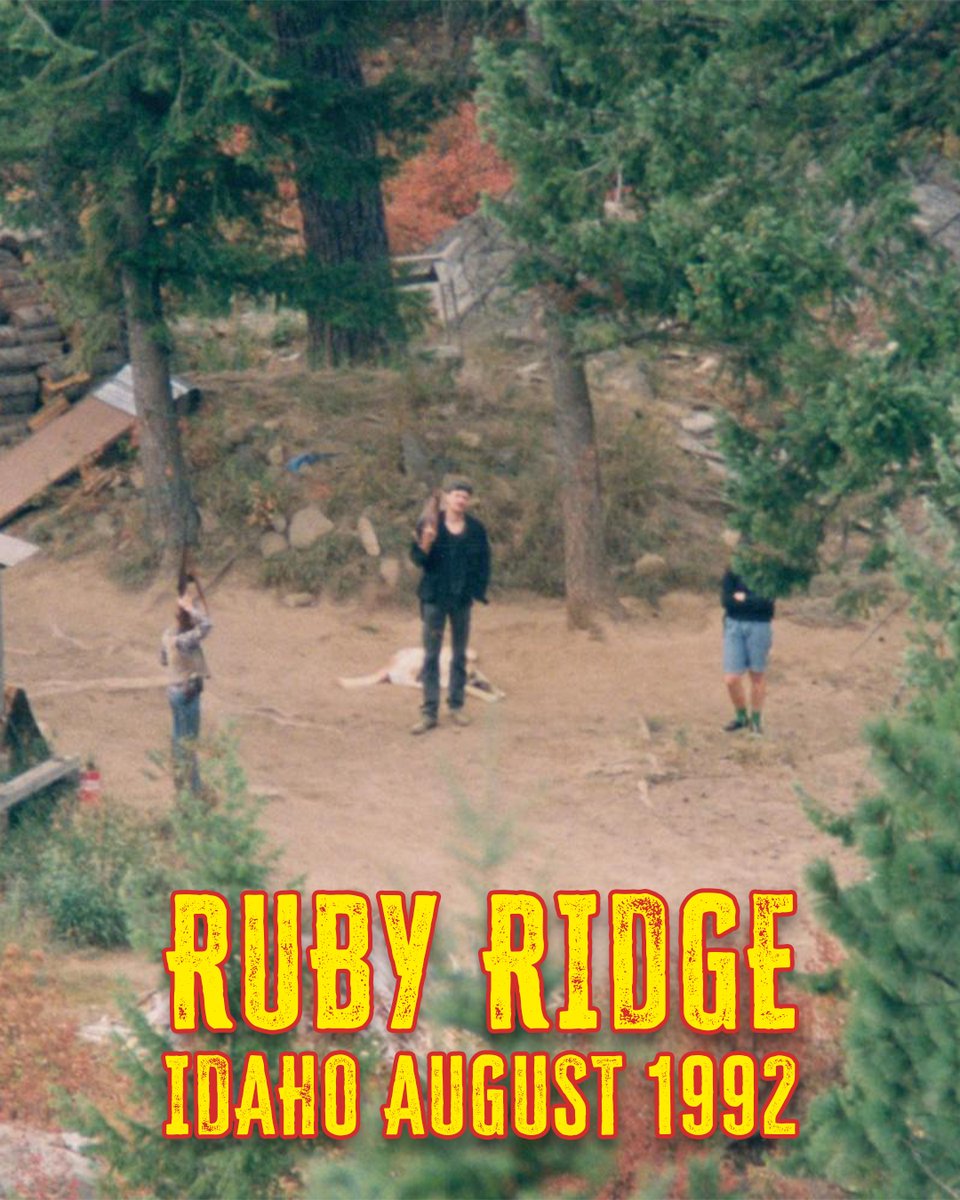
Ruby Ridge Standoff
August 1992, Boundary County Idaho
It started with a shotgun. Not a bombing or hostage crisis. Two illegally modified shotguns sold to an ATF informant.
Former Green Beret Randy Weaver lived with his family in a remote cabin on Ruby Ridge, Idaho. Federal authorities had approached him through an informant to recruit him to provide information on extremist groups. Weaver never became an informant, so the firearms case moved forward instead.
Confusion surrounding the appearance date led Weaver to miss court. A bench warrant was issued. What could have remained a relatively routine federal firearms case shifted into something sinister. U.S. Marshals started surveillance operations around the property shortly after.
On August 21, 1992, that tension exploded in the woods below the cabin. A reconnaissance team of U.S. Marshals encountered Randy Weaver's son Sammy, family friend Kevin Harris, and the family's dog. Exactly who fired first remains disputed. What is not disputed is the dog, Deputy U.S. Marshal William Degan, and 14 yr old Sammy Weaver were dead.
The FBI Hostage Rescue Team arrived the following day. Special rules of engagement were approved that went far beyond normal deadly force standards. FBI sniper Lon Horiuchi fired at Randy Weaver, wounding him. A second shot struck Kevin Harris and then killed Vicki Weaver as she stood in the cabin doorway holding her infant baby. Vicki Weaver was unarmed.
The standoff continued for days before negotiators finally convinced the survivors to surrender. When the smoke cleared, investigators began asking questions about the FBI's rules of engagement. Federal investigations identified serious failures in planning, leadership, and judgment. In 1995, the Weaver family received a $3.1 million settlement from the federal government.
The original crime involved two illegally modified shotguns (requested for by the ATF). The final tally was a dead federal marshal, a dead fourteen-year-old boy, a dead mother holding her infant daughter, years of investigations, millions in settlements, and another fracture in the public's trust. Sometimes "The Land of the free", teeters between slogan and reality.
Typhoon Cobra - The Pacific's Deadliest Ambush
18 DECEMBER 1944
PHILIPPINE SEA
U.S. THIRD FLEET
The Japanese couldn't find them, but the typhoon had no such problem. In December 1944, Admiral Halsey's Third Fleet was one of the most powerful naval forces ever assembled. The fleet had spent months battering Japanese positions across the Pacific and was preparing for the next phase of the war. Hundreds of ships, thousands of sailors, and enough firepower to level cities.
The first problem to present itself was fuel. Destroyers were running low, refueling operations were underway, and weather reports coming from different directions painted an incomplete picture. The fleet believed it was maneuvering around a tropical storm. Instead, it was sailing directly into the middle of it.
On the morning of December 18, Typhoon Cobra arrived. Waves towered over destroyers. Ships rolled so violently that some crews could no longer remain standing. Aircraft broke loose on carrier decks and smashed into each other like toys thrown across a garage floor. Fuel lines ruptured. Equipment tore free. Men fought just to stay inside their own ships. The worst hit were three destroyers. Hull, Monaghan, and Spence. All three capsized and disappeared beneath the waves.
The irony was brutal. These ships had survived combat against the Imperial Japanese Navy only to be sunk by wind, water, and physics. Nearly 800 sailors died and more than 100 aircraft were destroyed or damaged.
Dozens of ships suffered serious damage. No enemy attack caused any of it. The investigation that followed found no single villain. Forecasting technology was limited. Information was incomplete. Operational demands were real. But the disaster exposed a hard truth that every military eventually learns. Nature gets a vote.
Veterans understand this from experience. The mission is never just the enemy. Terrain, weather, and logistics are equally important. Ignore any one of them long enough and they become part of the fight.
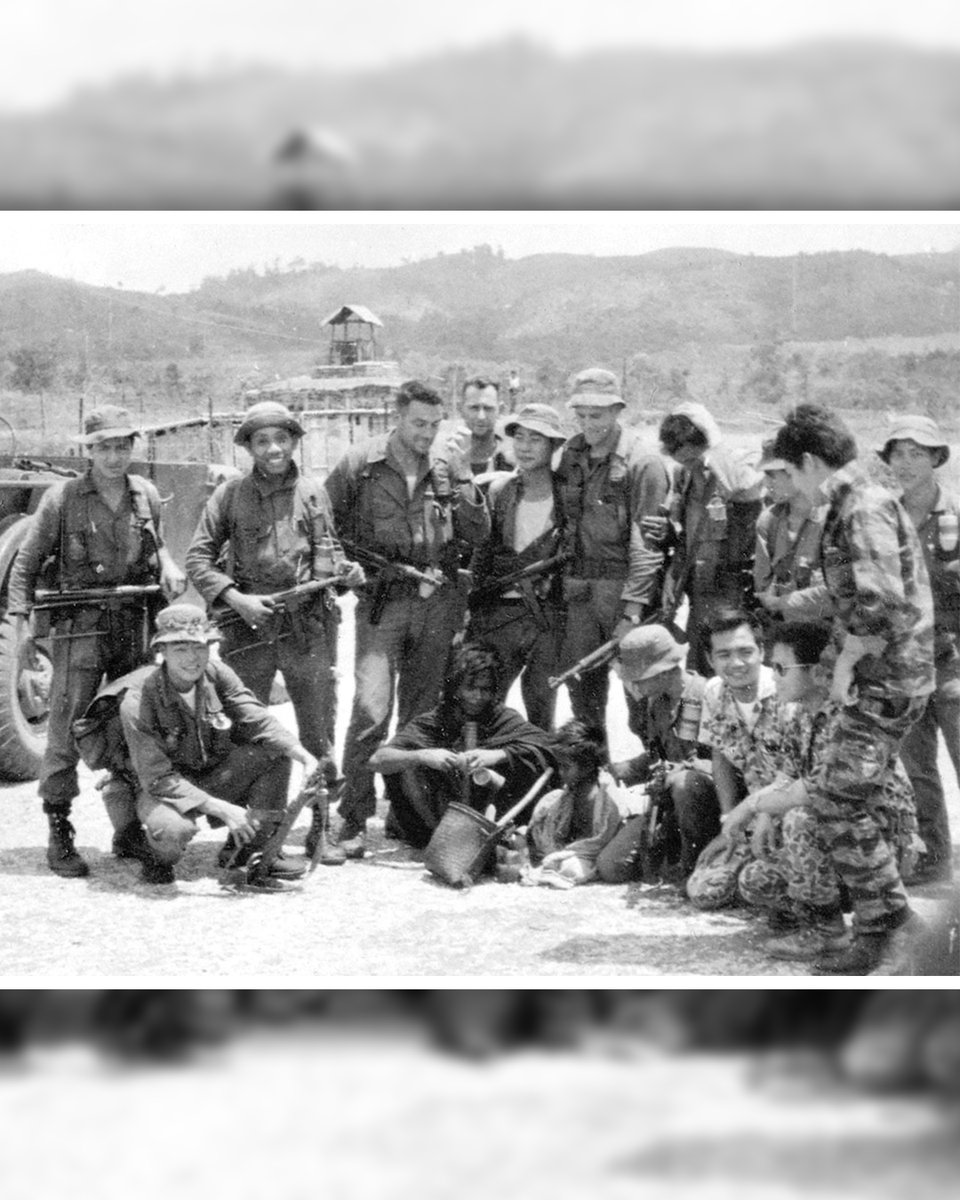
S.O.G. "Studies and Observations Group"
Vietnam War November 1968
MACV-SOG Recon Team Idaho
Near the Ho Chi Minh trail.
The irony is that “Studies and Observations Group” sounds like nerds writing reports somewhere in Saigon, when in reality it became one of the highest casualty-rate orgs in U.S. military history. SOG veterans joke that the name itself was part of the camouflage. Quiet title. Extremely violent work. Rule #1 - Don't Get Caught.
SOG recon teams crossed borders the United States officially denied crossing. Tiny patrols pushed deep into Laos to watch truck routes, track troop movement, call air strikes, and get out before the jungle swallowed them. Sometimes that plan lasted hours. Sometimes minutes. It was another example of the government saying one thing and blatantly doing another.
John Stryker Meyer was leading one of those teams when the jungle erupted around him. The NVA soldiers would hit their patrols with extreme violence at close range. The Ho Chi Minh trail was their lifeline and they protected it like a swarm of hornets.
This was the reality of SOG that people misunderstand. They were not clearing terrain, they were surviving detection inside enemy-controlled territory while massively outnumbered. A recon team might have two or three Americans and a handful of indigenous fighters moving through areas packed with entire NVA units protecting the trail.
The indigenous troops carried an enormous part of the war. Montagnards and Nùng fighters tracked movement, carried wounded, spotted ambushes, and died in numbers history barely recorded. Meyer has always been very direct about that. No fake lone-wolf mythology or pretending Americans did it alone.
When SOG called for help, extraction helicopters knew they would be stepping into an active fight. Sometimes aircraft left with bullet holes and sometimes they did not leave at all. Pilot David Nelson from the Stay Zero Podcast ep 10 was shot down while trying to rescue another down pilot, and spent 8 days in Cambodia evading capture.
SOG Men were operating at the edge of survivability to disrupt the enemy's supply chains, while the government actively denied their existence.