STEM CELLS TRANSLATIONAL MEDICINE is focused on speeding translations of emerging lab discoveries into legitimate clinical trials and bedside application.
This study presents findings on METTL1 modified human umbilical cord MSCs, emphasizing therapeutic effect and mechanisms involved in treating metabolic dysfunction-associated steatotic liver disease.
https://t.co/Ro13S946qI
Bone marrow MSC treatment improved glucose metabolism in specific functional brain regions of aged macaques in this study using 18F-FDG PET/CT imaging with texture analysis and SPM8.0.
https://t.co/XEJuxtVQeO
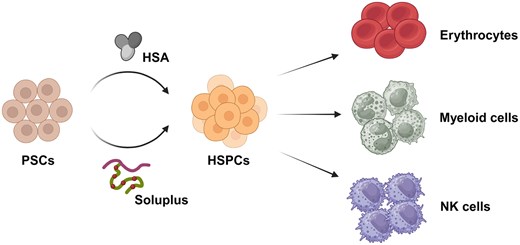
This article reports a procedure using caprolactam-based polymer as a cost-effective alternative to human serum albumin for generating functional HSPCs across diverse PSC lines and culture conditions, paving the way for a more consistent production.
https://t.co/SvFCFVFf4X
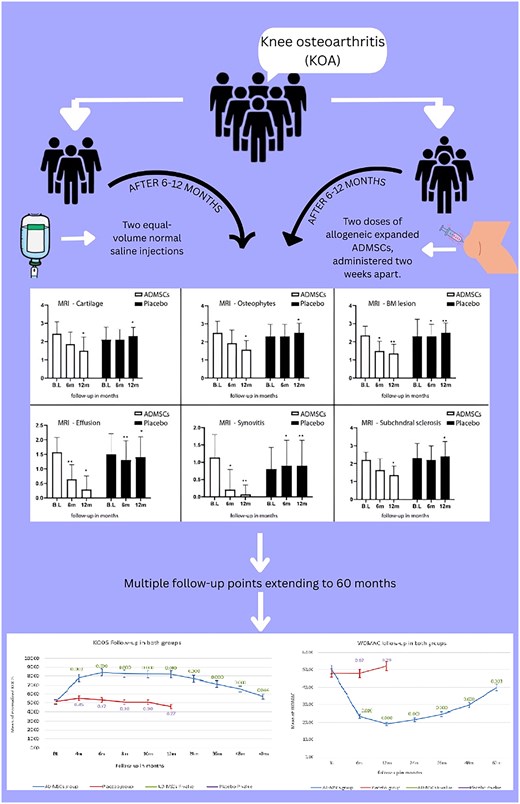
Randomized trial on patients with advanced knee osteoarthritis treated with allogeneic expanded adipose-derived MSCs. Results showed the ability of this treatment to mitigate symptoms & improve joint function for several years without serious side effects.
https://t.co/W2hD1DhSG5
This study explored the fate of transplanted donor limbal cells after corneal surface reconstruction in a mouse model and found evidence that both the transplanted stem cells and the endogenous residual stem cells contribute to tissue regeneration.
https://t.co/DHFpVu7gc5
This study examines the clinical outcomes and immune reconstitution dynamics in patients with severe aplastic anemia exhibiting mixed chimerism compared with those with full donor chimerism following HLA-matched hematopoietic stem cell transplantation.
https://t.co/KtUVkSBqXZ
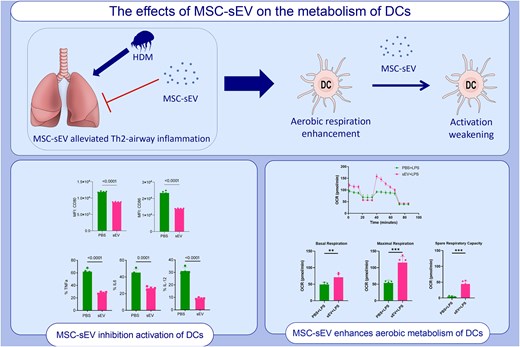
This study explores the mechanism by which MSC-derived small extracellular vesicles alleviate airway inflammation by influencing dendritic cells.
https://t.co/A6wtwbBjtS
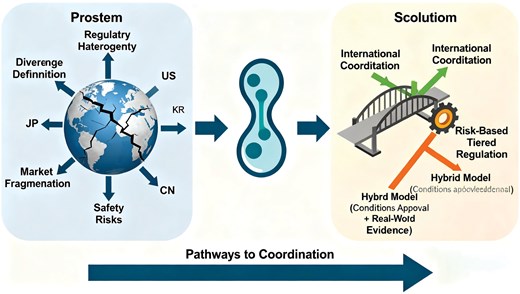
This concise review addresses the global regulatory landscape of stem cell medical aesthetics, highlighting significant differences in the regulatory frameworks of the United States, Europe, Japan, South Korea, and China.
https://t.co/f3I7F73XTb
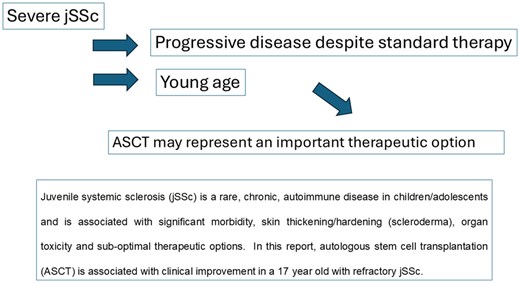
Autologous stem cell transplantation may provide a therapeutic option for pediatric patients with treatment-resistant juvenile systemic sclerosis, offering durable clinical benefit and improved quality of life.
https://t.co/MJnKZzdB7d
Perspective on the efficiency of carcinogenesis and the potential of dynamic precision medicine to prolong survival and increase cure rate.
https://t.co/JRFSDNJ882
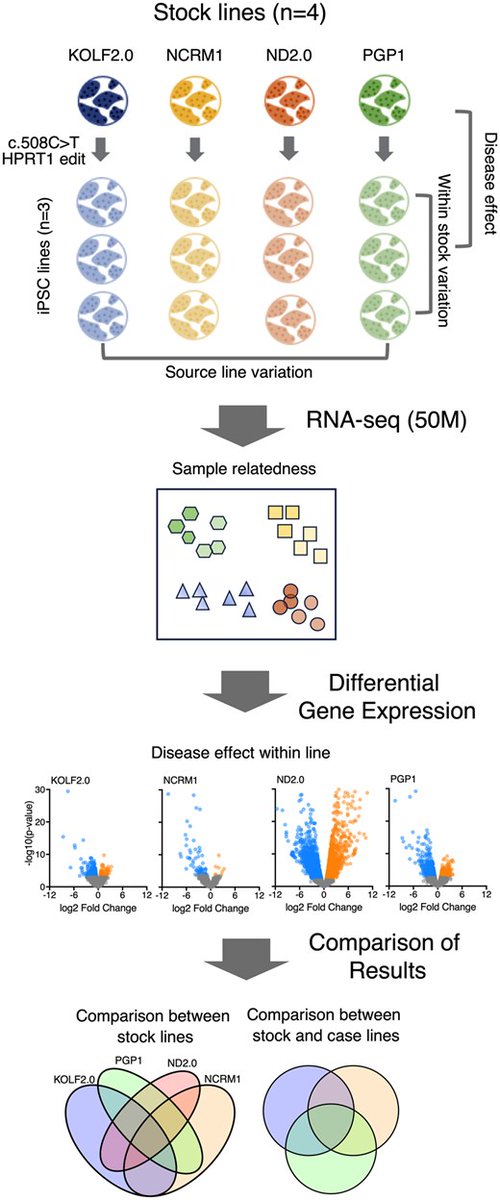
Commonly used study designs for hiPSC-based disease modeling, drug response, or cardiac toxicity are compared in terms of applicability for different research questions, statistical analysis, and attainable power.
https://t.co/XikV1mTu9k
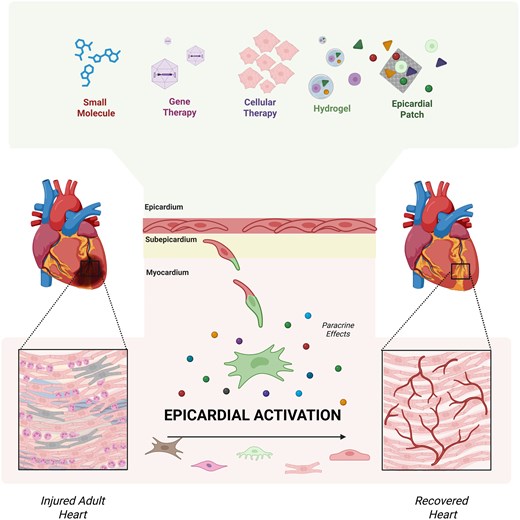
This review discusses the mechanisms and therapeutic applications of epicardial activation, emphasizing its potential in cardiac regenerative medicine.
https://t.co/M5CZ3ZJXBY
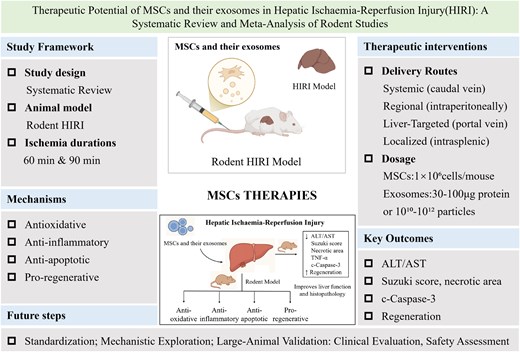
Meta-analysis evaluating the efficacy and mechanisms of stem cell therapy in rodent models of hepatic ischemia-reperfusion injury
https://t.co/xfkjx0ruZ3
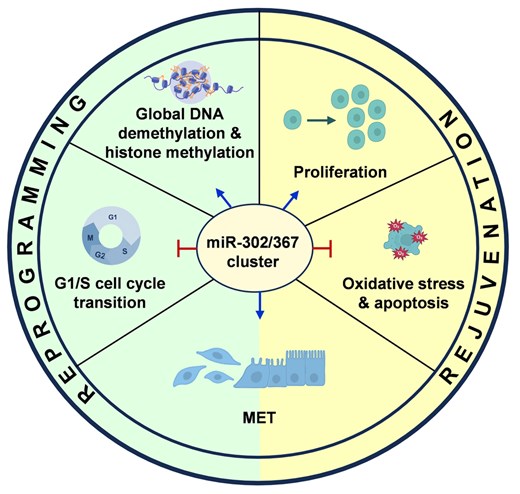
A challenge in regenerative medicine is finding ways to restore the body’s natural capacity for repair. This study reports on a powerful molecular tool, the miR-302/367 cluster, which plays an important role in reversing signs of aging.
https://t.co/rkF0DtJlQ6
This review discusses cellular senescence and functional tissue decline, focusing on small molecule-driven reprogramming as a tool to rejuvenate aged cells and tissues.
https://t.co/Kl4p9Ensz5
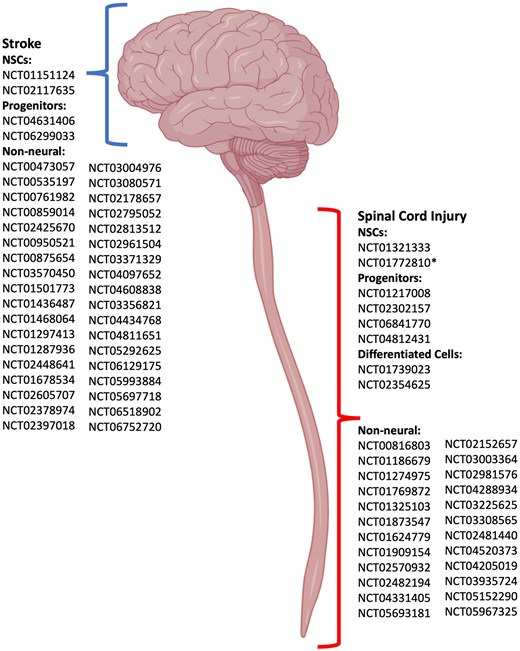
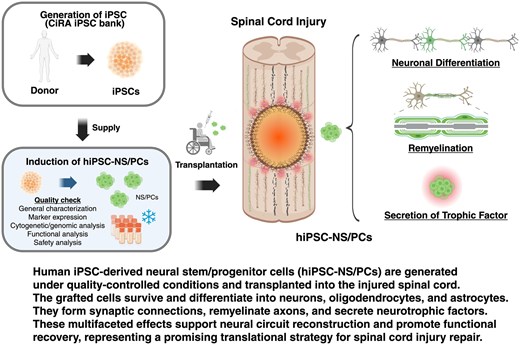
This concise review discusses the most recent scientific progress in the field of human iPSC-derived neural stem/progenitor cell therapy for spinal cord injury.
https://t.co/le0rTKzrdq
Phase II randomized controlled clinical trial comparing IV & IT routes of allogeneic umbilical cord-derived MSC infusions for stroke recovery.
https://t.co/EQNpiR7ubC