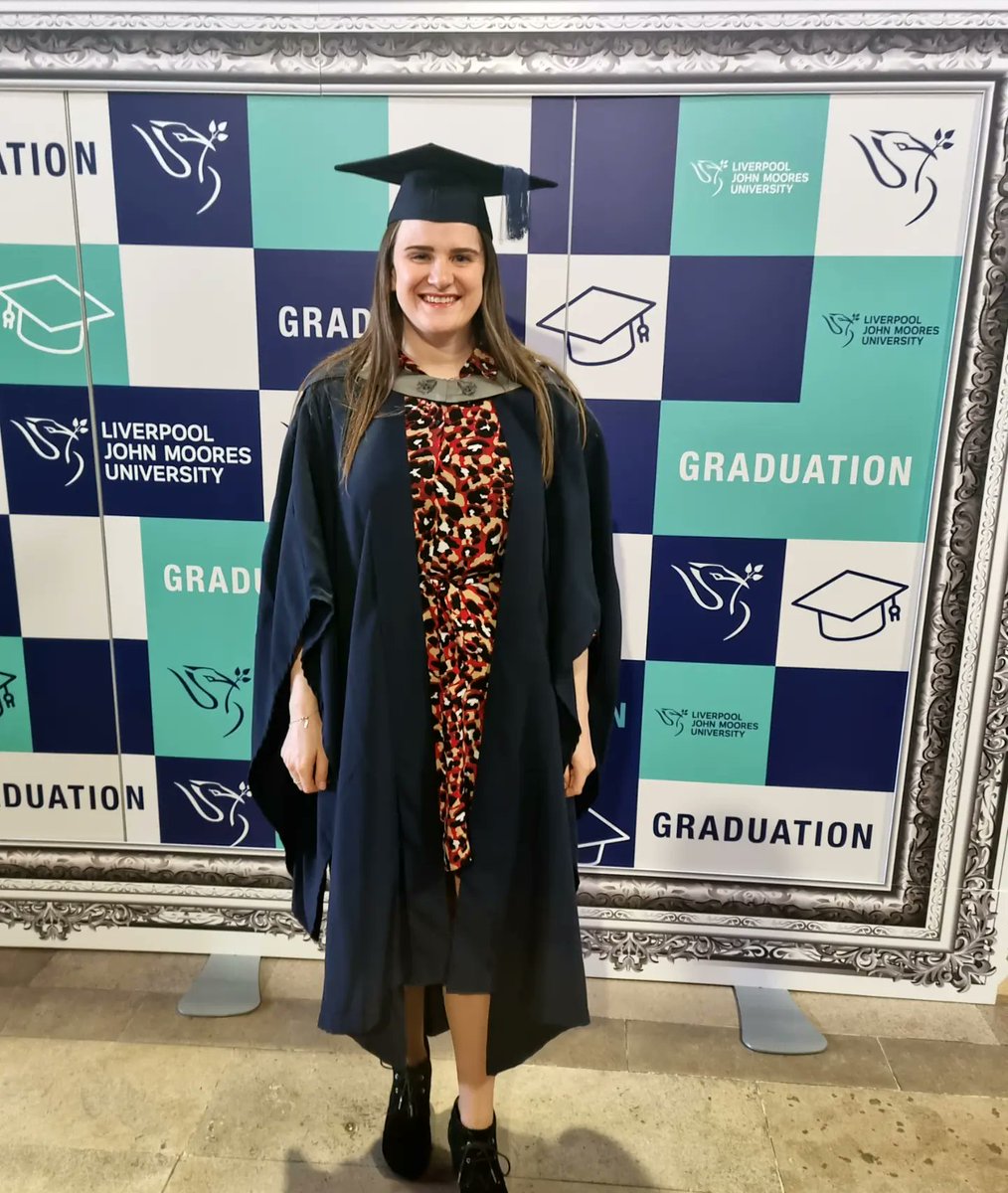
Officially, an @LJMU graduate! 🥳
Graduating with my fellow Sept '19 @LJMUNursing nurses at the stunning Liverpool Cathedral. Thank you to all my tutors but a special shout out to Marc Woods, our Cohort leader who got us through a pandemic and still kept us smiling! 👩🏽🎓 #LJMUgrad
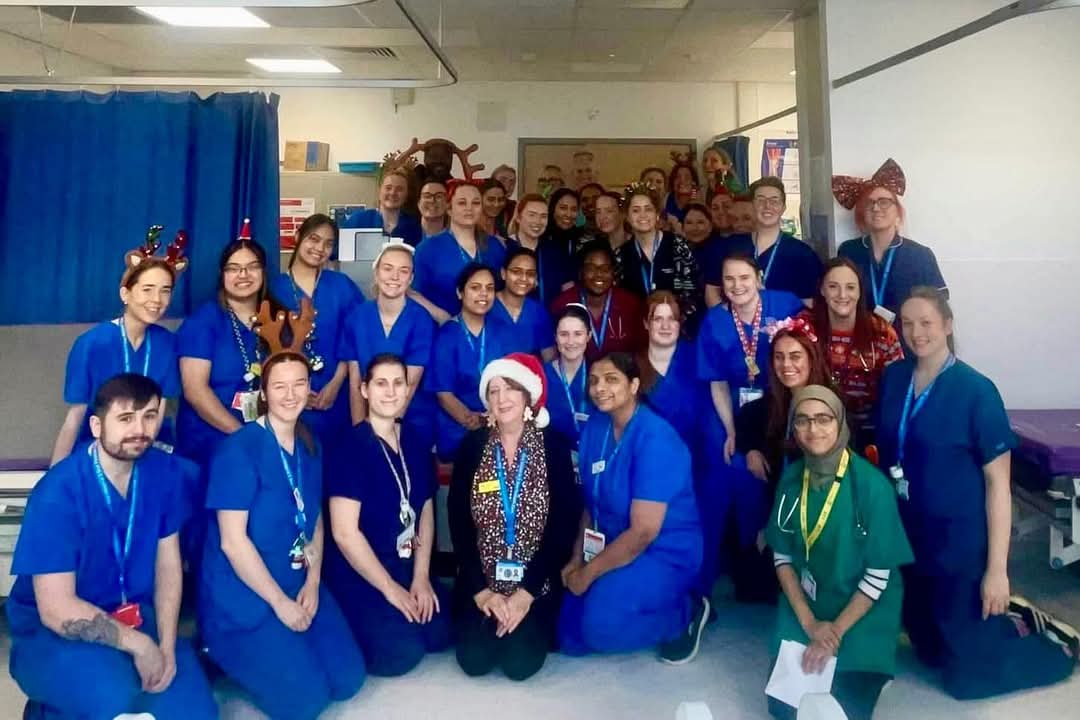
💙 Happy Nurses Day! 💙 I'm so lucky and proud to work with such an amazing and supportive team. 👩🏽⚕️🥰
A special thank you to my specialist nurses, who treat and care for me, managing my conditions so I can live my life to the full. I would be lost without them. 🙏🌟 #IND2025
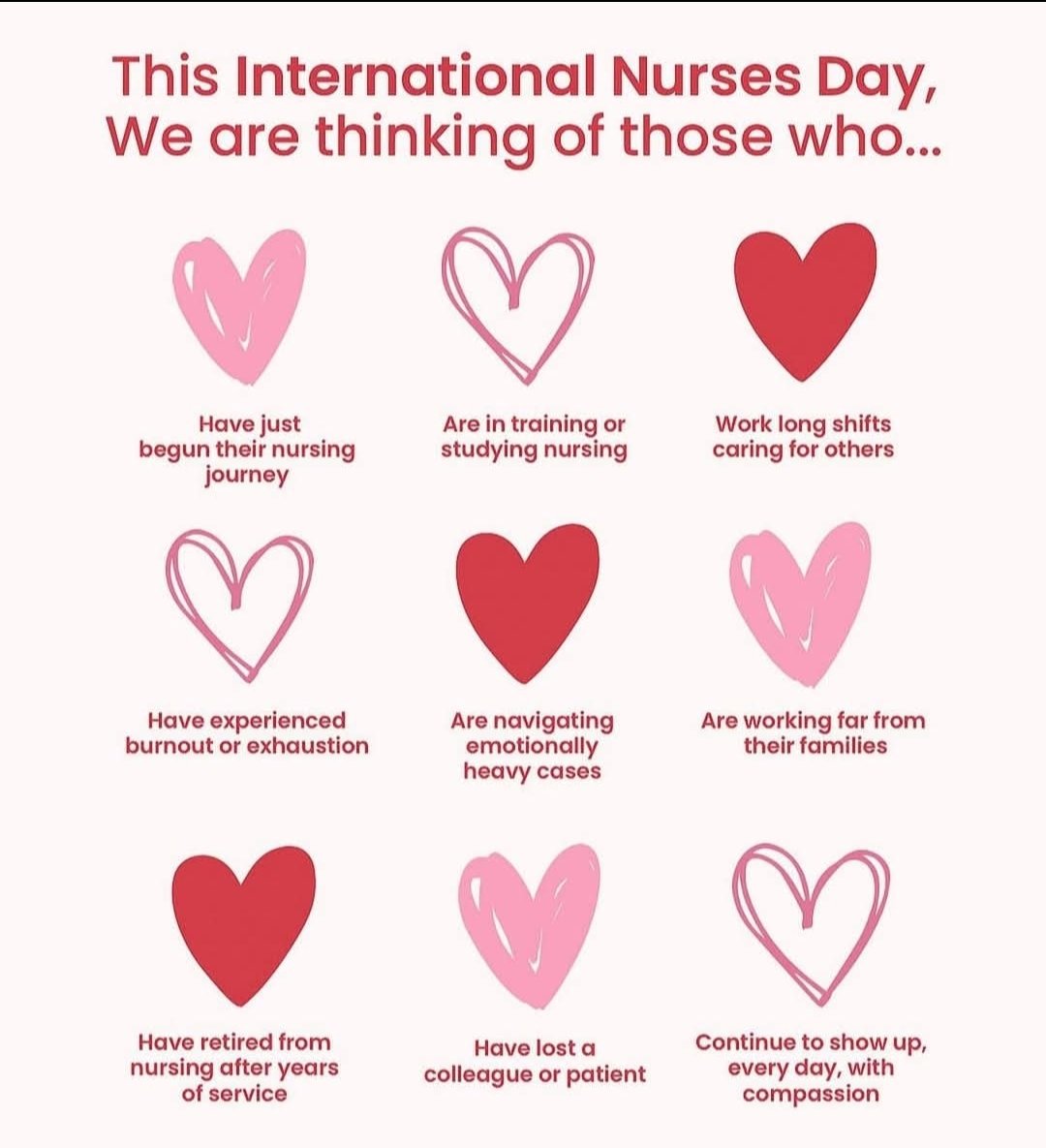
Today is International Nurses Day.
It takes a special person to be a nurse.
Thank you to all of them for doing what they do.
#InternationalNursesDay#IND2025#Nurses
When you start a new job in A&E, you’re not just taking on a role—you become part of a family. Tom was a cherished member of this big family. A brilliant doctor and educator, he always had a smile and a joke ready to lift our spirits. RIP 🤍
https://t.co/qvA3d6KdWU
Incredible night watching @Titanique last night!🤩🚢 So funny with incredible vocals from such a talented cast! A must see. 💯 Made my birthday catching @LaytonWilliams at the end too. 🤩 Thank you!🫶🏼
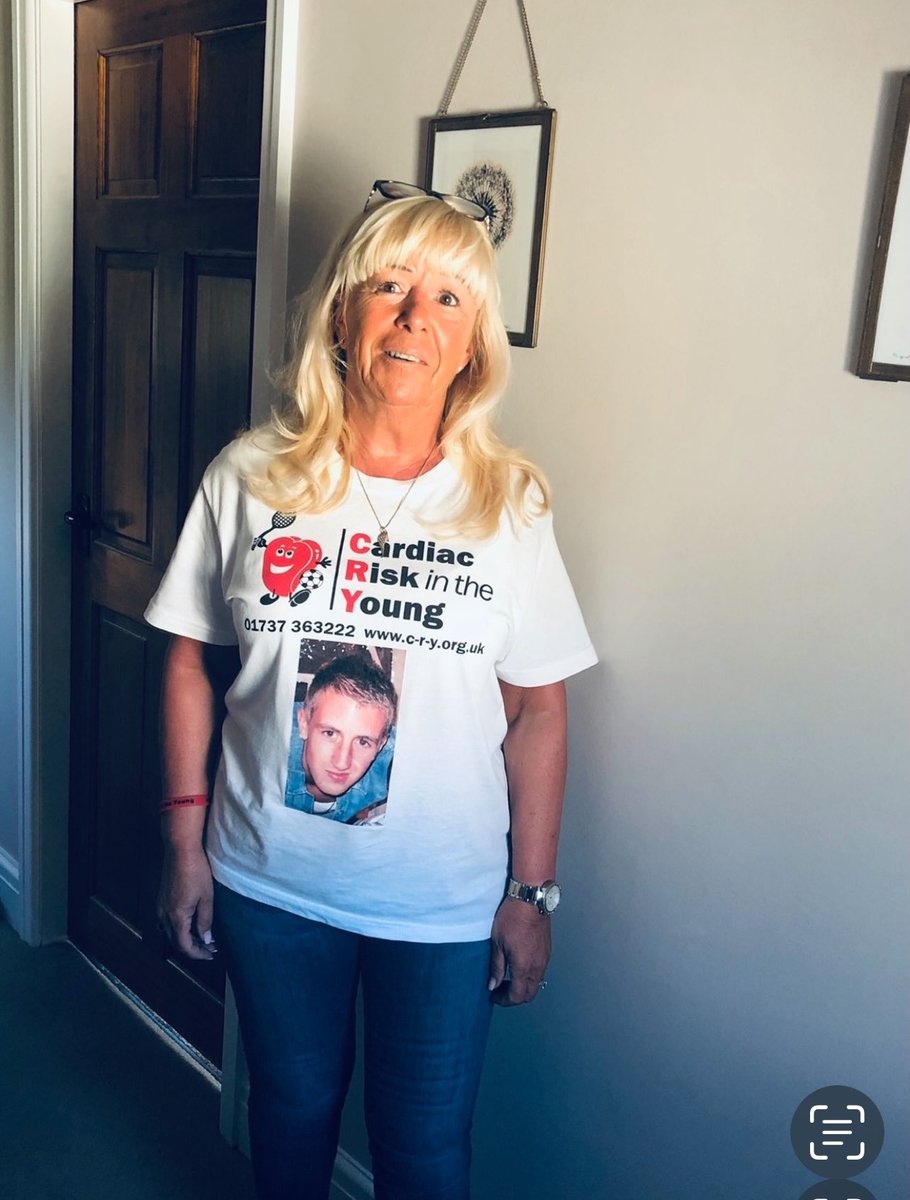
Today I am proud to be sharing the sofa @BBCNews with @DrAneilMalhotra talking all things @CRY_UK ❤️ Another step in raising awareness and the need for a National Screening Programme.
💜🌟#PoTSAwarenessDay🌟💜
#PoTS is so much more than just a fast heart rate upon standing!
Quality of life can be equivalent to COPD and congestive heart failure.
Many patients are told that their physical symptoms are ‘all in their head’ and instead are given psychiatric labels of #anxiety & #depression.
Triggers: viruses, bacterial infection, pregnancy, surgery, a traumatic event, immunisation, hypermobility.
Symptoms: https://t.co/2WGSEiEfQc
Managing PoTS: https://t.co/9XsMi6d73v
Please view our website for further information: https://t.co/sdUwT94VhM
#MedTwitter #TeamGP #MECFS #LongCovid #postviral @DrSdeG@jtrebach@nursekelsey@WeCYPnurses@LWNurses@DrDerekConnolly @BinitaKane @Daltmann10
Our NEW ⭐️What is PoTS⭐️ video!
To mark the first day of #DysautonomiaAwarenessMonth (disorders of the autonomic nervous system) please educate about #PoTS by sharing our new ‘What is PoTS’ video💜
This video gives a summary of symptoms, QOL, associated conditions & treatments.
https://t.co/hWHV1S3syD
Potential triggers: viruses, bacterial infection, pregnancy, surgery, a traumatic event, immunisation.
https://t.co/sdUwT94VhM
#PoTSPledge #PoTSAwarenessDay
#LongCovid #MECFS #EDS #MCAS @DrNighatArif @drclairetaylor @BMAstudents@rpharms@BMA_GP@CatSmithMP
It's World Mental Health Day! 🌍💜
It’s a day to talk about mental health and show everyone that mental health matters.
We all deserve good mental health. 💜
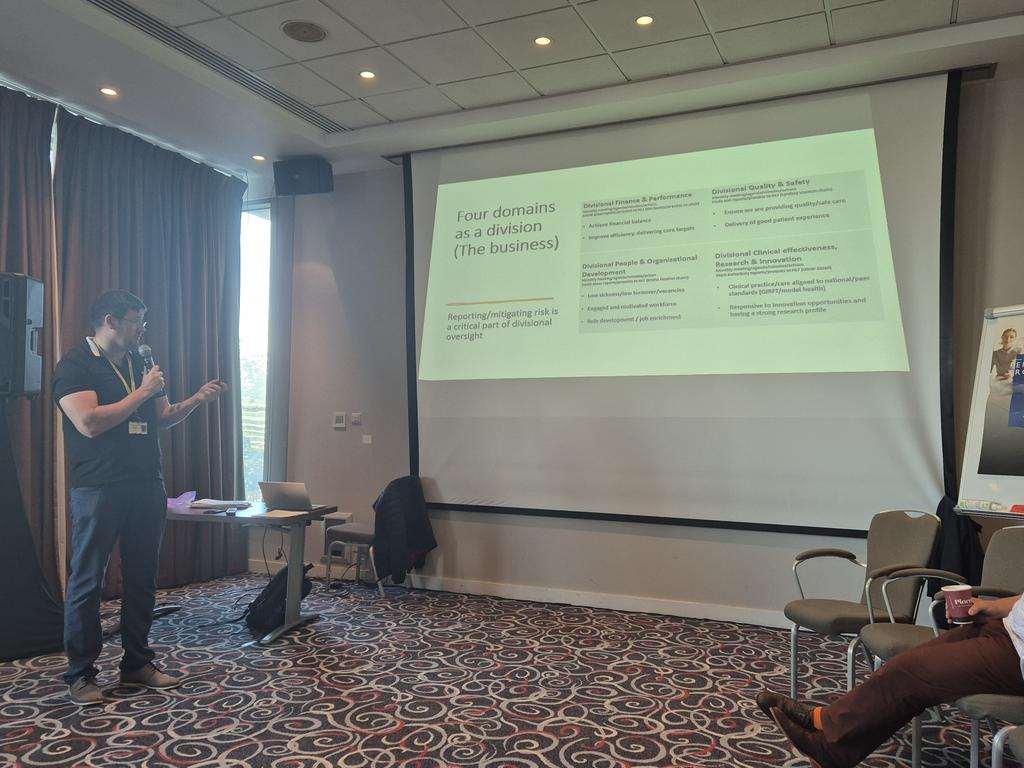
Yesterday, we had our St Paul’s Staff Away-Day.
Topics included strategy overview, governance, quiz, and most importantly, patient impact.
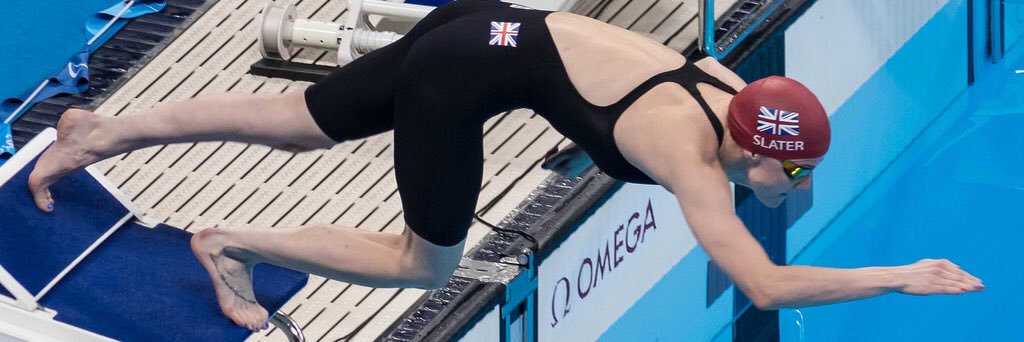
We were joined by @StephESlater. The standing ovation was well deserved!
Also joining us was @LaNtsandLaminin & @neeru_vallabh #Amazing
October is Dysautonomia Awareness Month. Dysautonomia, also called autonomic dysfunction, is a group of disorders that affect the autonomic nervous system.
Many people with Ehlers-Danlos syndrome (EDS) or hypermobility spectrum disorder (HSD) also have a type of dysautonomia. There are different types of dysautonomia with different symptoms.
People with EDS and HSD most commonly have a form of orthostatic intolerance. “Orthostasis” means to stand upright, so orthostatic intolerance refers to symptoms that occur due to standing up or being upright.
The two most common types of orthostatic intolerance are:
1️⃣ Orthostatic hypotension (OH) — low blood pressure on being upright.
2️⃣ Postural orthostatic tachycardia syndrome (POTS) — an abnormal increase in heart rate when standing without a drop in blood pressure.
Symptoms of dysautonomia include:
● Tachycardia (fast heart rate)
● Palpitations (feeling the heart racing or pounding)
● Hypotension (low blood pressure)
● Lightheadedness
● Presyncope (a sense of being about to faint)
● Syncope (fainting)
● Blurred vision
😶🌫️Brain fog (problems with concentration and memory)
● Headaches
● Chest pain
● Shakiness
💤Chronic fatigue
● Exercise intolerance and feeling worse after exercise
● Swelling and/or discoloration of the legs after standing for short periods of time
● Cold, discolored hands and feet
● Temperature dysregulation
🥵Sweating
● Sleep disturbance
● Gastrointestinal issues
● Nausea
🚽Bladder dysfunction
Stay with us throughout October as we talk more about dysautonomia, how it's diagnosed, and management. In the meantime you can learn more about diagnosis and management here: https://t.co/RHV28MfFL5
#Dysautonomia #DysautonomiaAwarenessMonth #WeGotDys #EhlersDanlosSyndrome #Hypermobility #HypermobilitySyndrome #HypermobilitySpectrumDisorder #ZebraStrong #POTS
As we celebrate the 30th anniversary of the NHS Organ Donor Register, we’re delighted to share this special artwork by @etomlinson_art, created to celebrate this milestone and highlight the lives touched by organ donation. 🎨
Register your decision ➡️ https://t.co/NGj39mi5M3