Welcome new intern class!!
Dr. Maloney welcomed our class of 2026 during residency grad & Dr. Shea took them on an epic hike, starting off their journey with sunshine & smiles! Looking forward to the coming years & their success! #stanfordortho#ortho#interns#surgery#welcome
How common is Hip Dysplasia in infants? 1 in 10 infants is born with hip instability. 1 in 100 infants is treated for hip dysplasia. 1 in 500 infants is born with completely dislocated hips.
For more information about hip dysplasia, https://t.co/ZhHRMci4Sk
Hip dysplasia in teenagers & young adults can easily go undiagnosed. Learn about warning signs (here is a hint, sometimes it involves increased flexibility) here: https://t.co/lhdBaHlbmE
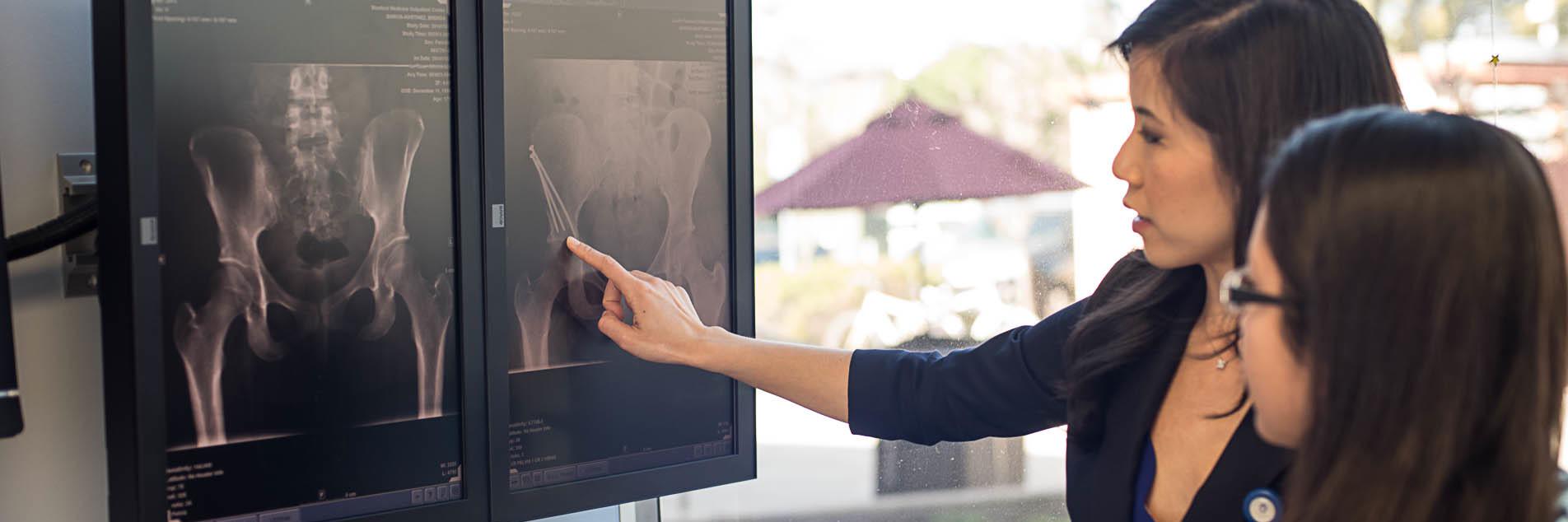
Diagnosing Adult DDH can be difficult and often results in multiple visits to many different physicians. The pain can appear in your back or knee resulting in a missed diagnosis. Learn about adult DDH here and become your own advocate: https://t.co/XkuPqn8gKV
Congratulations! #Stanford Orthopaedic Surgery Residents, Class of 2019!! We are honored to have had Visiting Professor, Steven J. MacDonald MD, FRCSC, Professor & JC Kennedy Chairman of Orthopaedic Surgery at the University of Western Ontario as our guest. #Congrats#Graduation
More severe dysplasia usually causes pain/dysfunction at a younger age and is diagnosed earlier, whereas milder dysplasia may take decades for enough cumulative hip joint damage to cause pain. @IHDIonline@Stanford_Ortho@StanfordChild@StanfordHealth
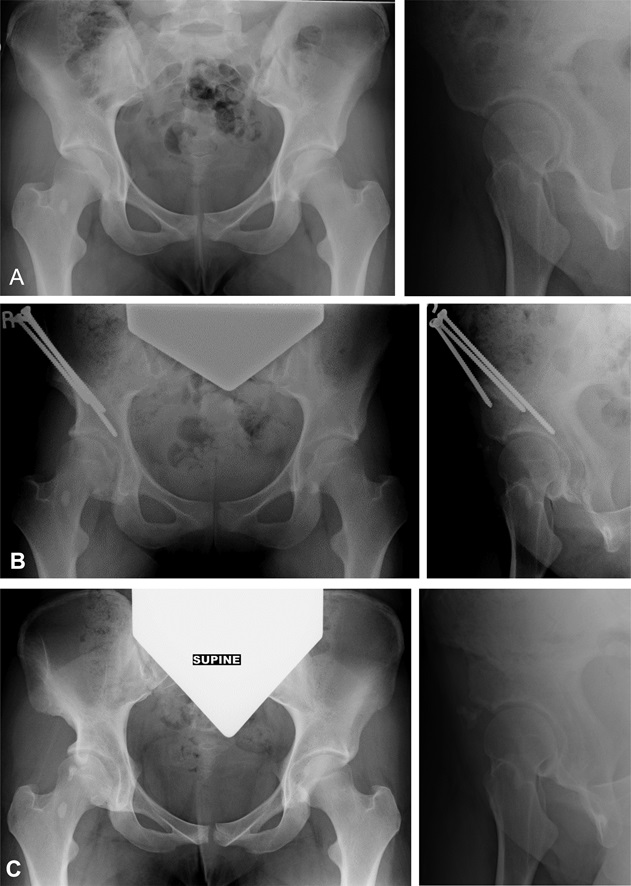
#HipDysplasia can develop at any point during the first 10-15 years of life, as the hip grows along with the rest of the skeleton. Proper contact between the femoral head and acetabulum provides the necessary mechanobiologic signals for correct hip development. @StanfordChild
The triradiate cartilage and lateral epiphyseal growth centers contribute to the width and depth of the acetabulum. Insufficient triradiate growth in childhood can cause #DDH. Insufficient ossification of lateral epiphyseal growth centers can cause adolescent-onset #HipDysplasia.
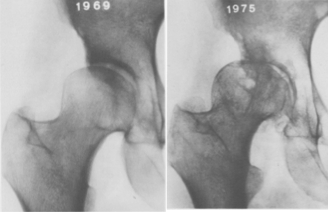
“Only a horizontal sourcil is responsible for a vertical hourglass, which in turn is in the best situation to buffer the vertical forces acting in the hip joint without producing shear stresses” - Prof. Renato Bombelli
#HipDysplasia is broadly defined as a shallow acetabulum that does not sufficiently cover the femoral head, resulting in damage to the joint and arthritis over time. Up to 50% of young arthritic hips can be attributed to underlying hip dysplasia (Clohisy et al, JBJS 2011)
Remember that shear stress and high compressive forces are harmful to articular cartilage. Thus, a dysplastic acetabulum with an upward-sloping sourcil (weight-bearing roof of acetabulum) produces an unfavorable mechanical environment for the hip joint.