I write this with pain in my heart.
On April 23, 2026, I bought a car on loan after trading in my former car, which had become a constant source of problems. I still had an outstanding balance of ₦4.5 million to pay.
On April 28, 2026, I was taken away by the Nigerian Army under the guise of DSS officials. For three days in their custody, I was subjected to treatment that left deep scars on me physically, emotionally, and mentally.
Throughout those three days, I remained handcuffed and blindfolded. During the day, I was left under the scorching sun for hours without water. I begged and cried for water, but nobody gave me any. At night, I was kept in an extremely cold room where I would cry and plead for help, but no one responded. I also received random slaps from unidentified individuals.
Even after the court granted me bail, the trauma did not end. I still wake up suddenly at night, struggling to sleep as memories of those days continue to haunt me.
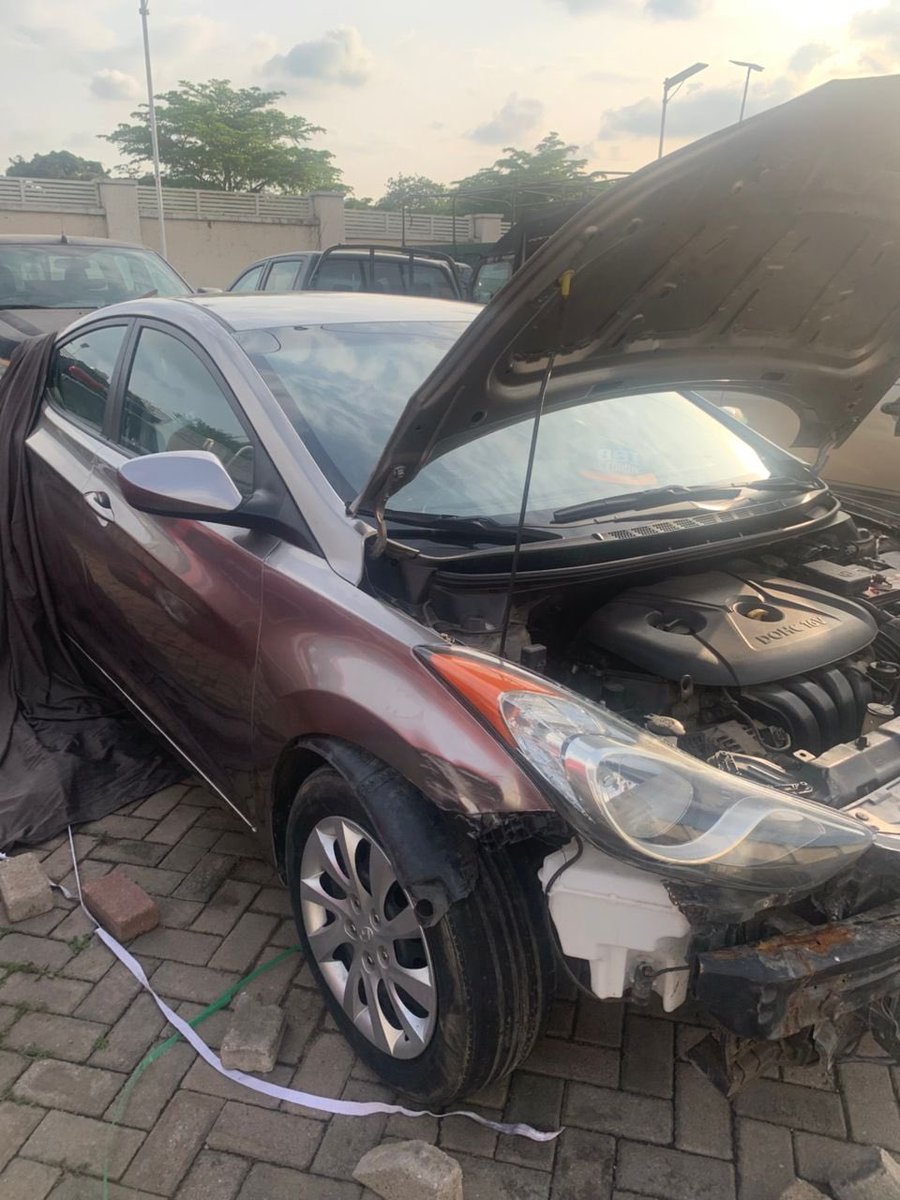
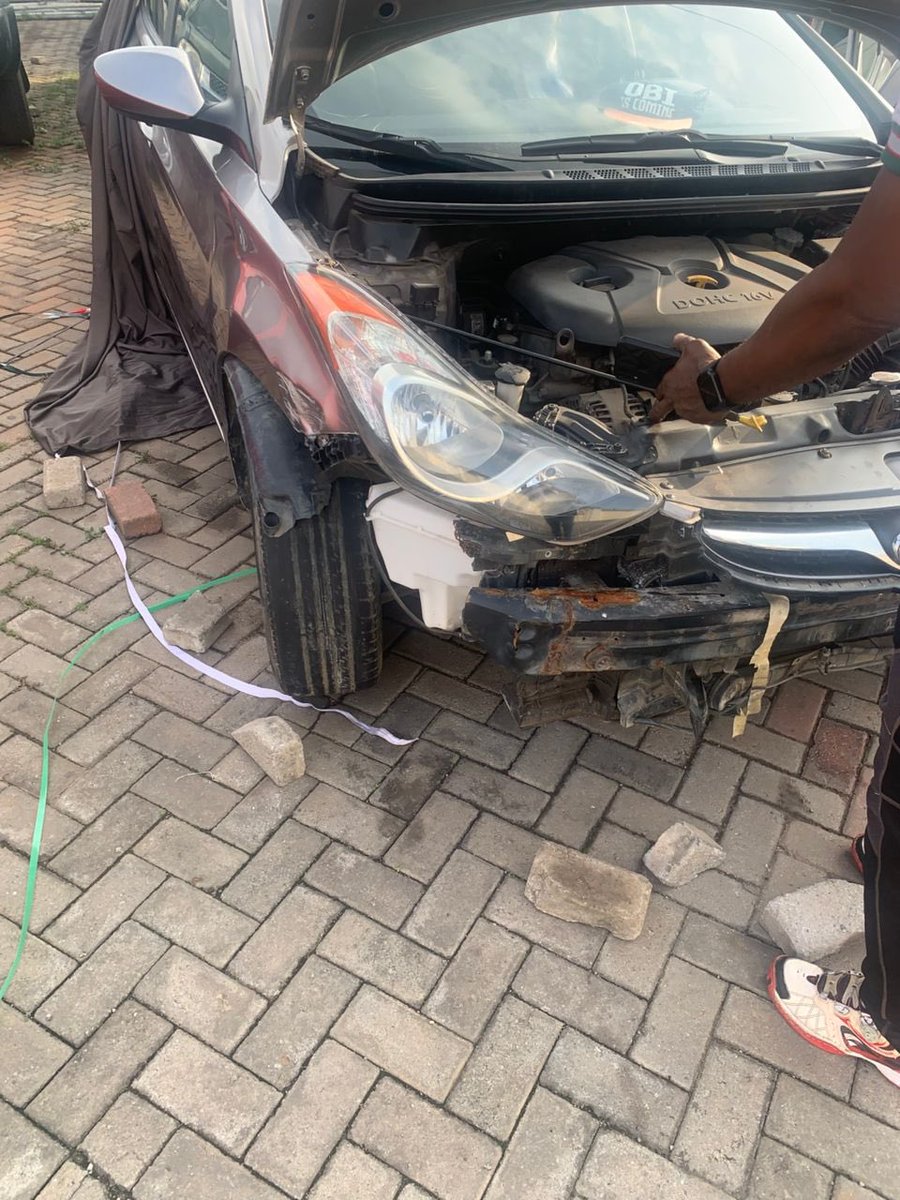
What breaks my heart even more is that the car I bought on loan was damaged. Sometimes I ask myself: what exactly did I do to deserve such treatment?
My only “offence” was speaking up and asking that my brothers and sisters serving in the military should be properly fed and cared for.
Today, I can truly say that Nigeria happened to me.
But despite everything, one thing remains certain:
Justice can never be cracked.
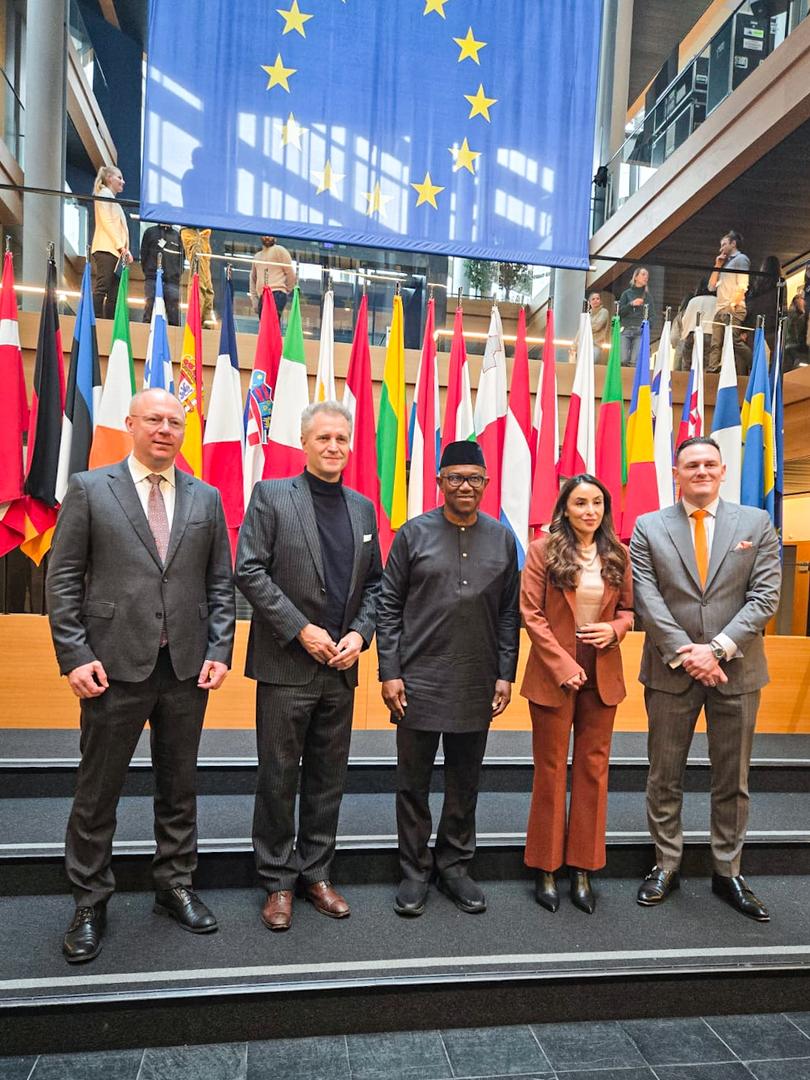
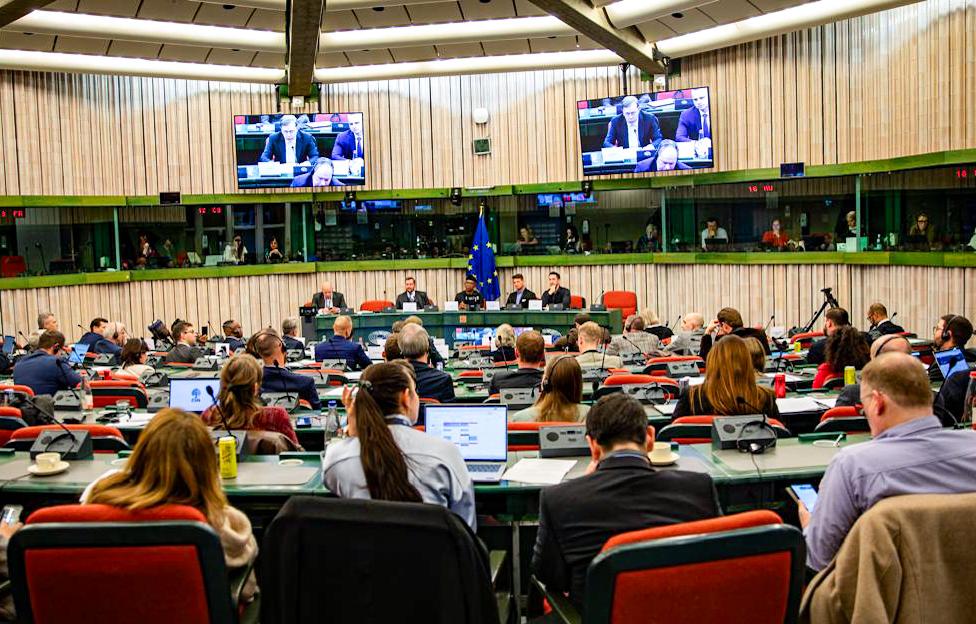
Yesterday, I was in Strasbourg, France, to attend sessions at the European Parliament.
While there, I spent the day holding a series of constructive meetings with several members from various committees, from the Committee on Foreign Affairs, to the Committee on Civil Liberties, Justice and Home Affairs, to the Members of the Africa-EU Delegation Committee, to the Committee on Transport and Tourism, and Development, amongst others.
I appealed to them to strengthen their relationship with Africa, especially Nigeria, which stands as a key frontier for global development. Africa, as I reiterated, is a continent of immense potential, the second-largest in size and population, richly endowed with natural resources, and powered by a vast, youthful demographic. Yet it remains the face of global poverty, largely because of bad leadership and entrenched corruption, a reality clearly reflected in Nigeria.
I urged them to support the development of Africa, particularly Nigeria, by advancing good governance. This includes supporting our democratic processes in ways that promote the emergence of competent leaders with the capacity and integrity to transform our nations.
I also highlighted how they can support us in addressing insecurity, improving power generation and distribution, strengthening education and healthcare, and lifting our people out of poverty. This is necessary because our success as a nation and the success of Africa have a direct benefit to Europe.
I also underscored the need to invest in and support Nigerian youths who have an immense desire and drive for entrepreneurship and productivity, if well supported, but are now facing despair due to limited opportunities.
Africa and indeed Nigeria can and must work for all and contribute to global developments.
A New Nigeria is POssible. -PO