USA. A supermarket. I went to buy one bottle of the white sauce this nation pours on everything. I found a WALL.
Ranch. Spicy ranch. Chipotle ranch. Avocado ranch. Bacon ranch. LIGHT ranch, for the disciplined. There was a ranch labeled "secret recipe" that printed its ingredients on the back, which is not how secrets work, and I respect the audacity.
In Japan, a sauce knows its place. One dish, one purpose, centuries of refinement. Here I stood before forty bottles of the same white dynasty, each claiming the bloodline.
I asked a passing employee: which is the true heir?
He looked at the wall. He looked at me. "It's all just ranch, dude."
It is NOT all just ranch. That is exactly what a branch family would say.
I bought the original. The founding house. One honors the main line — this is not negotiable.
I also bought the chipotle. We meet at lunch. Privately. The original does not know. A man may serve one lord and still admire the ambition of the younger branch. This is recorded in many histories, and I will not be judged by a nation with forty sauces in its door.
At the register, the cashier saw my two bottles and said the most American sentence I have yet heard:
"Smart. You got your everyday ranch and your fancy ranch."
EVERYDAY RANCH AND FANCY RANCH. She understood the entire feudal structure instantly. This country runs deeper than it pretends.
A man does not betray the main house in daylight. Lunch is at noon, with the curtains drawn.
A man does not ask the dynasty to be one bottle. He only becomes loyal to more of them.
So tell me, America, and be honest with me: how many ranches live in your door right now?
Count them. Then tell me again who the samurai is.
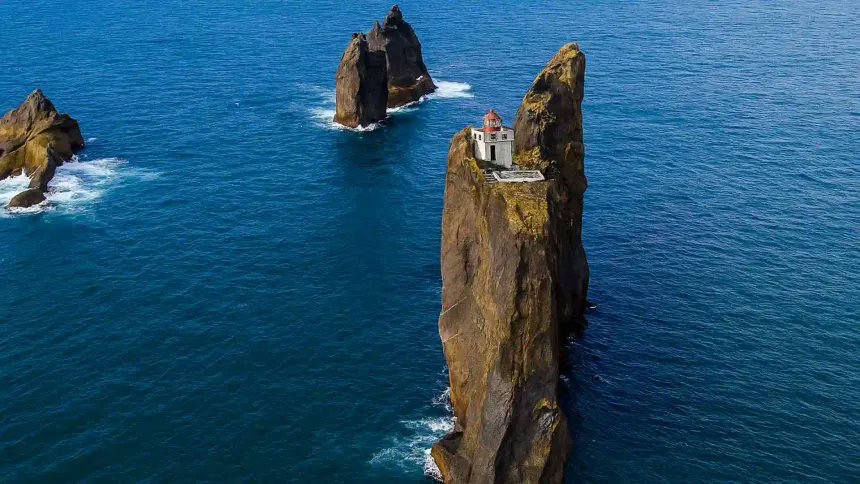
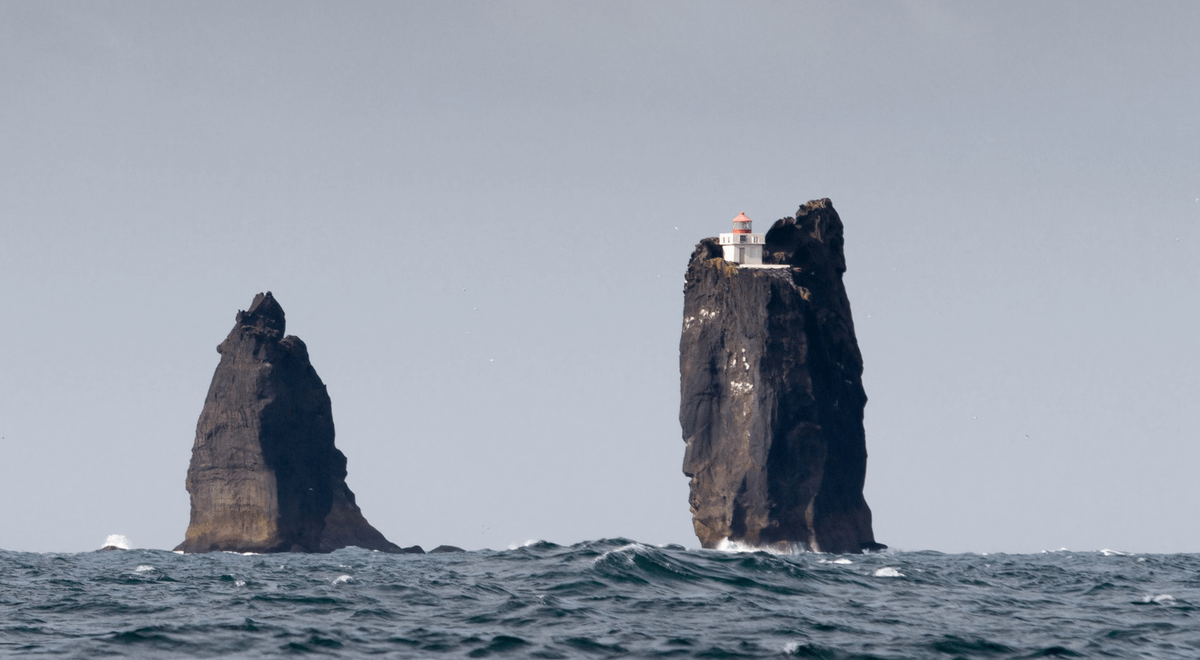
¿Te imaginas vivir aislado en lo alto de una roca vertical de 40 metros de altura, rodeado de un océano helado y embravecido? En 1939, un grupo de valientes construyó el faro más inaccesible y solitario del mundo, el faro de Thridrangaviti. Tira del hilo 🧵👇🏽👇🏽👇🏽
🗣️ Santi Cazorla on returning to his boyhood club Real Oviedo: "I would play for free, but you’re not allowed.
They made a good offer. My wife said: No, no, you’re not going to Oviedo to earn, you’re going home to enjoy it, to help, to give.
I called my agent: ‘I don’t want any money.’ I told the president: minimum salary, 10% of shirt sales to the academy. It was done that night.”
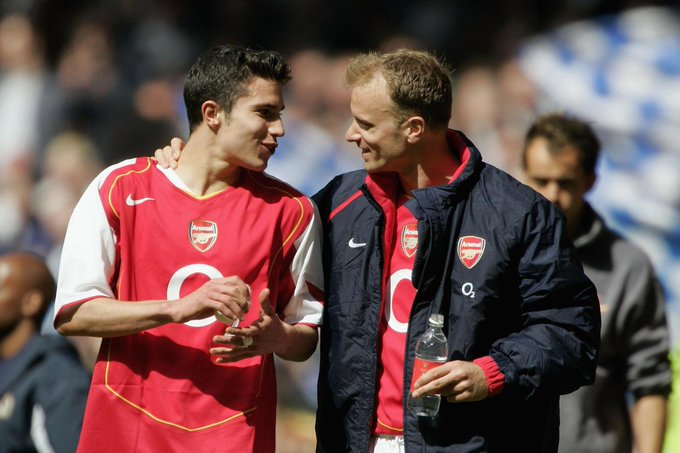
This Dennis Bergkamp story from Robin van Persie is brilliant:
Robin van Persie is in the jacuzzi. He's finished training for the day and is enjoying a relaxing soak. The gym and recovery facilities at Arsenal's training ground were designed by Arsène Wenger for maximum light.
There's lots of glass and windows. From the hot tub, Van Persie is looking out onto the training pitch and watching Dennis Bergkamp. The Dutchman is on his way back from injury, practicing with two youth team players and the fitness coach.
It's a complicated exercise involving shooting and giving and receiving passes at speed. Van Persie tells himself that he'll get changed when Bergkamp makes a mistake. "It was a 45-minute session and there wasn't one pass Dennis gave that wasn't perfect. He did everything 100%, to the max, shooting as hard as possible, controlling, playing, direct passing... That was so beautiful! To me, it was plainly art.
My hands got all wrinkled in the bath but I just stayed there. I sat and watched and I waited, looking or one single mistake. But the mistake never came. And that was the answer for me. Watching that training session answered so many questions I had. I can pass the ball well, too. I'm a good football player as well. But this man did it so well and with such drive.
He had such total focus. I found myself thinking, 'OK, wait a minute, I can play football well enough but I've still got an enormous step to take to get to that level.' And that's when I realized if I want to become really good, then I have to be able to do that, too.
From that moment on I started doing every exercise with total commitment. With every simple passing or kicking practice, I did everything at 100 percent, just so I wouldn't make mistakes. And when I made a mistake I was angry. Because I wanted to be like Bergkamp."
He took the free kick and scores. The referee doesn't count the goal and orders a retake. He takes it again and scores again. He turns to the referee and asks, 'Is that enough?
Did you know an Irish athlete at the 1906 Olympic Games in Athens committed a brave act of defiance against British rule on the world stage. Peter O’Connor was born in England in 1872 to Irish parents but raised in Ashford Wicklow.
He was a solicitor by profession and a proud member of the Gaelic Athletic Association since its earliest days.O’Connor held the world record for the long jump from 1901 to 1921, an extraordinary 20-year reign. He won All-Ireland titles with ease and refused to compete under a British flag at the 1900 Olympics.
When the 1906 Intercalated Games rolled around, considered official at the time, O’Connor along with fellow Irish athletes Con Leahy and John Daly, were put forward by the Irish Amateur Athletic Association and the GAA. They arrived in Greece dressed in green blazers, shamrock-emblazoned caps, and carrying with them the old "Erin Go Bragh" flag, a golden harp on a field of green. Ireland had no Olympic Council, however, and due to a technicality, the athletes were classified as representing Great Britain. To the British Olympic Council, the matter was settled. They were to be classified under the Union Jack .
O’Connor had dominated his British athletic rivals for a decade and was considered a favourite for gold. But the long jump event was marred from the outset. The sole judge appointed was Matthew Halpin, the American team manager. Protests of bias were ignored. At the end, Halpin declared his own man, Myer Prinstein, the winner. O’Connor was awarded silver. And then came the insult that lit the spark, the British flag (aka the Butchers Apron) was raised for his medal ceremony. That’s when Peter O’Connor made history.
Using the same legs that had carried him to global athletic dominance, he leapt toward the flagpole, climbed it, and tore down the Union Jack. In front of a stunned international audience he hoisted the green flag of Ireland, Erin Go Bragh, high above the stadium. His teammates stood guard below, holding off officials. It was one of the first overt political protests in modern Olympic history. O’Connor later won gold in the triple jump beating his own friend and fellow Irishman, Con Leahy.
He didn’t repeat the flag stunt, but he didn’t have to. Though the 1906 Games were later stripped of their official Olympic status, O’Connor’s protest lives on as a folk tale of resistance. He never competed in the Olympics again, instead turning his attention to his law firm, Peter O’Connor and Sons, which still operates in Waterford and Dublin.
Just look at Santi Cazorla. In 2016, he feared he’d never walk again, and would possibly lose his foot. To be winning promotion for his boyhood club at 40 years old, after everything he’s suffered, is fairytale stuff. Moments like this is why we all love football.