The Geologic Atlas of the Lunar Globe, which took more than 100 researchers over a decade to compile, reveals a total of 12,341 craters, 81 basins and 17 rock types, along with other basic geological information about the lunar surface https://t.co/c38GHJBysE
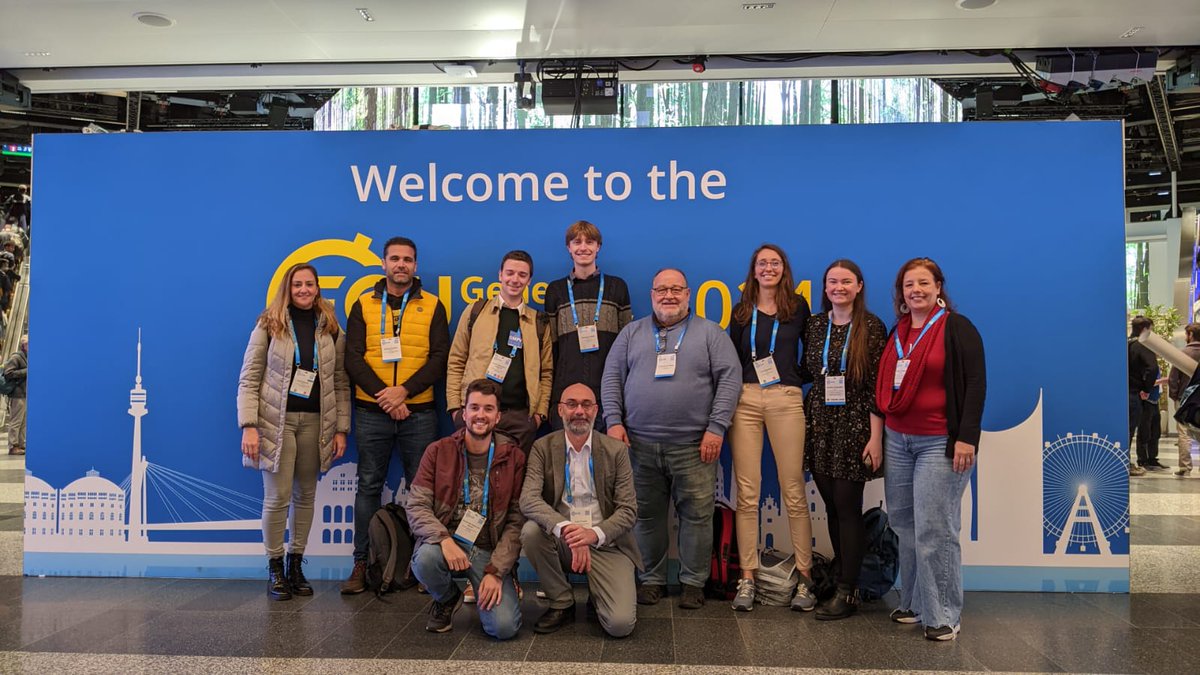
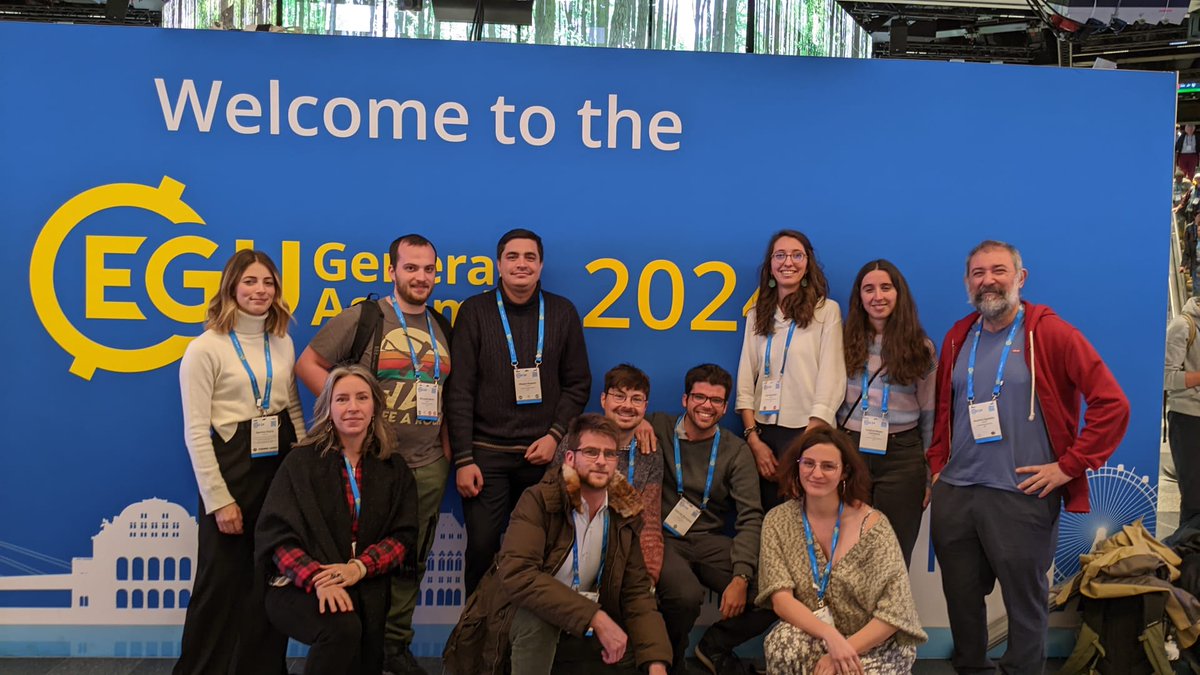
First in-person #EGU24! Had super interesting discussions and the opportunity to present my research at @unimib on CO2 emissions from Neo-Tethyan magmas and the research during the 2023 summer school @involcan on diffuse CO2 degassing in Tenerife. 🌋 @EGU_GMPV@EuroGeosciences
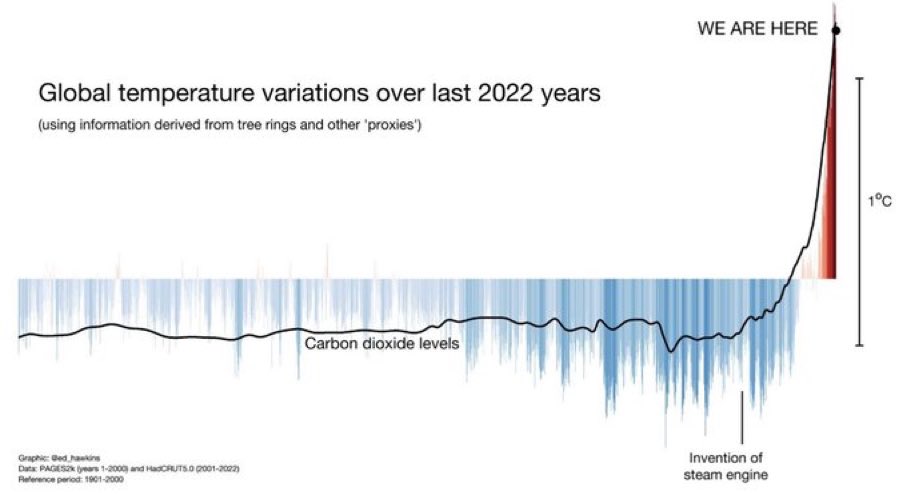
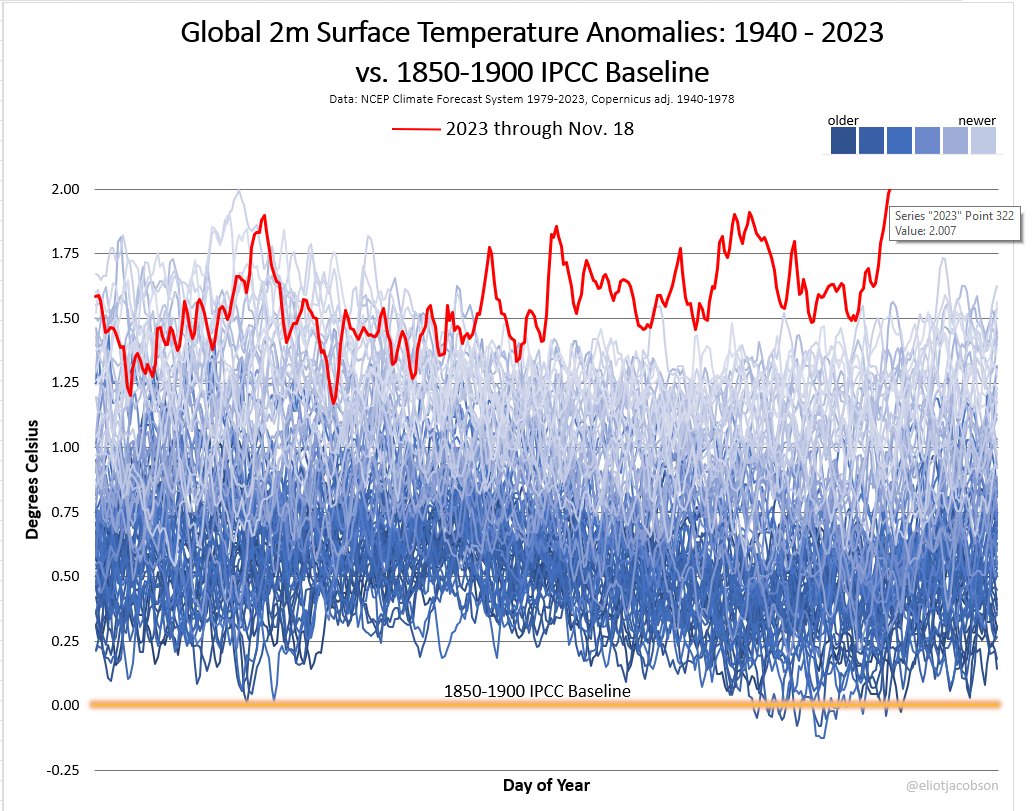
In a sane society this would be the most well known image in the world.
But I don’t think I’ve ever seen it printed or broadcast by the news media or referenced by a politician or mainstream journalist.
@danigeos@aaron_bufe Great work @aaron_bufe et al.!! Weathering seems more likely to act as a CO2 source then, also cause the crystalline basement often does not outcrop, e.g. Apennines. Lots of implications for the Himalayan uplift and Cenozoic cooling debate 🤪
A paper in @Nature shows that heat flows through thin, crack-like geo-compartments purify previously mixed compounds and enhance their reactivity, providing a selective mechanism for separating molecules relevant to the chemical origins of life. https://t.co/Pj2U36GZrR
I don’t believe academic peer review in its current form is useful. As an editor, I saw it all. Most of the time, reviewers spend their time trying to find a reason to reject a paper. Often reasons for rejection or acceptance came from bias. Many editors don’t know enough to even recognize bias, and they are under pressure to reject in order to maintain the exclusivity of the journal (read gate keeping). Rarely, did a reviewer or editor take the stance that a submission is expected to be published and peer review is meant to improve the paper, not to reject. The entire mindset of academics needs to be flipped upside down. The walls of academic publishing must come down (but more on that later!).
Please help us find a scientifically curious, coding-skilled, Geodynamics-enthusiast, Barcelona-lover for this PhD position on the "Adria microplate, mantle to surface". The deadline is passed but the application will soon be reopened.
https://t.co/MyUEhFka7d
🌍 Join my new lab at @EOS_SG! Recruiting PhD students to focus on advanced simulations of #earthquakes, #tsunamis, & #geodynamics. Fully funded positions open for Summer 2024. Apply by Jan 31, 2024. Interested? Details at: https://t.co/CS1KGyyy9T
Please share! 🙏 Thanks!
New task for the Geodynamica community!! Design the logo!! 😎 Let us define the visual identity of our new journal! Send us your ideas via email (to [email protected]) or via Discord (https://t.co/47GDhTMFrc). Let your creativity flow🤪!
A reminder to search committees-- please do not ask for recommendation letters for every candidate, ie-- before an initial screening. Doing so wastes many hours for many people.
Breaking News!
Well humanity, we did it, even if just for one day. Yesterday, Nov. 18, was the first time in recorded history that the global 2m surface temperature breached 2.0°C above the 1850-1900 IPCC baseline.
The long-term average remains below 1.5°C. But not for long.