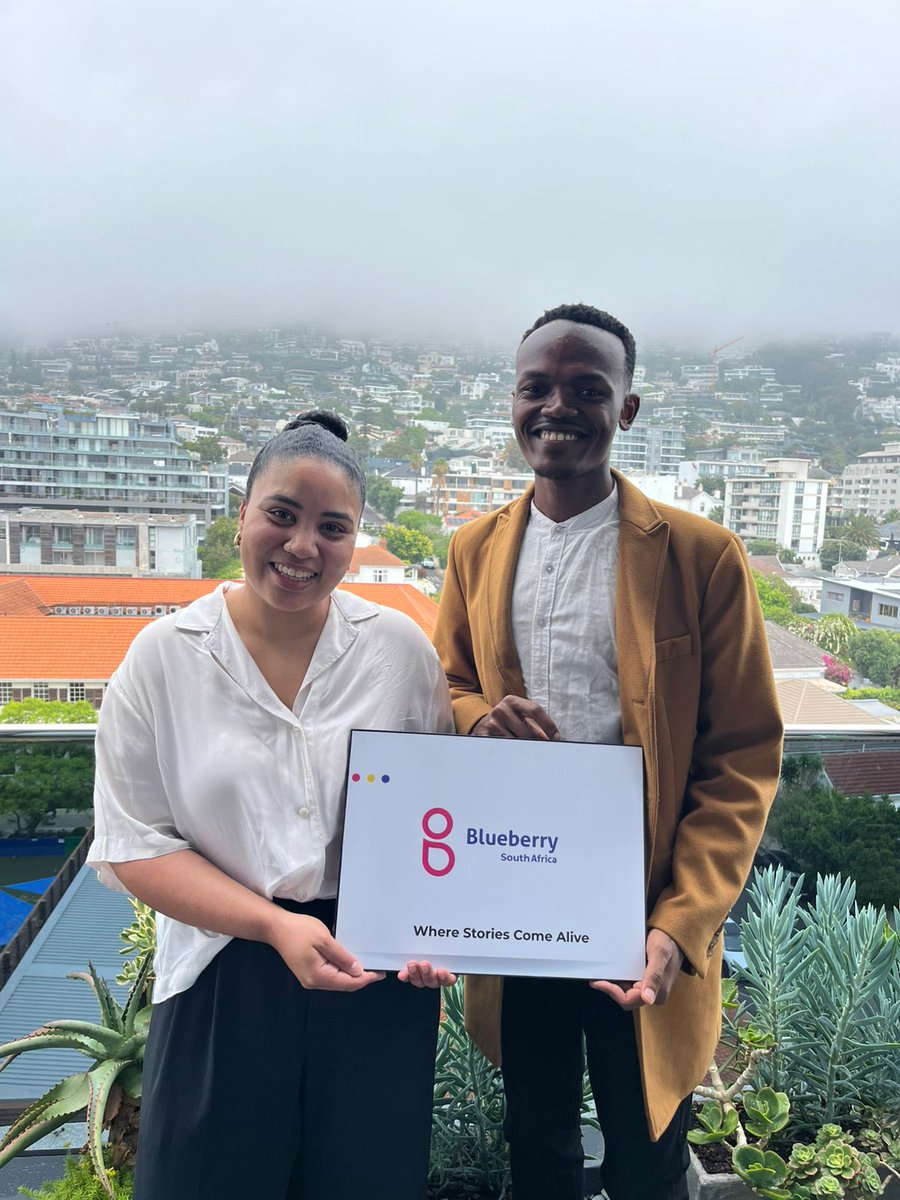
I had a great onboarding new clients with Blueberry South Africa (@BberrystudioZA) in Cape Town. Excited about the new show 🥳.
If you’re in Cape Town or Joburg and want to record a podcast professionally, reach us at [email protected].
We produced @Afrobarometer's very first podcast, Voices Africa Podcast, in Cape Town 🇿🇦 and hearing @shannonvanwyk, their digital portfolio manager, talk about the experience made it all worth it.
Listen here to Voices Africa Podcast here: https://t.co/bPTlkuOv1P
JM Kariuki was murdered in 1975 for imagining a different Kenya that was not defined as a country of ten millionaires and ten million beggars. A parliamentary committee named the killers, and yet nothing happened. That sequence, the naming of the crime, and the inaction that follows became the template for Kenya going forward. The public came to terms with a state that is under no obligation to keep its promises because there was really no consequence for breaking them. Unlike Dedan Kimathi or Tom Mboya, whose statue stands on Moi Avenue in Nairobi, twenty metres from where he was assassinated in 1969, JM Kariuki has neither a street named after him nor a monument. JM’s demand for economic redistribution remains a live indictment of every government since.
Read more at: https://t.co/CWCPfOpJN7
@realoyungapala@jkobuthi@ReginaldOduor@MwangiGithahu@IEAKwame@LKaphira@franknjugi@wmnjoya@m_ogada@WMutunga@KiamaKaara@johngithongo
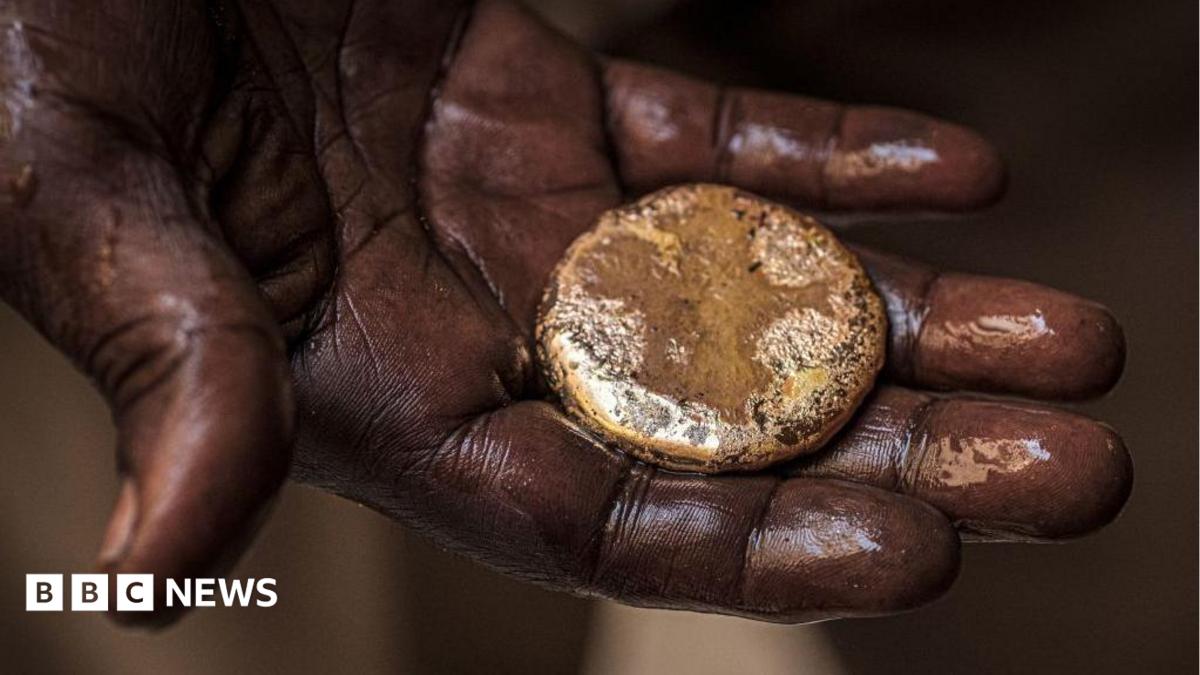
The European Union (EU) has banned the purchase, import and transfer of gold from Sudan, saying the trade has become a key source of financing for the country's civil war that erupted in April 2023. https://t.co/hC724USG6l
Call for Applications | Advanced Human Rights Course: Data Protection in Africa
Are you passionate about protecting privacy and advancing data rights in Africa's digital age? The @CHR_HumanRights , Faculty of Law, @UPTuks invites applications for its Advanced Human Rights Course on Data Protection in Africa.
This intensive virtual course equips participants with the knowledge and practical skills to navigate data protection and privacy frameworks in Africa, while exploring the legal, ethical and human rights implications of the digital economy.
Who should apply?
• Civil society organisations and human rights practitioners
• Government officials and policymakers
• Academics and researchers
• Grassroots advocates
• Private sector professionals
• Students interested in data protection, technology and human rights
Application deadline:
• 18 August 2026
Course dates:
• 7 – 11 September 2026
Course format:
• Virtual (Zoom)
Applicants with an interest in data protection, privacy and digital rights are especially encouraged to apply. Join a dynamic learning experience led by leading experts shaping the future of data protection and privacy in Africa.
Apply online: https://t.co/UGlsXboyV3
The Angani Cloud Scandal (2015): The Brutal Boardroom Coup
In early 2015, Angani Limited was celebrated as one of the most promising infrastructure plays in East Africa. Founded by indigenous Kenyan engineers Phares Kariuki (CEO) and Brian Muita (CTO), Angani was designed to be the region’s first fully automated, locally hosted cloud computing infrastructure service. The market void was clear—over 90% of local Kenyan websites and enterprise data platforms were hosted abroad on foreign servers. Angani offered low-latency, competitively priced local servers sitting right in Nairobi.
The startup’s early success quickly attracted venture capital. In February 2015, Angani closed a seed funding round backed by Invested Development, Africa Angels Network, Africa’s Talking, and Erik Hersman’s own Savannah Fund. With that capital injection came a restructured corporate board comprised of the two co-founders, investor Miguel Granier, Erik Hersman, and a newly recruited Chief Operating Officer, Riyaz Bachani (an MIT alumnus and former high-level tech executive at Kenya Data Networks and Wananchi Group)
By October 2015, the board room transformed into a battleground. Citing missed growth targets and sinking financial metrics, the investor-led faction of the board—with Hersman and Bachani at the center—executed a swift corporate ousting. Kariuki and Muita were aggressively pushed out of leadership, and Bachani was installed as the new CEO.
Phares Kariuki CEO Node Africa. Founder Angani
The fallout was immediate and catastrophic for the local ecosystem:
The Technical Backlash: Following the forced removal of the founders, a critical failure occurred in system handovers and access permissions. In a desperate attempt to regain control of the core infrastructure, the new management flew in specialized consultants to hack into their own CloudStack platform.
The Blackout: The aggressive system override triggered a massive, prolonged cloud network outage starting on November 4, 2015. Hundreds of Kenyan businesses, tech startups, and media outlets that trusted Angani to host their live data went completely dark for weeks.
The Impact on Developers: The scandal triggered intense debates within Nairobi’s developer community regarding corporate governance and investor overreach. It highlighted an uncomfortable power dynamic: indigenous technical founders ceding massive equity and control to highly connected, non-black or expatriate gatekeepers, only to be managed out of their own creations. Kariuki and Muita eventually walked away entirely to launch a self-funded competitor, Node Africa, leaving Angani as a fractured monument to boardroom overreach.https://t.co/EwThdHCRMA
@bberryafrica is available to write and produce podcasts for think tanks across Africa working on gender, governance, and public policy.
📧 [email protected]
The grief of carrying hope amidst the horrors of bad governance is something I want us to hold each other's hands through. If for nothing else, for our collective capacity to get to the better days we're fighting for.
High Court throws out AG Oduor's application to block Senator Okiya Omtatah's Sh7 trillion public debt case, judges rule petition will go to full hearing.
Technology is reshaping civic engagement across Africa.
Episode 6 of the Voices Africa Podcast by @afrobarometer explores participation, digital activism, and civic tech with Prof. @geci.
🎧 Listen: https://t.co/GvrSttu7bQ
Produced by: @bberryafrica
Women's voices are still missing from too many decision-making spaces.
Episode 4 of the Voices Africa Podcast by @Afrobarometer features @AminaOyagbola as the conversation explores why gender gaps persist and where they're starting to close.
Listen here https://t.co/zgHcPGk4T9