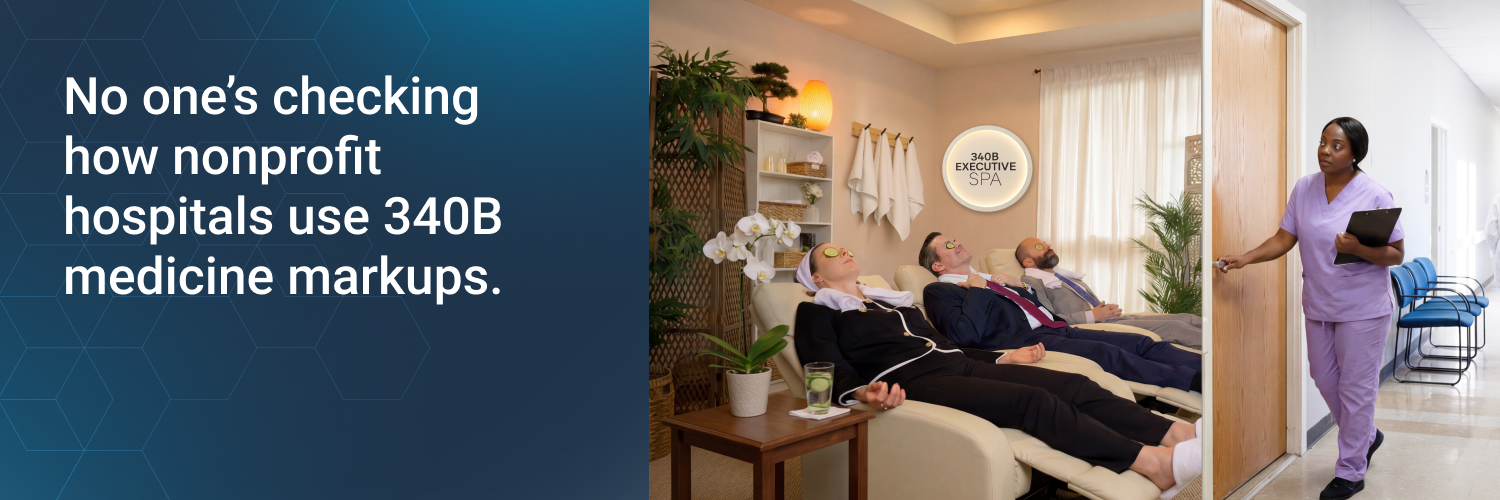
340B was meant to help patients, not pad hospital profits.
Today, some nonprofit hospitals are using the program to mark up medicines dramatically, while patients face higher costs. If patients aren’t benefiting, where is the money going?
Washington should fix 340B.
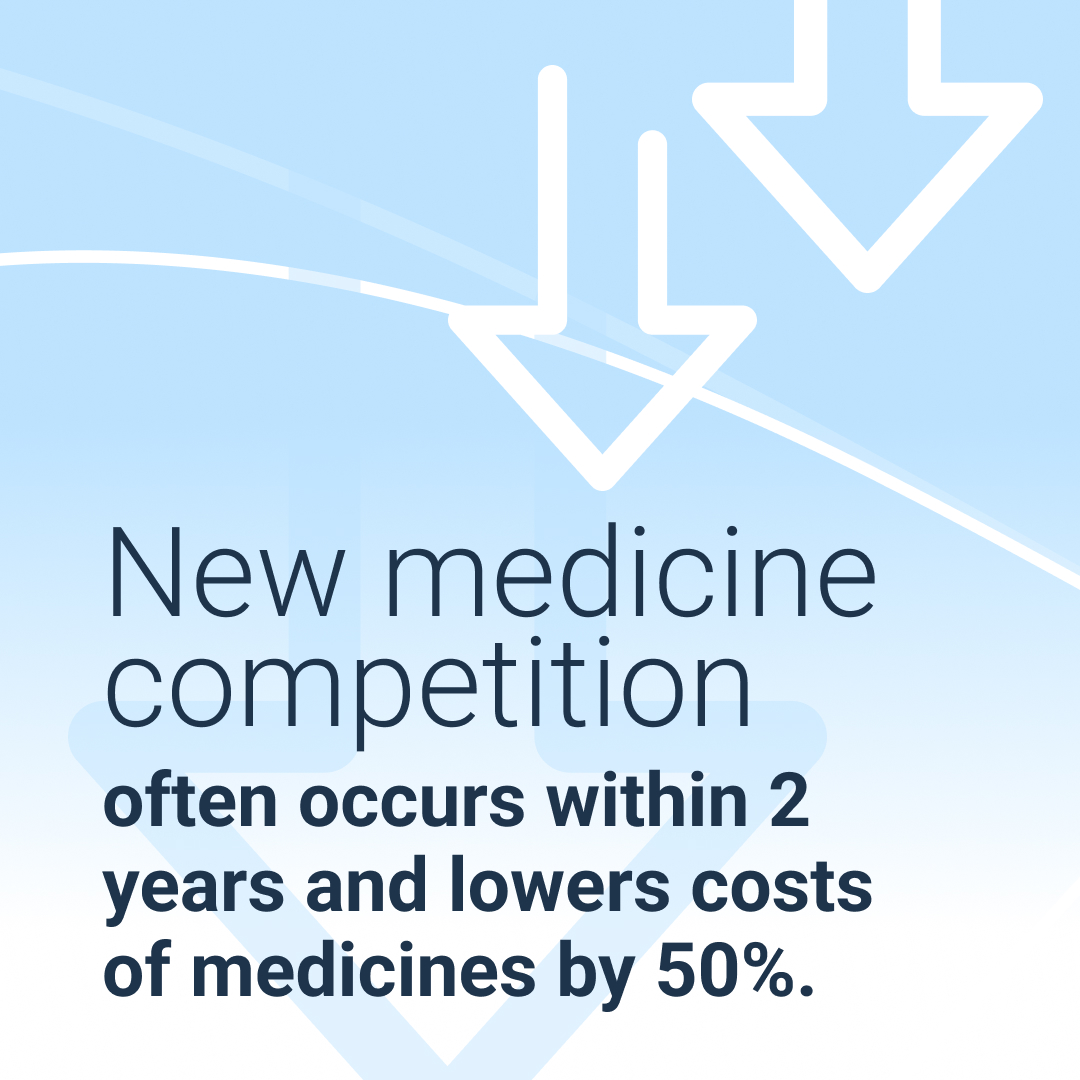
Competition and innovation both play a critical role in America’s biopharmaceutical ecosystem. Competition among innovators and then from generics and biosimilars help lower costs over time while continued R&D drives new treatments and cures for patients.
https://t.co/cZzlpozJZA
China is rapidly advancing in biopharmaceutical innovation, from oncology to cell and gene therapies.
They are investing to lead. The U.S. needs the same focus to ensure we remain the global leader. #InvestInAmericaForum#cnbcevents
44% of insured Americans taking prescriptions faced a barrier to care last year. Nearly half are denied care, and more than half cannot predict costs. These are systemic issues. It is time to address them.
https://t.co/NwjQxXRjXX
Thanks to strong intellectual property protections, including patents, the U.S. leads in biopharmaceutical innovation because our system supports both access and progress. Generic medicines now account for 90% of prescriptions and drive significant cost savings over time.
That balance is what makes continued innovation possible. #InvestInAmericaForum #cnbcevents
340B was supposed to help patients. Instead, growing concerns about waste, fraud & abuse are raising new questions about transparency, accountability and whether patients benefit at all. Federal reform is needed to fix the program.
It’s become increasingly clear that the 340B program is being exploited by tax-exempt hospitals and clinics and that patients are not benefiting. A new @WSJ editorial raised questions over how hospitals are exploiting the program, with “some of the wealthiest hospitals in the U.S. qualifying” without a requirement that patients benefit.
https://t.co/9wW28pddcc
Yesterday at the @axios Future of Health Summit, I spoke with @mayagoldman_ about why MFN policies won’t fix the real drivers of high drug costs in the U.S. To lower costs, we need to address the three main distortions in America's marketplace:
1. American patients are shouldering the cost of innovation—paying a 26% premium to drive innovation—while other countries underpay and free ride on that American investment.
2. We need to rein in PBMs. PBM fees alone can be 7x the price of a drug in a market outside the U.S.
3. We need 340B reform. Hospitals can buy a drug for a penny and mark it up 1,000%. Then that arbitrage flows to their bottom line rather than to patients.
Importing foreign prices through MFN is a flawed approach that doesn’t address the structural issues in our system. If we’re serious about lowering costs for patients, we need to fix these distortions. #AxiosFOH
There are several “distortions in our marketplace that need to be addressed to lower costs for consumers,” @PhRMA CEO @SteveUbl told @mayagoldman_ at #AxiosFOH.
“We have to get countries outside the U.S. to pay their fair share … we have to get after inefficiencies in our own system.”
A PhRMA report finds patients in other high-income countries have access to just 36% of new medicines, compared to 88% in the United States. As policymakers debate the future of health care, we must support policies that strengthen innovation, medical progress and the development of future cures. https://t.co/4kqBXOouiN
.@EliLillyandCo's new $4.5B investment in Indiana manufacturing highlights how America’s biopharmaceutical companies are advancing innovation, strengthening U.S. manufacturing and supporting jobs nationwide. https://t.co/VhjjEISCPQ
American leadership in medicine only matters if the cures we discover actually reach the people who need them. It is time for a system that prioritizes patient outcomes over middlemen profits.
https://t.co/0iB30HgNfK
If we want the U.S. to remain the global leader in life sciences, we need to act now.
That means more efficient clinical trials, fewer barriers from PBMs and insurers and policies that support continued investment in innovation.
The decisions we make today will determine whether America leads or falls behind. #InvestInAmericaForum #cnbcevents
A @nytopinion piece makes clear that hospital prices and consolidation are major drivers of rising health care costs.
Hospital prices are the leading driver of a 320% increase in premiums over 25 years, growing 3x faster than inflation and 2x faster than Rx drugs and doctor visits.
Addressing affordability means examining the full system, including hospital market power and the 340B hospital markup program.
https://t.co/k4RyPwSKw4
Nearly $2 billion in U.S. manufacturing investment in just one year is a strong signal that biopharmaceutical innovation at @Amgen is driving jobs, supply chain resilience and patient access here at home.
That kind of progress depends on policies that support innovation and investment. Without them, we risk losing ground in a global race for medical leadership.
The choice is clear: Strengthen the U.S. innovation ecosystem or fall behind. https://t.co/ocyKe59VWc
Innovation starts here at home.
@NovartisUS is expanding its U.S. footprint with its seventh new U.S. facility, part of a $23B investment in manufacturing and R&D to strengthen how medicines are delivered to patients, all here in America.
Investments like this help ensure faster access to new treatments support American jobs and reinforce U.S. leadership in medical innovation. https://t.co/xYnnj2n3wk
We conclude our #WorkingforCures Champion series with Jeannette Novatski from @UCBUSA. Jeannette is a member of @npcnow and helps shape the national health policy research agenda, ensuring that research is rigorous, stakeholder-aligned and impactful across the health care ecosystem. Amazing work, Jeanette, and congratulations.
Today, health system CEOs testify before the Ways & Means Committee. What's sure to be on the agenda: hospital consolidation.
It isn't just a market trend – hospital consolidation is fueled by perverse incentives in the 340B program.
Get caught up here: https://t.co/fwbxpmxy21
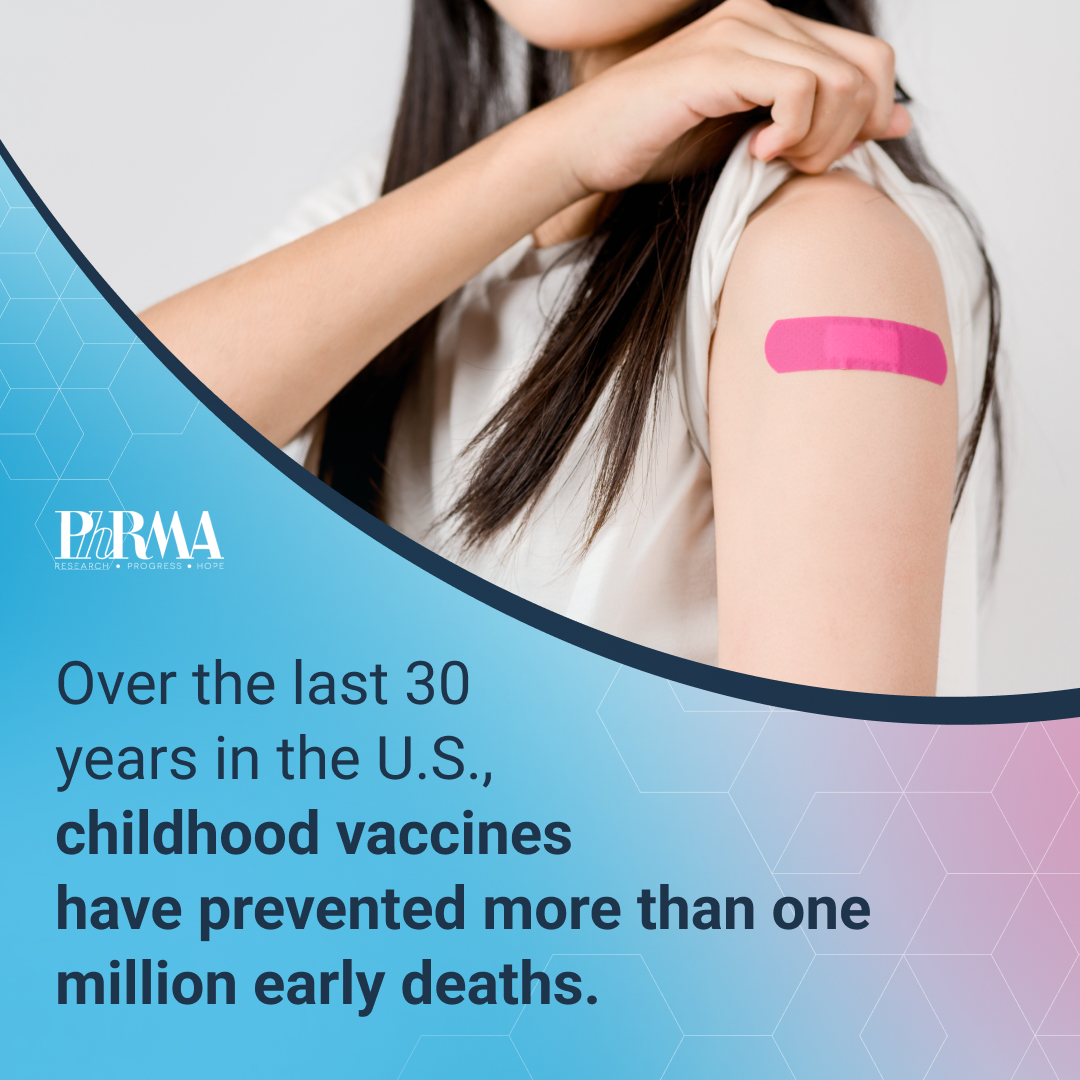
Over the last 30 years in the U.S., childhood vaccines have prevented more than one million early deaths. That’s what a strong innovation ecosystem delivers for patients and families.
https://t.co/lSXC1nxUpT
This week, we recognize our #WorkingforCures Champion from @Pfizer, Navin Katyal. Navin works to educate policymakers on the importance of removing barriers to help ensure innovative companies can achieve breakthroughs that improve patients' lives. Thank you, Navin, and congratulations.
As the #340B program grows, so does the need for strong safeguards. A rebate model is a commonsense step to improve transparency, prevent duplicate discounts and build accountability into the system while protecting patient access and supporting safety-net providers. https://t.co/vbh2IMZY6K