🇯🇵 The yen trades near 154.9 after touching 154.4 earlier in the session, as BOJ hike expectations accelerate on reports officials are prepared to move this month barring a major shock. Markets now price roughly a 90 percent probability, pulling JGB futures lower and pushing the two-year yield to its highest since 2007. With key government figures signalling no resistance to a December hike and investors watching for hints of follow-up tightening in early 2026, front-end pressure remains elevated as the yen steadies off its intraday strength.
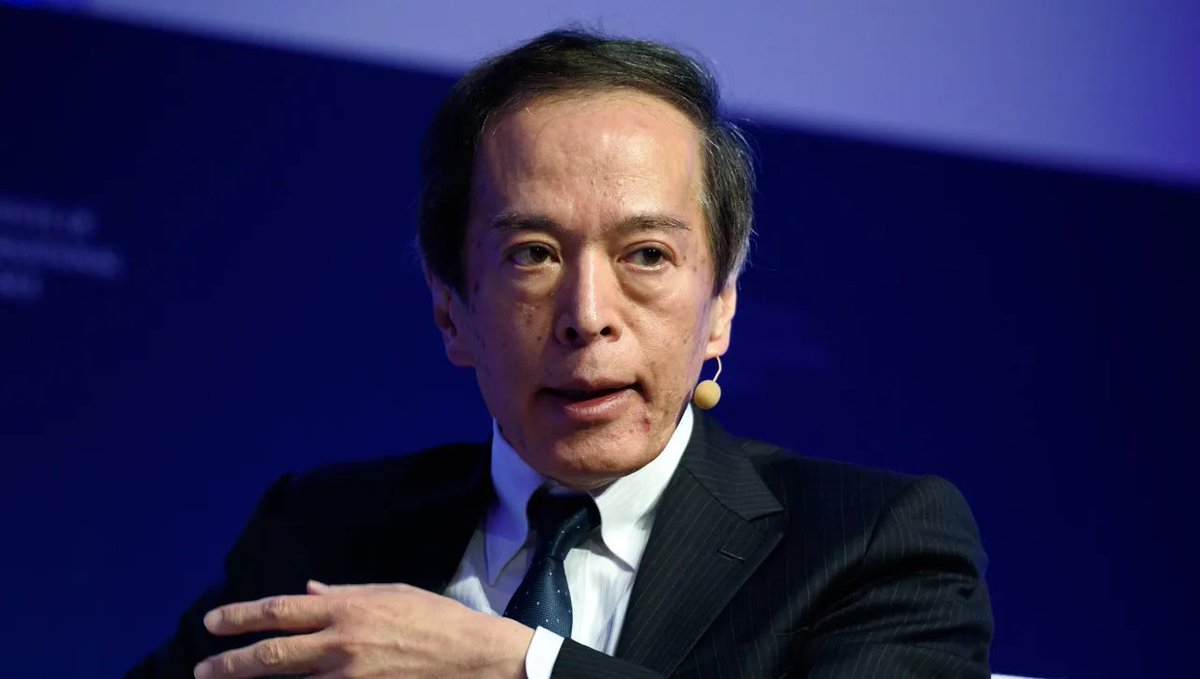
Ueda gave his clearest signal yet that a December BOJ hike is on the table, saying the board will weigh the pros and cons of raising rates as markets lift odds to roughly 76 percent. Front-end JGB yields hit their highest since 2008 and the yen firmed toward 155.4 as desks pulled forecasts forward. Ueda framed any move as easing off the accelerator rather than braking, while smooth coordination with the government suggests limited political resistance heading into the December meeting.
🇳🇿 The New Zealand dollar pushed to a three-week high after the RBNZ’s hawkish turn, with the bank cutting rates but signalling that the easing cycle is effectively over. Stronger retail sales and a sharp jump in business confidence added momentum, lifting expectations that rates may even move higher by late 2026. The shift gives NZD a clean bullish impulse as domestic data firm and policy guidance turns more assertive.
UK gilts and sterling pushed higher as markets leaned into Reeves’s signal of fiscal restraint. Gilt supply came in below bank estimates, the OBR revealed a larger buffer against the fiscal rules, and investors shifted focus toward the near-term funding profile rather than the backloaded tightening. The pound moved toward a one-month high and gilt yields stabilized after an early spike, with markets treating the plans as plausible even if credibility questions remain. Front-loaded borrowing and backloaded cuts rarely hold, but after last year’s volatility the bar for a positive reaction was low and this budget cleared it.
USDJPY is holding just under last week’s highs, with intervention chatter building as liquidity thins into the holiday stretch. Katayama’s rhetoric has turned sharper, Aida says the administration is prepared to step in even before 160 if moves turn disorderly, and Thanksgiving later this week opens a classic window for action. Yet price action still isn’t showing real demand for the yen. The pair remains pinned near the decade-high zone after Takaichi’s fiscal push and uncertainty over near-term BoJ tightening, and markets continue to treat 158–162 as the effective intervention corridor. For now, even with verbal warnings escalating, the yen still can’t generate a sustained bid.
🇺🇸 The dollar pulled back from its intraday highs after the latest labor data showed a rise in unemployment, but the broader narrative has not shifted. Payrolls firmed while the jobless rate moved higher, reinforcing a picture of a labor market that is softening at the margin rather than breaking. Treasuries rallied and front end yields slipped, yet the dollar is still holding its ground as markets continue to scale back confidence in a near term Fed cut. With the shutdown leaving September as the only reference point ahead of the December meeting, FX is realigning around a more neutral Fed path and the dollar’s resilience stands out with G10 counterparts unable to build a convincing bid.
USDJPY keeps grinding higher toward 158 even as officials turn louder. Koeda floated the chance of a December hike, Kihara warned of one way sudden moves, and JGB yields are pushing into multi decade highs while the yen keeps sliding. Markets are not buying the hawkish messaging or the threat of intervention, especially with Fed cut odds now below 25 percent and Takaichi’s stimulus plans raising questions about the debt path. With USDJPY edging closer to the politically sensitive 160 area where intervention risk typically rises, nothing is shifting the trajectory for now.
UK CPI eased to 3.6% in October, the first decline in seven months, with services inflation dipping to 4.5% and coming in a little below the BoE’s projection. The print keeps a December 18 cut on the table. Attention now shifts to Reeves’s budget next week, where potential tax changes and regulated price decisions could influence the inflation outlook heading into 2026. With a soft labour market and weak growth, the bias still leans toward easing, but fiscal policy will shape how confidently the BoE can move into year-end.
🇯🇵 Despite last night’s warnings from Tokyo, USDJPY is holding just under the highs, highlighting how little has shifted in the broader macro picture. Fiscal ambitions are building, the BoJ remains cautious and long-end JGBs remain under pressure. The pushback may slow the pace, but it doesn’t close the policy gap that keeps the yen under pressure.
Even with Washington reopened, the US data blackout hasn’t fully lifted. A backlog of releases still hangs over the market, leaving the macro picture incomplete and pushing traders to rely more on rate expectations, positioning flows and cross-asset signals. With October’s CPI and payrolls potentially missing for good, the Fed heads into its next meeting without a clean read on inflation or labor, and the dollar trades in a regime where sentiment, liquidity and curve repricing matter more than fundamentals.
@KobeissiLetter Momentum is clear, even with a messy backdrop. Once the US data backlog clears we’ll get a cleaner read, but for now the trend is doing exactly what it should.
The yen remains stuck in a weak macro setup as PM Takaichi signals she wants the BoJ to move cautiously on rate hikes, undercutting Tokyo’s own jawboning efforts. Markets increasingly see a scenario where persistent yen weakness ends up forcing the BoJ’s hand in December or January. With fiscal expansion adding pressure and intervention credibility fading, JPY’s broader trajectory still tilts to the downside.
US data blackout deepens as the White House confirmed October jobs and CPI will likely never be released due to the record shutdown. With BLS surveys incomplete and key inputs lost, policymakers face a rare data void heading into the December Fed meeting. Markets now have to price the economy blind just as the Fed debates a third rate cut this year.
UK labour data weakened again as unemployment rose to 5 percent, the highest level since early 2021, while wage growth continued to slow. Sterling slipped as markets now price more than an 80 percent chance of a BoE rate cut in December. With payrolls falling, pay momentum fading and disinflation gaining traction, pressure on the Bank is rising quickly and today’s release makes the UK slowdown impossible to ignore.
Global risk sentiment jumped as the Senate moved closer to ending the 40-day US shutdown, clearing a major overhang and lifting equities and yields. FX opened the week in broad risk-on mode, with AUD and NZD leading while JPY and CHF eased as haven demand unwound. A shutdown resolution would restore data flow and visibility for the Fed, even if it doesn’t erase the economic damage already baked in. For now, reduced political paralysis is translating straight into stronger risk appetite across markets.
Markets have pushed BoE cut odds toward 40% as Reeves’ fiscal tightening signals sharpen the case for earlier easing, putting today’s decision under heavier scrutiny than previously expected. Stalled inflation and a cooling labour market give the Bank room to turn dovish even if rates stay on hold. The key focus is the guidance: any hint that easing is coming sooner will set the tone for GBP and UK rates into year-end.
Sterling hit its weakest level since April after Finance Minister Rachel Reeves warned of hard choices in her upcoming budget and signalled broader tax rises to preserve fiscal rules. The pound slid 0.70% to around $1.30460 as gilt yields fell, reinforcing the shift toward a tighter fiscal backdrop and weighing further on sentiment. With the BoE decision approaching and markets questioning how fiscal consolidation will interact with a cautious monetary stance, GBP’s bias remains firmly soft.
The yen lifted off an eight-month low after Finance Minister Katayama delivered fresh jawboning on rapid FX moves, pulling USDJPY back toward 153.6. Markets are discussing intervention risks again, though most desks argue Tokyo remains far from pulling the trigger. With doubts lingering over Ueda’s slow path to tightening, yen weakness remains the underlying theme.
Switzerland’s inflation undershoot to 0.1% y/y exposes the limits of the SNB’s earlier easing. A stubbornly strong franc continues to suppress imported prices, leaving policymakers cornered between FX intervention and the risk of sub-zero rates returning. The franc remains softer in the aftermath of the release.