Want to be part of a unique sports medicine event?
Then do not miss this chance to join this once-in-a-lifetime opportunity – register here: https://t.co/UxpeyokVTC
Full programme is now online: https://t.co/58Rk12JHnK
#OSTRC25
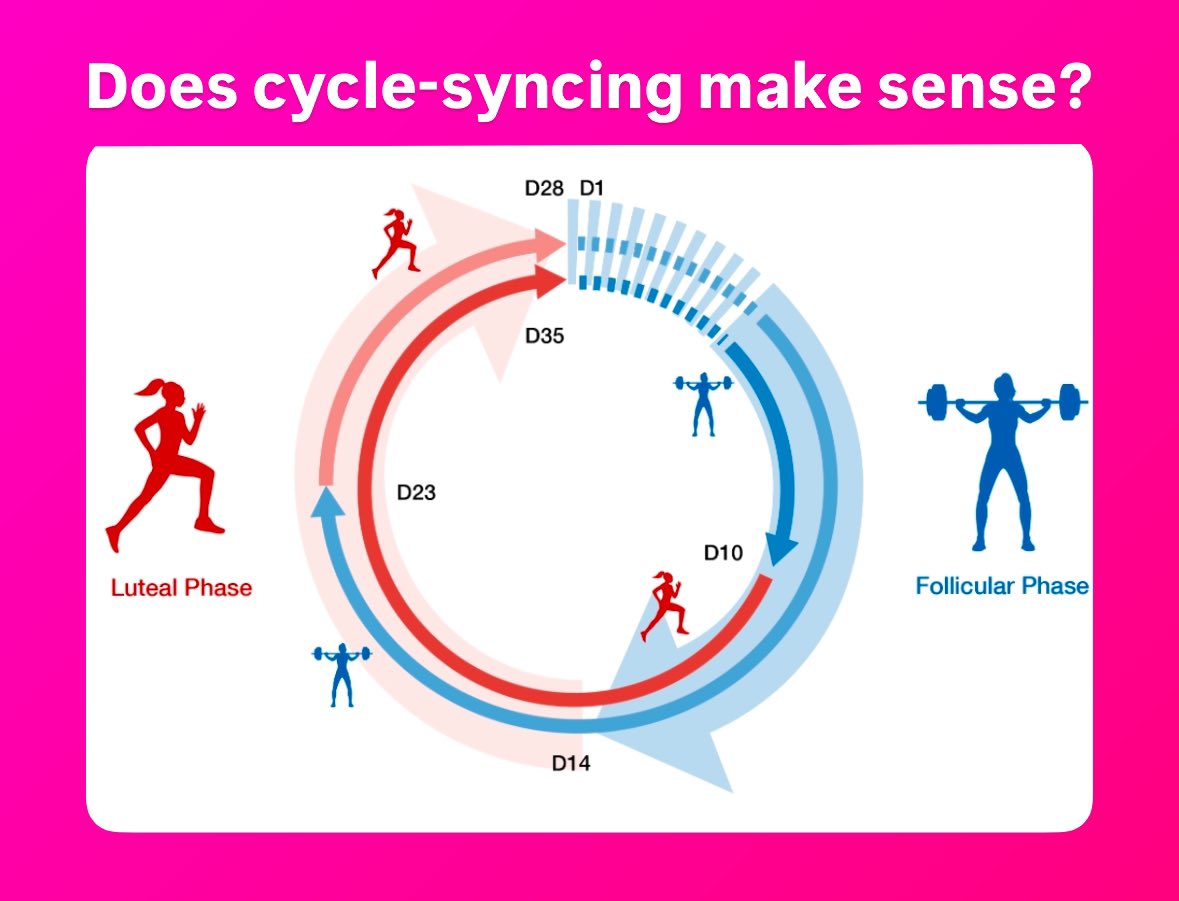
Not only is there a lack of evidence to support exercise programs that align with your menstrual cycle phase…cycle length, ovulation timing, and hormone levels vary SO much between women. Cycle phase-based programs completely ignore this variability.
You can finally read all about how gendered environments affect elite sportswomen’s injury experiences with our new @BJSM_BMJ publication. You’d think that in 2024 women’s injuries wouldn’t be dismissed with “you’re being hysterical” anymore but SURPRISE it’s still happening….
Calling all female football (soccer) players! ⚽
By participating in this study, you will contribute to a greater understanding of how the menstrual cycle and contraceptive use affect female athletes.
Link: https://t.co/kwpT4loUCa
I am delighted to share my first article, co-authored with the brilliant @margomountjoy and Marie Elaine Grant.
👀 PT can play a 🔑key role in the early recognition of this syndrome, making it essential for them to be familiar with the potential clinical presentations of REDs.
Excited to share our first EDGE Lab preprint! ⚡
@J_ParsonsUofM , Olayinka Akinrolie, Hal Loewen, and I took a deep dive into the literature to explore what's already out there linking gendered environments to sports injury 👇
One More Time For The People In The Back 🧵
1) There is insufficient high-quality evidence to confirm or refute universal menstrual cycle phase based responses in [sports]women
This is more than a lack of consensus amongst the scientific community, this is a lack of credible data
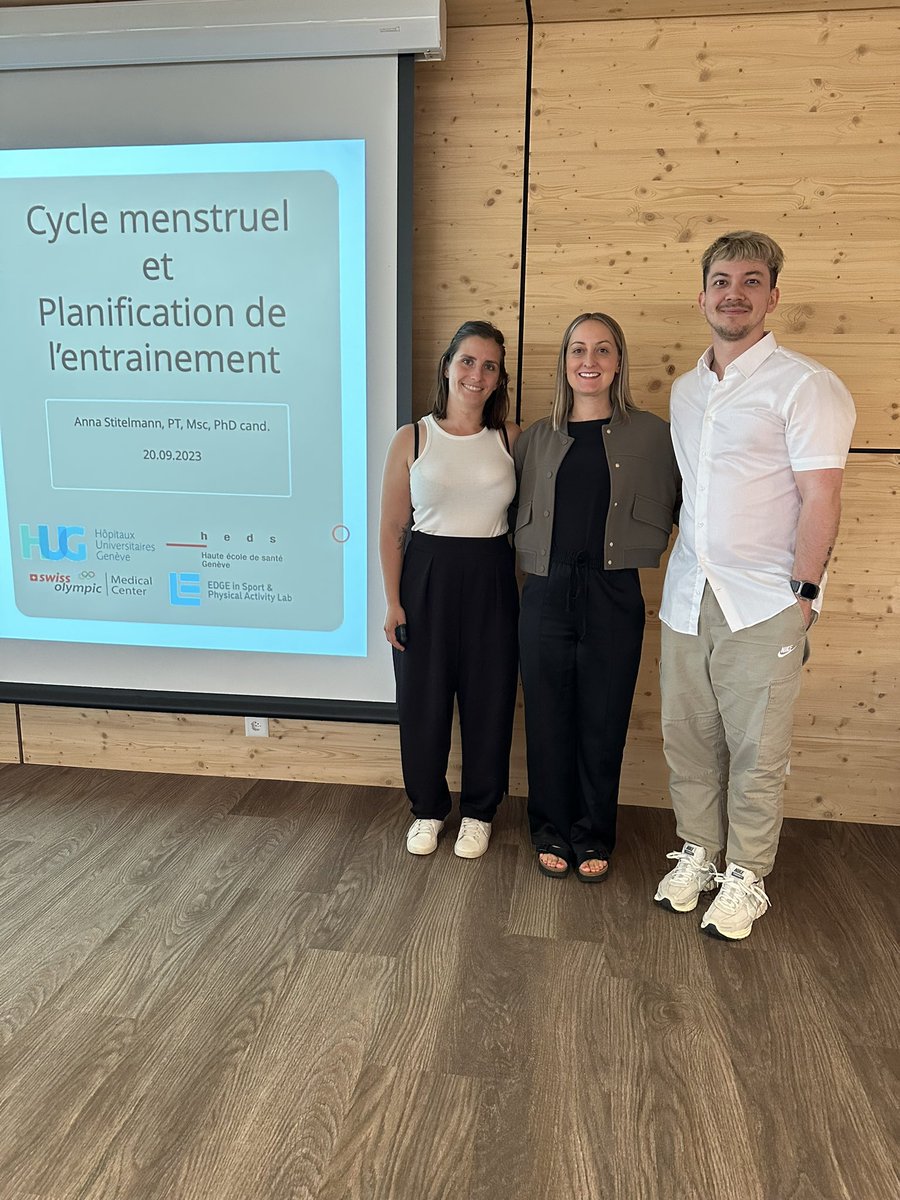
EDGE Lab collaborators @StitelmannA, @DrAliBowes, & @bel_loic meeting up in IRL at the Femmes et Sport Workshop organised by Le Reseau Santé & Sport in Switzerland. 🙌 We love to see it! 🤩
🌟EDGE Lab collaborators @DrAliBowes & @StitelmannA are presenting at @RRMESport's Femmes et Sport symposium on September 20th in Switzerland🌟
Ali focuses on sociocultural aspects of women's sport participation, & Anna weighs up the evidence base on menstrual cycle training👇
‘Unsubstantiated interventions, such as menstrual cycle phase-based training programmes, should not be adopted at this time despite their popularity in practice and social media settings.’ @ElliottSale https://t.co/paELK1uO7P
🚨 Female athletes, practitioners, researchers, journalists, reviewers & editors - it’s time to set the record straight on assumed menstrual cycle phases. We need to raise research standards, to finally provide female athletes with high-quality evidence. https://t.co/YbEPHEsTmw
Our paper is out in @JCM_MDPI and open access ! ⤵️
https://t.co/3r3fs17DmB
We discuss psychometric properties of temporal parameters during the Side Hop Test in ACL reconstructed patients
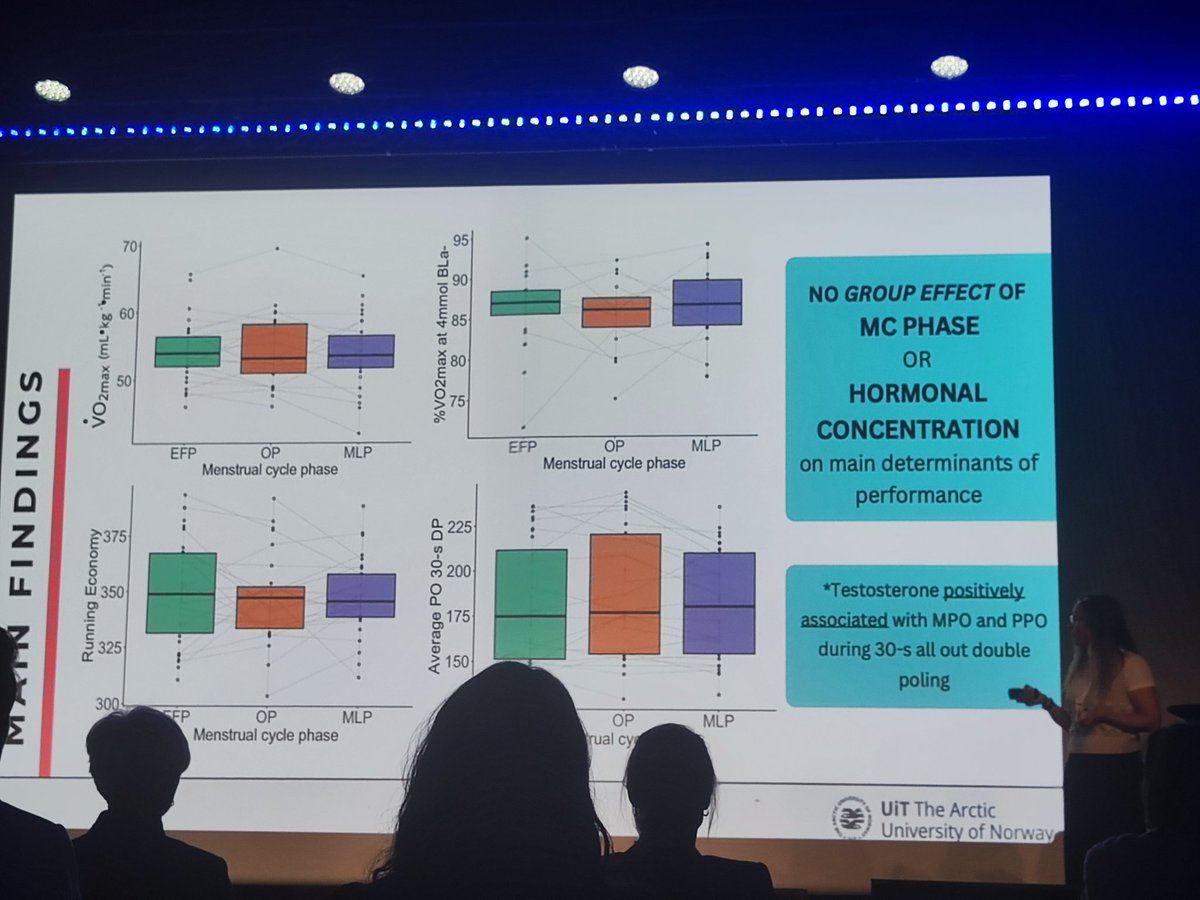
Nice presentation from 🤩 @MadisonYTaylor
Key points:
- No MC phase effect on endurance performance determinants
- within participants variations where similar to what is observed in mens
- However individual adaptations may be useful
@WCSPT2024
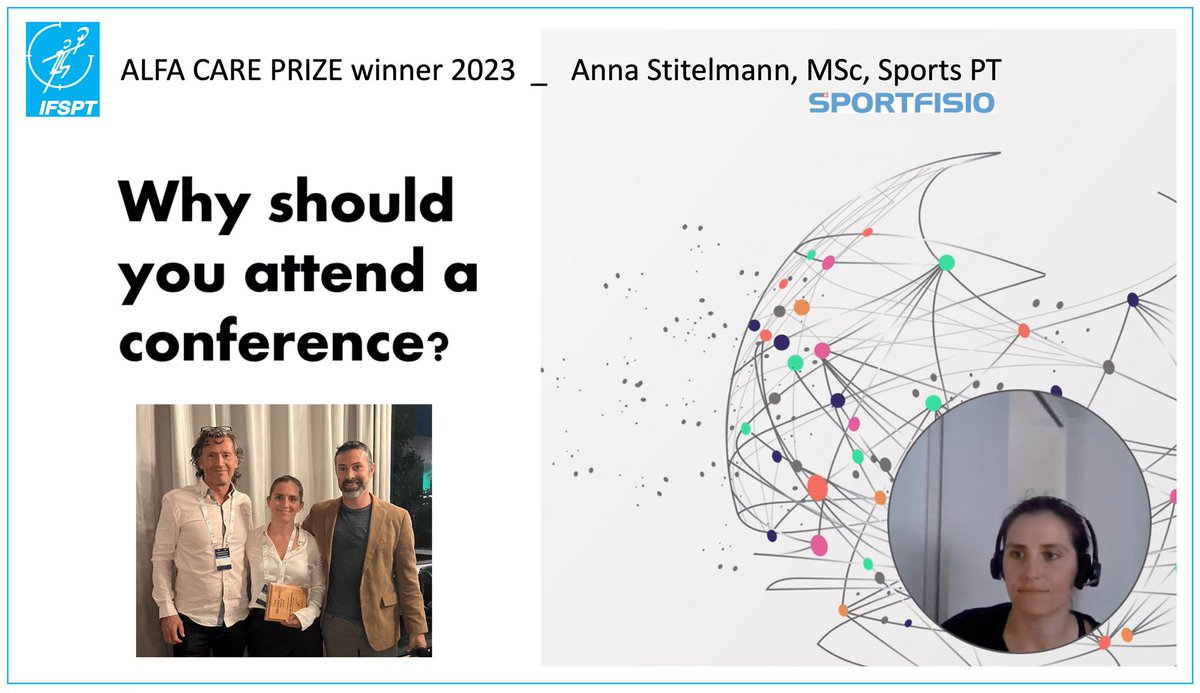
💥 why join @WCSPT2024 Oslo 🇳🇴 ? 💪 pls listen to our va @StitelmannA 2023 winner @AlfacareNorge Prize @IntFSPT 👉 https://t.co/vvbK8QY8sR 😎 you can still register at https://t.co/mkhaf2PgVn
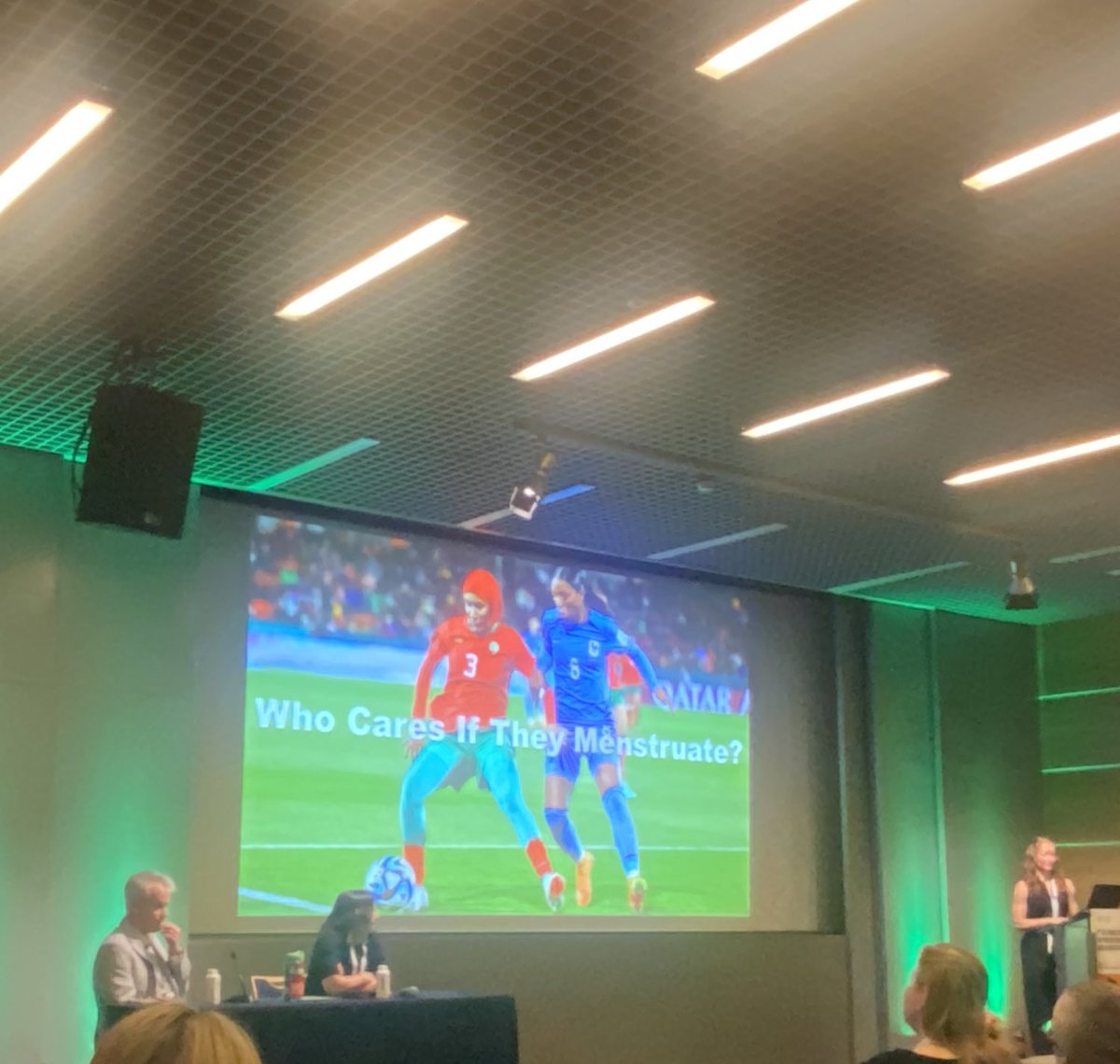
Great head to head debate on whether more research on menstrual cycle is needed.
For no: you simply don’t know what cycle part they’re in; assumed cycles ❌. Majority on birth control, research leaves a huge portion out. It is just one piece to the Ovarian hormone profile.
@bel_loic Thank you all for your intervention and thoughts about how menstrual cycle should not be ignored but in the same time also be sensitive to the nocebo effect it may creates!
Female athletes are not injury prone but are MADE injury prone by gendered socio-environnemental influence.
Thank you @J_ParsonsUofM for your presentation. 👏🙏
#MonacoConference2024