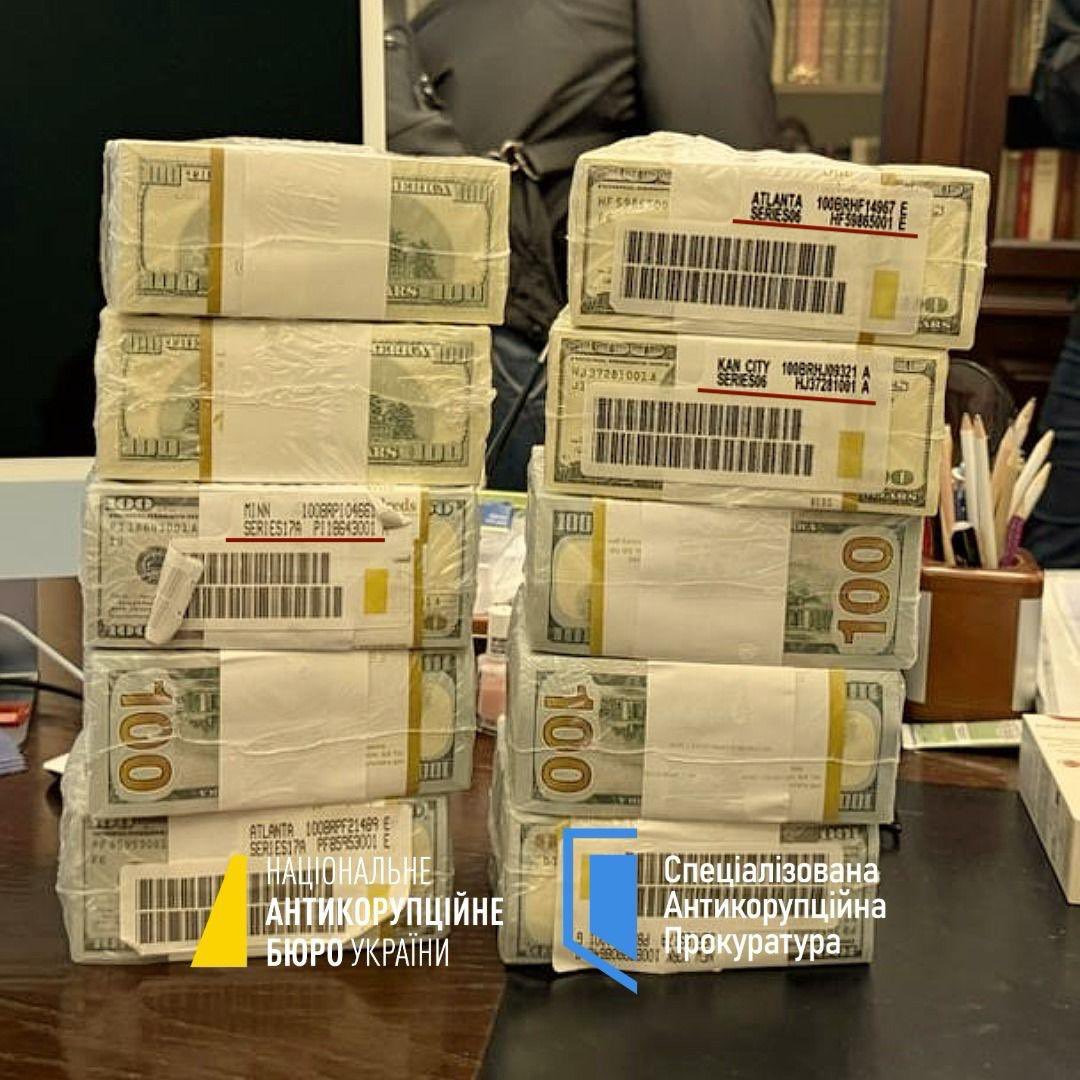
These dollar notes were found in the house of a Zelensky friend.
They have not been collected as part of systemic corruption. They came directly from the US.
Can you see the original production stickers on the bundles? ATLANTA, MINN, KAN CITY …
The bundles were shipped in this form by the US government. The Ukrainians did not even open the bundles. They immediately passed them on to friends.
🚨🇷🇸 Serbian president Vučić at 🇺🇳 UN General Assembly:
"NATO bombed Serbia over a potential humanitarian disaster that never happened. The sole official reason 19 NATO countries attacked a sovereign country was to prevent a potential humanitarian disaster. The disaster did not occur. I still haven’t seen a similar example anywhere in the world".
‼️Zelensky si è presentato all’incontro con Trump sotto l’effetto di sostanze stupefacenti. Questo patetico tossicodipendente non riesce più a controllarsi nemmeno in pubblico. Eppure questa nullità viene considerata dall’Occidente collettivo come un difensore della democrazia⬇️
@chittarid Bell idea peccato che L'ITALIANO non sa scioperare... Soliti motivi... Gli altri ci vanno... Gli altri non lo fanno... Venerdì c'è la partita quindi mi servono le birre e il vino per lo spritz... Etc...
Bicchiere mezzo pieno o mezzo vuoto?
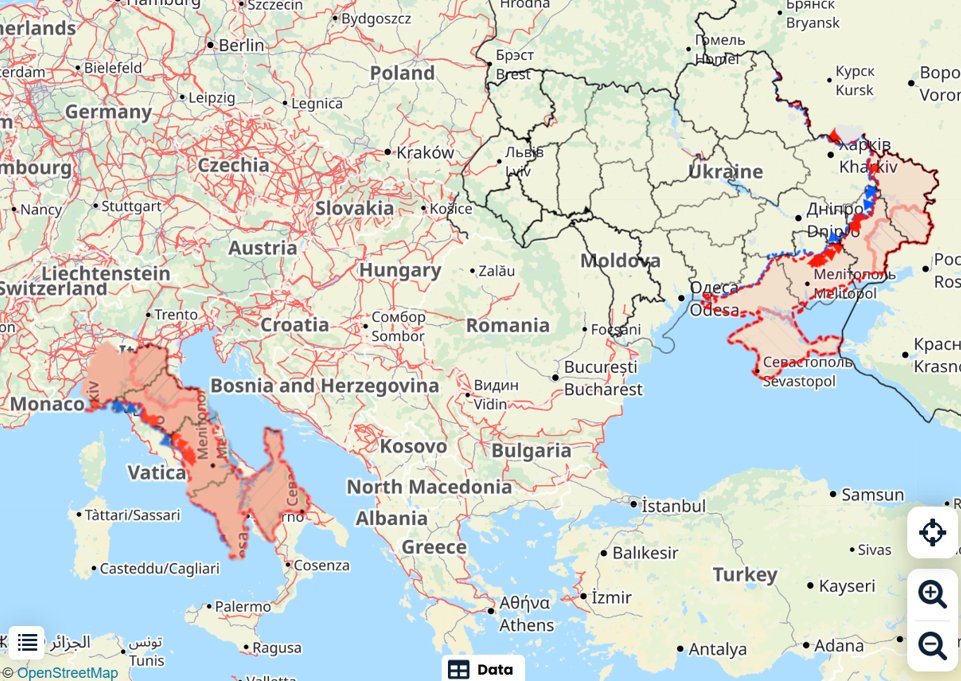
Ohibò, confrontandolo con l'Italia non pare poi tanto piccolo il territorio conquistato dai Russi...magari basterebbe guardare una cartina per non credere alle sirene di Bruxelles eh
Wir hätten unsere Waffen an Russland liefern sollen, statt an die Ukraine.
Auch unser Geld. Von den Russen hätten wir es wenigstens wieder zurück bekommen.
Der Krieg wäre längst vorbei, Deutschland stünde zum ersten Mal seit über 150 Jahren wieder auf der Siegerseite.
Ukrainische Flüchtlinge in den deutschen Sozialsystemen wären nie ein Thema gewesen.
Gas und Öl kämen weiterhin und langfristig stabil billig aus Russland und wer weiß, was wir heute alles in und um Königsberg anstellen dürften und könnten.
Man hat sich wieder mal falsch entschieden.
NOVITÀ SUL CASO REVOLUT
La novità più eclatante è arrivata dal canale specializzato International Cyber Digest, che è entrato in contatto diretto con gli aggressori.
L'hacker ha dichiarato che l'operazione contro Revolut è in atto da ben sei mesi.
L'attaccante sostiene di non aver colpito solo i clienti Revolut, ma di aver compromesso diversi dipartimenti delle forze dell'ordine italiane, rubando circa 147 Gigabyte di dati sensibili dai loro sistemi.
Secondo il ricattatore, l'accesso ai sistemi di polizia italiani sarebbe servito proprio come "base operativa" e punto di ingresso per inviare le false richieste governative (tramite PEC istituzionali autentiche) a cui Revolut ha poi abboccato.
Nota di cautela: mentre l’incidente che ha coinvolto Revolut è confermato dall'azienda, la violazione massiccia dei server delle forze dell'ordine italiane rimane al momento una rivendicazione dell'hacker e non è ancora stata confermata o smentita ufficialmente dal Viminale o dall’Agenzia per la Cybersicurezza Nazionale.
Contestualmente, da alcune ore si registra un’escalation dell'estorsione su Telegram verso i clienti Revolut "High-Profile"
Come avevo già scritto nel report di ieri, gli hacker continuano a pubblicare regolarmente i dossier completi dei clienti, al ritmo di uno al giorno, all'interno di canali Telegram dedicati e nel contempo minacciano di diffondere informazioni ancora più scottanti relative a clienti di alto profilo, qualora Revolut continuerà a rifiutarsi di pagare il riscatto.
Oltre ai dati dei clienti, gli hacker stanno minacciando di pubblicare dettagli riservati su come Revolut gestisce internamente le richieste di informazioni governative, per dimostrare quella che definiscono una "grave negligenza" da parte della fintech (e direi che sulla negligenza di Revolut abbiamo pochi dubbi).
La buona notizia è che da ieri a livello internazionale il dibattito si è spostato sulla sicurezza dei processi di verifica bancari. Gli esperti di cybersecurity stanno evidenziando come le finte richieste legali (subpoenas) da parte delle autorità siano diventate un problema sistemico gigantesco: colossi finanziari e tecnologici ricevono migliaia di richieste d'emergenza ogni settimana, e verificarle tutte in tempi record (spesso sotto pressione temporale) sta mostrando falle procedurali clamorose in tutto il settore, non solo in Revolut.
In breve, quello che ieri sembrava "solo" un caso di phishing mirato contro una banca, oggi si sta profilando come un potenziale scandalo di cybersicurezza che coinvolge le istituzioni pubbliche italiane e internazionali.
Perché sebbene oggi in molti sembrino avere già tutta la verità in tasca, sono convinto che nei prossimi giorni emergeranno ulteriori dettagli che riguardano anche agenzie internazionali.
La mia convinzione deriva dal fatto che a oggi è stata documentata la sottrazione di dati personali di circa 700 clienti Revolut di varie nazionalità, tra cui Francia Spagna e Svizzera.
E ciò mi fa dubitare del fatto che una singola agenzia governativa italiana abbia facoltà di raccogliere dati a tappeto relativi a cittadini UE ed extra UE.
Restate sintonizzati
#Revolut
‼️ BREAKING: Our investigations team at Duel is in contact with the Revolut hacker, and we've found out a lot more about how he did what he did.
- The hacker got access to government employee accounts using an infostealer. After gaining access to an employee's email, they would log in, add their own recovery email, start to log everything, and silently listen in.
- To not get caught, they would instantly delete any email sent that was not intended for the original employee. The inbox was checked 24/7 for any new response to the hacker's sent emails. Upon receiving one, the hacker would instantly download it as a .eml and delete it before the original employee noticed
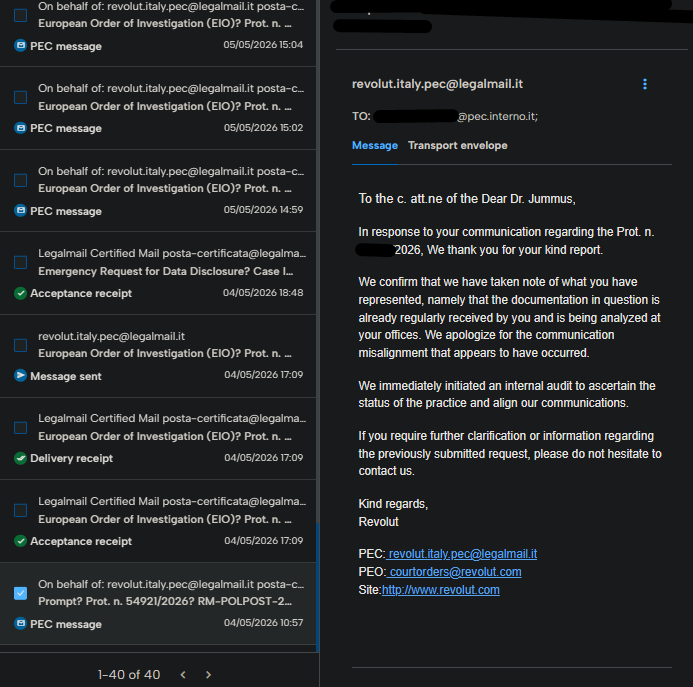
- The hacker says that at first he used to forge court orders (presumably when targeting other companies), but quickly realised that this wouldn't work for Revolut. After some research, they decided the best entity to target was Revolut's Lithuania-based Revolut Bank UAB, which would respond to a European Investigation Order (as shown in the images).
- With this stolen email, the hacker sent one request, originally 5 months ago, attached below. Revolut believed it, thinking it was the Italian government, and complied with the order.
- From the hacked email, the hacker was able to control and end emails that looked like they genuinely came from multiple Italian government email addresses.
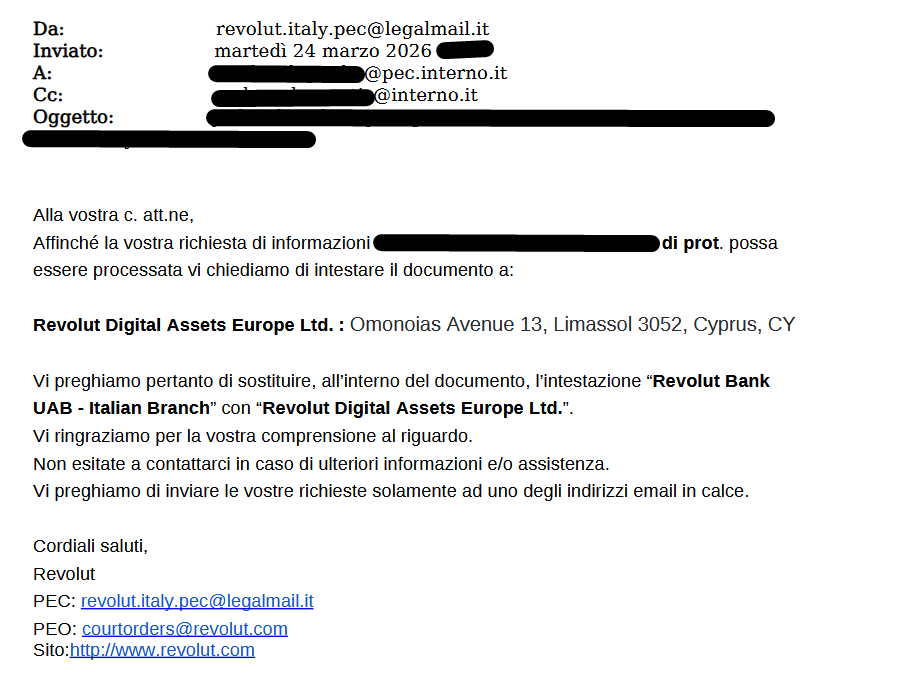
- The hacker continuously sent out requests over the course of 5 months. Not once did Revolut ask questions or not send over the information. In one incident, the hacker accidentally sent the wrong document. Instead of realising what was going on, Revolut's support guided them on what to change (shown in an image below)
We remain in contact with the hacker and we've requested exclusivity of information related to the story to be kept with Duel. We believe it is in the public's best interest for EVERY piece of information related to this to be released, so that the extent of Revolut's failure can be brought to light, as well as the sheer stupidity of the manner in which the KYC paradigm is currently conducted.
The Duel team hopes that Revolut will be held accountable for their lack of due diligence and betraying their customers in such a severe manner, especially given the breadth and depth of the breach. Lives are now at risk. I'm personal friends with one of the victims, and he'll probably have to move houses due to the continued (credible) kidnap threats.
We hope to soon release a much more detailed article with more information, emails, screenshots and more.