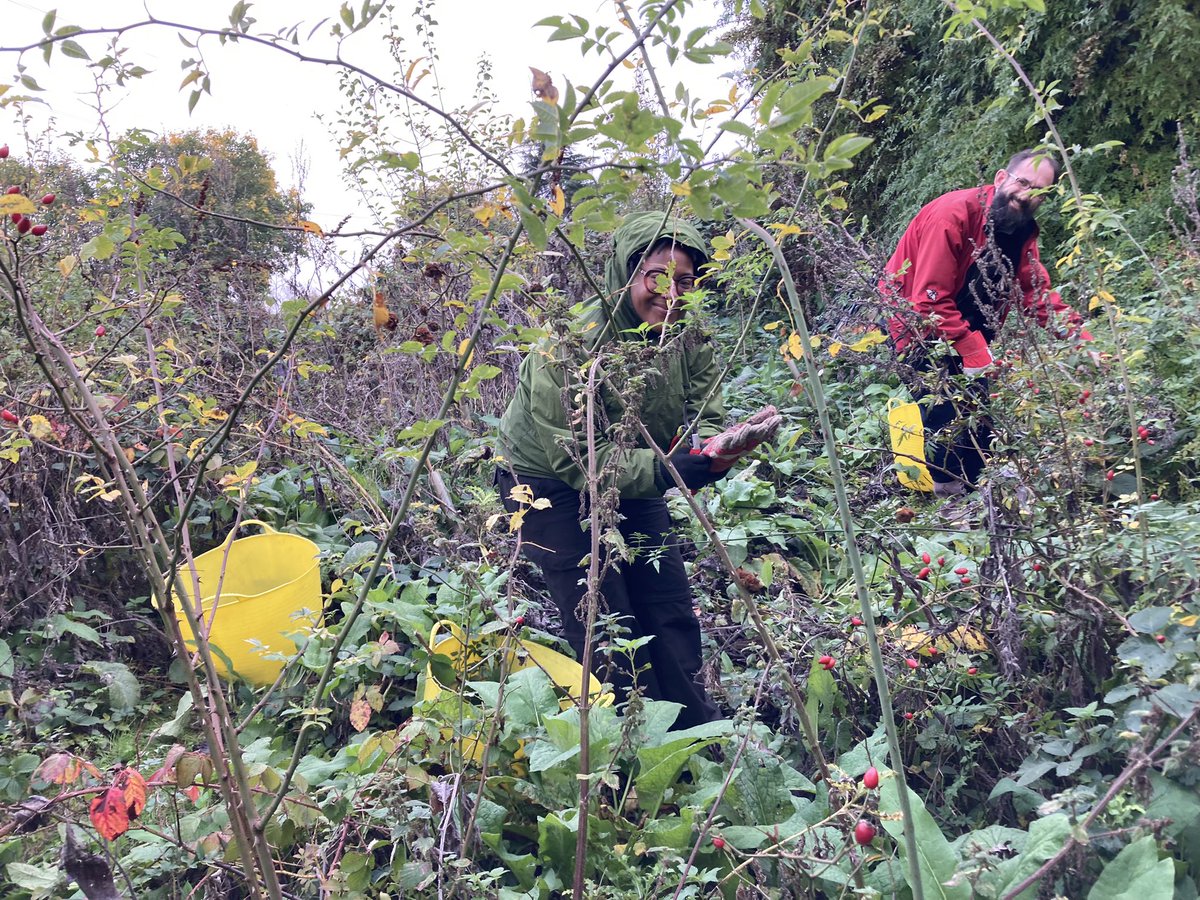
We're a group of volunteers advocating for improvement of habitat for wildlife & outdoor amenity of River Lea & Lee Navigation, Tottenham Marshes since 2017🌈
So, what’s the solution to this problem?
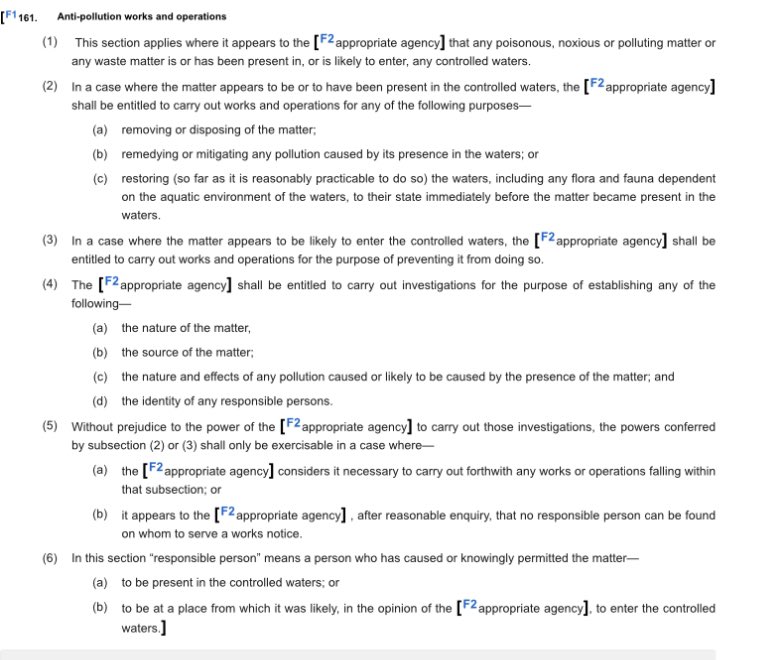
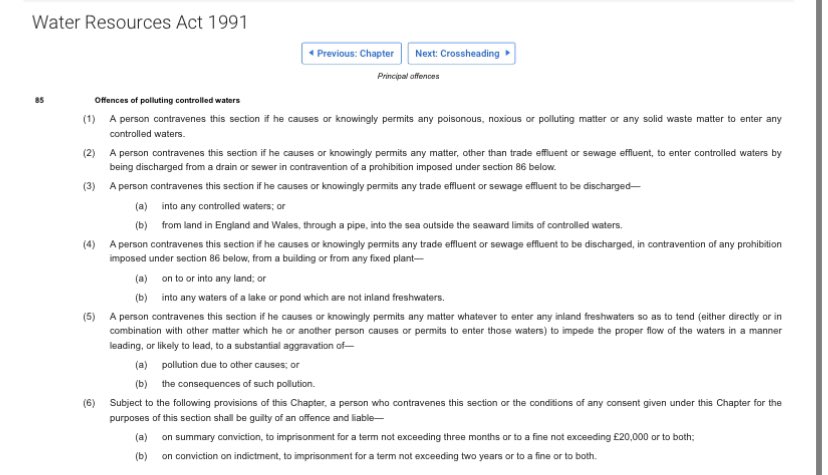
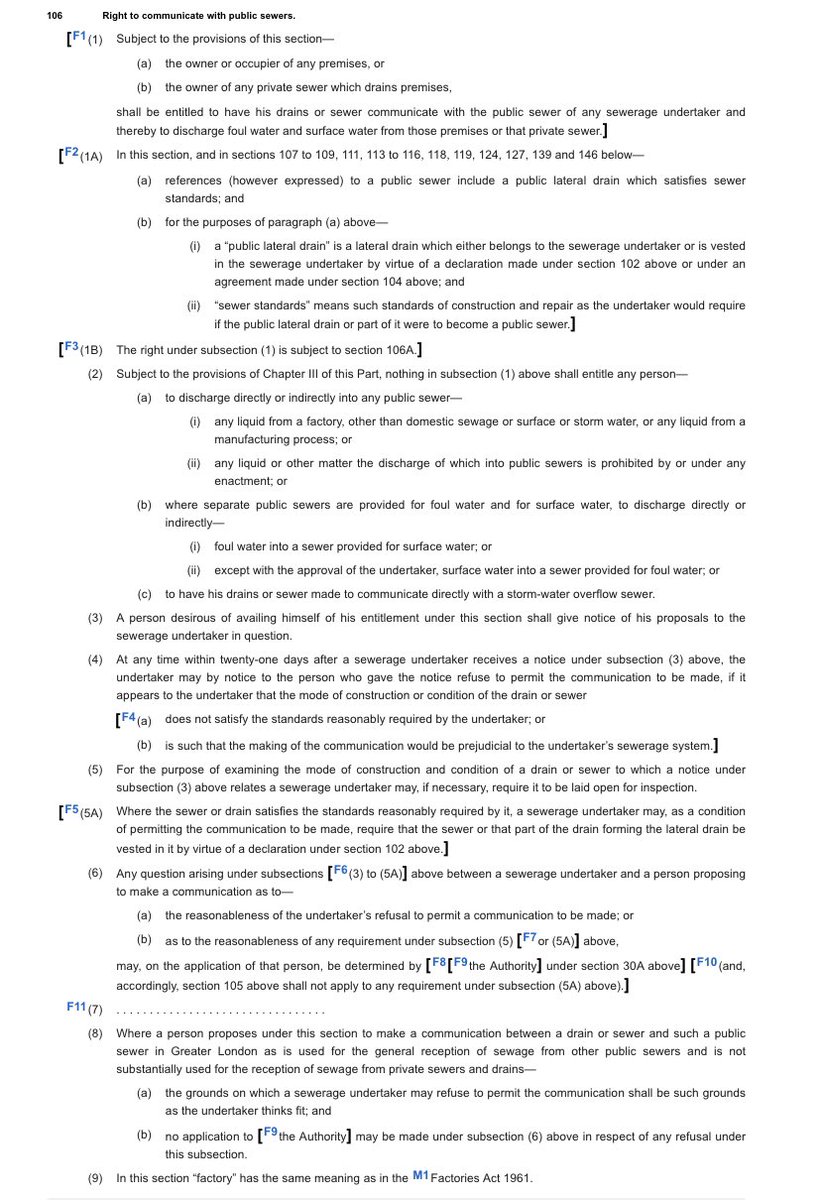
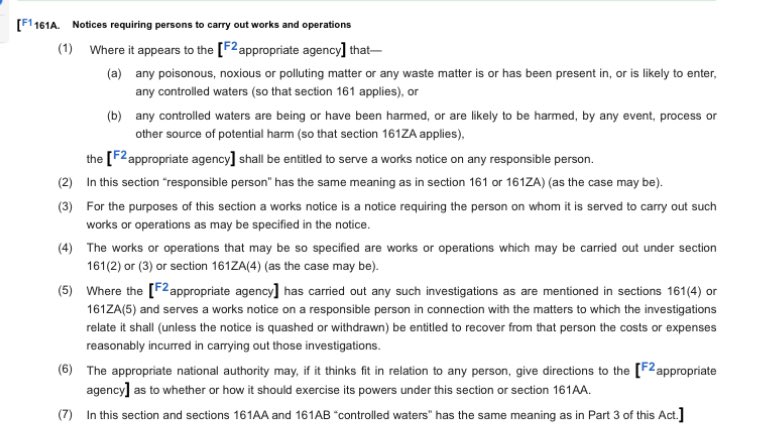
It’s clearly not legal powers, as three agencies already have sufficient legal powers to deal with missed connections.
Instead, it’s a question of *duty*. Central government needs to step in & decide which of the three current power holders have a duty to act. They can provide the guidance & funding necessary, & mandate them to do what is needed, with a clear process that other agencies & ordinary people can use to mandate action where they fail to do so.
In addition, the chosen agency should be forced to provide a clear plan as to how they plan to eliminate missed connections, both nationally and on every river catchment.
Without these changes, we will continue to indefinitely see the awful sight of raw sewage being discharged directly into our rivers through missed connections.
The Environment Agency also has significant powers under the Water Resources Act 1991 to investigate & issues remedial notices for missed connections, as well as using its usual prosecutorial powers. However, they rarely if ever use these powers to stop & prosecute pollution from missed connections.
Water companies have a power under the Water Industry Act 1991 to close off any missed connection and to prosecute those responsible. However, as we know water companies are private profit making entities & they do not seem to have much incentive to spend the time or money using their powers to take action on this issue.
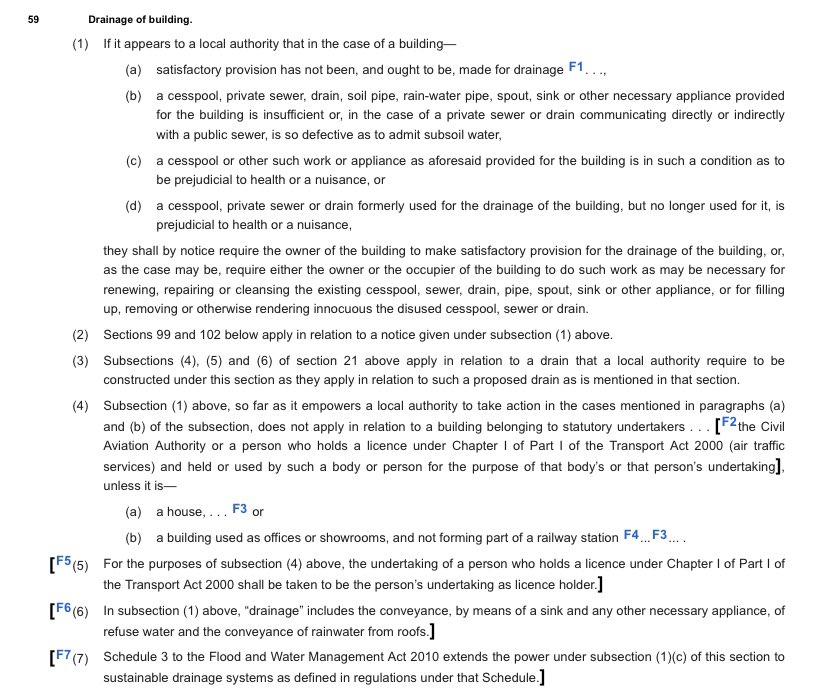
Local authorities appear to have the strongest powers to deal with this issue, with section 59 of the Building Act 1984 putting a duty (“they shall”) on them to require the owners of misconnected buildings to rectify the issue. However, few local authorities use this power at all & none appear to have any plan in place to use it to eliminate missed connections in their area. They often pass the buck on to water companies.
The most difficult issue the regulatory mess of who is supposed to deal with this issue. And on this one it is not as simple as just blaming the water companies. There are a number of authorities who have responsibility & sadly far too much of a culture of passing the buck & ducking responsibility, which is stopping the issue of missed connections being solved.
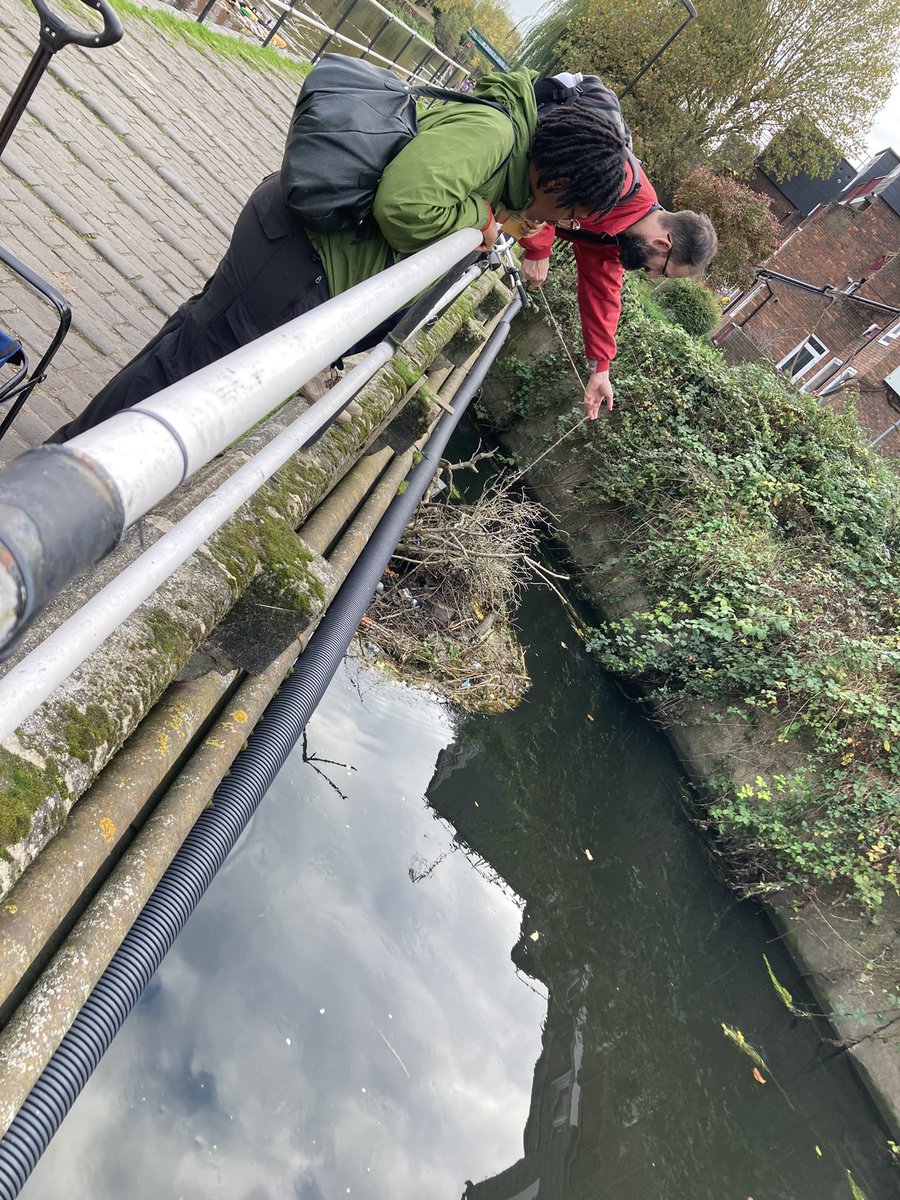
One reason is that is is difficult, slow & expensive to track missed connection spills back to the specific building causing them. If a particular outfall is showing signs of sewage pollution, how do you tell which of the hundreds or thousands of buildings draining into it have a missed connection?
However, there are techniques that allow such tracing & given reasonable resourcing it would be possible to undertake a proper campaign to dramatically reduce and/or outlaw missed connections.
‘Missed Connections’: the under-reported aspect of the sewage crisis🧵
The scandal of sewage spills caused by combined sewer overflows has received significant attention. However, across the country, and particularly in urban areas, significant sewage pollution is being caused by so-called missed connections, where buildings are incorrectly plumbed causing their sewage to drain directly into rivers & streams.
This issue is a key example of regulatory failure- with all the different authorities involved tending to pass the buck rather than take the necessary action to stop these spills. Local campaigners @FriendsRivCrane & @BrentPollution have now brought national media attention to this issue, so let’s explore what the problem is and what can be done about it.
A missed connection occurs when foul water discharges from buildings are plumbed into the surface water system, causing raw sewage & grey water to be discharged untreated into rivers & streams.
This happens for a variety of reasons. It’s often accidental, with any building owners being completely unaware that they are polluting a local river. It can also happen through bodged renovation projects, where cowboy builders don’t want the hassle of properly draining the building. The examples found on the River Crane have an echo of the cladding crisis about them: inadequate building regs oversight allowing a developer to negligently bodge a job & then leaving the new owners with the costs of rectification.
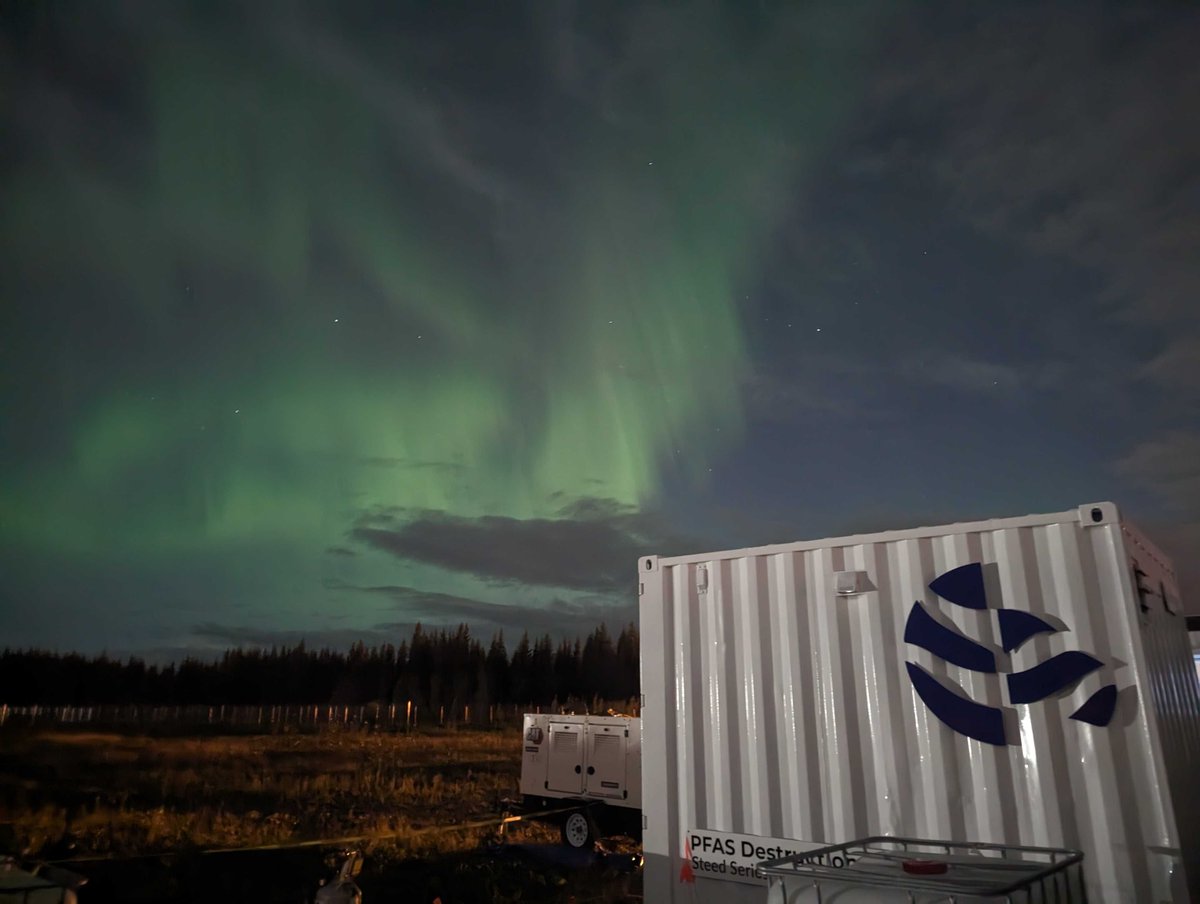
We're excited to share that the Aquagga team has been showcased in a Geekwire article highlighting our contributions towards #PFAS destruction. We look forward to continuing our mission of creating a positive societal impact! 💧🎉
https://t.co/EQRh1RrgNL
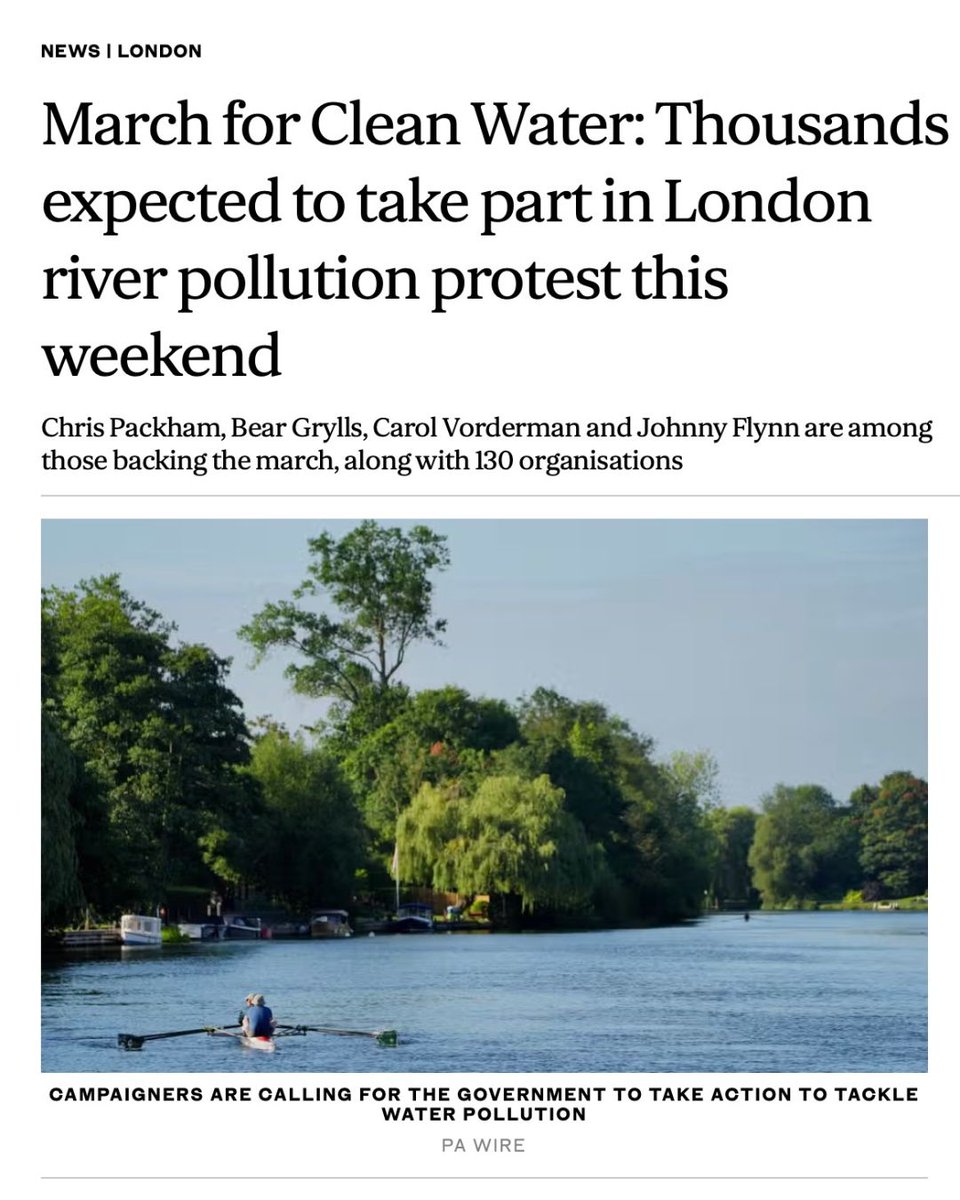
📢Calling all Londoners!
Join @ChrisGPackham@carolvorders@JohnnyFlynnHQ @RobGMacfarlane & thousands of us THIS SUNDAY as we march to parliament to tell the Govt that IT'S THEIR JOB to stop the poisoning of Britain's waters.
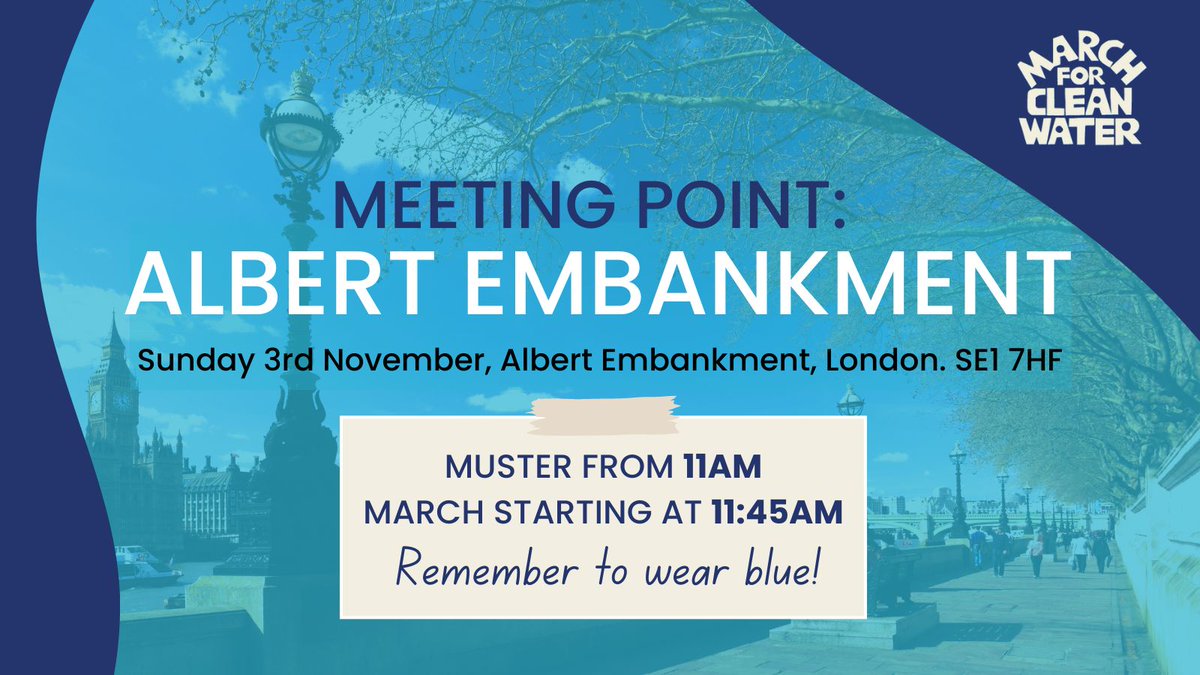
📍Albert Embankment; 11AM
👉https://t.co/nea73H9tLV
Would you swim in our waters now? 💩
After decades of neglect, our rivers, lakes and seas are on life support.
So we'll be in London on Sunday 3rd Nov to March For Clean Water!
📢 Register your interest TODAY and join us to push for change!
Well done @BrianLaney2, one of our fabulous #BSBImembers, who is going the extra mile for Field Cow-wheat!
Find out more about this declining hemi-parasitic plant, 1st recorded in UK in 1716, on its #PlantAtlas2020 page: https://t.co/9bff6FPC1x
@speciesrecovery@BSBIscience
🚨IMPORTANT INFORMATION🚨
We're excited to announce that our march route has been approved! The details are as follows:
📍Location: Albert Embankment, London, SE1 7HF
🪧Muster: From 11am*
🌊March: From 11:45am
See you there & remember to #WearBlue!
*More info coming soon
Calling all water guardians! Can you help us create a sacred mixing of the most UK waters in one container?
For the upcoming @MarchforWater, Lawyers for Nature are working with @RiverActionUK & other water activists to create a ceremony that will bring together water from as many different rivers, seas, streams, lakes & other water bodies as we can. The water we all bring will be given pride of place at the front of the march & on the main stage at the end. We think there’s a good chance we could get the most waters every brought together on these islands, but to do this we need your help.
If you’re coming to the march, please consider being a small container of water from a local water body that you care for or connect to. It would be great if you can fill out this brief form, so we know where we can expect water from & keep let you know where you can add your water to the mix on the day. Feel free to also post below about where you’ll be bringing water from as well.
https://t.co/85sVRHY83U
More criminal cover ups in the water industry — self-reporting has enabled corruption and been catastrophic for the environment.
Water firms in England ‘passed’ pollution tests that were never carried out https://t.co/lzjvW0UdJO
The negotiations at Cop16 on global biodiversity are underway in Columbia. The key objective of this conference is the practical implementation of the Kunming-Montreal Framework agreed at Cop15.
As part of @LawForNature, I’m joining a delegation of earth lawyers from organisations who are calling for an ecocentric, rather than anthropocentric, approach to this implementation. To us, it’s clear that if we truly want to make peace with nature, then Rights of Nature need to be at the heart of both discussions & implementation. In particular, we need to resist the financialisation of nature & the growing trend towards biodiversity markets & credits & instead uphold the inherent rights of nature & Mother Earth to exist.
To read more on what we’re campaigning for at Cop16, do read our position paper:
https://t.co/NI48r6gy2X
Or the more detailed report prepared by Earth Law Center & Lawyers for Nature:
https://t.co/09e5SWLmMP
I’ll also be reporting back with updates on events, discussions and negotiations as they’re happening.