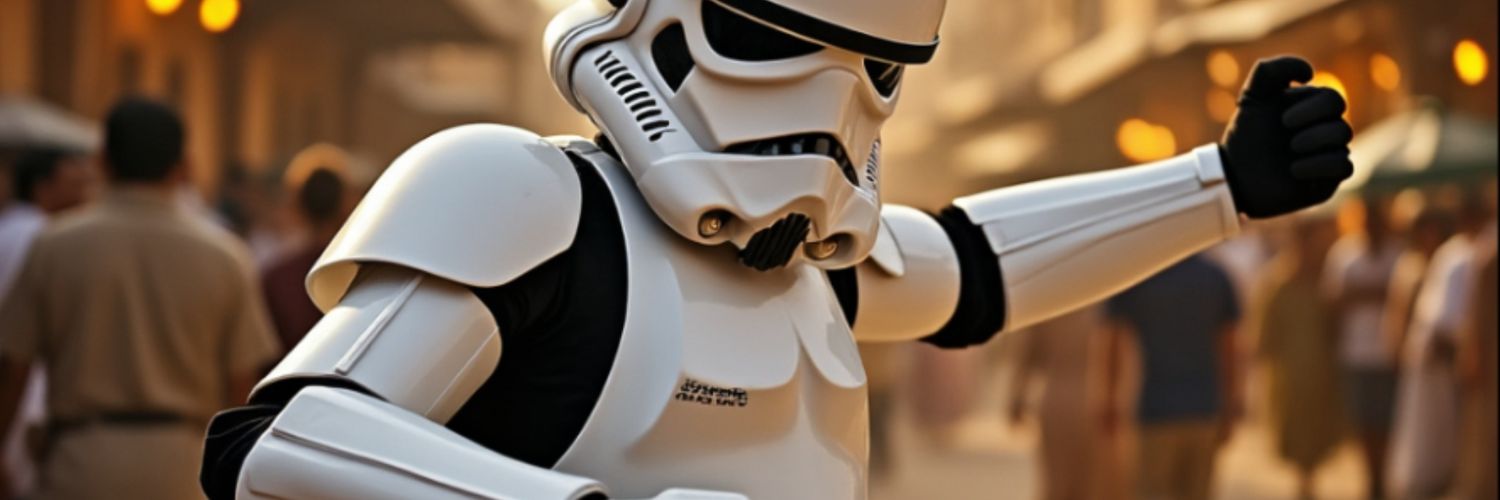
@elonmusk Is this AI... If you look at the arms swinging in there's no place for the camera to get that shot. And it seems weird that there is no camera shake what so ever. Opinions?
🚨 BREAKING: Vice President JD Vance Officially CONFIRMS that Rep. Ilhan Omar Committed Immigration Fraud:
“Ilhan Omar definitely committed immigration fraud against the United States of America”
The VP says the White House is going to “go after” Omar for these crimes.
“What are the legal remedies now that we know she’s committed immigration fraud? How do you go after her? How do you investigate her? How do you actually build the case to actually get some justice for the American people?”
Vance also calls for a probe into Omar’s knowledge of rampant Somali fraud in Minnesota:
“She has been at the center of a lot of the worst fraudsters in the Somali community.”
@CNviolations Please don't do this without a trained ISR teacher (Infant Swimming Resource).
What you're seeing is a kid after a month or two of training.
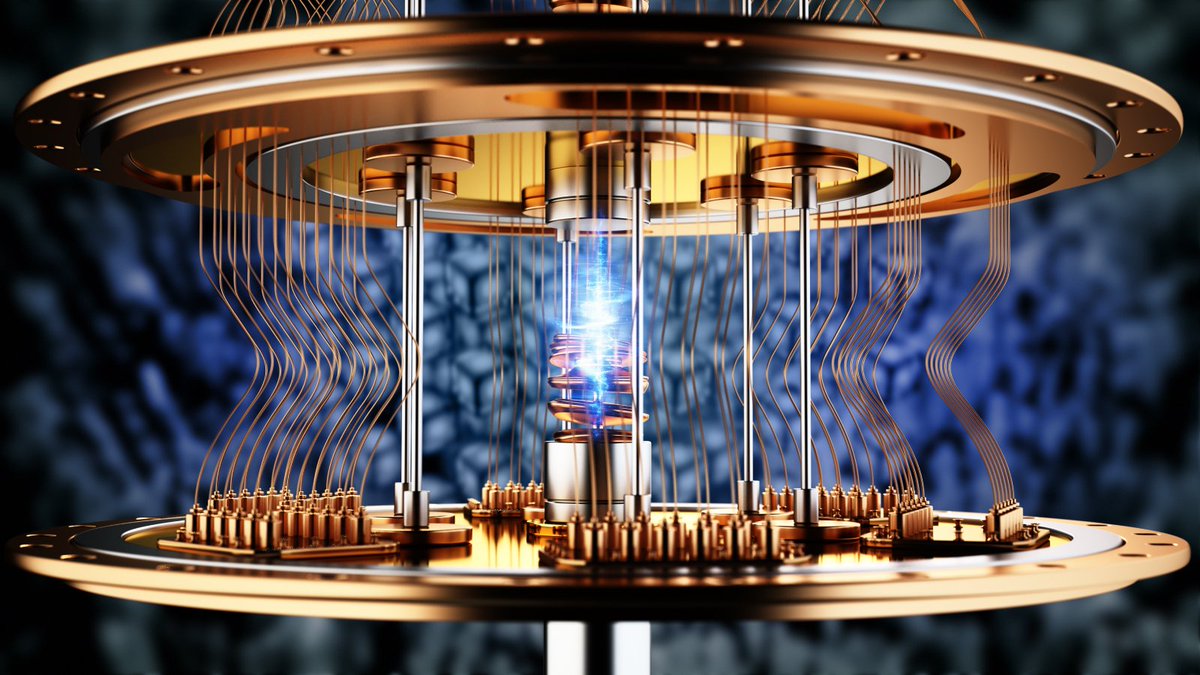
Over the last few weeks I’ve been researching quantum computing risk across blockchains, and here’s what I found.
The short answer: no blockchain today is fully quantum proof, not Bitcoin, not Ethereum, not XRP.
All of them rely on elliptic curve cryptography. In simple terms, this is a way to secure digital assets using math. Your public key is visible, but only your private key can unlock and control them.
The concern is very real. A sufficiently advanced quantum computer could theoretically break these keys.
And if that happens, the impact wouldn’t just hit crypto, it could compromise global banking, SWIFT, military encryption, and large parts of the internet.
Here’s where XRP stands apart.
Bitcoin and Ethereum are largely frozen in their cryptography.
Changing them isn’t impossible, but it would require major network upgrades, hard forks, and could risk destabilizing the system.
XRP, on the other hand, was built differently. Its ledger is governed at the protocol level, meaning its cryptography can be upgraded through validator consensus without halting the network.
When quantum computing becomes a real threat, XRP can evolve in real time, keeping the network secure and functional.
Bitcoin is rigid by design. Ethereum upgrades are slow, complex, and risky. XRP, however, was built as adaptable financial infrastructure/that can respond to tomorrow’s threats without stopping today’s transactions.
So when people ask, “Is XRP quantum proof?” the answer isn’t a simple yes or no.
The real question is, which network can adapt when quantum computers become capable of breaking modern encryption?
XRP doesn’t just survive. It was built to upgrade. That’s the distinction between static code and functional infrastructure.
Apologies for getting a bit technical, but I wanted to understand this properly so I could explain it clearly.
Hope this provides some value.
MAJOR PRIVACY WIN [Video below]
And @Moto just partnered with @GrapheneOS to build a phone you actually own, that's not a @Google product.
While:
@Samsung gutted recovery mode, bricking devices.
@Apple added ID Collection and backdoors (video soon).
Video below
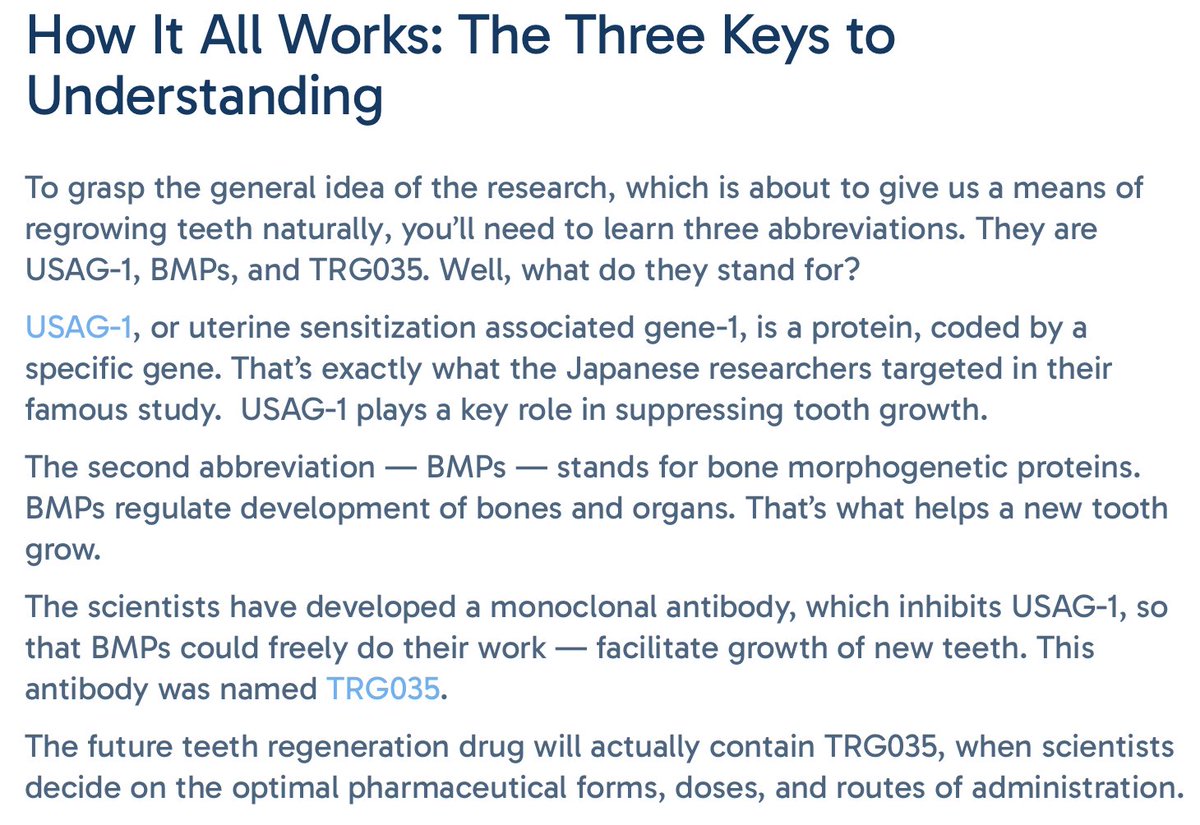
Regrowing teeth using light to inhibit BMPs might present potential.
And this important research is going on with new results.
South Korea developed a patch that regrows teeth — ending dentures forever 🦷
Scientists at Seoul National University have created a microneedle patch that stimulates dormant tooth stem cells to regenerate enamel and even grow entirely new teeth in adult humans. The patch contains a drug called tideglusib combined with growth factors that activate dental stem cells still present in the jaw.
Clinical trials showed remarkable results:
Small cavities completely healed in 4-6 weeks
Chipped teeth regrew enamel within 8 weeks
In 30% of participants, completely new tooth buds began forming
No pain, no drilling, no fillings needed
How it works: The patch is applied to the gum above the damaged tooth for 20 minutes daily. Microneedles penetrate the gum tissue painlessly, delivering the drug directly to the tooth root where stem cells reside. The drug inhibits a protein (GSK-3) that normally prevents tooth regeneration in adults.
This could revolutionize dentistry:
3.5 billion people suffer from oral diseases
Dental tourism generates $10 billion annually
Dentures and implants cost $10,000-$40,000
Regrown teeth are genetically your own—no rejection risk
South Korea plans to commercialize the patches by 2026, pricing them at around $300 per tooth—a fraction of implant costs. The same technology might work for regrowing bone in other parts of the body.
Source: Seoul National University School of Dentistry, Science Translational Medicine 2025











![DoingFedTime's tweet photo. MAJOR PRIVACY WIN [Video below]
And @Moto just partnered with @GrapheneOS to build a phone you actually own, that's not a @Google product.
While:
@Samsung gutted recovery mode, bricking devices.
@Apple added ID Collection and backdoors (video soon).
Video below https://t.co/mYnXOCL1Gl](https://pbs.twimg.com/media/HCc85NfXsAAhkVg.jpg)


