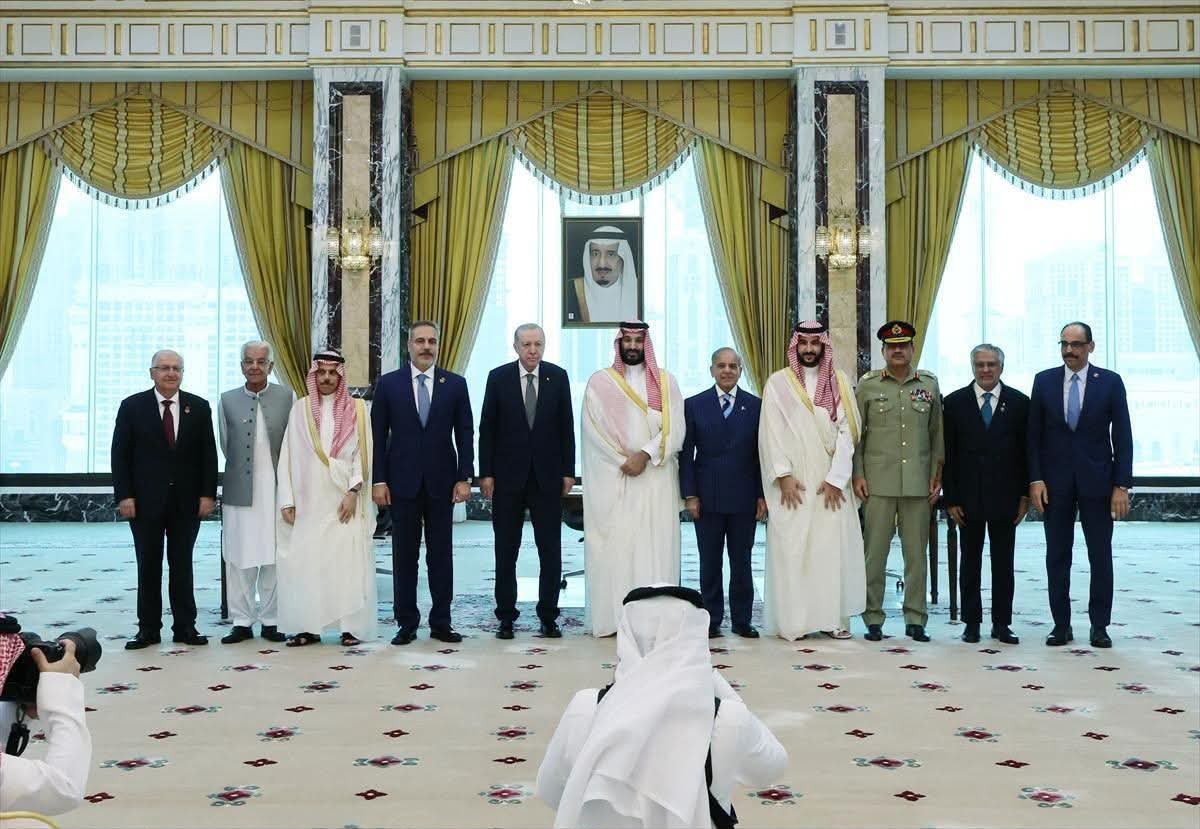
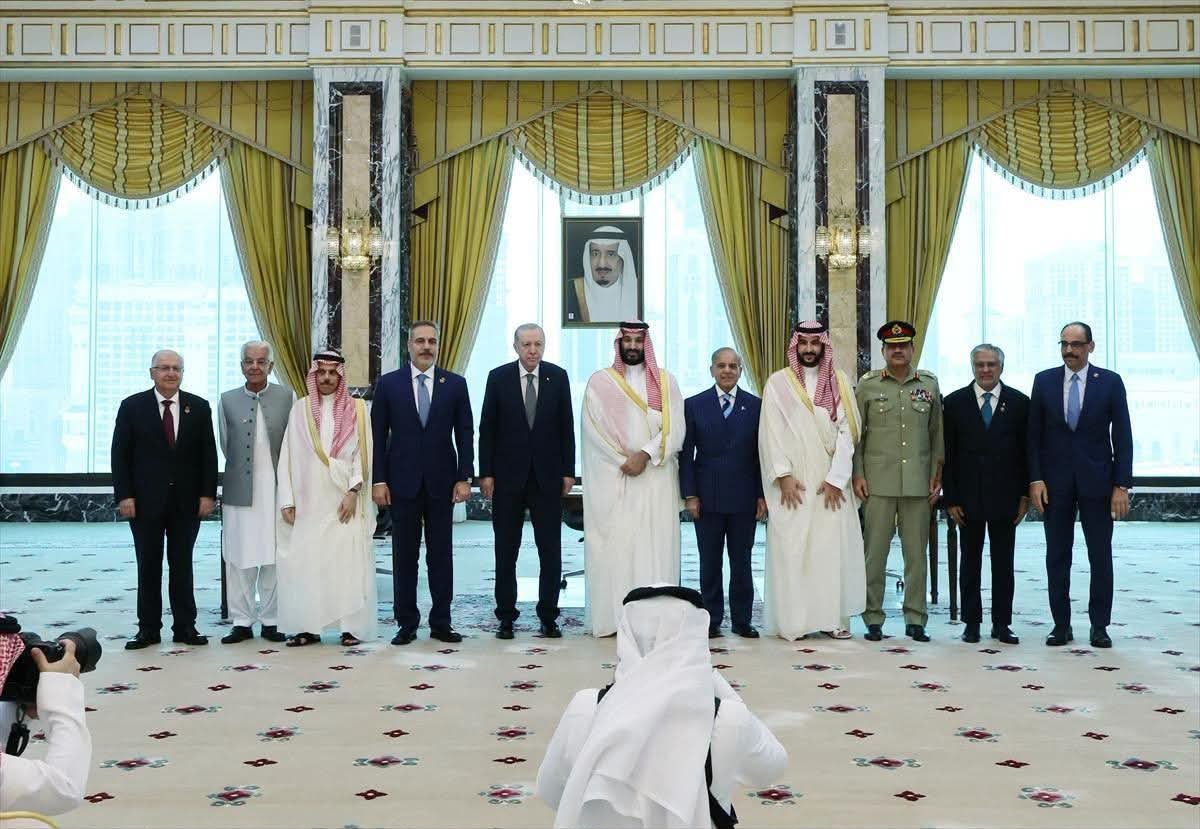
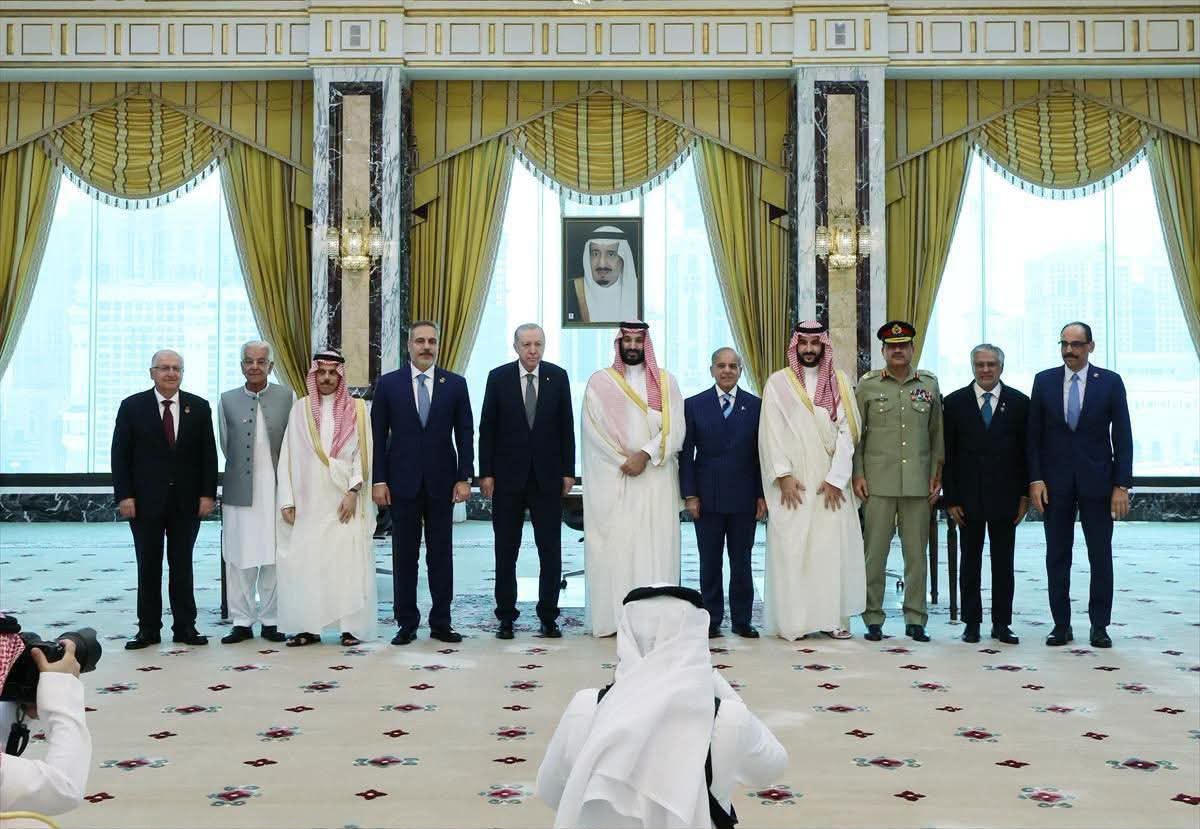
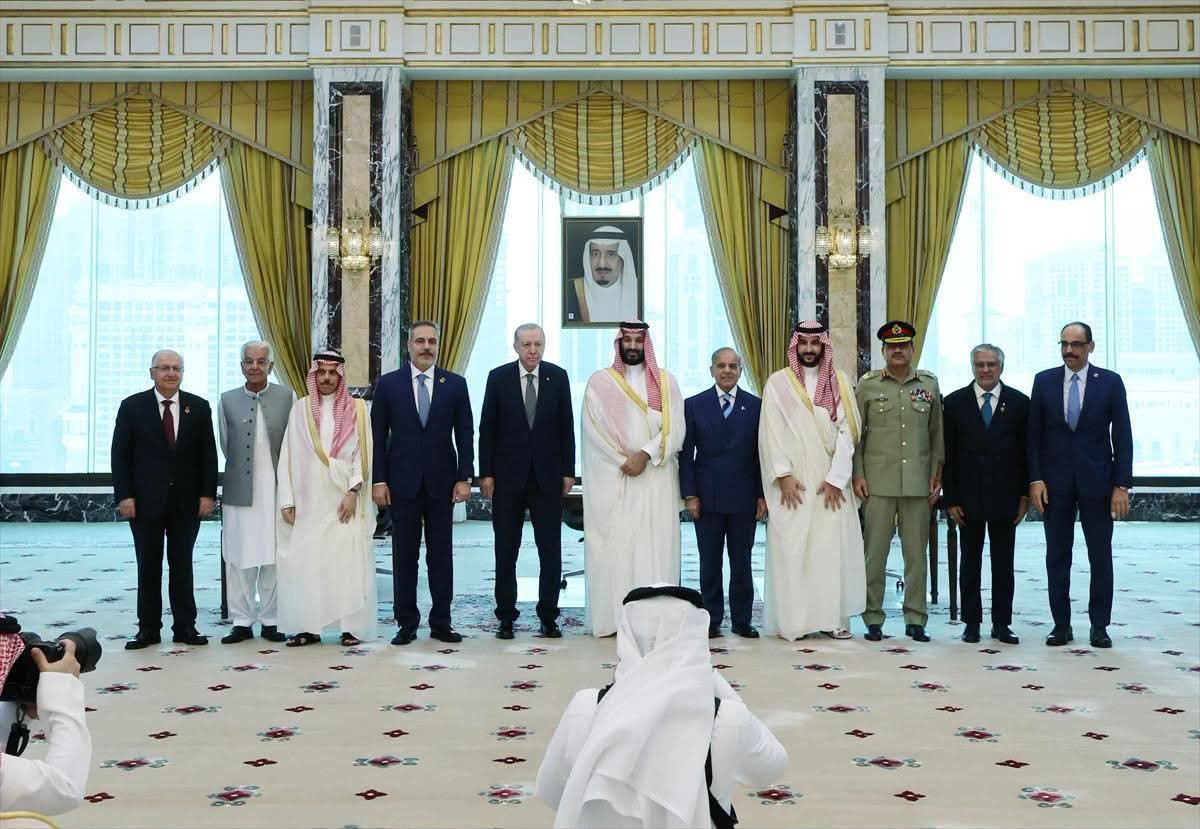
Pakistan, Türkiye, and Saudi Arabia have shifted from bilateral ties to a trilateral defence framework—signaling that the regional balance of power is entering a new phase.The real significance goes beyond military cooperation. It is the clear message of collective deterrence: an attack on one will no longer be treated in https://t.co/hx1zaflRHz this the start of a new security architecture in the Muslim world—or simply a strategic response to a rapidly shifting regional order?Either way, the geopolitics of the region have just changed.This is not merely a setback for India. It is a reminder that in international relations, alliances are measured not by how many capitals a leader visits, but by who stands with you when the strategic equation shifts.Once again, Modi has shown himself to be a complete failure—a clown who has squandered the nation’s money on endless foreign trips while performing like a puppet for the cameras.Modi’s “Shining India” has become Drowning India.
The convergence of Pakistan, Türkiye, and Saudi Arabia into a trilateral defense framework is a game-changer for regional geopolitics. Moving beyond routine bilateral ties, this alliance establishes a formidable framework of collective deterrence signaling that security threats will no longer be calculated in isolation.
While New Delhi relied on high-profile diplomatic visits and flashy public relations, this bloc built hard-power realities by combining Pakistan’s strategic capacity, Türkiye’s advanced defense tech, and Saudi Arabia’s geopolitical influence. Optics don't secure regions; real alliances do.
Pakistan, Türkiye and Saudi Arabia are deepening defence cooperation, reflecting shifting regional strategic alignments. In international relations, partnerships are ultimately tested by how countries cooperate when security challenges evolve not just by diplomatic visits. The region's security landscape is entering a new phase and every major player will have to adapt.
Pakistan, Türkiye, and Saudi Arabia moving toward a trilateral defense framework marks a major shift in regional geopolitics. Collective deterrence changes the balance of power, proving that strategic alignments outweigh high-profile diplomatic photo-ops.
Three countries. Three strategic geographies. One security equation.
Pakistan, Türkiye and Saudi Arabia just moved from bilateral deals to a real trilateral defence framework. An attack on one is no longer an isolated event.
The regional balance just shifted. And once again, Modi’s “shining India” looks more like drowning India all visits, no friends when it actually counts.
Three nations. One evolving strategic vision.
The growing defence cooperation between Pakistan, Türkiye and Saudi Arabia reflects how regional partnerships are adapting to changing security realities. Strong alliances are built on shared interests, trust and long-term cooperation, not optics alone.
Diplomacy is ultimately judged by the partnerships that endure when regional dynamics shift.
Breaking 🔥
Amritsar Police Commissioner Gurpreet Singh Bhullar tenders his resignation.
"I am tired of what Indian Government is doing to our Sikh community. I can't bear this any longer. I am offering my resignation."
Breaking 🔥
In her first ever speech after seeking asylum in India, Haseena Wajid addresses Bangladesh,
"I will come back to Bangladesh Government to defeat Islamic extremists, even if I have to climb on Indian tanks."