Doing whatever it takes to make legal awareness accessible!
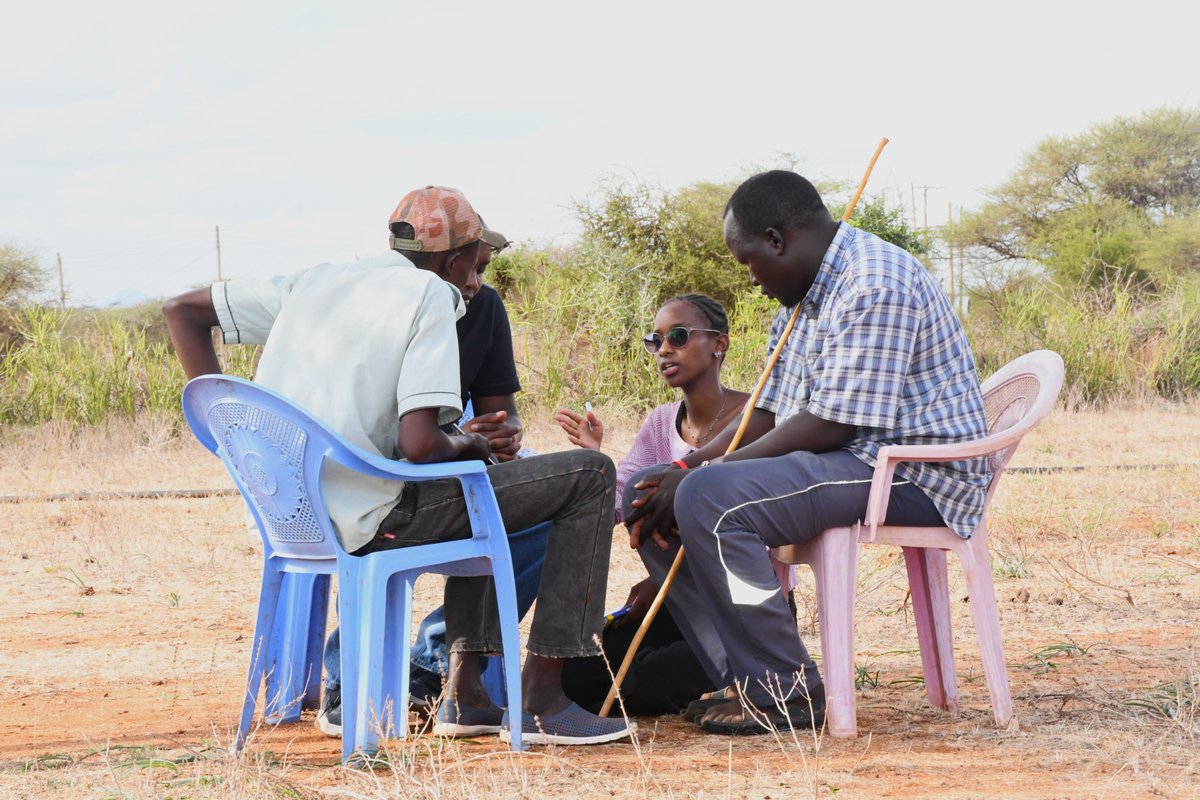
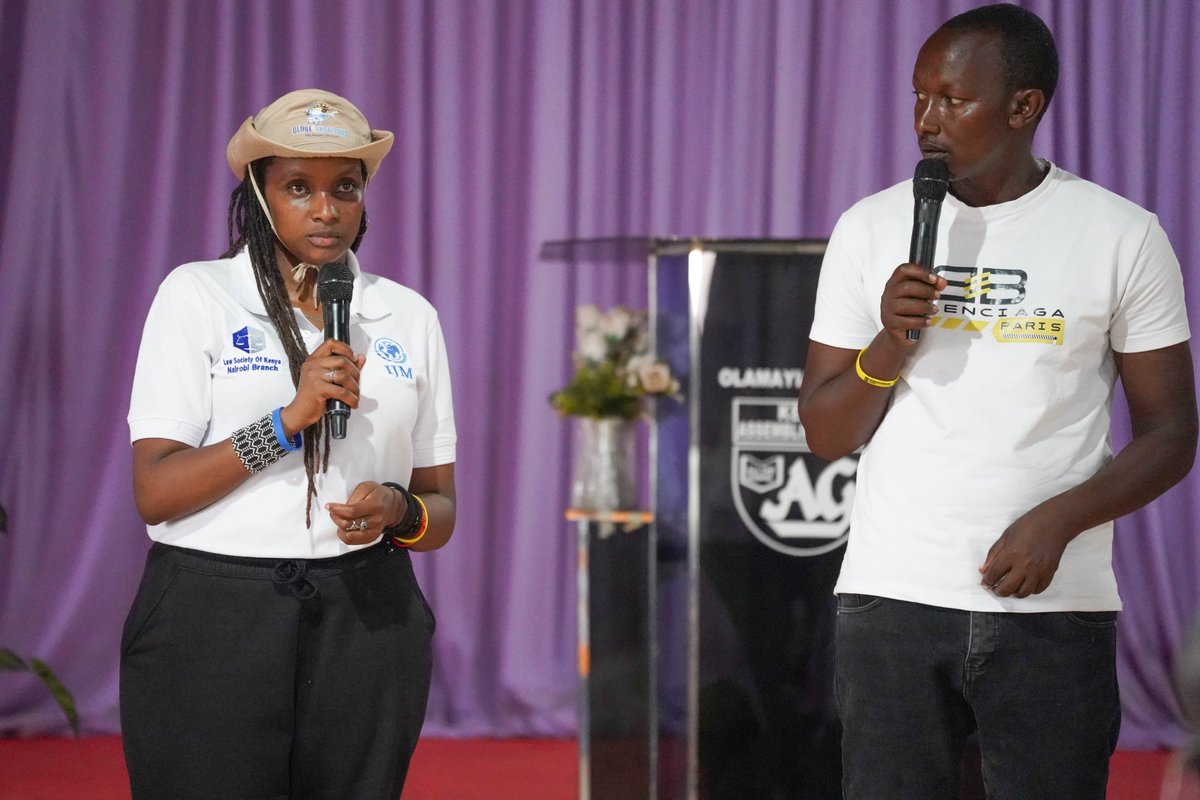
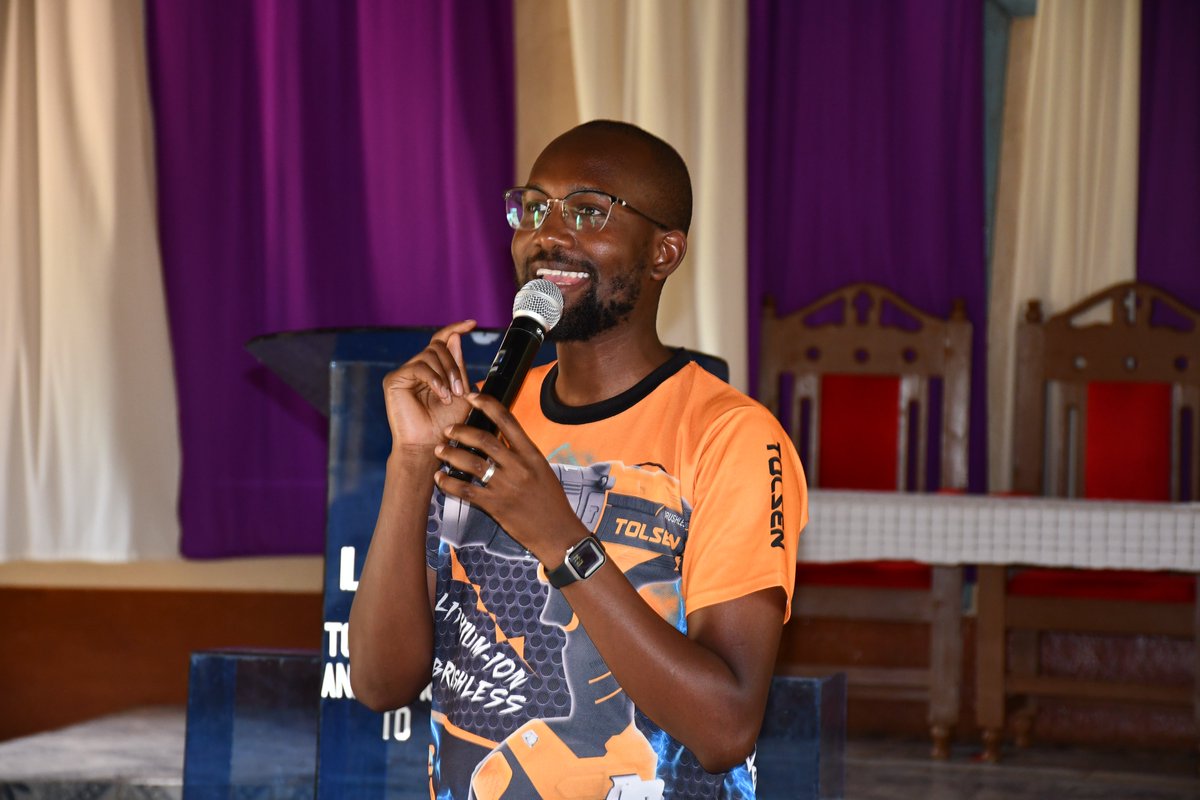
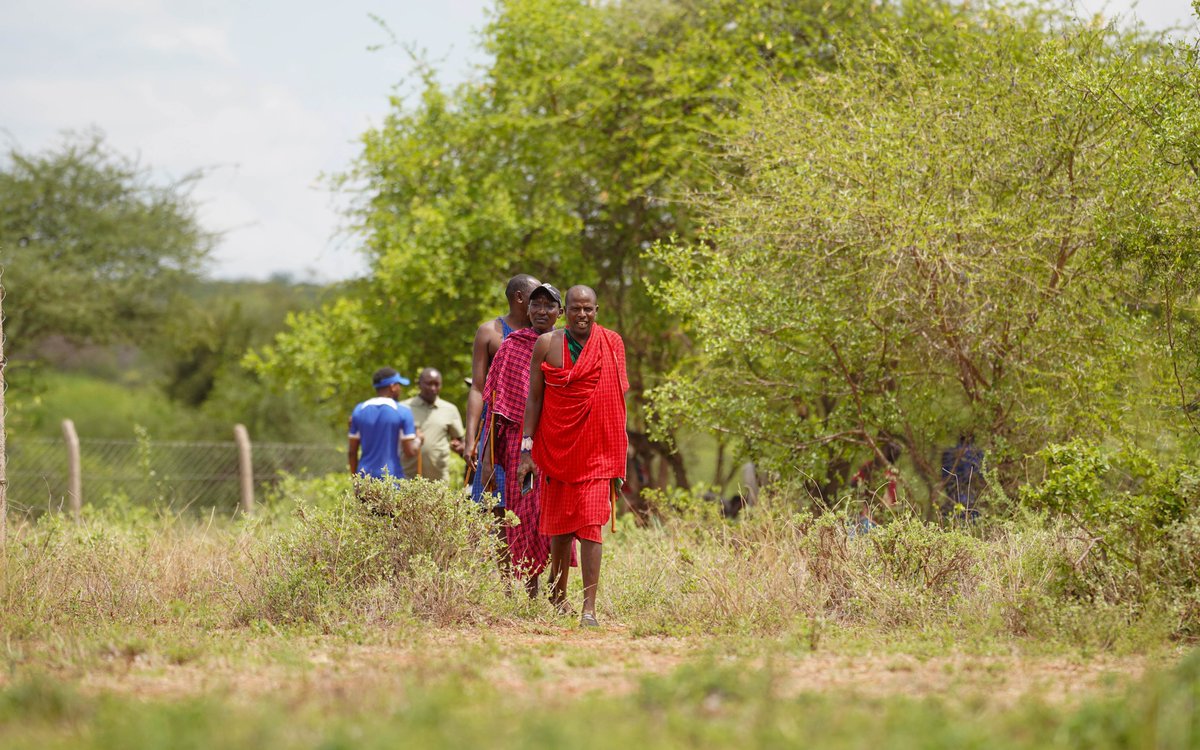
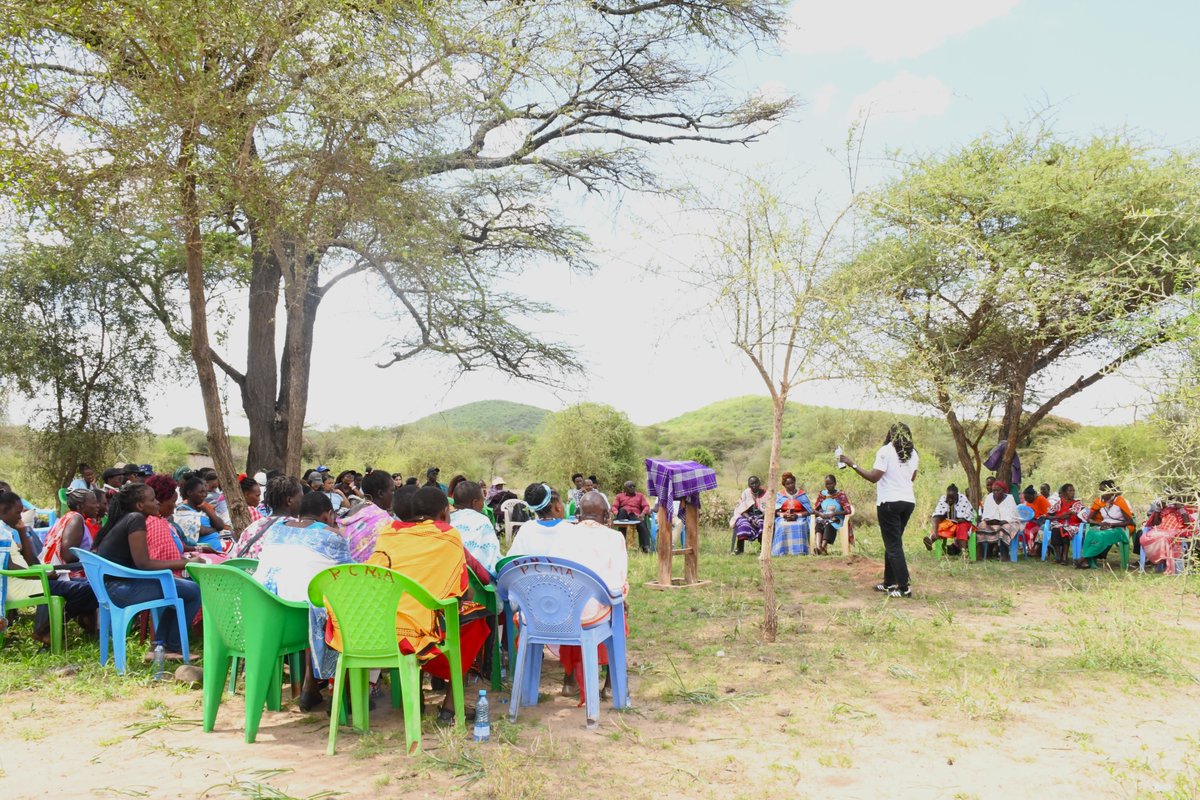
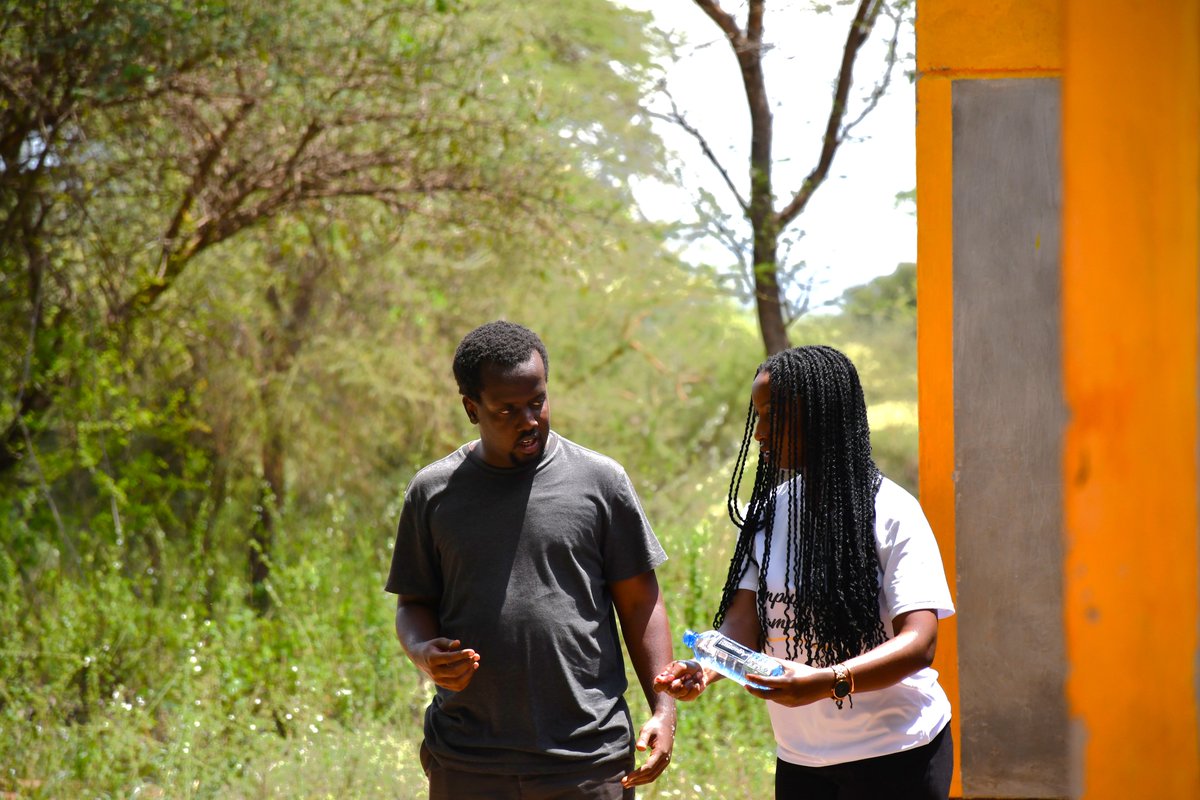
Ivy Gacheru and Alex Assenga in action during the 2026 Legal Aid Caravan in Kajiado County.
#LegalAidCaravan2026#AccessToJustice
What happens when people are given the opportunity to ask lawyers questions about issues they have lived with for years?
For many people, the law can feel distant from everyday life. Legal provisions may exist to protect their rights, institutions may be mandated to address their concerns, and avenues for seeking redress may be available. Yet, knowing where to turn, what the law says or even whether a particular experience amounts to a violation of one's rights is not always straightforward.
This is why opportunities for direct engagement between communities and legal practitioners matter.
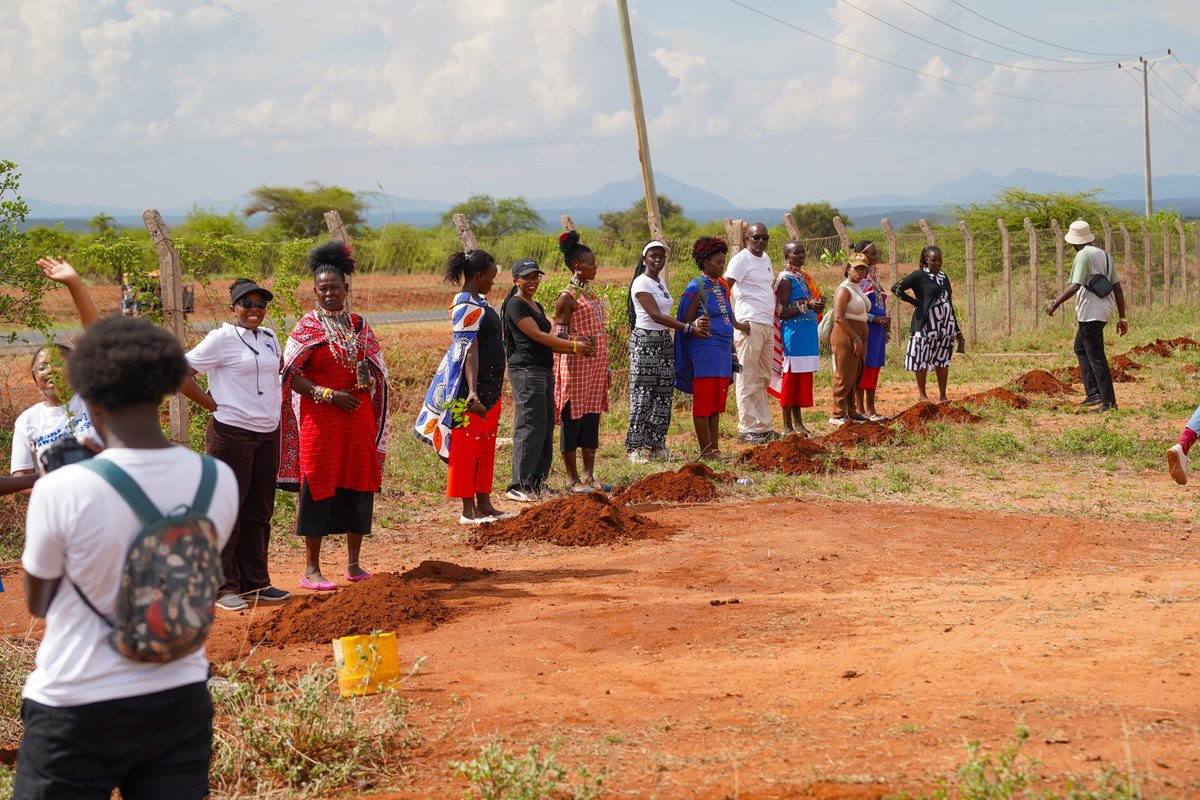
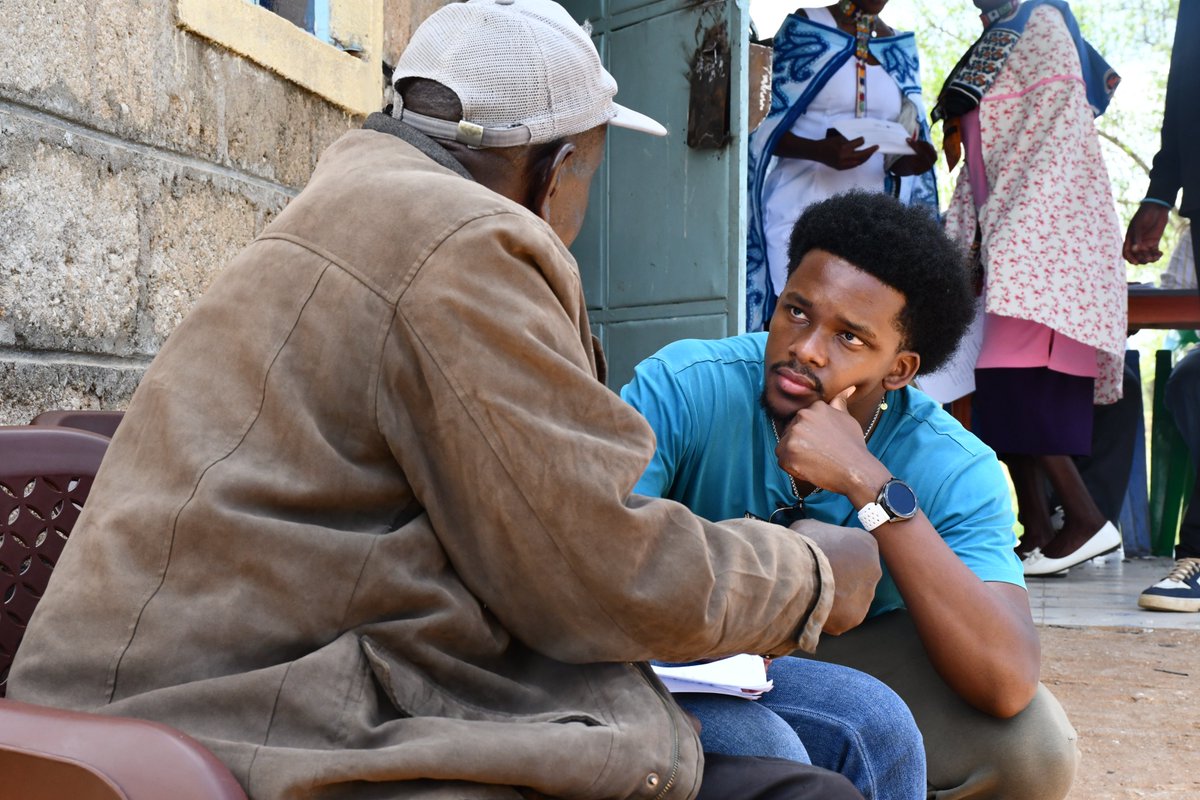
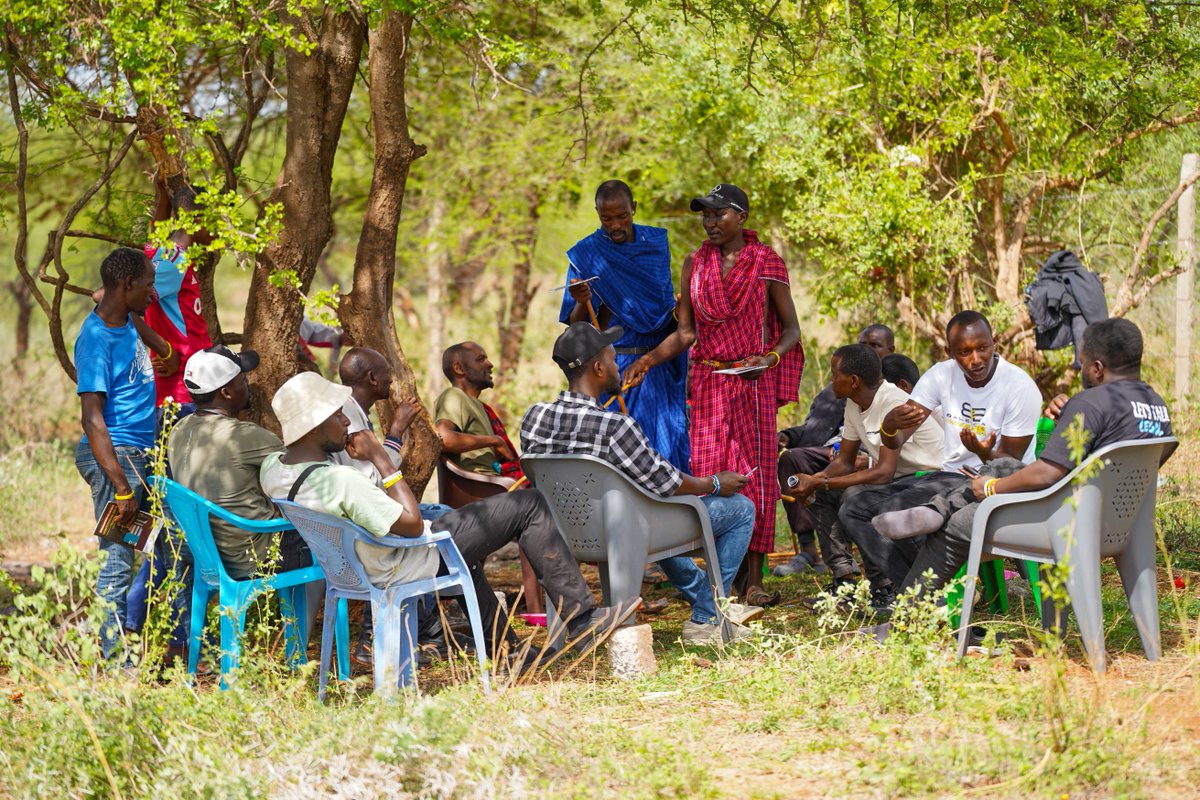
During the 2026 Legal Aid Caravan in Kajiado County, residents have had an opportunity to raise questions about issues affecting their lives, seek clarification on their rights and engage advocates on possible ways of addressing their concerns.
Sometimes, the first step towards justice is simply having the opportunity to ask.
#LegalAidCaravan2026 #AccessToJustice
"The reason that we champion for the promotion of access to justice and legal awareness is to do our part in filling the disproportionate gap between members of marginalized communities and lawyers, and legal services on the whole."
Josephine Kairo, Advocate of the High Court of Kenya and Law Clinic Faculty Coordinator.
#LegalAidCaravan2026 #AccessToJustice
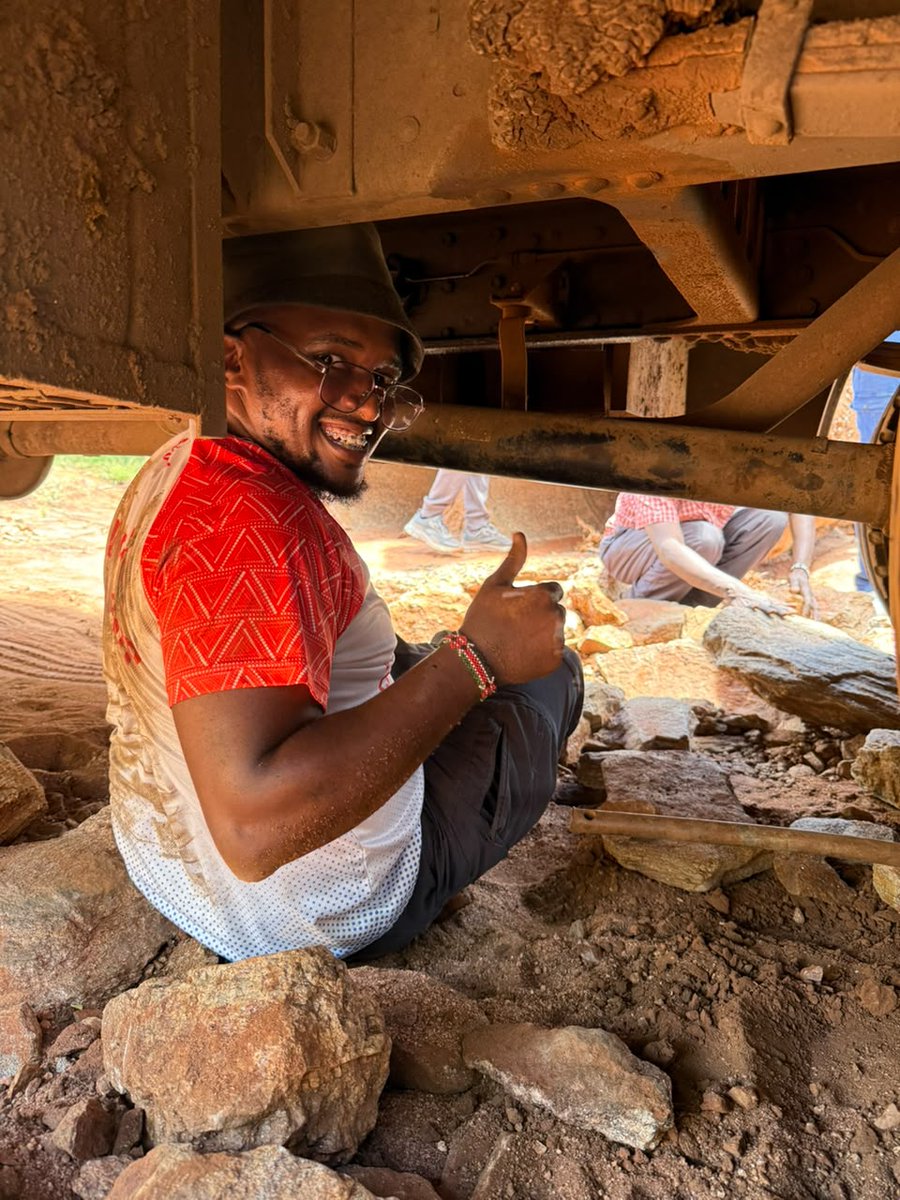
“The road to access to justice is not always a smooth one. Sometimes, you have to get your hands dirty to keep it moving.”
When our vehicle developed a mechanical problem along the way to the #LegalAidCaravan2026, Kelvin Mbatia (@Mbatia_Wachira) put aside his academic and professional titles, got into the bus and took on the task of helping fix it.
Mbatia believes access to justice is not limited to what happens in courtrooms or legal offices. It also takes the commitment of people willing to go the extra mile to ensure that communities are reached.
#LegalAidCaravan2026 #AccessToJustice
When discussing access to justice, much of the conversation tends to centre on legal institutions, legislation, court processes and the availability of legal services.
But how often do we listen to the communities these systems are meant to serve?
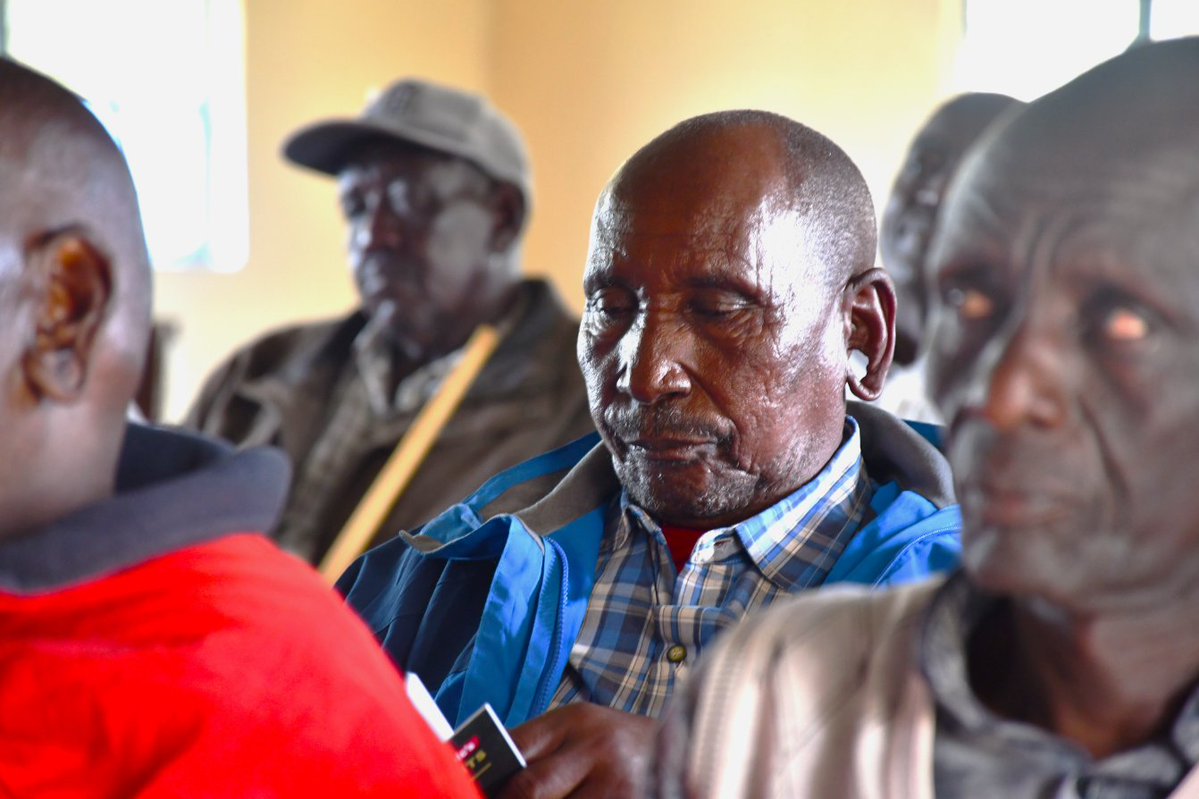
For legal aid to be significant, it must go beyond explaining what the law says. It must also involve understanding what people are experiencing, listening to their concerns and helping them identify avenues through which those concerns can be addressed.
Sometimes, the first step towards making justice accessible is giving people the opportunity to be heard.
#LegalAidCaravan2026 #AccessToJustice
"This year, we are reaching communities across 9 locations, with over 50 students and approximately 15 supervising advocates, providing constitutional literacy and personalised legal aid to communities"
#LegalAidCaravan2026#AccessToJustice
When human-wildlife conflict becomes a question of access to justice.
For communities living alongside wildlife, the cost of conservation can sometimes be felt in lost livelihoods, damaged property and the difficulty of obtaining redress when conflict occurs.
This is among the concerns raised by residents during the 2026 Legal Aid Caravan in Kajiado County.
Community members are reporting recurring attacks by wild animals on their livestock. They also expressed frustration over what they described as unanswered written complaints to the relevant authorities and the absence of compensation for their losses. Residents also spoke about encounters with venomous snakes, saying that their attempts to report these incidents have sometimes been met with uncertainty over which authority is responsible. Accounts that reflect a broader challenge in Kenya's wildlife conservation landscape.
According to the Kenya Wildlife Service's 2024/2025 human-wildlife conflict statistics, the country recorded 9,929 incidents, including 2,772 cases of livestock predation, 5,596 incidents of crop destruction, 341 human injuries and 131 deaths.
Kenya's Wildlife Conservation and Management Act provides a framework for addressing some of these losses. Section 25 provides for claims arising from damage to livestock, crops and other property caused by specified wildlife, subject to the applicable legal requirements. County Wildlife Conservation and Compensation Committees also play a role in reviewing claims and facilitating the compensation process.
However, the existence of a legal framework does not necessarily mean that affected communities understand how to navigate it or can easily access the institutions responsible for addressing their grievances. This is where legal awareness becomes particularly important.
Through the Legal Aid Caravan, advocates are helping residents understand the available legal avenues, document their grievances, identify the relevant authorities and explore mechanisms such as petitions to Parliament and the relevant wildlife institutions.
Communities living alongside wildlife should be able to participate in conservation while having access to effective mechanisms for protecting their livelihoods and seeking redress when losses occur.
#LegalAidCaravan2026 #AccessToJustice
One of the main issues emerging during the 2026 Legal Aid Caravan in Kajiado County is human-wildlife conflict and its impact on community livelihoods.
During engagements with advocates, residents raised concerns about recurring attacks by wildlife on their domestic animals, with losses estimated at approximately 300 goats.
They noted that despite submitting written complaints to the relevant authorities, they have yet to receive meaningful responses or compensation for their losses.
Residents also highlighted concerns about venomous snakes in the area, saying that attempts to report these incidents have often been met with uncertainty over which authorities are responsible.
These concerns raise important legal questions about the obligations of wildlife authorities, the compensation available to affected households and the mechanisms through which communities can seek redress.
Through the Legal Aid Caravan, the Strathmore Law Clinic is helping residents understand the available legal and institutional avenues, including how to document their grievances, prepare petitions and engage the relevant authorities.
#LegalAidCaravan2026 #AccessToJustice
The law exists to protect our rights, provide remedies when those rights are violated and establish the principles that guide how we live together as a society. But how much of this do the people these laws are meant to protect actually know?
For many communities, particularly those in marginalised and underserved areas, access to legal information remains limited. People may not know what the law says about their circumstances, what rights they are entitled to or where to turn when those rights are violated.
This is one of the gaps the Strathmore Law Clinic seeks to address through its annual Legal Aid Caravan. Through direct engagement with residents, advocates seek to make legal information more accessible, respond to community concerns and help people better understand the protections available to them under the law.
Because access to justice is not just about having laws and institutions in place. It is also about ensuring that people know their rights and can meaningfully exercise them.
#LegalAidCaravan2026 #AccessToJustie
Meet soinei parseina(@adv_soinei), one of the advocates accompanying the #StrathmoreLawClinic on the 2026 Legal Aid Caravan in Kajiado County.
Coming from Kajiado County and being part of the Maasai community, Soinei says she understands some of the challenges that affect access to legal information in the region. Information does not always reach communities, and even when it does, language barriers can make it difficult for people to understand their rights and the issues affecting them.
She therefore sees her participation in the caravan as both a professional commitment and a personal responsibility.
"I believe the Maasai community contributes significantly to Kenya's national economic development, yet many people still lack the information and platforms they need to understand and advocate for their concerns. My decision to study law was driven by a passion for the profession and a desire to help bridge this gap." soinei parseina
As one of the few Advocates from the Maasai community, Soinei hopes to use her training and experience to empower the people and communities she calls home.
#LegalAidCaravan2026 #AccessToJustice
“For me, the most important thing is for people to understand that they are entitled to human rights simply by virtue of being human beings. These rights are inherent in them.”
— Patrick Nzomo, Faculty Director, Strathmore Law Clinic, speaking as the 2026 Legal Aid Caravan gets underway in Kajiado County, with a focus on promoting access to justice.
#LegalAidCaravan2026 #AccessToJustice
And the journey to the Legal Aid Caravan 2026 by the #StrathmoreLawClinic has officially begun!
This year's caravan marks the fourth edition of the initiative and will take place in Kajiado County, following previous editions in Samburu, Laikipia and Narok counties.
The Legal Aid Caravan seeks to increase legal awareness and access to justice among marginalised communities by bringing legal information and services closer to the people who need them.
This year's edition is being undertaken in collaboration with Konrad-Adenauer-Stiftung's Rule of Law Programme for Sub-Saharan Africa (@KAS_Kenya) , Notre Dame Law School(@NDLaw), Global Justice Kenya and Kenyewa Poka Youth Organization.
We look forward to extending legal awareness and access to justice to more communities in Kajiado County.
What do you do with that old phone sitting in your drawer? The charger that no longer fits any of your gadgets? Or the laptop you stopped using years ago but never quite got around to disposing of?
These are all forms of electronic waste (e-waste), and how we dispose of them matters.
Firm 5, Jurists, took on the issue through a publishable booklet and accompanying flyers titled Clear the Drawer. Designed as an e-waste awareness and action guide for Kenyan university campuses, the publication draws on national data from 2025/26 to explain Kenya's growing e-waste challenge, what happens to discarded electronic devices and the environmental and health concerns associated with improper disposal.
The guide also brings the conversation closer to university students, with a focus on what campuses can do differently. Its message is simple: those old gadgets gathering dust in our drawers are not necessarily harmless clutter. They are part of a growing waste challenge that requires more responsible collection, handling and disposal.
Developed as part of the International Environmental Law and Policy semester project, taught by Mbatia Wachira and graduate assistant Ayaga Max Liambilah, the campaign responds to the challenge of turning environmental research and legal knowledge into practical public awareness.
Sometimes, addressing a national environmental challenge starts with something as ordinary as clearing out your drawer.
Access the Booklet and Flyers here: https://t.co/yKoUJgIrUt
Firm Members;
Thandi Kiarie | Kelsey Okoth | Aaron Ndiriri | Mercy Chege | Joseph Mwangi | Kimberly Muhu | Ahmedin Ibrahim | Daniel Chemorei |Joy Mayer Shalom |
George Kithi
What if we approached environmental responsibility the same way people approach addiction recovery? By admitting our mistakes, sharing our experiences and learning how to do better?
That is the idea behind Dumpers Anonymous: Beba Taka Yako, a creative public awareness campaign by Firm 1, Jurists.
Taking inspiration from the familiar format of support-group meetings, the campaign creates a space where people openly confess their environmental misdemeanours. But the conversations do not end with the confessions.
The campaign goes further by introducing participants to Kenya's environmental laws and regulations, helping them understand what the law says about littering and improper waste disposal, what responsible waste management looks like, and how they can respond when they witness environmental offences.
Developed as part of the International Environmental Law and Policy semester project, taught by Mbatia Wachira and graduate assistant Ayaga Max Liambilah, the campaign responds to the challenge of making environmental law accessible and relevant to ordinary Kenyans.
What makes Dumpers Anonymous stand out is how it uses humour and an unconventional format to tackle a familiar problem. Instead of simply telling people not to litter, it invites them to reflect on their own behaviour, understand the consequences and take responsibility for changing it.
Watch the Full Video Below;
Firm Members;
Susan Kamau | Natalie Cherogony | Ashley Waithera Munene | Ebube Isiuwe | Philip Thomas Mboyah | Gamaliel Maina | Maxine Ikhabi | Lauryn Maina | Samuel Karanja
Kenya knows what heavy rainfall can do. Rivers burst their banks, roads become impassable, homes are destroyed, livelihoods are disrupted and, in the worst cases, lives are lost.
But what happens when an El Niño event coincides with an already changing climate?
Firm 9, Jurists, takes on this question through a video exploring climate change, El Niño and the risks of extreme rainfall in Kenya.
The video looks back at the devastating 1997–1998 El Niño episode, drawing attention to the widespread flooding and disruption experienced across the country. It also connects these historical experiences to the more recent severe floods in Kenya, asking an important question: if we have witnessed the destruction that extreme rainfall can cause, how prepared are we for future climate-related risks?
The campaign also takes time to explain what El Niño is, how it influences rainfall patterns and how climate change can compound the risks associated with extreme weather events. It highlights the consequences of overflowing rivers, including displacement, destruction of property, disruption of transport and the loss of human lives.
Developed as part of the International Environmental Law and Policy semester project, taught by Mbatia Wachira and graduate assistant Ayaga Max Liambilah, the video responds to the challenge of making climate science and environmental policy accessible to the public.
Watch Full Video:
Firm Members;
Monica Agwara | Charlotte Mwathi | Faith Gakii | Wendy Mwangi | Ivy Gacheru | Mercy Wamaitha | Cecilia Njuguna | Siduna Meleta | Michelle Ng'ang'a | Orpah Mwambonu | Ruweida Hassan
Where does our waste really go after we throw it away?
Firm 3, Judges, sought to answer this question through a mini-documentary titled Following Our Trash, tracing the journey of household waste from Nairobi homes to the Dandora dumpsite.
The documentary takes viewers through different stages of the waste management chain, bringing together perspectives from households, waste collectors, waste pickers and members of the Dandora community. It also features interviews with key government officials, including the Principal Secretary for Environment and Climate Change, Dr Eng. Festus Ng’eno, and the Director General of the National Environment Management Authority (NEMA), Dr. Mamo B. Mamo.
The project was developed as part of the International Environmental Law and Policy semester assignment, taught by Mbatia Wachira and graduate assistant Ayaga Max Liambilah. Students were challenged to examine one of the three planetary crises through a Kenyan lens and translate their legal and policy research into creative public awareness campaigns.
By bringing together voices from communities, waste handlers and government institutions, the documentary connects everyday disposal habits to the wider systems that determine how waste is collected, handled and managed.
Firm Members;
Gloria Kirui | Jessica Nabaru | Sonnia Nelima | Ivy Nyarumba | Tai Maritim | Calvin Katam | Louis Muia | Tratton Onyango | Maria Bitange
What does plastic pollution look like in our everyday lives? Sometimes, it is not a landfill or a polluted river. It is a boda boda stage, a roadside bench or the plastic bottle someone casually tosses to the ground without a second thought.
Firm 3, Jurists, explored this through a comic book titled The Bench.
The Bench draws attention to how pollution becomes normalised through small, repeated actions and how public spaces bear the consequences of our everyday choices.
As part of the International Environmental Law and Policy project taught by Mbatia Wachira and supported by graduate assistant Ayaga Max Liambilah,
students were challenged to turn their understanding of Kenya's environmental challenges into creative public awareness campaigns. The task was to move beyond academic reports and communicate environmental issues in formats that ordinary Kenyans could engage with.
The firm brings the conversation about plastic pollution closer to home.
The Book: https://t.co/2vNfKtLJS6
Firm Members;
Everlyne Githegi | Racheal Osieko | Russell Israel | Virginia Maryl | Jonathan Lomole | Nicholas Wanjohi
What happens to a community when the ecosystem it depends on begins to deteriorate?
Along the shores of Lake Victoria, Dunga Bay in Kisumu is an important ecological and economic space. Its waters support fish populations, provide livelihoods for fishing communities and sustain a rich diversity of life. But like many aquatic ecosystems, it faces growing environmental pressures.
Firm 4, Judges, explores this subject through a comic book titled Pollution at Namlolwe, developed as part of the International Environmental Law and Policy semester project, taught by Mbatia Wachira and supported by graduate assistant Ayaga Max Liambilah.
Set in Dunga Bay, the comic explores the relationship between pollution and biodiversity, drawing attention to how environmental degradation affects aquatic ecosystems and the communities that depend on them.
Through illustration and storytelling, Pollution at Namlolwe brings the conversation to the shores of Lake Victoria, reminding readers that biodiversity loss is not just about the disappearance of species. It is also about the disruption of ecosystems, the livelihoods they sustain and the communities whose lives are connected to them.
Read the full Comic Book: https://t.co/TOwxExKs0D
Firm Members;
Nigel Akilimali | Clare Kaira | Alicia Asimba | Rasmeet Gurbux | Maria Hawi | Carmen Murage | Nicole Nyanjua | Eve Mwololo