🚀 Exciting news! Our latest research has been published in @acsnano
Cutting-edge nanopillar optomechanical cavities advance force sensing & biosensing. This brings us closer to measuring the tension of cancerous tissues during drug treatments
👉 https://t.co/wHI3X1hSlG
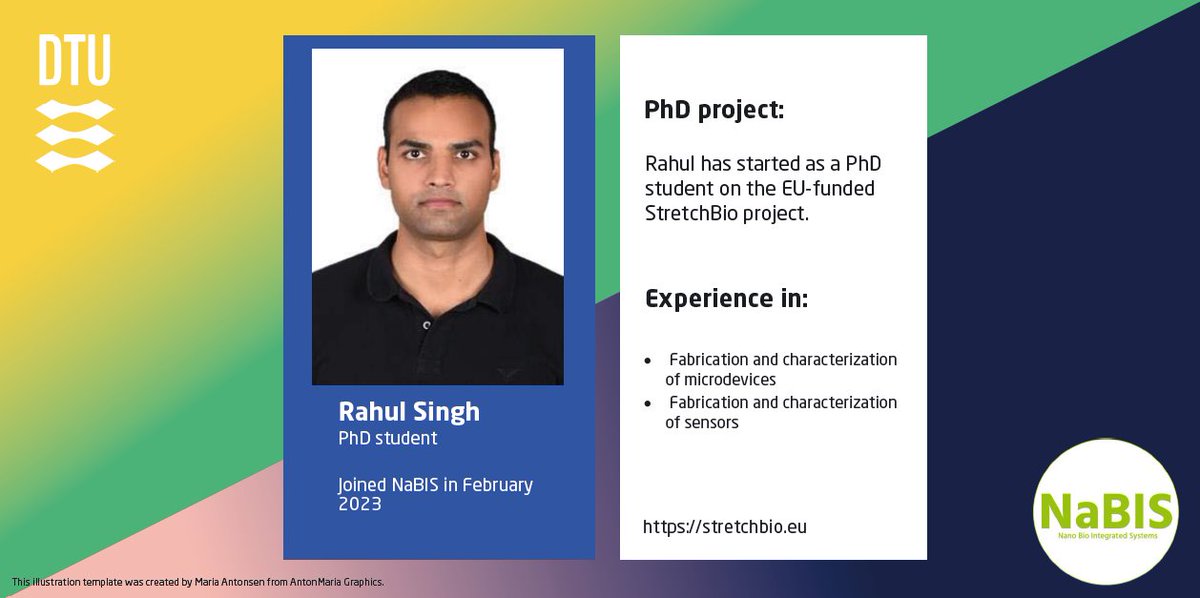
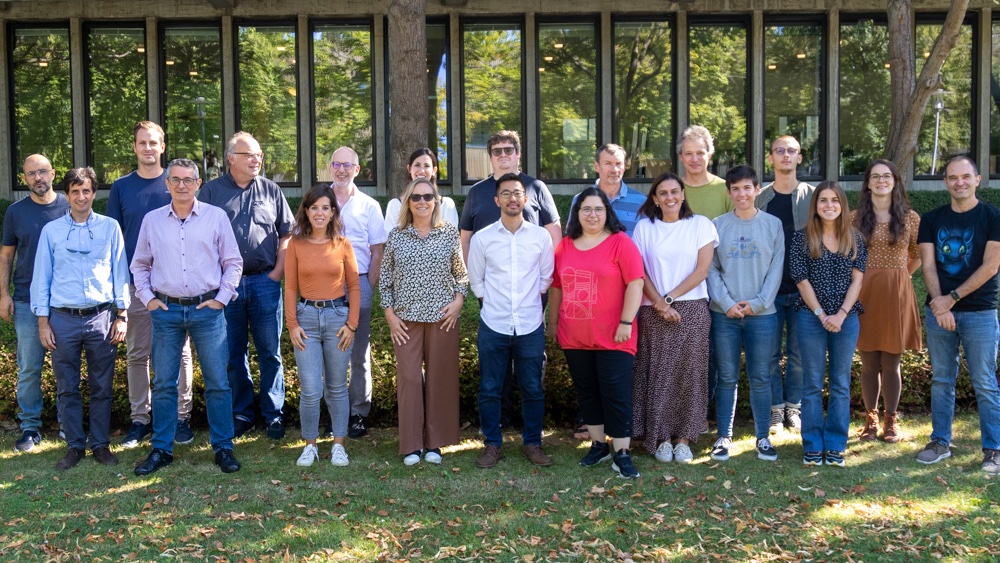
We would like to welcome Rahul Singh! He has just started his PhD project as a part of the EU-funded StretchBio project. The aim of the project is to develop a silicon nanopillars based photonic device to measure the forces applied by tissues #dtubioengineer#dtutweet#stretchbio
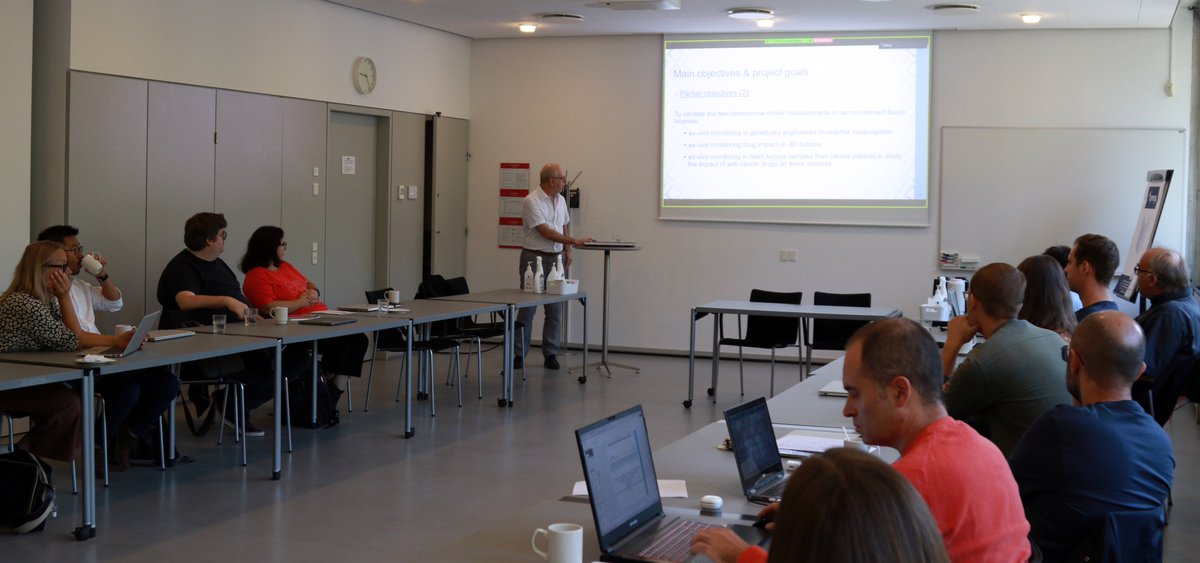
The main goal of this meeting was to discuss about the design and operation of the functional prototype of the sensor that will be completed over the next 3 months
Here you can find the work that has been done in the project so far
👉 https://t.co/LEHSQE8F7z
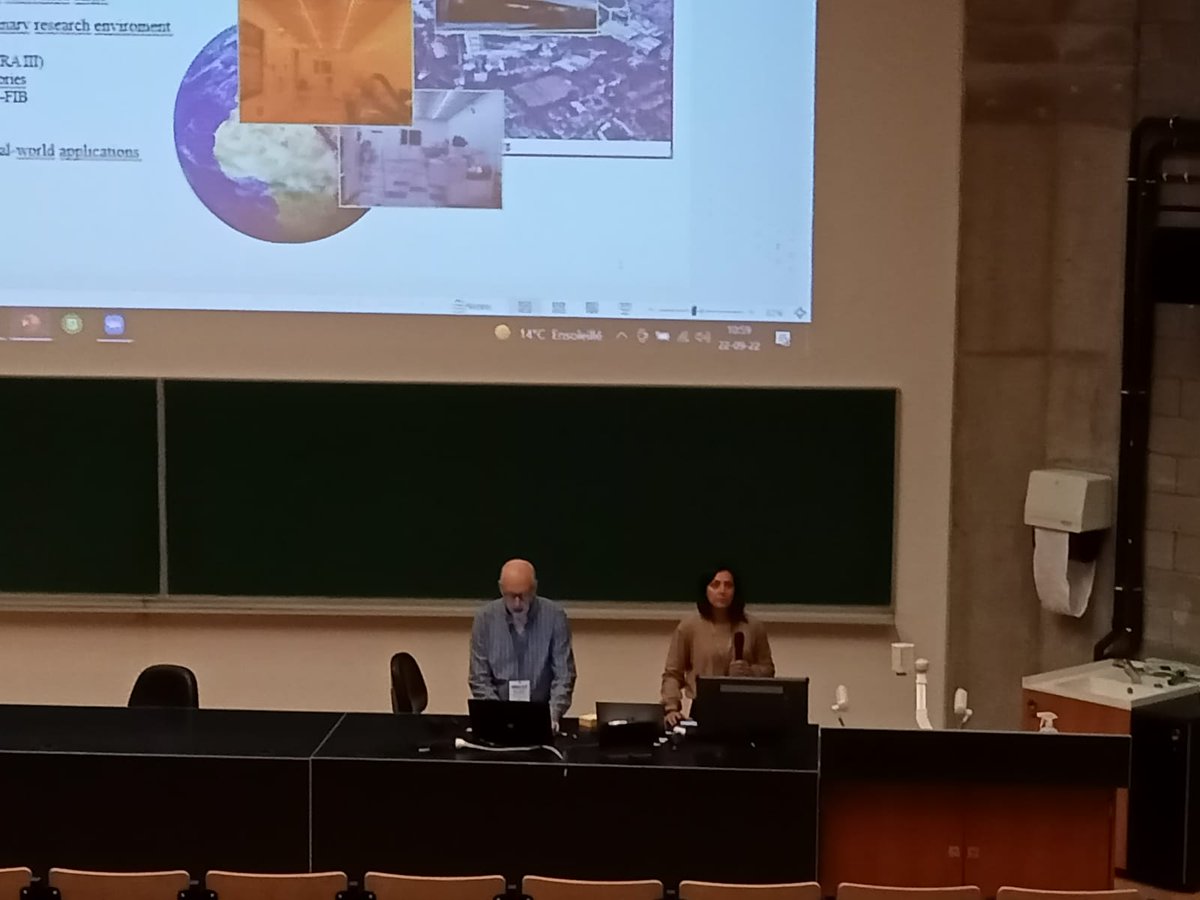
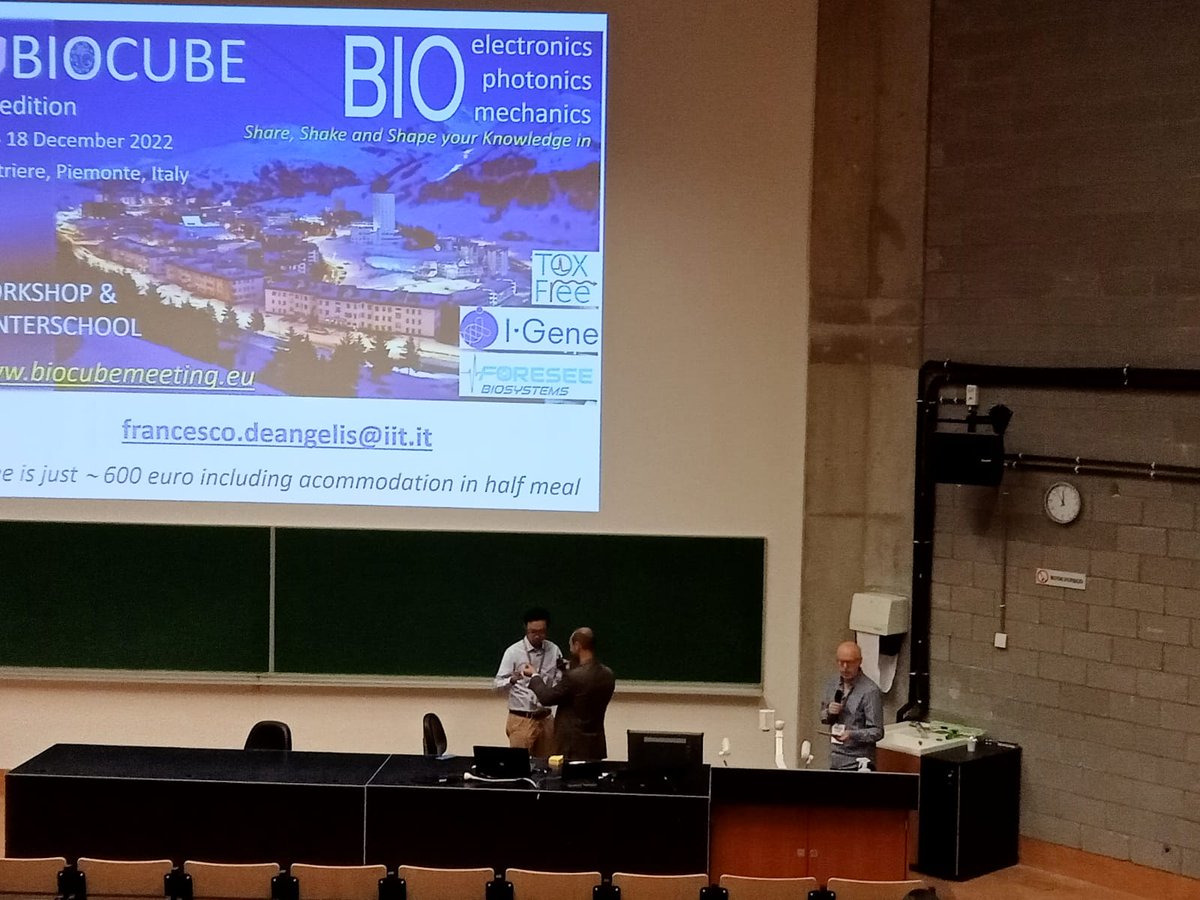
Prof. Albert Romano-Rodriguez, principal investigator of the @StretchBio project, co-chaired this morning's Oral Track 4 – Sessions G: Membranes and nanopores at the @MNE_eurosensors conference with Dr. Francesca Constantini from @CREA_Ricerca
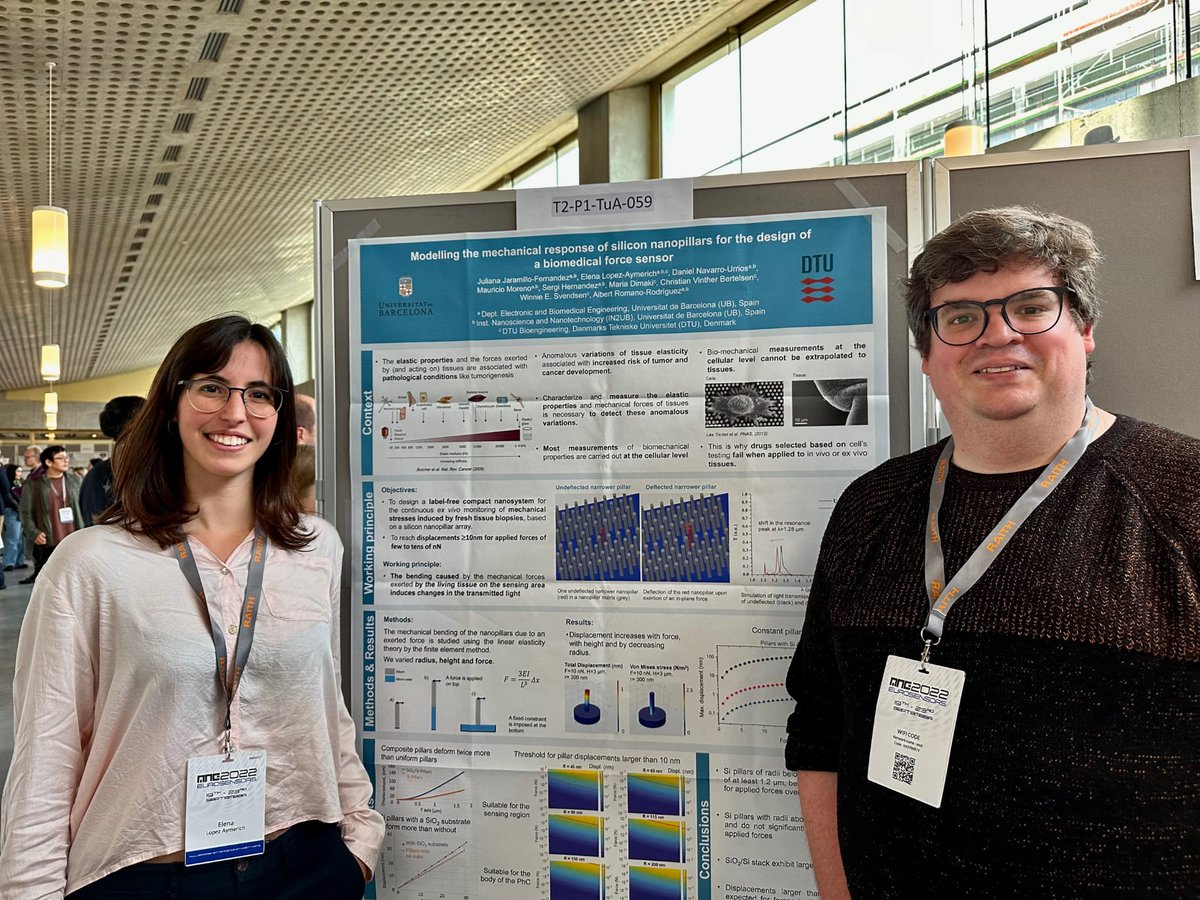
During the poster session we had the presence of two posters with the first results of the project presented by Elena, Erkan and Christian from @DtuNabis@In2Ub
Congratulations to all for the presentations!!
Next week, Prof. Winnie E. Svendsen, Prof. Albert Romano-Rodriguez, Christian Vinther Bertelsen, Buddhadev Purohit, Erkan Karatas, and Elena Lopez Aymerich will participate in MNE Eurosensors 2022. During the conference, they will present their posters as well as give talks.
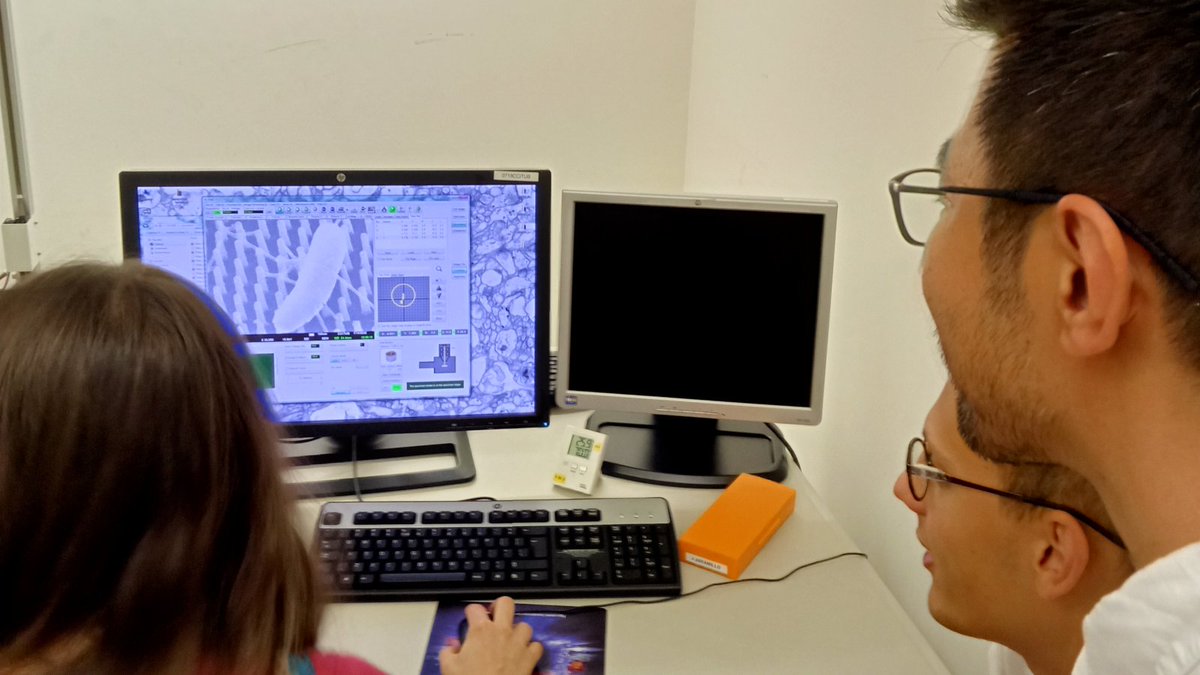
Between July 13 and 15, researchers from @DTUtweet@In2Ub and @IBUB_UB performed the first tests of Drosophila tissue compatibility with the silicon nanopillar array and of the effect on the light propagation through it for the #StretchBio project
👉 https://t.co/rt3lRQq22T