Inilah Profil 7 Pejabat Teras yang Wajib Bertanggungjawab atas Serangan Ransomware Pusat Data Nasional
Baru-baru ini masyarakat Indonesia dihebohkan dengan kasus serangan ransomware yang membuat Pusat Data Nasional (PDN) diobrak-abrik.
Dikutip dari Wikipedia, Pusat Data Nasional adalah fasilitas pusat data untuk keperluan penempatan, penyimpanan dan pengolahan data, serta pemulihan data.
Data tersebut nantinya digunakan secara bagi data oleh instansi pusat dan pemerintah daerah, dan saling terhubung di Indonesia.
Hingga saat ini, Indonesia masih memiliki Pusat Data Nasional Sementara yang ada di Surabaya.
PDN sementara tersebut merupakan kerjasama antara Kominfo dengan Telkom dan Lintasarta.
Imam Syafi'i pernah berkata:
Saat kamu menyampaikan kebenaran, maka kamu akan menemukan dua reaksi yang berbeda
Orang cerdas akan merenung, orang bodoh akan tersinggung
Saya mencoba membedah beberapa hal di website SIREKAP punya KPU (https://t.co/HU0JTt9LbO) dengan keterbatasan ilmu dan akses ke sistemnya.
Ini bisa dilakukan siapa aja dengan mudah, cukup pake web browser.
Berikut ini hasilnya...
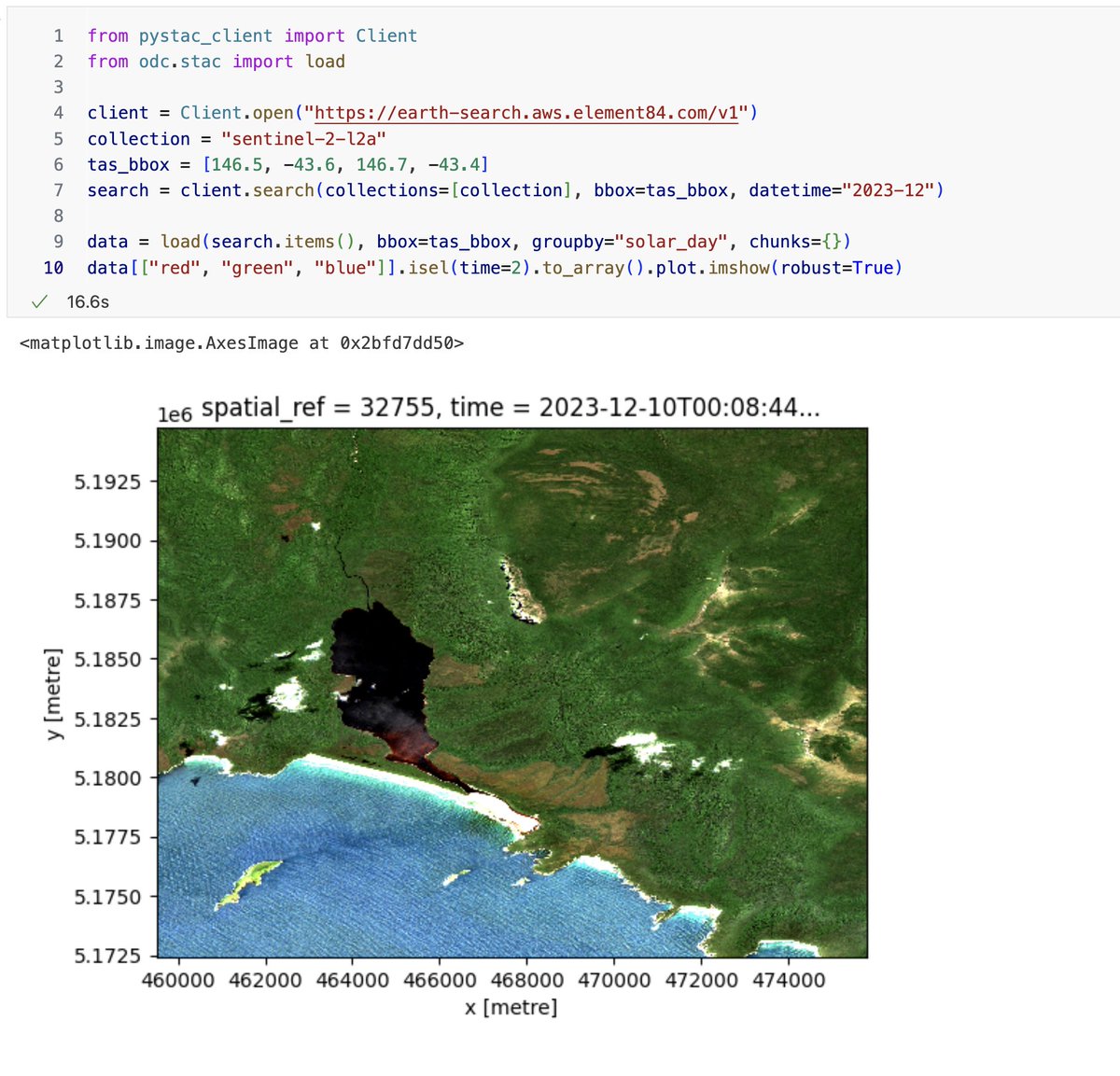
Did you know that with 2 Python libraries, 6 lines of code and around 15 seconds, you can load satellite data from anywhere in the world?
This is so much easier than it used to be!
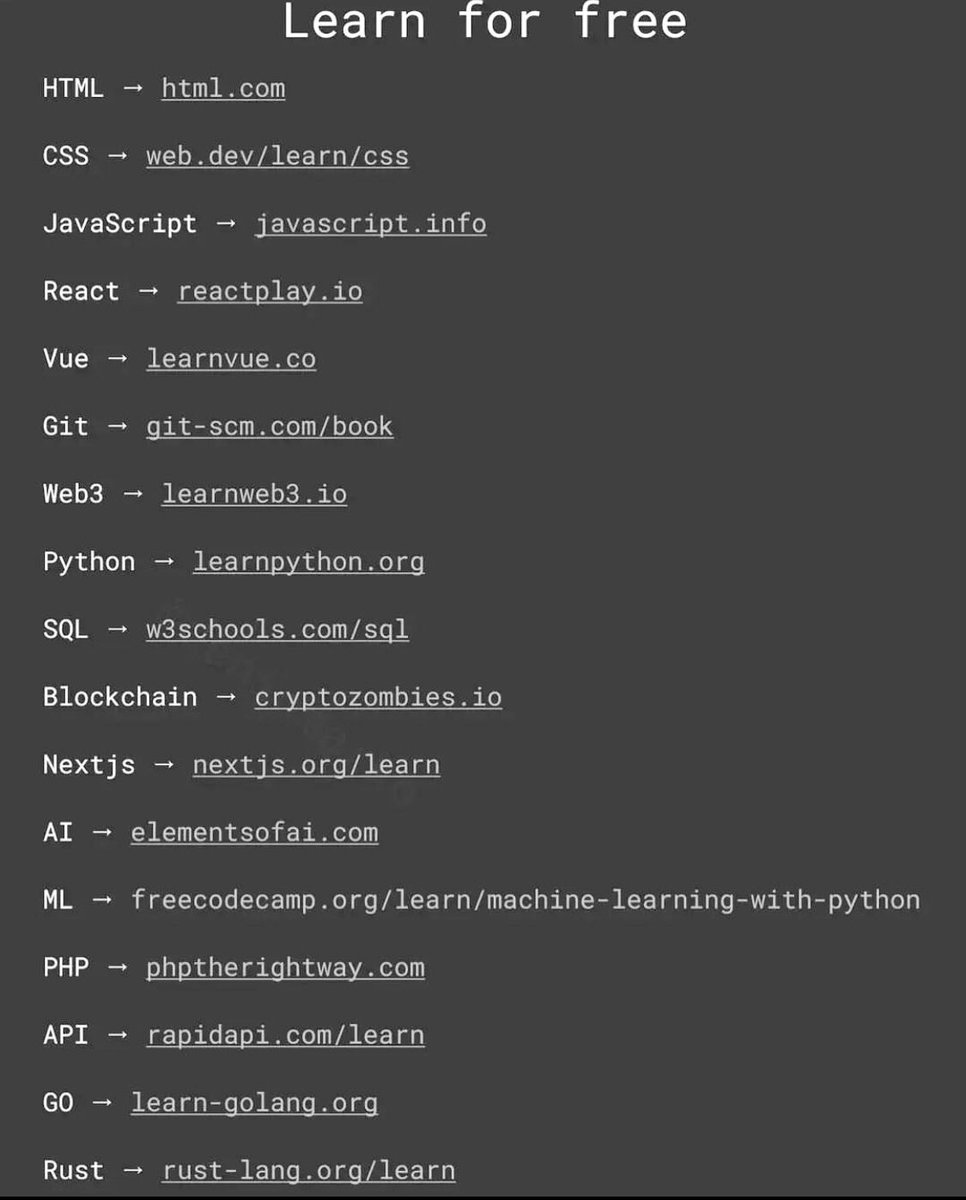
If you're in IT, learning Python can open endless possibilities!
It's a skill that can take you far, and it's one of the easiest languages to learn and understand.
𝗛𝗲𝗿𝗲 𝗶𝘀 𝗮 𝗿𝗼𝗮𝗱𝗺𝗮𝗽 𝘁𝗼 𝗵𝗲𝗹𝗽 𝘆𝗼𝘂 𝗺𝗮𝘀𝘁𝗲𝗿 𝗣𝘆𝘁𝗵𝗼𝗻:
1. 𝗟𝗲𝗮𝗿𝗻 𝘁𝗵𝗲 𝗯𝗮𝘀𝗶𝗰𝘀: This includes data types, control flow, functions, and object-oriented programming.
2. 𝗘𝘅𝗽𝗹𝗼𝗿𝗲 𝗣𝘆𝘁𝗵𝗼𝗻 𝗹𝗶𝗯𝗿𝗮𝗿𝗶𝗲𝘀: Python has a vast ecosystem of libraries for everything from web development to data science to machine learning. Once you have a solid understanding of the basics, start exploring some of the most popular libraries, such as NumPy, pandas, Matplotlib, and scikit-learn.
3. 𝗕𝘂𝗶𝗹𝗱 𝗽𝗿𝗼𝗷𝗲𝗰𝘁𝘀: The best way to learn Python is by doing. Start building projects that interest you, such as a web application, a data analysis dashboard, or a machine learning model. This will help you solidify your understanding of the language and its libraries.
4. 𝗟𝗲𝗮𝗿𝗻 𝗮𝗯𝗼𝘂𝘁 𝗱𝗲𝗽𝗹𝗼𝘆𝗺𝗲𝗻𝘁: Once you have built some projects, you'll need to learn how to deploy them so that others can use them. There are many different ways to deploy Python applications, such as using a web server or a container orchestration platform.
5. 𝗧𝗲𝘀𝘁 𝘆𝗼𝘂𝗿 𝗰𝗼𝗱𝗲: It's important to test your code regularly to ensure that it's working as expected. There are many different testing frameworks available for Python, such as unittest and pytest.
6. 𝗕𝘂𝗶𝗹𝗱 𝗮 𝗽𝗼𝗿𝘁𝗳𝗼𝗹𝗶𝗼: Once you have some experience with Python development, start building a portfolio of your work. This will help you demonstrate your skills to potential employers.
7. 𝗨𝗽𝗱𝗮𝘁𝗲 𝘆𝗼𝘂𝗿 𝗿𝗲𝘀𝘂𝗺𝗲: Be sure to update your resume to reflect your new Python skills. Highlight your experience with Python libraries, projects, and deployments.
#Python #SoftwareEngineering #dataengineering
Big milestone : Our system design YouTube channel has grown to half a million subscribers. Here are the top five most-liked topics:
- Why is Kafka fast?
- HTTP/1 to HTTP/2 to HTTP/3
- Top 6 Most Popular API Architecture Styles
- Kubernetes Explained in 6 Minutes
- What Is REST API? Examples And How To Use It
Thank you everyone ❤️!
Subscribe to our YouTube channel here: https://t.co/WDXcRRRvTu
Types of Software Engineers and Their Typically Required Skills
In this overview, we'll explore three key types of Software engineers:
1. Front-End Engineer:
Specializes in creating user interfaces using HTML, CSS, and JavaScript. They focus on ensuring that apps are visually appealing and user-friendly.
2. Back-End Engineer:
Works on the server-side of web applications, managing data, business logic, and server infrastructure to ensure functionality, performance, and security.
3. Full-Stack Engineer:
A versatile expert who combines the roles of Front-End and Back-End engineers, handling UI design, server-side tasks, databases, APIs, and ensuring seamless application integration. They cover the entire development spectrum from start to finish.
Over to you: Which type of software engineer resonates most with your interests and career aspirations?
–
Subscribe to our weekly newsletter to get a Free System Design PDF (158 pages): https://t.co/uc5M7CdXXC
Algorithms You Should Know Before You Take System Design Interviews
These algorithms aren’t just useful for acing system design interviews - they’re also great tools for building real-world systems.
We made a video on this topic. The video contains an updated list and provides real-world case studies.
Watch here: https://t.co/ylRBUXrjwi