Altered Security Diwali Giveaway!
Win FREE access to:
• 1 CRTP seat
• 1 CARTP seat
How to participate:
• Like
• Comment & tag your Red Team buddies!
• Repost
Winners will be randomly announced on October 25, 2025
Our Diwali offers are already live - up to 25% OFF on Red Team labs & bootcamps and up to 15% OFF on AltSecCON 2025 tickets.
Bonus: Even if you’ve already availed our Diwali offer, you’re still eligible!
https://t.co/hp0GLwrqy7
How to learn Active Directory…
Step 1. Setup your own lab. Setup laps, applocker, logon scripts, CA server, sccm, exchange, file shares etc the whole nine
Step 2. intentionally misconfigure it with tools like BadBlood and BadShares (I wrote this one) or just manually screw it up
Step 3. Find all the messed up stuff (PingCastle, scriptsentry (mine), locksmith, ADeleginator (me again), AppLocker Inspector (also me), PurpleKnight, etc etc). Included in this step is documenting the stuff you find and the root cause (makes good blogging/video content)
Step 3a. Try to exploit the bad stuff. This is optional but it’s super fun and I believe it’s helpful to know how threat actors may attack the stuff you find (also good content)
Step 4. Fix all the messed up stuff. Included in this step is documenting your process and the fix (again good content)
Step 5. Repeat until you can talk about XYZ without looking it up
Bonus - document your process and stuff you’re doing on social media. Write blogs, make videos, whatever. Post daily.
Do this consistently for 1 year without looking up and I bet you’ll be surprised how far you go in just 12 months.
PS - This isn’t the only way. This is just what I’d recommend based on what’s worked for me and seeing others learn this way 🙏
Linux Tip of the day 💡
Got gzipped log files to investigate?
Instead of extracting the .gz files and then looking into them, you can use
- zcat
- zless
- zgrep
- zdiff
and a bunch of other 'z commands' on the zipped files directly.
You can thank (and follow) me now 🐧
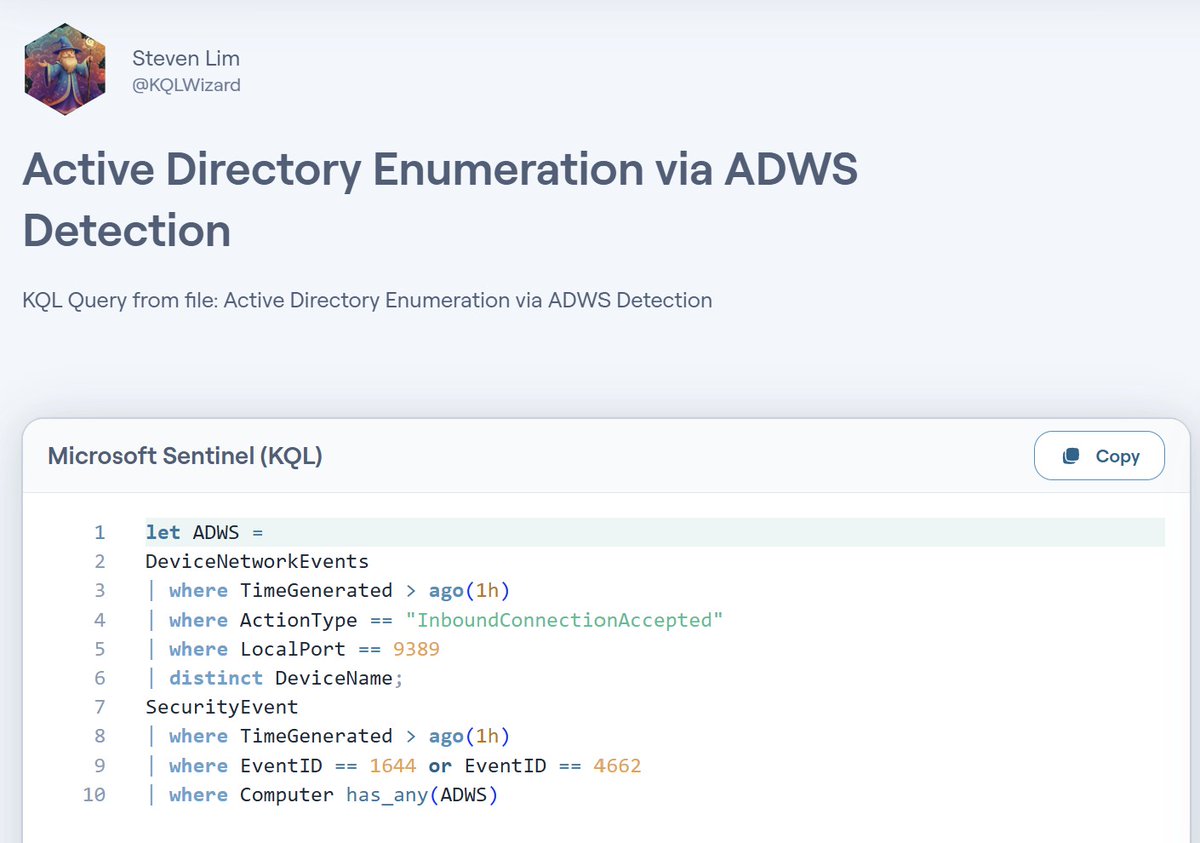
🧵 Red teams are shifting to stealthier AD enumeration via Active Directory Web Services (ADWS) over port 9389. Tools like SOAPHound, SoaPy & ShadowHound wrap LDAP queries in SOAP, bypassing traditional detections.
https://t.co/Rv3sMVmfXg
A KQL to detect this type of AD enumeration:
https://t.co/Vx9S5eD4v6
#Cybersecurity #ADEnumeration #ADWS
hashcat v7.0.0 released!
After nearly 3 years of development and over 900,000 lines of code changed, this is easily the largest release we have ever had.
Detailed writeup is available here: https://t.co/fxAIXNXsEr
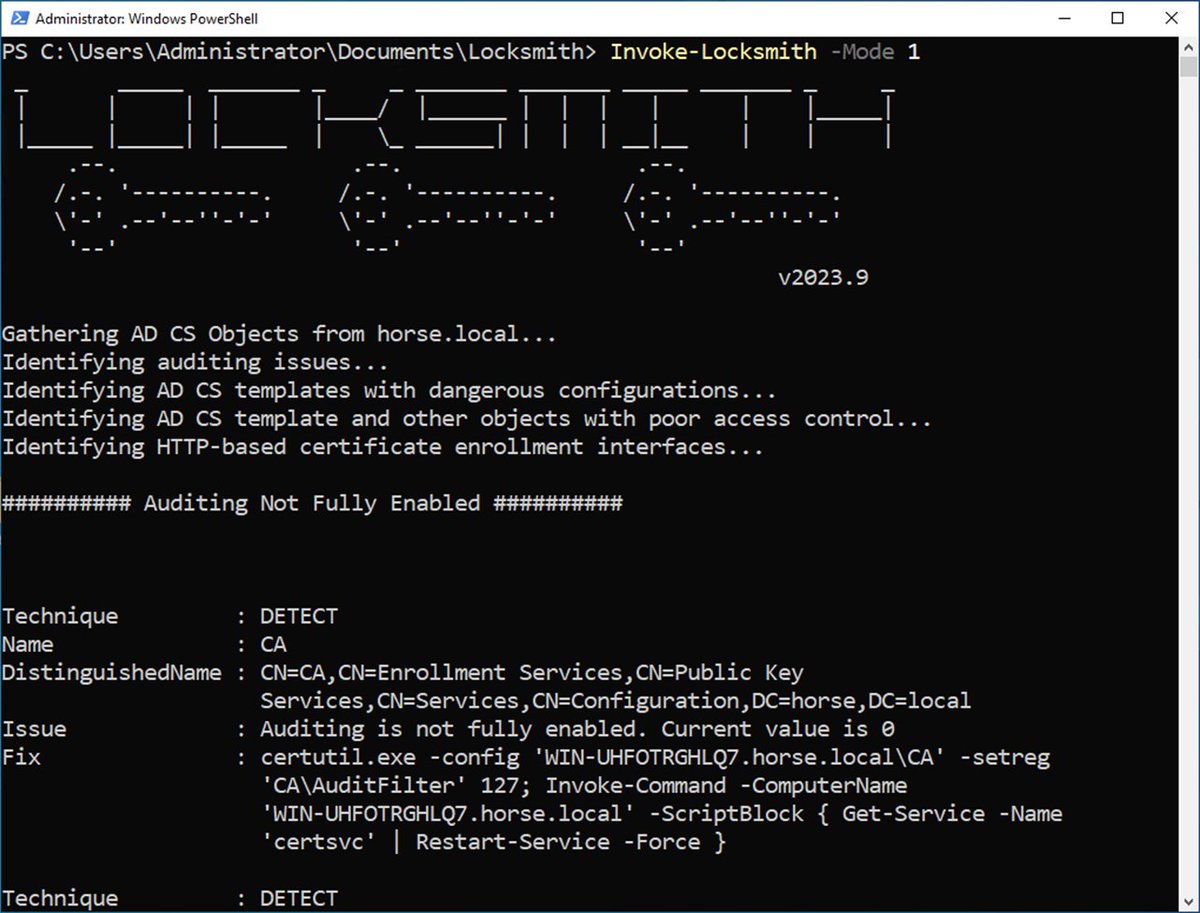
If you have Active Directory Certificate Services (ADCS) in your environment, run Locksmith now!
In Active Directory Security Assessments, we have found critical security issues in *most* ADCS configurations.
The great thing about Locksmith is that it doesn't just highlight the security issues in your ADCS environment, but also provides the command to remediate it!
If you're a pentester/red teamer, Locksmith is great for you to provide remediation recommendations to your customers.
https://t.co/vvtBeeMLuR
#ActiveDirectorySecurityTip
We're almost at 30K subscribers on YouTube, have over 100 videos, passed 50K hours watched, and are up to 21 members! Please consider helping us to promote the channel to get a wider reach! All proceeds go back to the community!
https://t.co/FzFgWWzn86
Hey
@grok
, based on your analysis of the last 365 days, list in sequence 10 accounts that frequently visit my profile. Do not mention the person, only @.username and the rate of visits to the profile per month.