AI has proved its worth in clinical care with improved efficiency and patient outcomes but, asks nurse consultant @Stuart_Maddock, can it ever replace the relationships of mental health nursing staff to people?
https://t.co/IQ9Rnkg6nX
New #MixedMethodsResearch "Core Outcome Set & Unique Outcomes of Nursing Interventions for Women With Lactational Mastitis" by Yun-Peng Lv et al.
https://t.co/dVjJunbrCA
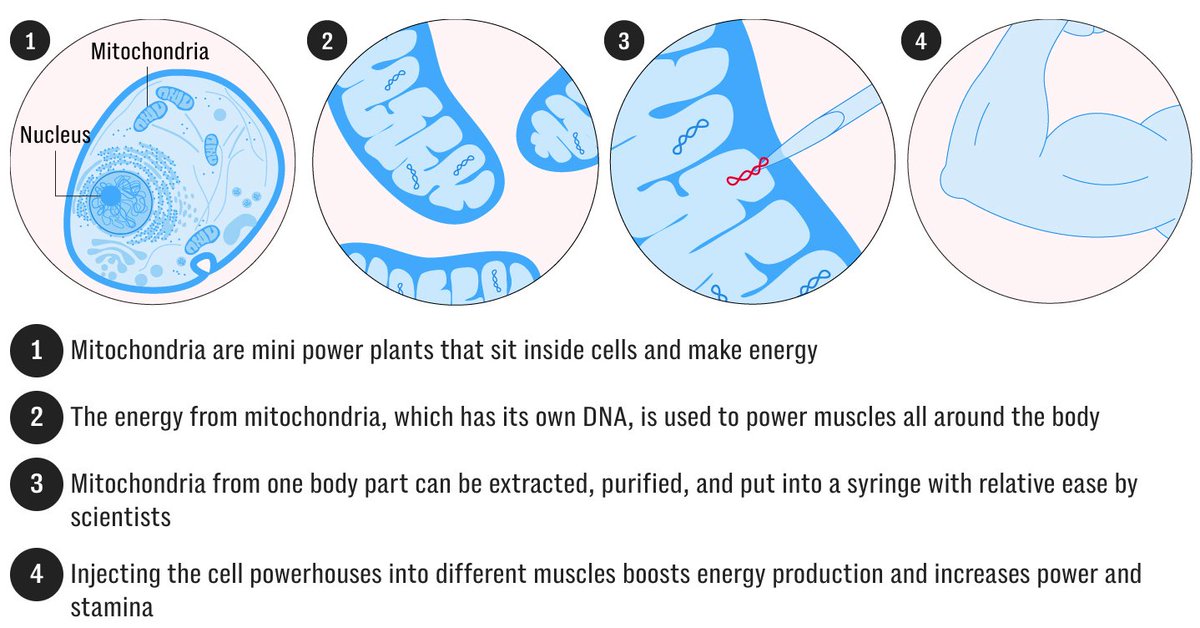
Mitochondrial transplantation could revolutionize aging and disease treatment.
In older rodents, transplantation enhances:
🏃♂️ Speed by 45% & endurance by 48%
⚡ATP by 51%
🏋️♂️Mitochondrial enzyme activity by up to 65%
Human trials are already underway 🧵1/12
Meta-analysis of 11 clinical trials showing that GLP-1 receptor agonists significantly reduce the risk of kidney outcomes, major adverse cardiovascular events, and all-cause death, without increasing the risk of serious adverse events such as hypoglycemia and acute pancreatitis.
https://t.co/xNUEmEWLvK
Top 5 advances in medicine this week (🧵)
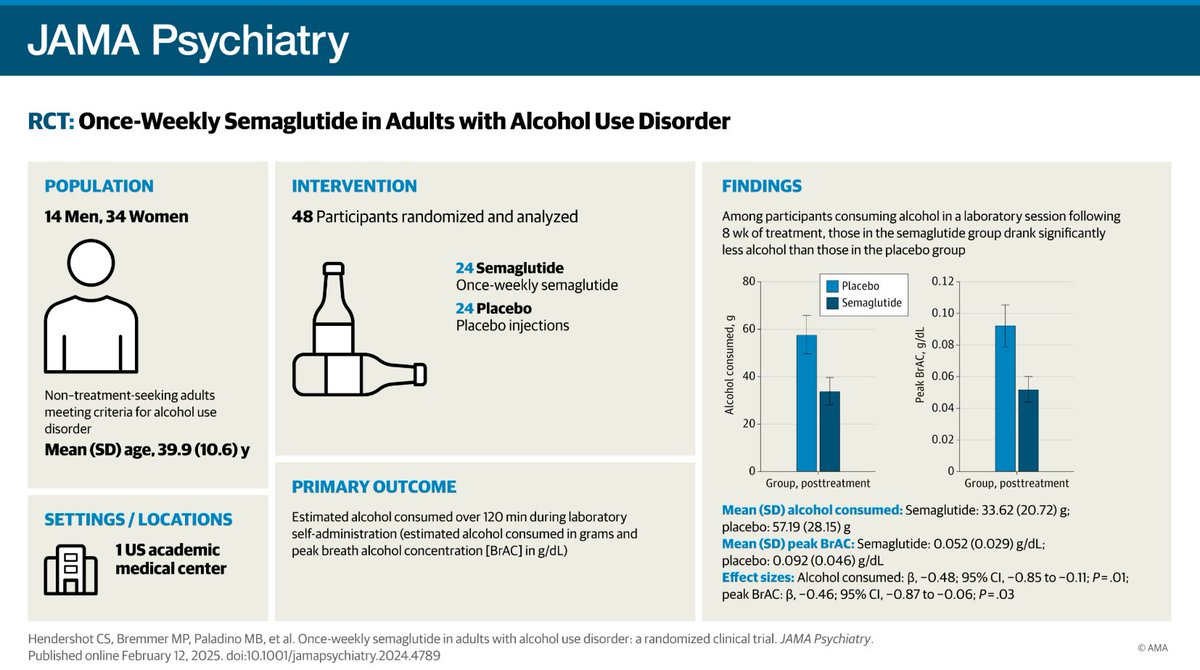
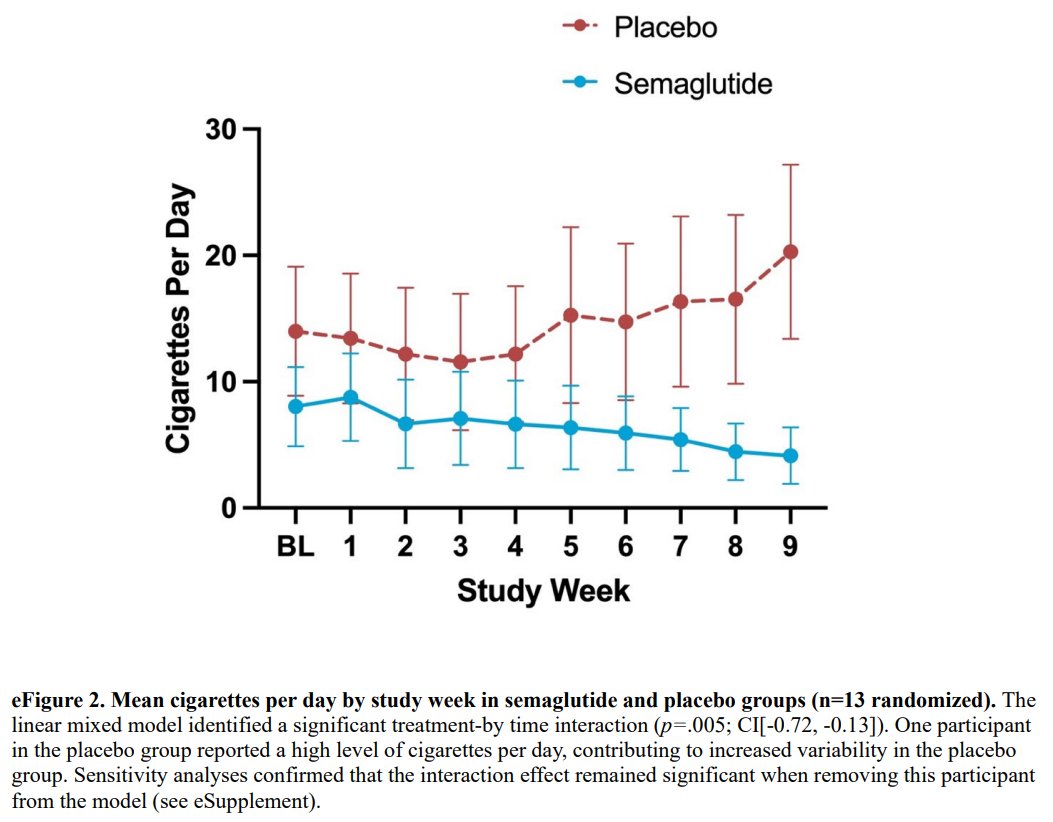
1. The GLP1 receptor agonist, Semaglutide, reduces cravings for alcohol and cigarettes
This is a randomised phase 2 study with 48 patients
The dose used was much lower than the dose for obesity, but still causes weight loss, so the trial was restricted to patients with BMI > 23
This could add new indications to a growing list of uses for GLP1s
https://t.co/3Meel3raBk
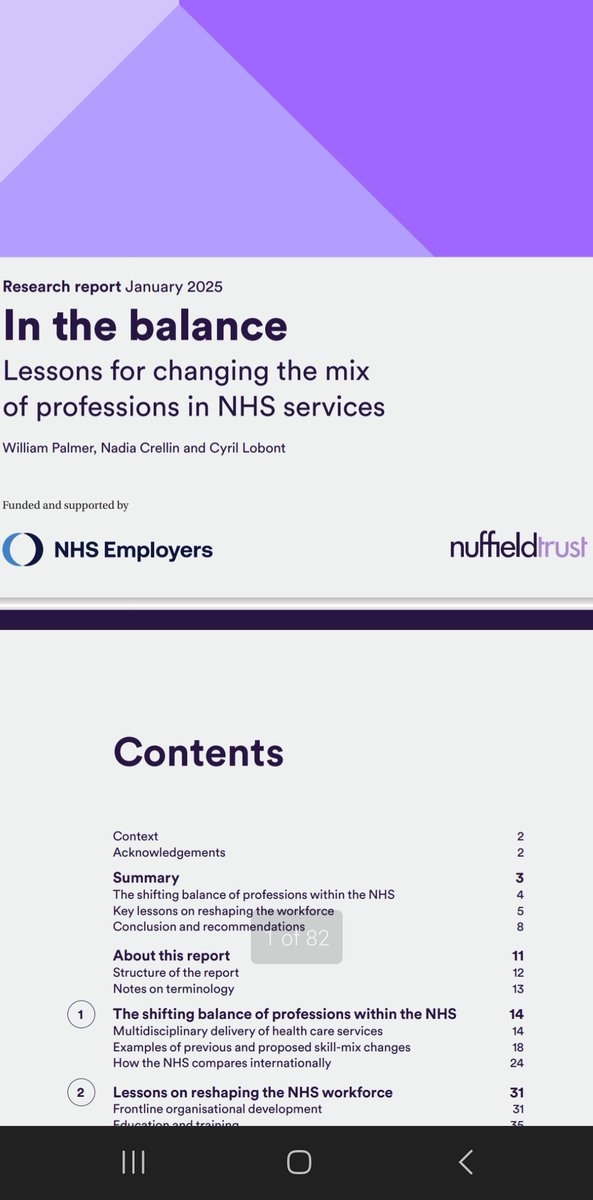
Delighted to see my scoping review on advanced nurse roles in MH services cited for the 1st time in this report by the Nuffield Trust. Pleased my review has contributed to lessons on reshaping the workforce in the NHS #advancedpractice#researchimpact
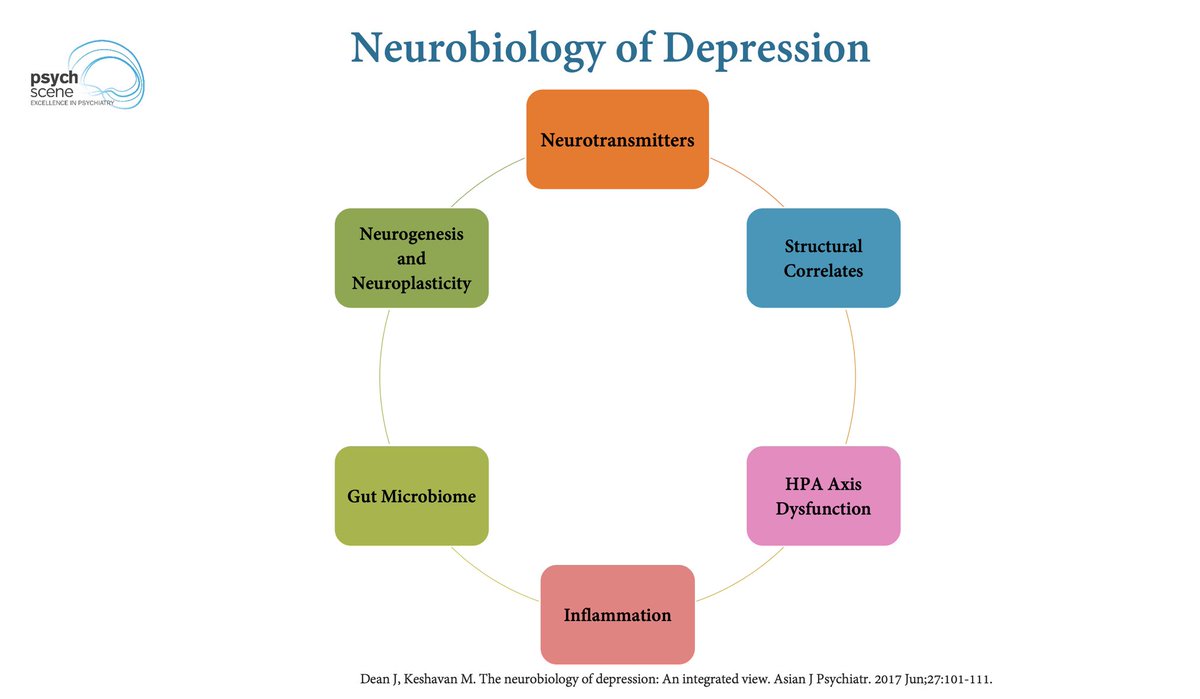
🧵The Neurobiology of Depression
1/8
“A unified theory of depression conceptualises MDD as a matrix of genetic, epigenetic, and environmental factors that interact with personality vulnerabilities that predispose an individual to information processing biases, stress reactivity, and belief formation that precipitate pathophysiological mechanisms across molecular, cellular, circuit, and behavioural levels.”
I had a conversation today about the difference between "kindness" & "niceness" in leadership so I decided to post about it. The article & graphic explain why, as leaders, we should choose kindness over niceness. Kindness is about caring enough to push people toward greatness, even when it’s uncomfortable. It’s a harder path but better in the long run:
https://t.co/8fow4ZEmWN. By @emb928
Graphic: @thejustinmecham via @dangrimes1980
Missed our #NHSAIStrategy event?
Catch up on discussions with senior leaders, including Minister of State for Health @karinsmyth, who set out their visions for the strategic direction of AI and technology in the NHS.
Watch and share the recording 👇
https://t.co/F6pNRfjyO5
A new article from @Dr_Malte, @alison_moulds, and @timjhorton discusses how technology can improve surgical performance and the importance of proper implementation.
Read now on @RCSnews ⬇️
https://t.co/qX6cTQbIcb
COVID INQUIRY: X Megathread 🧵
As module 3 of the @covidinquiryuk draws to a close, I’ve been looking back at what we’ve learned about how it all went so wrong with infection control guidance for hospitals.
This is a long thread, so please grab a cuppa & make yourself comfy…
If you think you have Trauma, science says it didn't start with you.
Unhealed trauma doesn't just disappear—it gets passed down through DNA as self-sabotage, cycles of failure, and toxic relationships.
Here's what science says about generational trauma (and how to break the cycle):🧵
One of the reasons why it is so difficult to maintain weight loss is because adipose issue retains an epigenetic memory of obesity after weight loss.
https://t.co/BvNcuLdhYB
Updated NICE menopause guidelines published today.
While it’s welcome to see HRT as the preferred treatment for the menopause, this is a disappointing update overall. The focus remains primarily on vasomotor symptoms – hot flushes and night sweats – which are, for many women, not the main symptoms of perimenopause and menopause. Most women experience brain symptoms – brain fog, low mood, anxiety, poor concentration, sleep disturbances, memory problems and fatigue – and these are things we know are unlikely to be alleviated in the long term by CBT, as suggested.
The guidelines also do not differentiate between older, synthetic HRT and the natural (body identical) hormones now more commonly prescribed – while the word “risk” is mentioned three times as often than the word “benefit”, these newer forms offer more benefit than risks.
The true risk comes in NOT taking HRT at all, with good quality evidence showing that low hormones during menopause increases the risk of heart disease, osteoporosis, type 2 diabetes, dementia, neurodegenerative diseases, clincial depression, autoimmune diseases and an earlier death. These diseases reduce in women taking hormones and life expectancy increases.
Women deserve to be fully informed and involved at every step of their healthcare consultation to make an informed decision on the right treatment or combination of treatments for them. While we have seen a rise in recent years in access to evidence-based treatments like HRT, a postcode lottery still exists, particularly for those from lower socio-economic backgrounds. Too many women are still struggling to receive HRT, and these guidelines will be confusing for both healthcare professionals and women.
Perimenopause and menopause is sorely under-researched and under-funded, and this must change. In the meantime, women deserve to have a choice, and those who want to take HRT should be able to have it prescribed. That HRT is now the frontline treatment is refreshing, but future documents and consultations must go further to ensure women get the treatment they deserve.
https://t.co/9tut2nB1SO
In other news, the Mental Health Bill 2025 has been introduced to Parliament.
It makes important changes to the current MH Act, the first since 2007.
It updates the Act in line with evidence & human rights.
It is vital to safer care.
Short 🧵
https://t.co/bLpQyb3232