'everything, creative' | A story-centric, multidisciplinary studio creating spaces, products, experiences and media that move people and brands forward.
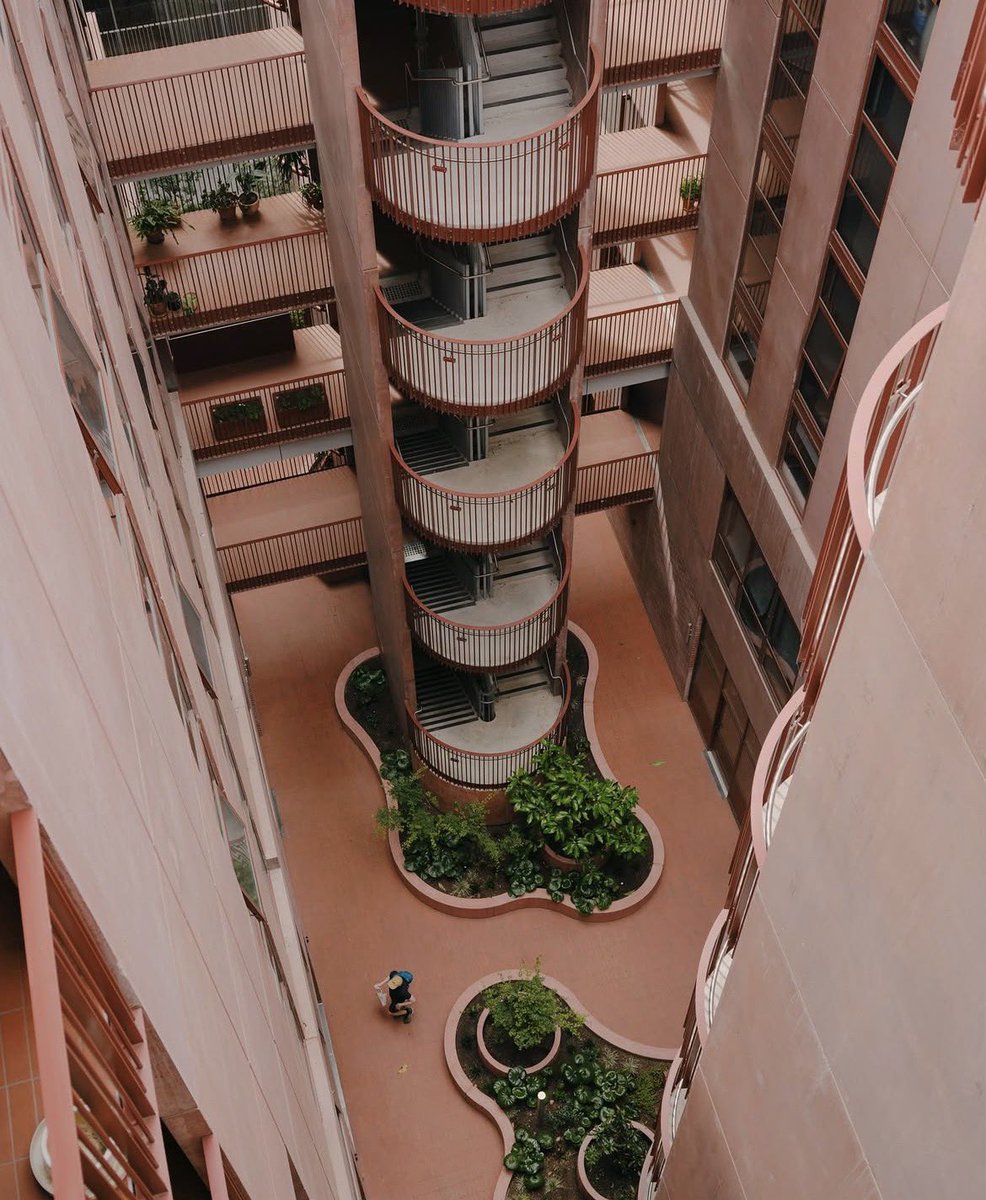
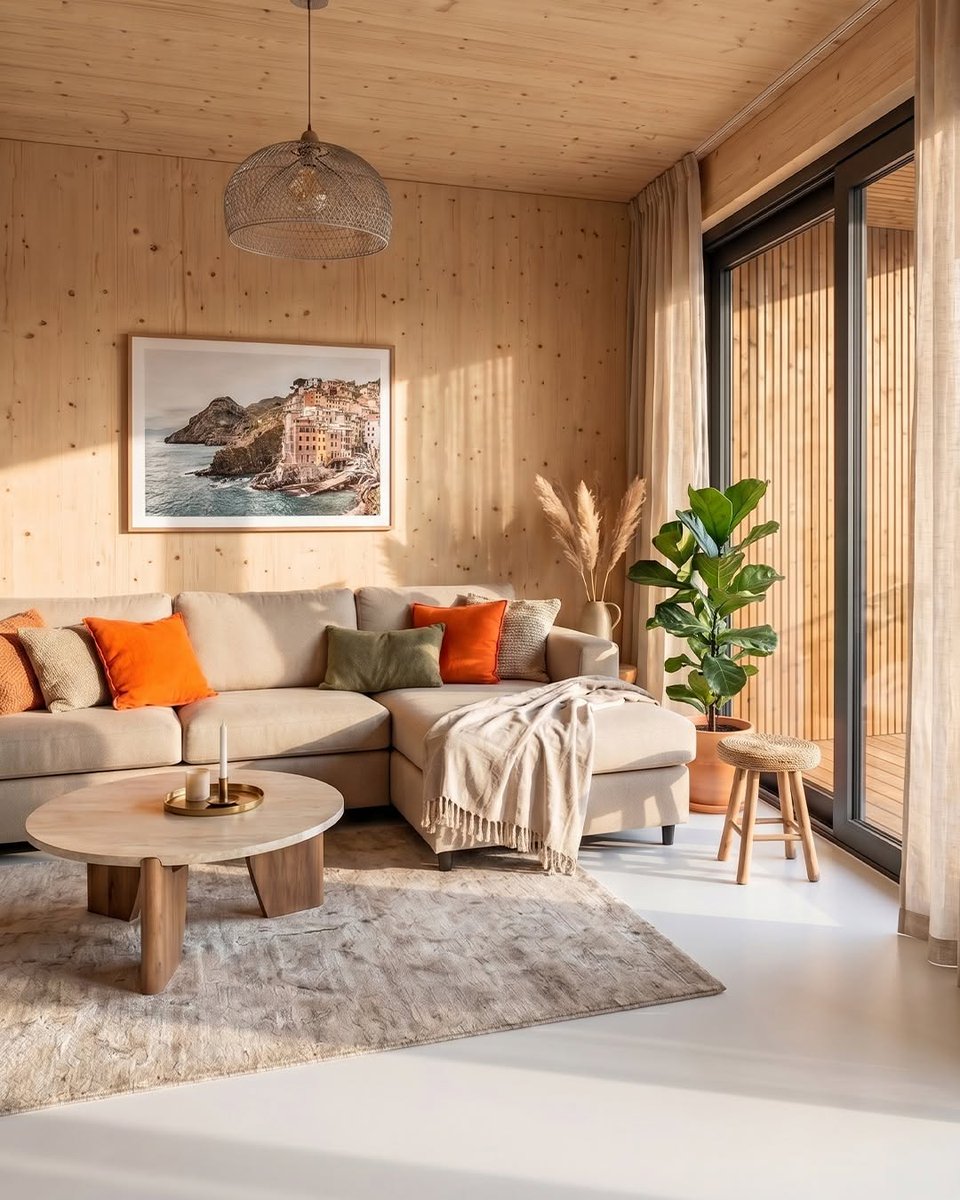
Instead of organizing life around standard household models, this apartment leaves space intentionally undefined and adaptable.
📍Lisbon, Portugal
Project by: BUREAU
Details: https://t.co/7CXBw1W4Y7
Vietnam figured out what brick can do when you stop treating it like a default.
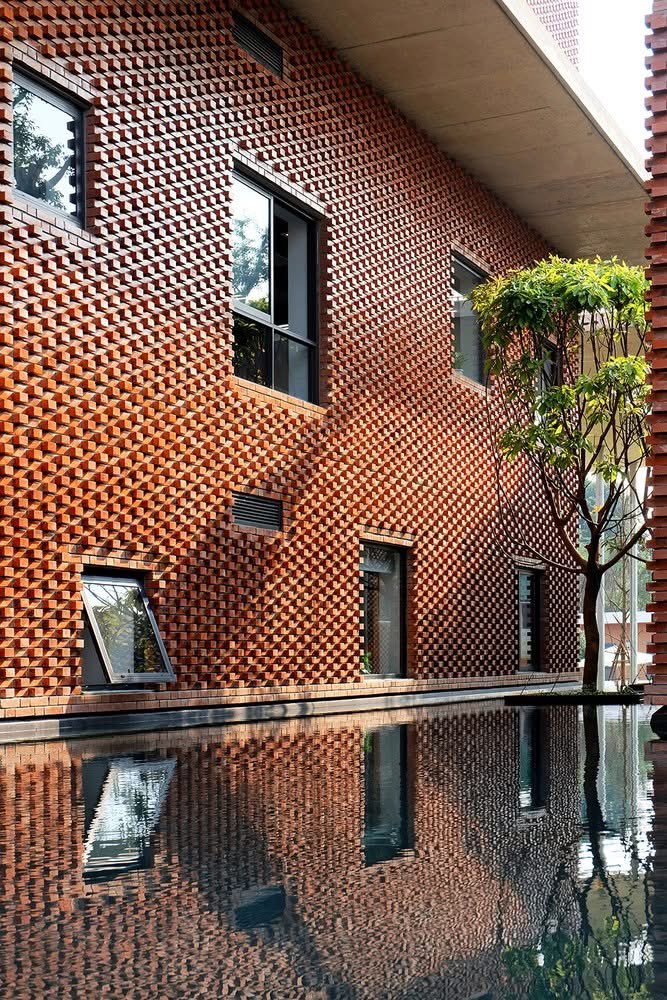
The Viettel Academy Educational Center sits inside a hi-tech park 30km from Hanoi but the architecture refuses to perform that. Brick courtyards. Water channels. Trees growing from rooftops. The building pulls you inward, not outward.
VTN Architects used the brick envelope as a climate tool. The textured facade isn’t decorative, it’s working. Each protruding brick creates micro-shadow, breaking direct sun before it hits the wall plane. The water features aren’t aesthetic either. They cool the air that circulates through the open corridors.
This is what passive design looks like when it’s taken seriously: no mechanical compensation for a bad envelope. The building does the work.
Brick isn’t a vernacular gesture. It’s a climate solution we need to adapt.
Viettel Academy Educational Center, Hanoi, Vietnam. VTN Architects. 📷 Hiroyuki Oki
Social isolation is rising, the world over. Yet many of the places that historically helped counter it, the neighbourhood café, the community hall, the corner pub, are disappearing. Not because people need them less. Because the economics increasingly work against them.
The benefits of third places are clear. Without them, our lives lose the richness of diverse social encounters, repeated hangouts, and the benefits that these bring to our health and democracy. We need to protect and cultivate our third places, like our social lives depend on it.
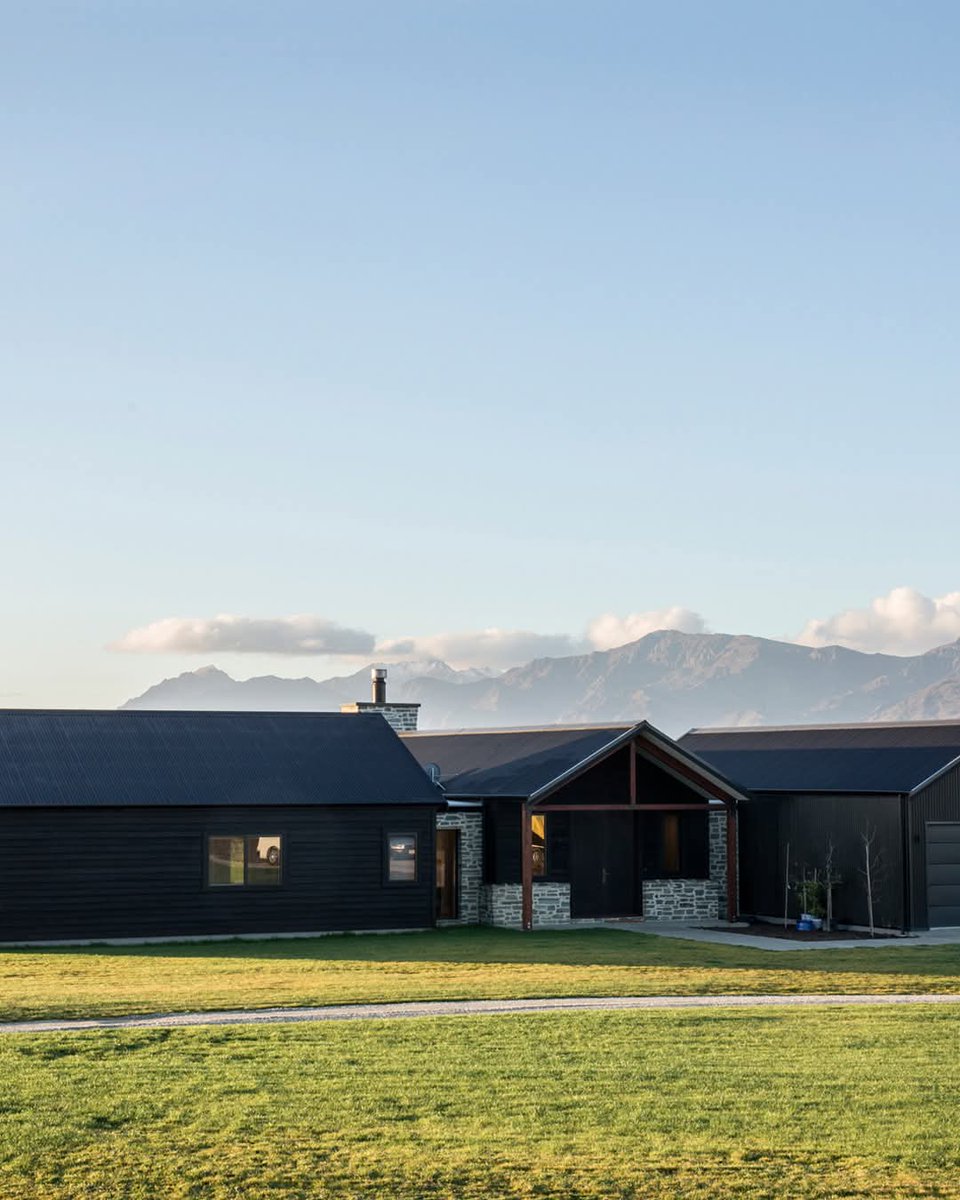
The Desert Fairway Residence by Kendle Design Collaborative designed to harmonize with its cacti-dotted site and mountain backdrop.
Built of rammed earth.
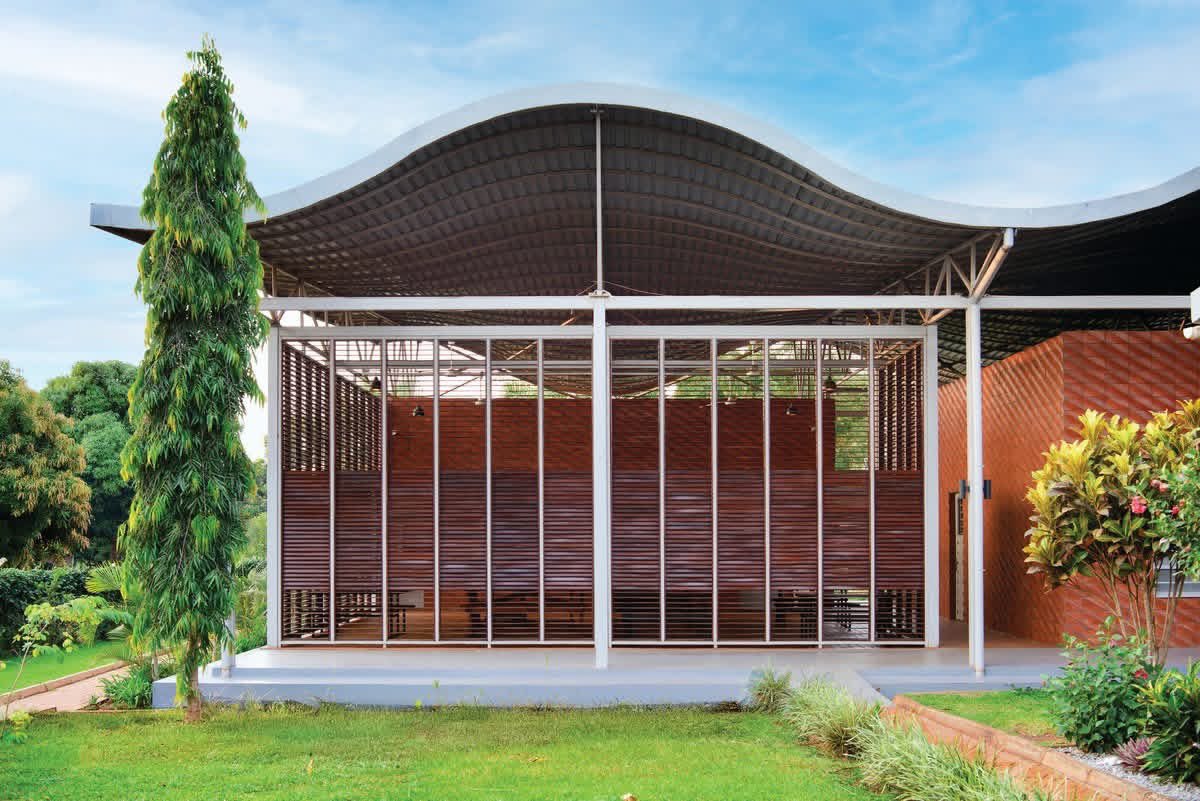
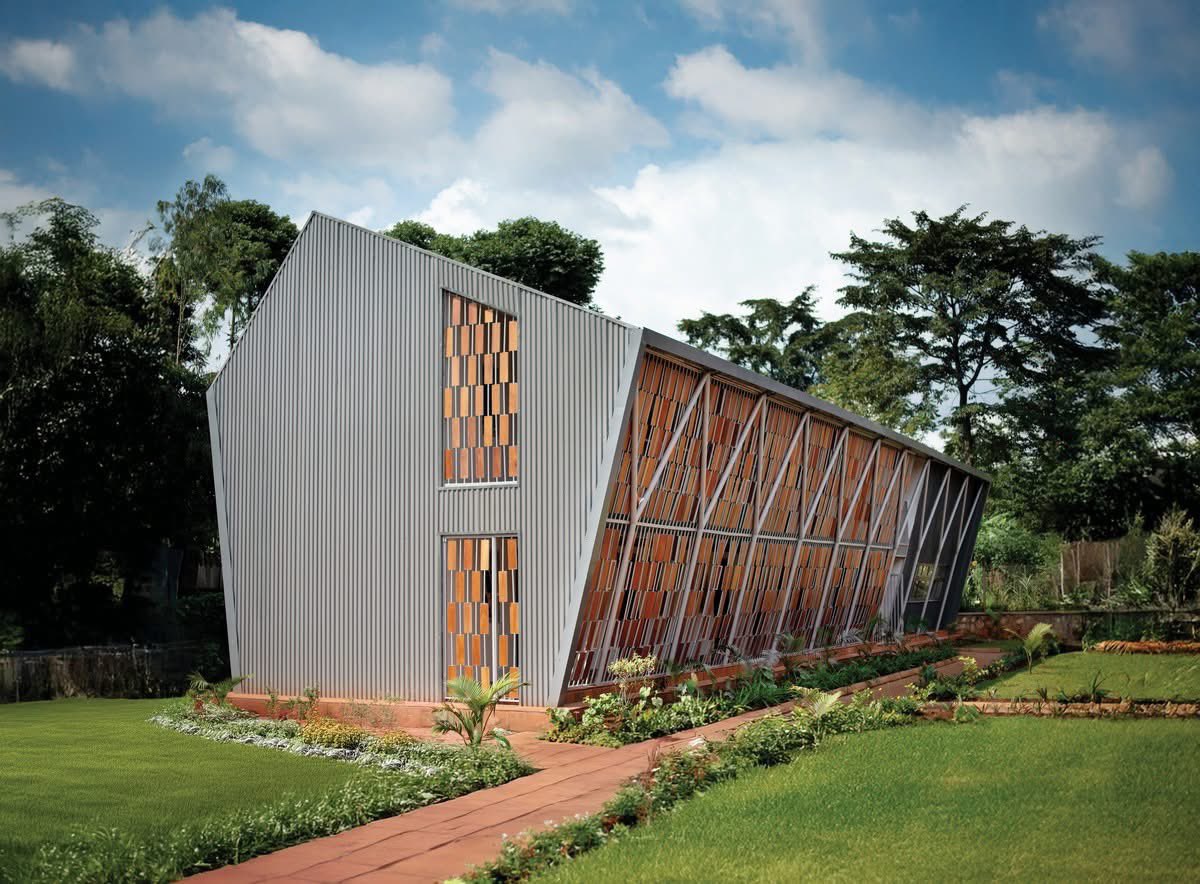
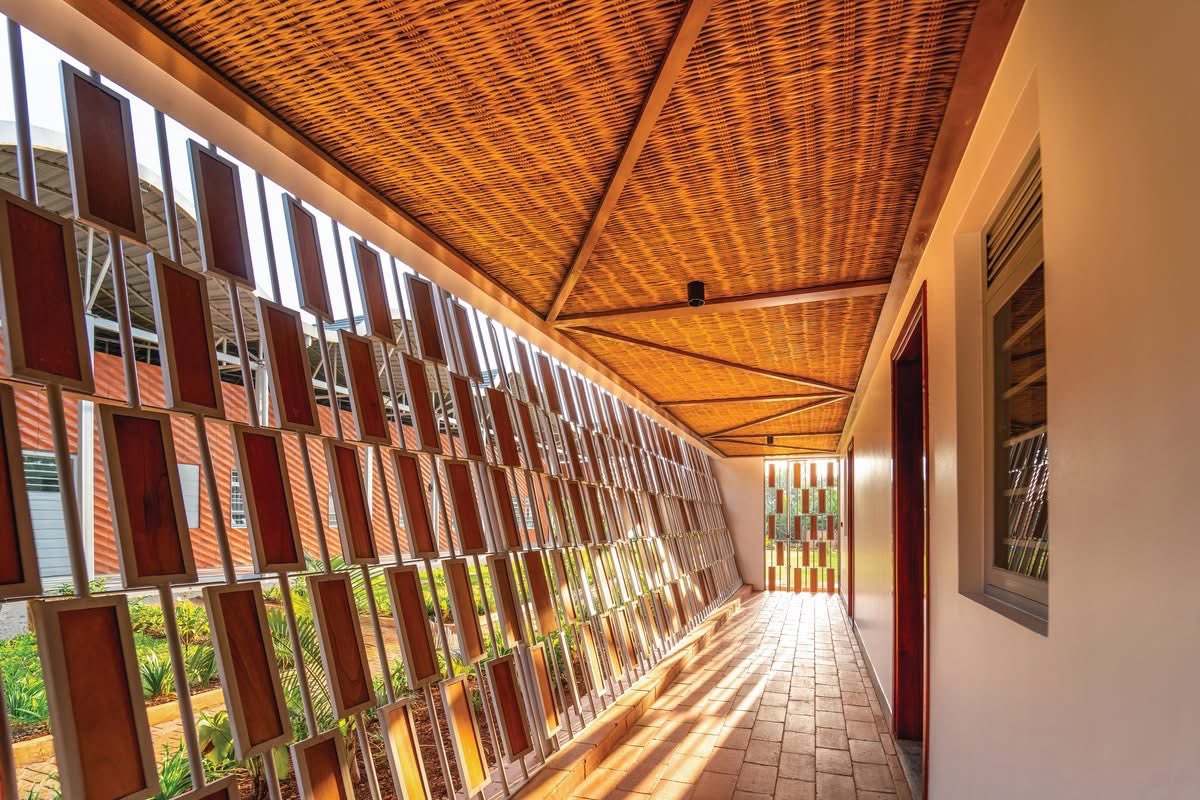
A surgical center in rural Uganda runs entirely off-grid.
Solar power. Teak screens, woven Nile reed ceilings, clay tiles made by local potters.
This is what African architecture looks like when planned with intention.
📍 Kyabirwa Surgical Center, Uganda
Design: George K. George