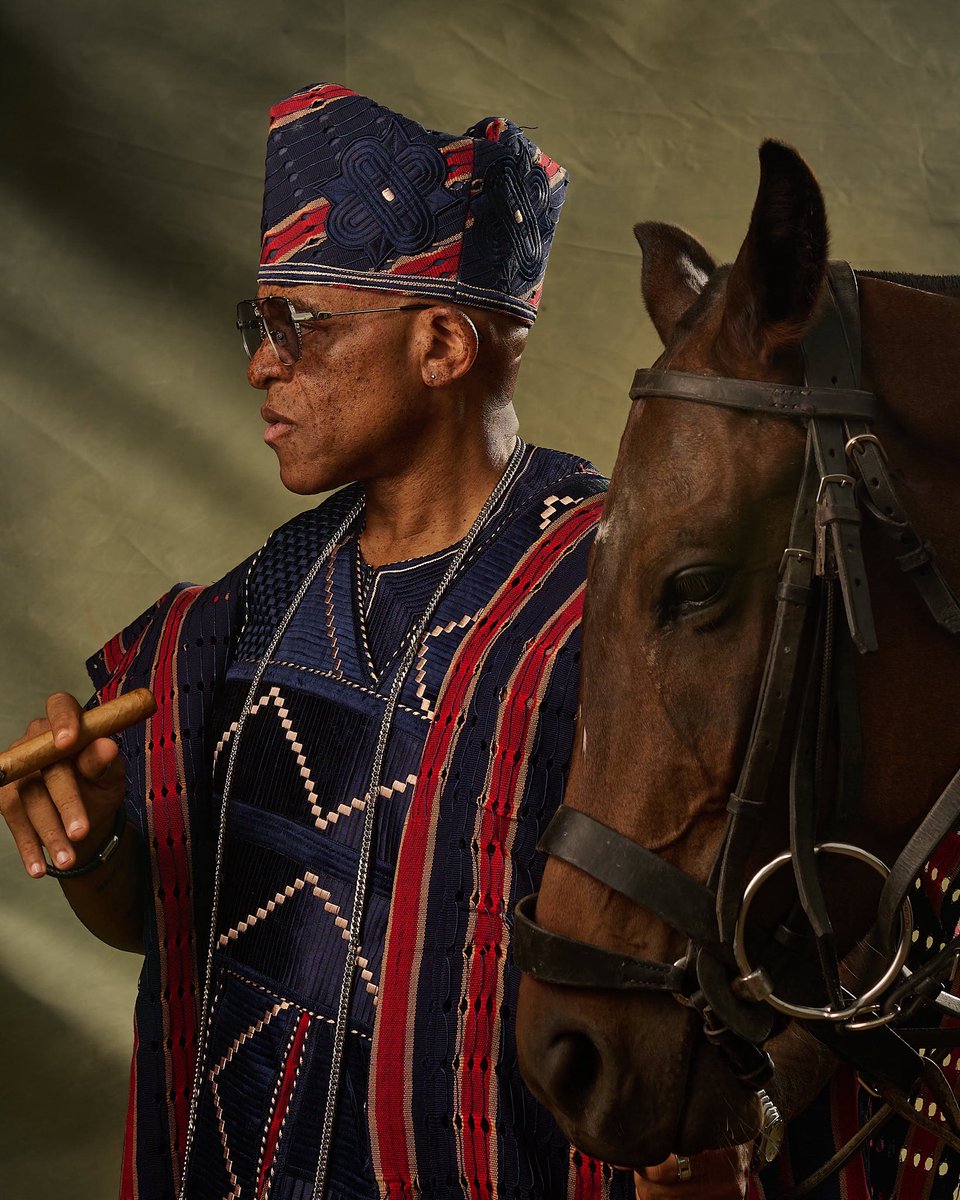
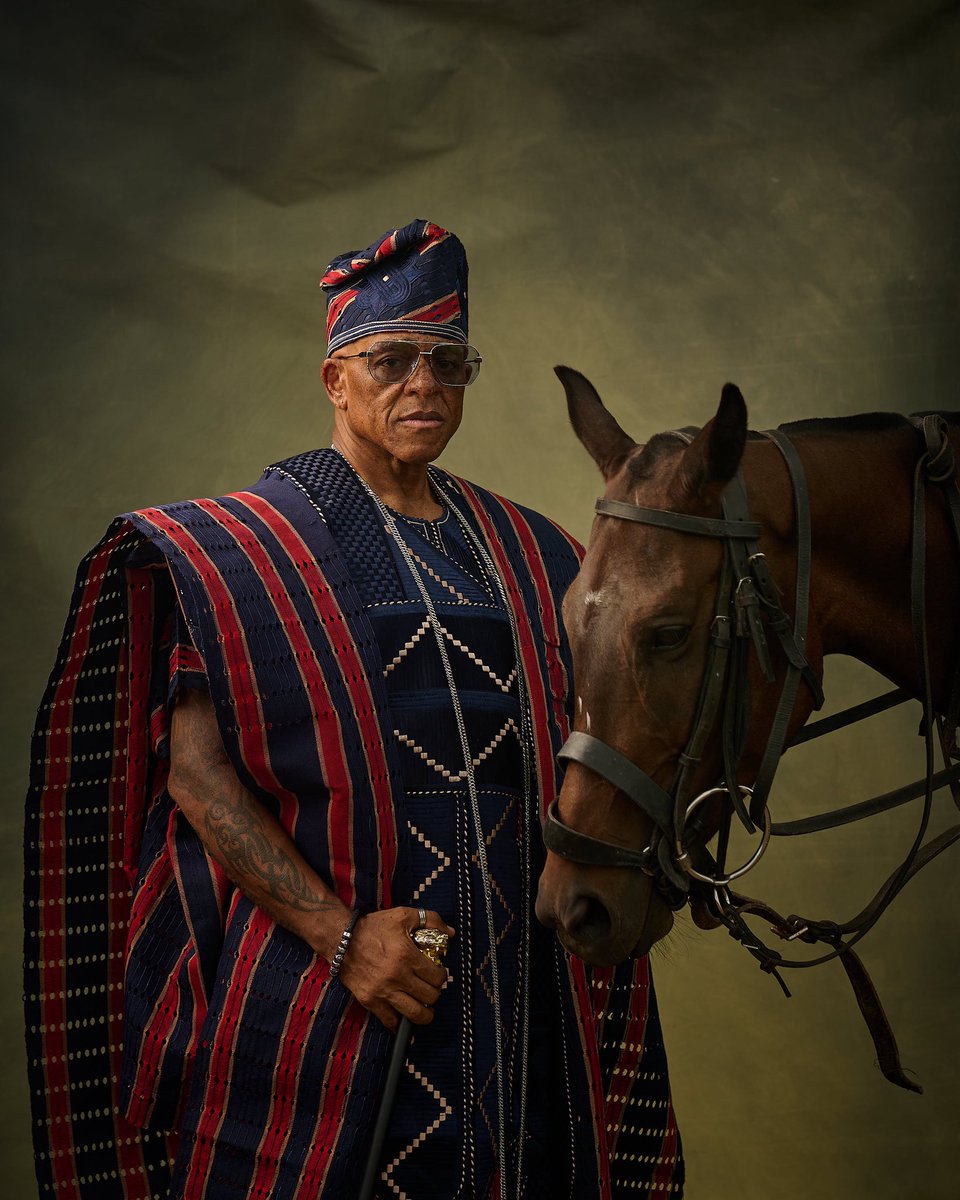
Our latest issue with @Tunde_OD
-THE BECOMING.
A story shaped by survival, sacrifice, wonder, and the relentless refusal to be defined by beginnings.
“He survived, a statistical miracle; his very existence a defiance of probability.”
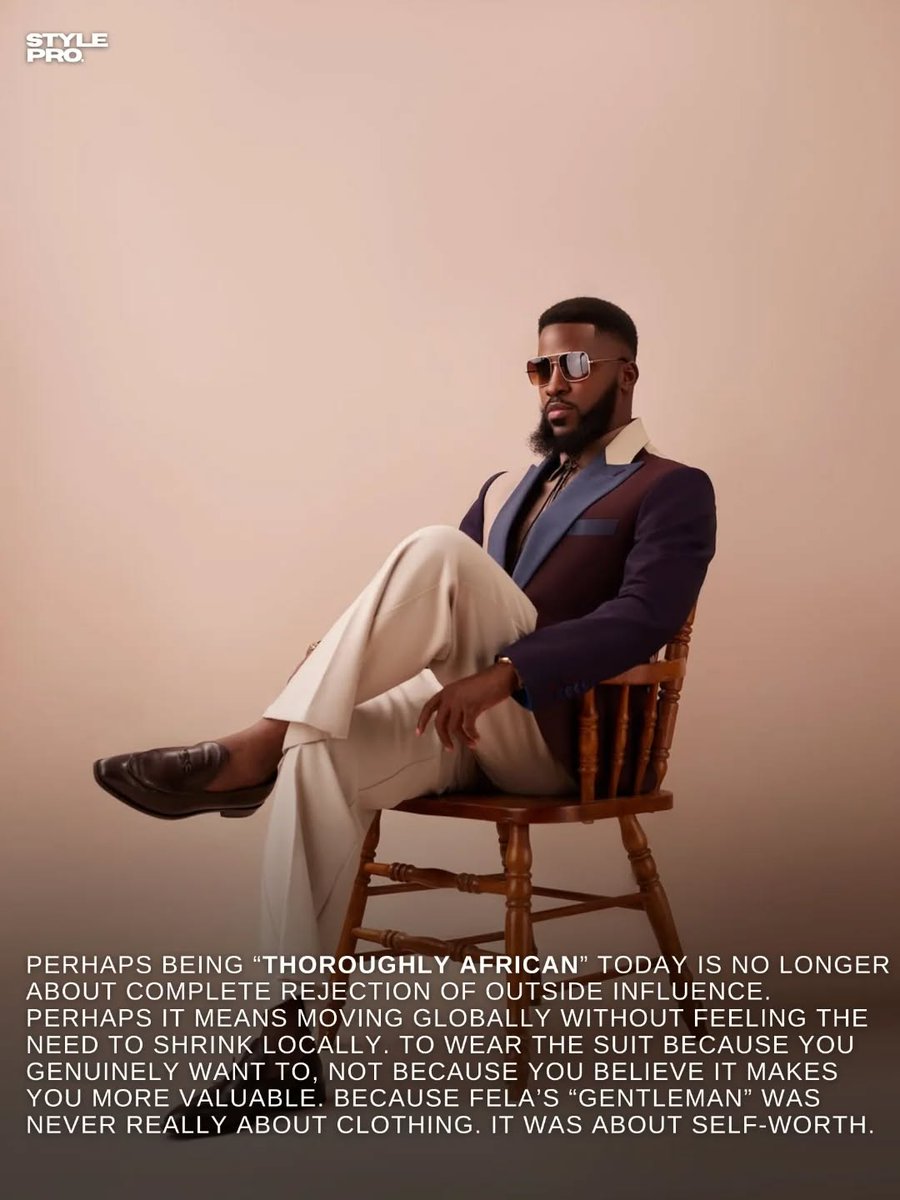
Fela Kuti did not hate suits because they were foreign. He hated what they came to represent.
In “Gentleman,” the suit becomes more than clothing; it becomes a performance of validation, worn by people taught to associate Europe with sophistication, intelligence, and status.
The irony, of course, is that the “gentleman” is sweating inside the costume and still refuses to take it off.
But the conversation feels more complicated today.
Modern Nigerians exist inside a global economy where visibility often depends on proximity to the West. Designers seek Paris recognition, Afrobeats dominate foreign charts, and migration has become a survival strategy for many young people.
So, what happens to Fela’s rejection in this reality?
Is the suit still imitation, or has it become an adaptation?
“Why Fela Hated Suits” explores what “Gentleman” was really saying about validation, identity, and the uncomfortable tension between global ambition and local self-worth.
“I refuse to be predictable in a world that is really, really fast-paced.”
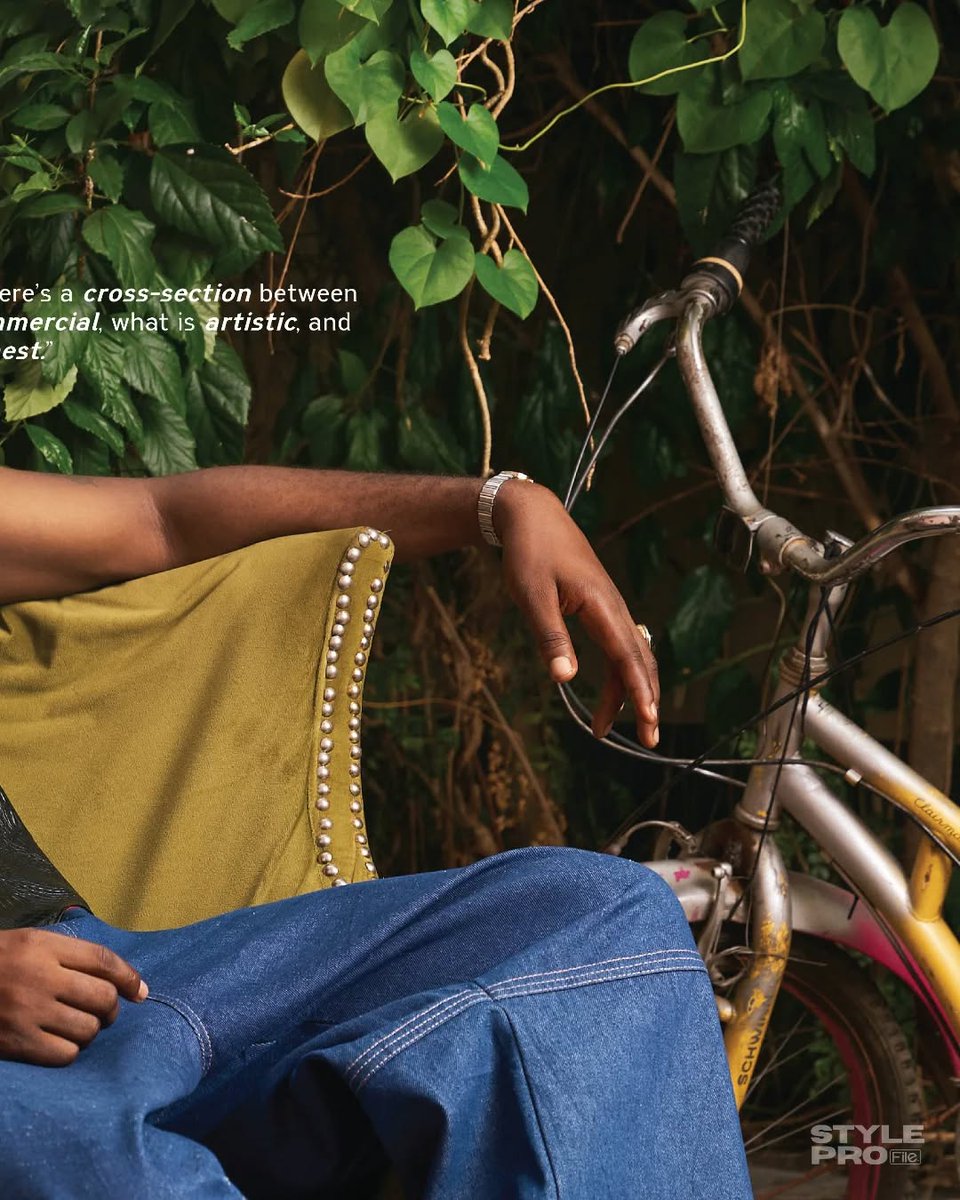
There’s a difference between building for attention and building with intention. Somewhere between fashion, storytelling, and personal philosophy, INA exists in that space.
For Afolabi Olayinka, expression is not just aesthetic. It is honesty, detail, patience, and the willingness to create without reducing the work for easier consumption.
STYLEPROFILE: INA IS INA’F.
Photography: @tumiobasanmi
Videography: @igrant.dd
Editorial Design: @mayapalette
Directed by: @DANKOFAFRICA
Produced by: @taiwo.thagreat
“INA IS INA’F.”
For this edition of STYLEPROFILE, Afolabi Olayinka reflects on storytelling, honesty, quiet authority, and the refusal to become predictable in a fast-moving world.
A conversation on identity, expression, and building things with intention.
Photography: @tumiobasanmi
Videography: @igrant.dd
Editorial Design: @mayapalette
Directed by: @dank_of_africa
Produced by: @taiwo.thagreat
“INA IS INA’F.”
For this edition of STYLEPROFILE, Afolabi Olayinka reflects on storytelling, honesty, quiet authority, and the refusal to become predictable in a fast-moving world.
A conversation on identity, expression, and building things with intention.
Photography: @tumiobasanmi
Videography: @igrant.dd
Editorial Design: @mayapalette
Directed by: @dank_of_africa
Produced by: @taiwo.thagreat
Traditional fashion has never needed explanation.
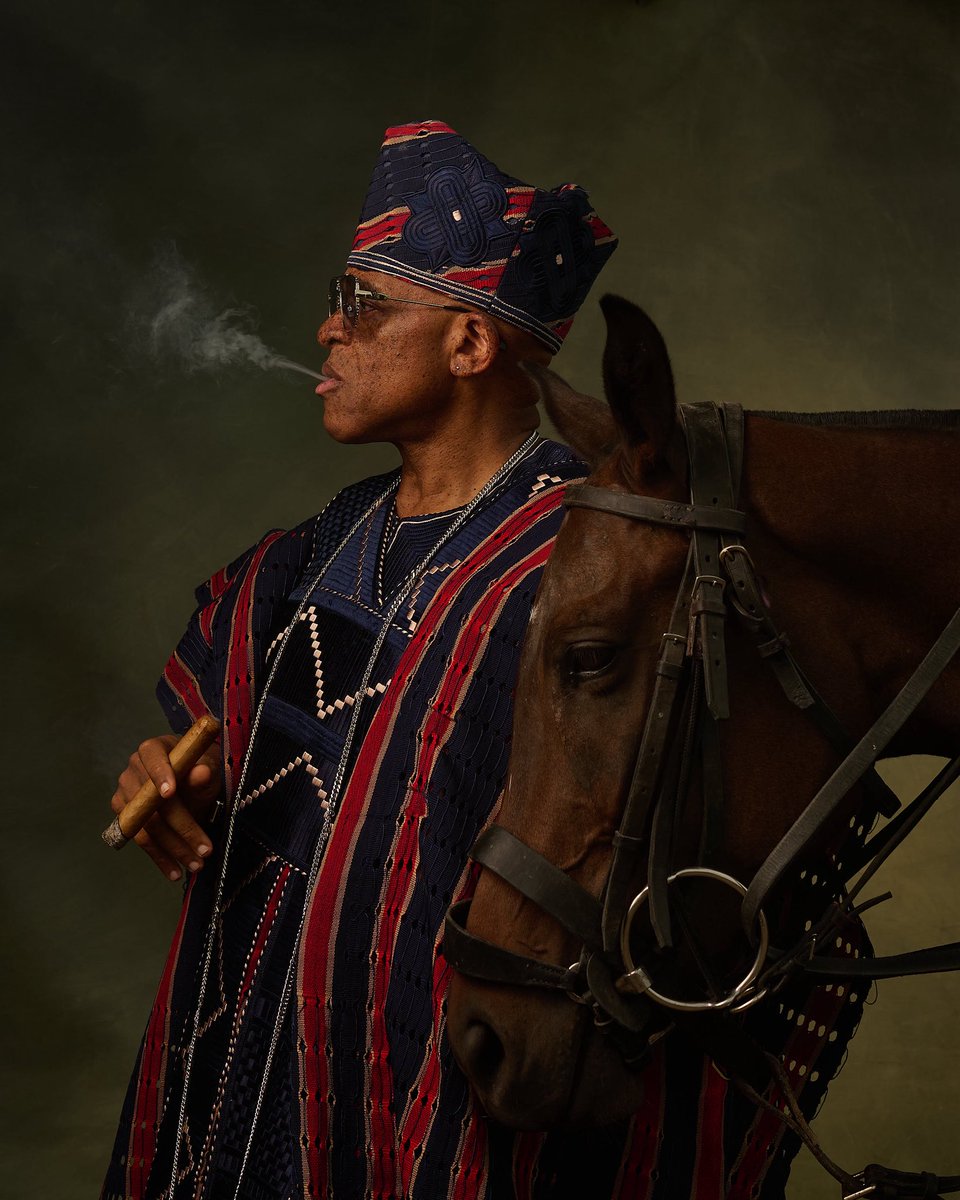
It exists with clarity. The fabrics, the silhouettes, the way things are worn, all of it carries meaning that is already understood. Not just as style, but as identity.
Across Nigeria, this has always been one of the strongest expressions of fashion. Not because it is preserved, but because it continues to evolve without losing its foundation.
The brands working here are not reinventing culture. They are building on it, shaping it, and presenting it in ways that remain both familiar and new.
Not everything in fashion is meant to stand out.
Most of what people wear exists in the in-between; consistent, repeatable, and easy to return to.
That’s where ready-to-wear sits.
It’s not about spectacle or one-time impact. It’s about building pieces that can exist within daily life without losing intention.
The brands working in this space understand that fashion is not only about moments, but about what people keep wearing after the moment has passed.
Day 6: Ready-to-wear.
Not everything in fashion is meant to stand out.
Most of what people wear exists in the in-between; consistent, repeatable, and easy to return to.
That’s where ready-to-wear sits.
It’s not about spectacle or one-time impact. It’s about building pieces that can exist within daily life without losing intention.
The brands working in this space understand that fashion is not only about moments, but about what people keep wearing after the moment has passed.
Day 6: Ready-to-wear.
Not everything in fashion is meant to be immediately understood.
Some pieces are not designed to be worn every day, or even at all.
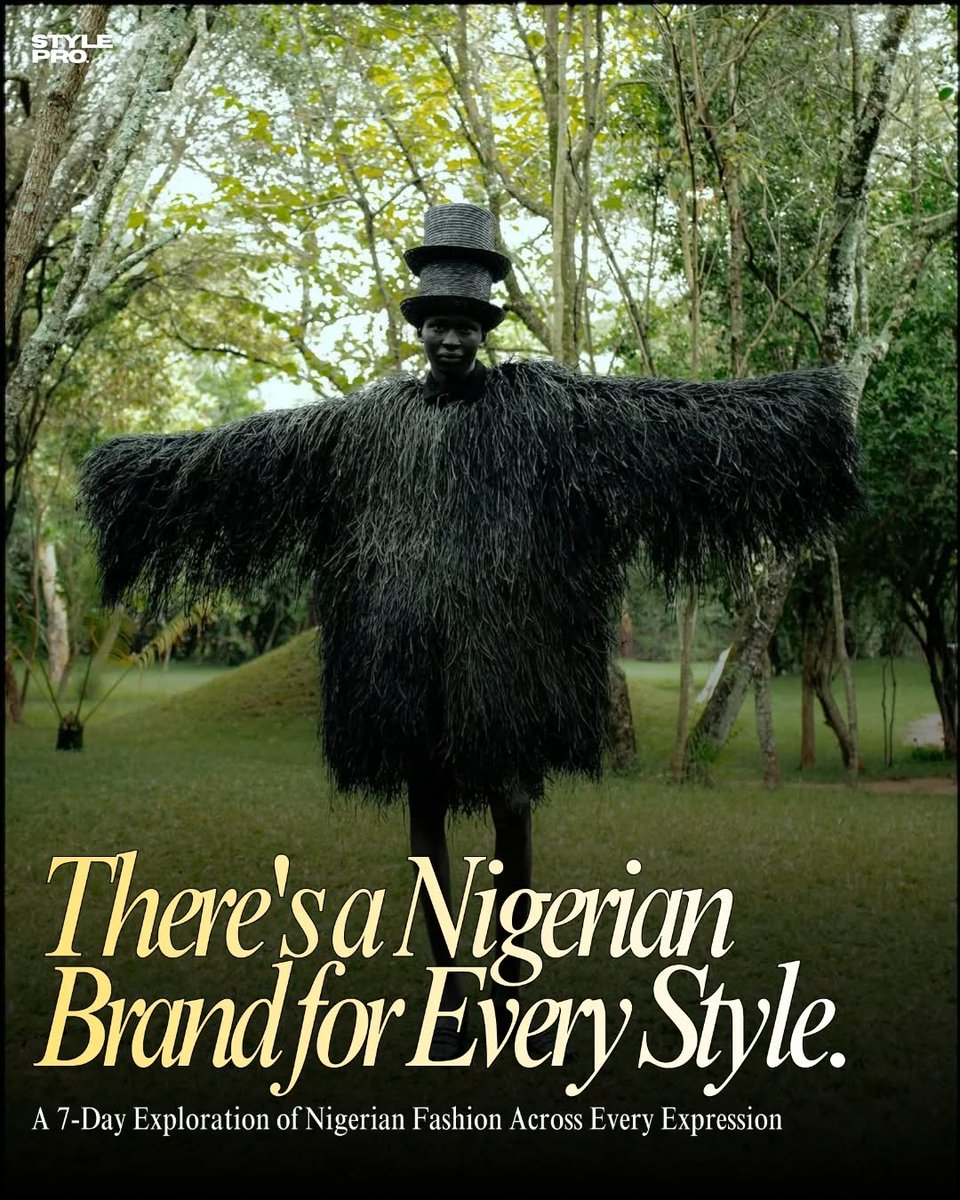
They exist to test ideas, to push against what is familiar, and to see how far clothing can be taken before it stops being predictable.
That space is important.
Because without it, everything else becomes safe. Repetitive. Expected.
The designers working here are not trying to fit into the system. They’re expanding it.
Day 5: Avant-garde.
Not everything in fashion is meant to be immediately understood.
Some pieces are not designed to be worn every day, or even at all.
They exist to test ideas, to push against what is familiar, and to see how far clothing can be taken before it stops being predictable.
That space is important.
Because without it, everything else becomes safe. Repetitive. Expected.
The designers working here are not trying to fit into the system. They’re expanding it.
Day 5: Avant-garde.
Nigerian streetwear doesn’t feel constructed. It feels lived in.
It pulls directly from what’s happening; music,
language,
movement, the pace of everyday life.
Nothing feels distant or borrowed because it’s all happening in the same space.
The clothes move with the culture, not behind it.
That’s what gives it weight. Not trend, not imitation, but presence.
The brands in this space are not trying to define culture. They’re part of it.
Day 4: Streetwear.