18 → 51 headcount in 3 months. 1 WiFi password rotated twice in 2 years.
That math is exactly what SOC 2 auditors flag under CC6.1/CC6.6.
Certificate-based auth + VLAN segmentation is how you close the gap before fieldwork does it for you: https://t.co/phl2PD2iAo
The "server room" on the floor plan was a janitor closet. Mop sink included, no dedicated circuit, no cooling.
They signed the lease first. We spent 6 weeks retrofitting after.
Walk the space before you sign, not after.
Get the full checklist: https://t.co/APSEzdF5Ar
An AI startup hired 5 engineers in one month. Then the laptops shipped with no MDM, no config, no apps, and IT burned 20 hours on manual setup calls. The fix wasn't headcount. It was zero-touch onboarding, done right, before the next hire.
Read here: https://t.co/bwmH4Xgtxx
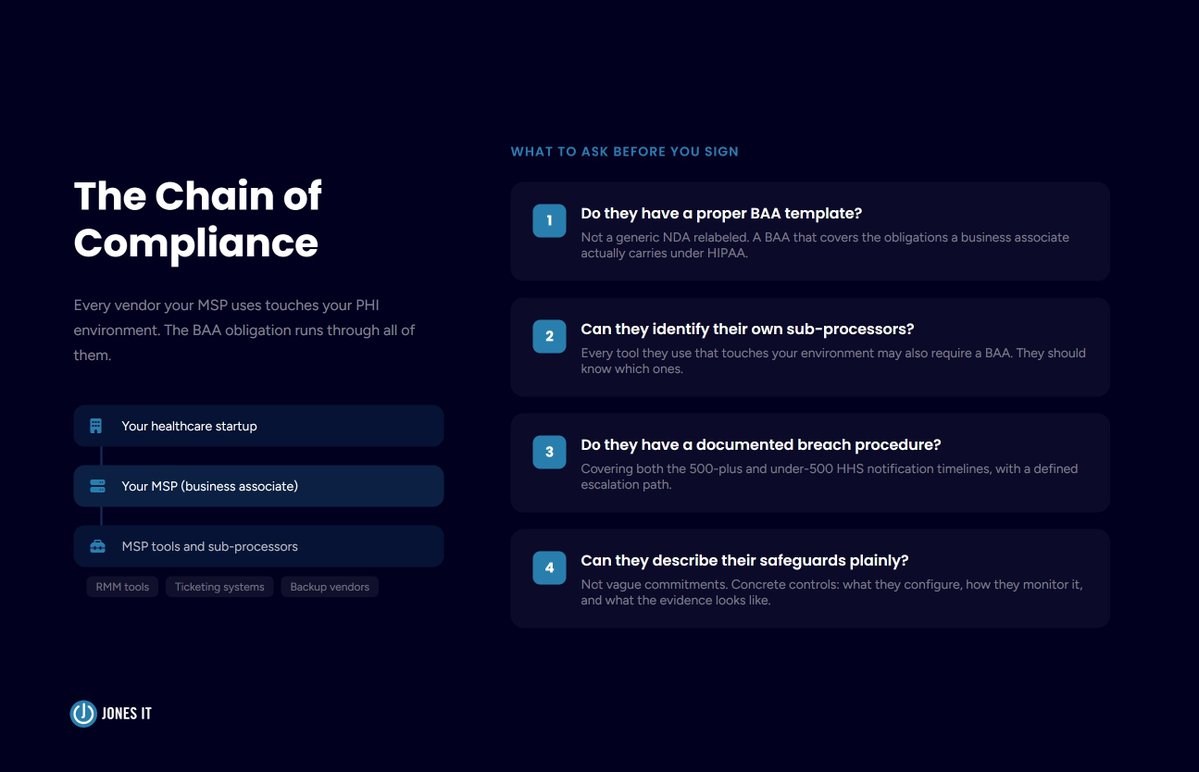
A signed BAA isn't the finish line; it's the floor. It binds your MSP to Security Rule obligations, breach reporting, and BAAs with their own subcontractors.
If you're building in digital health, here's what you need from your MSP: https://t.co/XJurQyBpyT
Most Series A/B fintech companies face SOC 2 requirements within 18 months of raising.
If your MSP isn't mapping IT controls to Trust Service Criteria from day one, you're building your audit case backward.
Full breakdown: https://t.co/qSieyX8H11
A founder's Series A almost died over one thing: a contractor who never signed an IP assignment. IT due diligence rarely kills deals on merit. It kills them on prep.
If you're heading toward a raise, find your gaps now.
Full insights here: https://t.co/YrpTYGJptS
A seed-stage founder lost momentum with a Fortune 500 prospect because their security team asked for a SOC 2 report he didn't have, and didn't know to expect. Here's when to actually start budgeting for it: https://t.co/OZSjl7nV5d
#StartupIT#SOC2#JonesIT
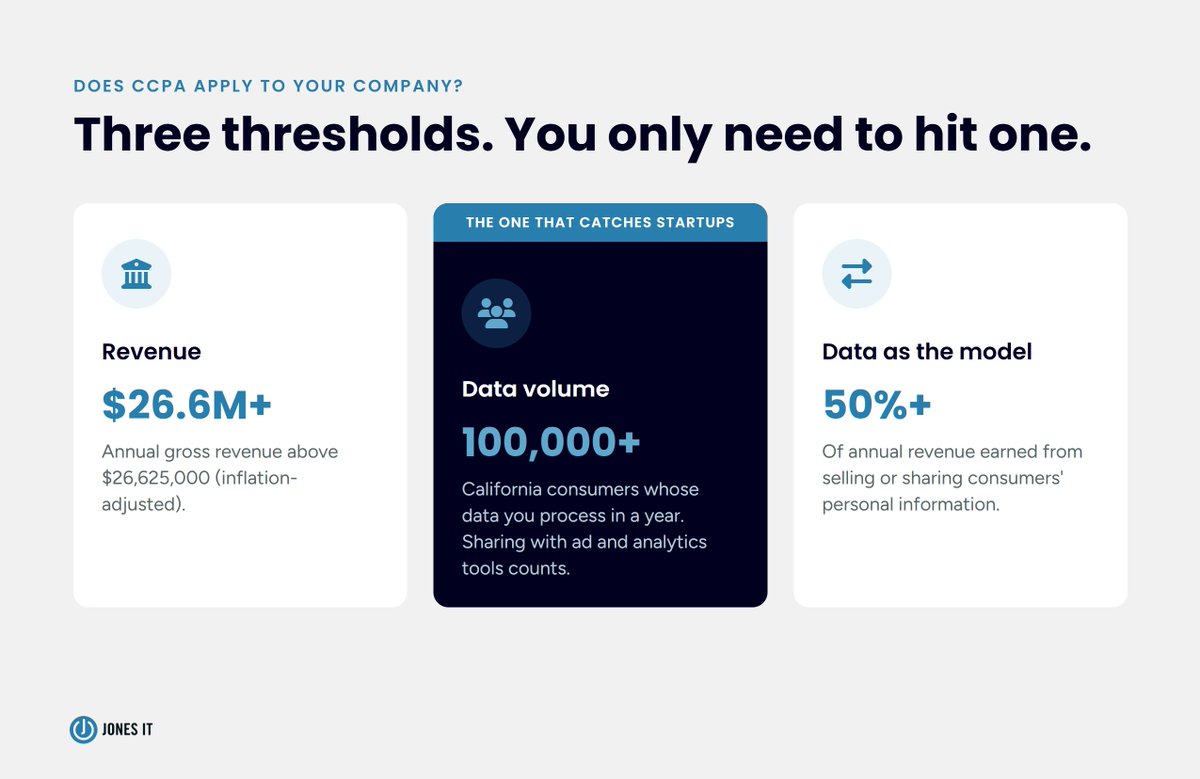
CCPA's revenue threshold: $26.6M.
CCPA's data threshold: 100,000 CA consumers/households processed in a year.
Most startups only check the first one. The second one is what actually catches SaaS products, marketing pixels, and embedded analytics.
https://t.co/x8qDKPILVS
"Do you provide disaster recovery?" gets a yes from every vendor.
"What are your RTO/RPO targets, and how do you test failover?" tells you who's actually built it.
Specific questions cost you a few extra minutes to write. More on RFPs in our latest post: https://t.co/aMhQPsUHkJ
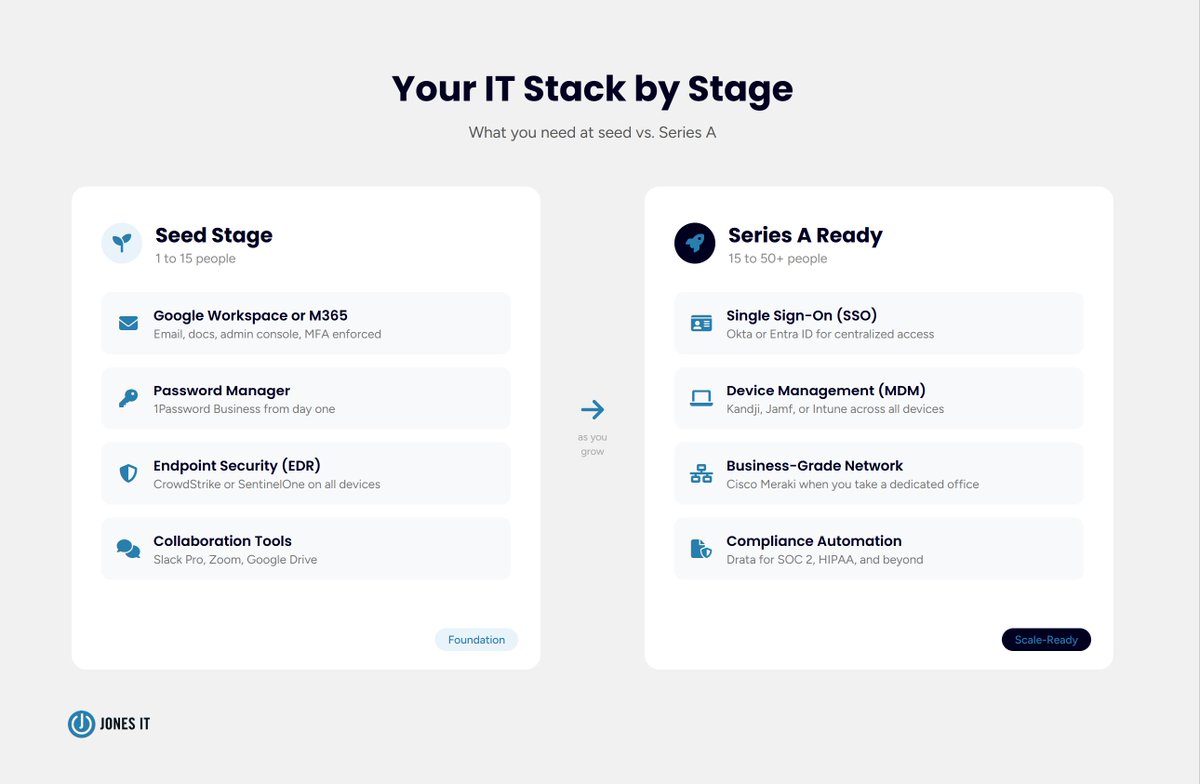
Most startup IT stacks weren't planned, but assembled in a hurry. Here's the order that actually matters before an auditor or incident decides for you.
https://t.co/9I0BfoqFme
Your IT "owner" just put in their notice. Now nobody knows what's deployed, what's secured, or what's about to break.
This is why startups need an MSP before they need one.
https://t.co/6RnnpYNrl6
Remote IT found nothing wrong. Clean firewall. Clean signal. 45 minutes later, an engineer walked in, moved a failing patch panel port, and the office was back in 10 minutes.
Physical problems need physical presence. Always.
https://t.co/lAXso9AJNy
40 people. Post-Series A. SOC 2 audit in 6 weeks. Laptops not in MDM. Vendor list nobody can account for.
This is the exact moment fully managed IT exists for.
New post: what it actually covers, who it's for, and how to pick a provider.
→ https://t.co/HbZpIaqldn
A failing patch panel port looks identical to a clean connection in remote diagnostics.
45 min of remote troubleshooting vs. 10 min for an engineer on-site. ITIC pegs downtime at $300K+/hour for SMBs.
Here's why on-site still matters: https://t.co/hDoUE3YxqU
89% of employees can still access sensitive company apps after they leave.
The average insider incident now costs $676K.
Former employees with live credentials are the security gap nobody talks about.
https://t.co/1XWyAcqK6l
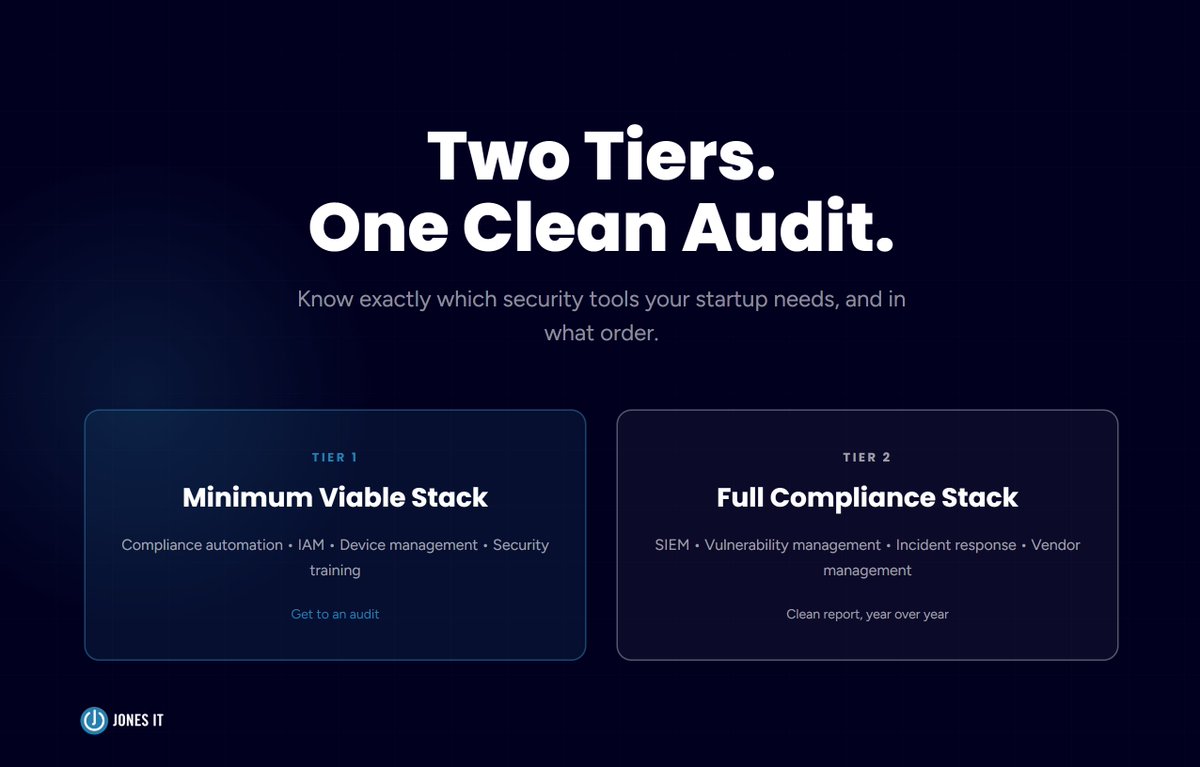
SOC 2 tool research traps founders two ways: vendor pages selling 17 platforms, or checklists that undersell what's needed.
The real question isn't which tools you need, rather it's which tools do you need now?
Our guide, from our own SOC 2 journey 👇 https://t.co/BpXv9jIuY0
Going from 20 to 65 employees doesn't create 3x the IT work. It creates 6-8x.
Most internal IT teams at Series A/B are structurally underpowered for what the business now needs.
Here's how to close the gap: https://t.co/3Kr27FAkeN
#BayAreaStartups#ITSupport
Your IT provider closing tickets isn't the same as solving problems. There's a difference between a provider underperforming and one you've outgrown, and the fix is different each time.
8 signs to watch for → https://t.co/lmDcm4JVNf
#ManagedIT#ITSupport#MSP
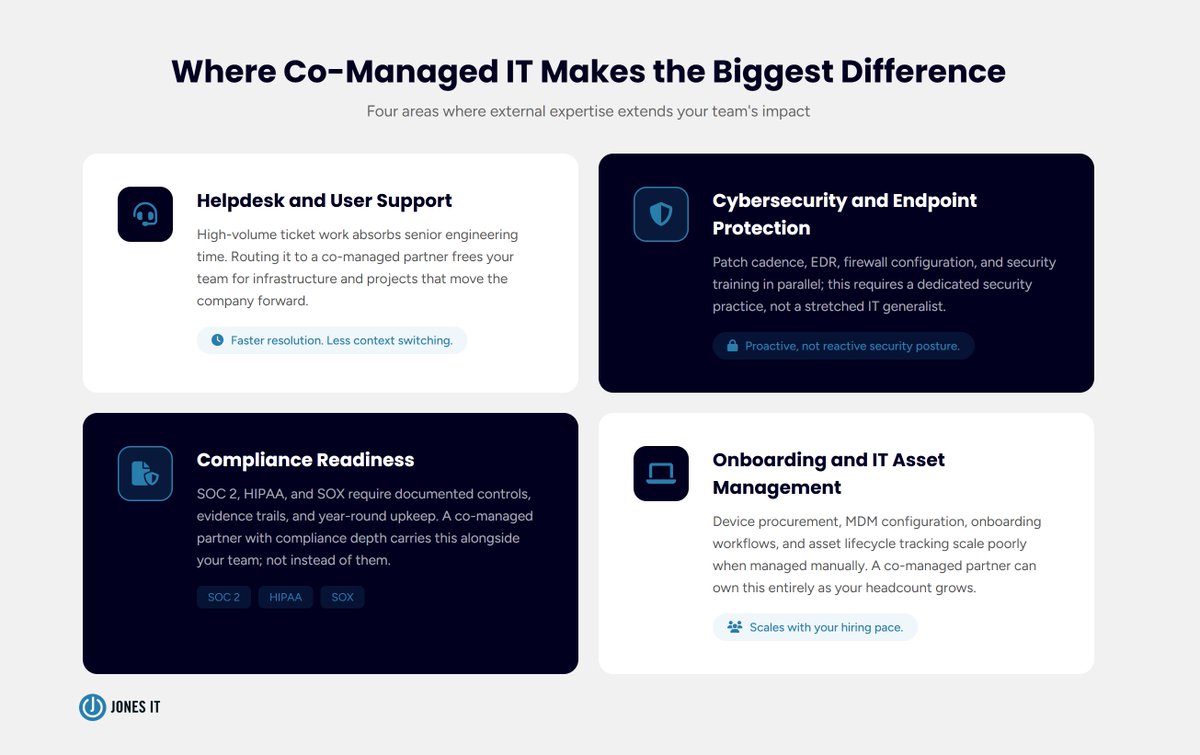
Your IT team isn't failing. They're just being asked to do more than one person can handle.
Co-managed IT keeps your internal team in place, and adds the depth and bandwidth they actually need.
5 signs it's the right model for your company: https://t.co/jHBpfZwttF