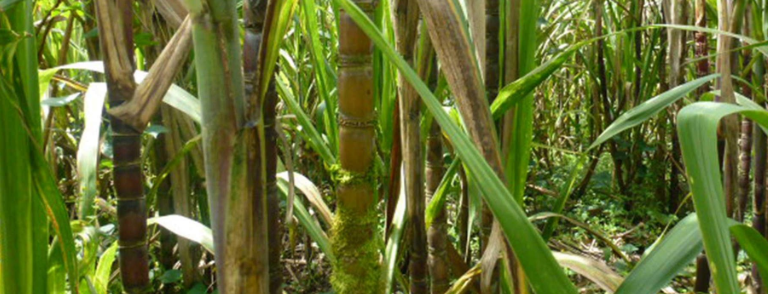
The COMESA safeguard measures protecting the local sugar industry come to an end in February 2021 with potentially serious consequences. Unless our laws are tailored to turn around the industry, the sector is sure to collapse.
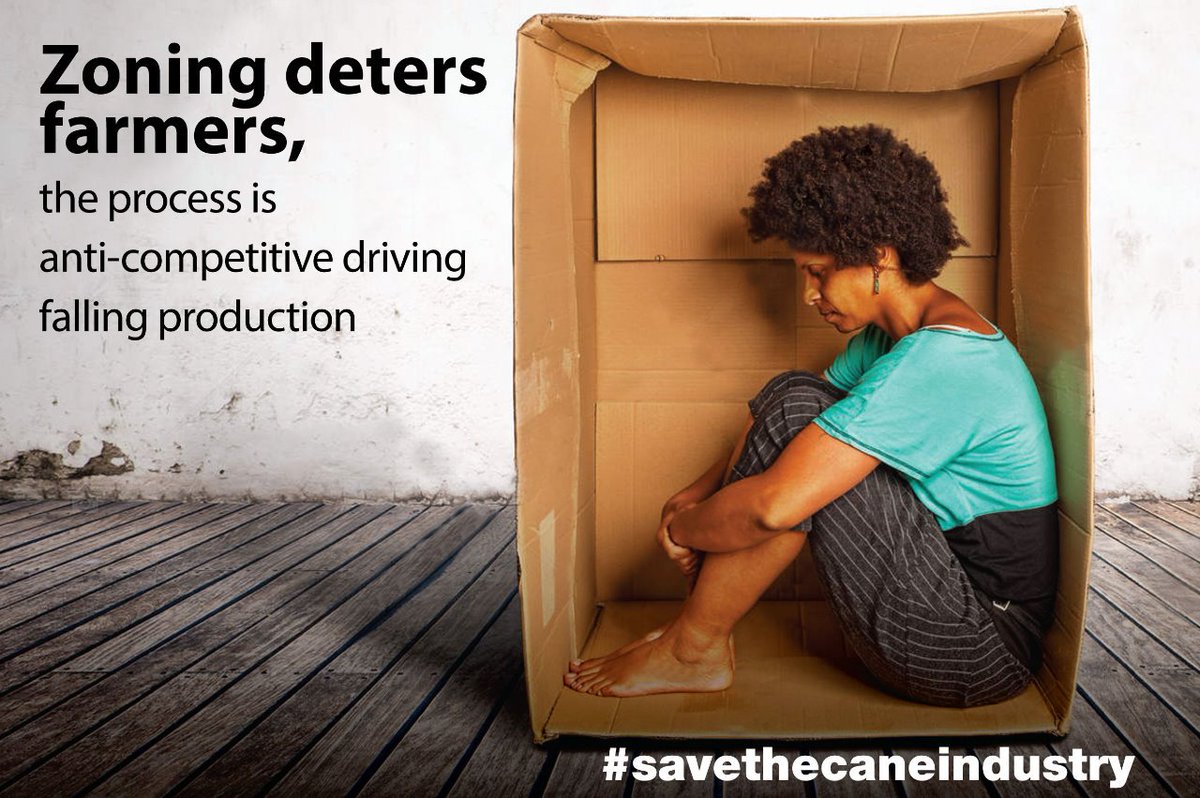
Cane #Farmers should be FREE to sell their cane to any mills of their choice, millers will have to set their buying prices at the right market value or jeopardise their supplies. Anti-competitive practices such as zoning only seek to deter farmers & millers #savethecaneindustry
Join #Sugaronline and our headline sponsor Global Canesugar Services Private Limited for the African Sugar Summit in Accra, Ghana on 8 July 2020! Interested to sponsor the first-ever #sugar conference streamed live from Africa? Contact us today while slots are still available!
The sugar industry has the potential to improve performance and save the country up to Sh16.6bn a year in import cost, give farmers a voice, address market failures through collective action and say NO to sugarcane zoning 📸citi-trading company
Breaking News: #Kenya imports 284,200 tonnes of sugar, adding sh15.6bn to the current trade deficit. Regulations that override a free and fair market system, breaching the Competition Authority Act & seek to continue to cripple the cane industry #savethecaneindustry📸citi-trading
#DYK the end of COMESA protection will allow for much cheaper sugar imports to flood the Kenyan market affecting over 25,000 farmers. Zoning will further discourage farmers, pushing them to other crop alternatives #savethecaneindustry#AGRF2019#AgribusinessTalk254 📸sugaroutput
In #Kenya, over 90% of the processed sugarcane is sourced from smallholder #farmers. The support they receive has a PROFOUND impact on the success of the sugarcane industry, Let us put the interest of the farmers first, say NO to an anti-competitive practice such as zoning📷asaif
@SucamKenya Currently, it is lower than that. MUSCO, CHEMELIL, SONY, MUMIAS haven't started crushing.
MUSCO crushes less than 500TCD.
They just talked to farmers yesterday on arrears dating back to March.
@MkenyaH19270414 We just want a free market and the clause on zoning doesn't allow for this. It requires a farmer to register to one particular miller who they will be selling to and the problem is the miller will dictate the terms including the price.
Zoning: All cane land is assigned to a particular mill. By giving all the buying power to millers, the govt is indirectly granting them absolute control over prices and farmers’ earnings. Do not silence the farmer, say NO to bad provisions of the regulations #WednesdayThoughts
@allan_muller96 Please click on the link below and see how detrimental the issue of zoning has been and thank you for the feedback, we are always happy to hear from you: https://t.co/XxGHrRct4H
#DYK zoning in #Australia led to decrease in sugar cane production by 2.6% a year? An end to zoning doubled sugar production from 2.78M tonnes in 1991 to 5.25M tonnes by 1995. Say NO to bad provisions of the regulations #savethecaneindustry#mondaythoughts 📸FBA
@allan_muller96 Yes, there are other issues that affect sugar production. We believe the success/ failures of the industry are influenced by the regulations that have been set up. At the moment there regulations that are being proposed and one of the detrimental clauses is zoning.
Will blockchain Technology solve farmers problems? Follow the conversation live on my Facebook Page Mr. Agriculture https://t.co/kFpFEUIHwI #AgribusinessTalk254
We have ideal growing conditions for sugarcane than other regions in the world Bt, we produce 0.5mn tonnes per yr compared to Egypt at 2.3mn tonnes per yr. Giving all the cane buying power to millers will only create an uncompetitive mkt, hurting the industry #savethecaneindustry