✂️ Get Your Sallah Look Ready! 🌙
Upgrade your wardrobe with premium fabrics and expert tailoring. We deliver style and quality right to your doorstep! 🚛
Price: Per yard 🏷️
Service: Expert Tailoring ✂️
Delivery:Nationwide 🇳🇬
+23481496999945
Don't wait for the rush—DM to order!
As August Returns, History Must Be Fair to Mallam Nasir El-Rufai
As the important month that binds us with the El-Rufai reform phenomenon approaches, one question deserves sober reflection: will the authorities be kind to the history of our nation and their own, and treat Mallam Nasir El-Rufai with the fairness, respect and dignity that a man who gave so much of himself to the service of his country truly deserves?
This is not a plea for political favour or preferential treatment. It is an appeal for historical fairness. Nations mature when they learn to separate transient political disagreements from enduring public contributions. They weaken when they allow contemporary passions to erase the achievements of those whose service fundamentally altered the trajectory of public institutions.
August 2003 occupies a significant place in Nigeria’s modern administrative history. It was the first full month of MallamNasir El-Rufai’s tenure as Minister of the Federal Capital Territory after he assumed office on 17 July 2003. Those early weeks would lay the foundation for one of the most consequential reform programmes ever undertaken in the administration of Nigeria’s capital city.
There was little fanfare. There were no elaborate declarations of intent. Instead, there was a disciplined determination to confront structural problems that had accumulated over many years. El-Rufai understood that cities are not built merely with concrete and steel. They are built through institutions, planning, discipline, transparency and the political courage to enforce rules consistently.
In August 2003, the seeds of transformation were sown. The preparations for the Abuja Geographic Information System (AGIS) marked the beginning of a fundamental shift in land administration. For decades, land management had suffered from opacity, duplication, uncertainty and opportunities for abuse. AGIS sought to modernise records, improve transparency and restore confidence in one of the most sensitive aspects of governance.
At the same time, reforms in land administration challenged practices that had become deeply entrenched. Title documentation was strengthened, administrative procedures became more structured, and the government sought to restore credibility to a system that many Nigerians had long viewed with scepticism.
Perhaps even more consequential was the renewed commitment to enforcing the Abuja Master Plan. Successive administrations had tolerated widespread deviations that threatened the orderly development of the Federal Capital Territory. El-Rufai insisted that planning documents should not exist merely as archival records but as binding frameworks for urban development. That approach inevitably generated resistance. Illegal structures were demolished, vested interests were confronted, and political pressure intensified.
These actions were controversial then and remain debated today. Yet controversy alone cannot be the measure of public policy. Reform, by its very nature, disturbs established interests. Every meaningful institutional transformation creates winners and losers. Those who benefit from disorder rarely applaud efforts to restore order.
What emerged from that period was more than a cleaner and more organised capital city. It demonstrated that determined leadership, backed by administrative competence and political will, could reshape public institutions that many had considered beyond redemption. Abuja increasingly reflected the aspirations originally envisioned for Nigeria’s capital.
El-Rufai’s public service has consistently been defined by an unusual willingness to make difficult decisions. Whether as Director-General of the BPE, Minister of the Federal Capital Territory or later Governor of Kaduna State, his style has attracted both admiration and criticism. Reasonable people may disagree with some of his policies or methods. Such disagreements are legitimate in any democracy.
May Allah (SWT) forgive the departed, overlook their shortcomings, and grant them Aljannatul Firdaus. May He comfort their families, strengthen them with patience, and reward everyone who stands with them during this difficult time. Indeed, to Allah we belong and to Him. Ameen 🤲
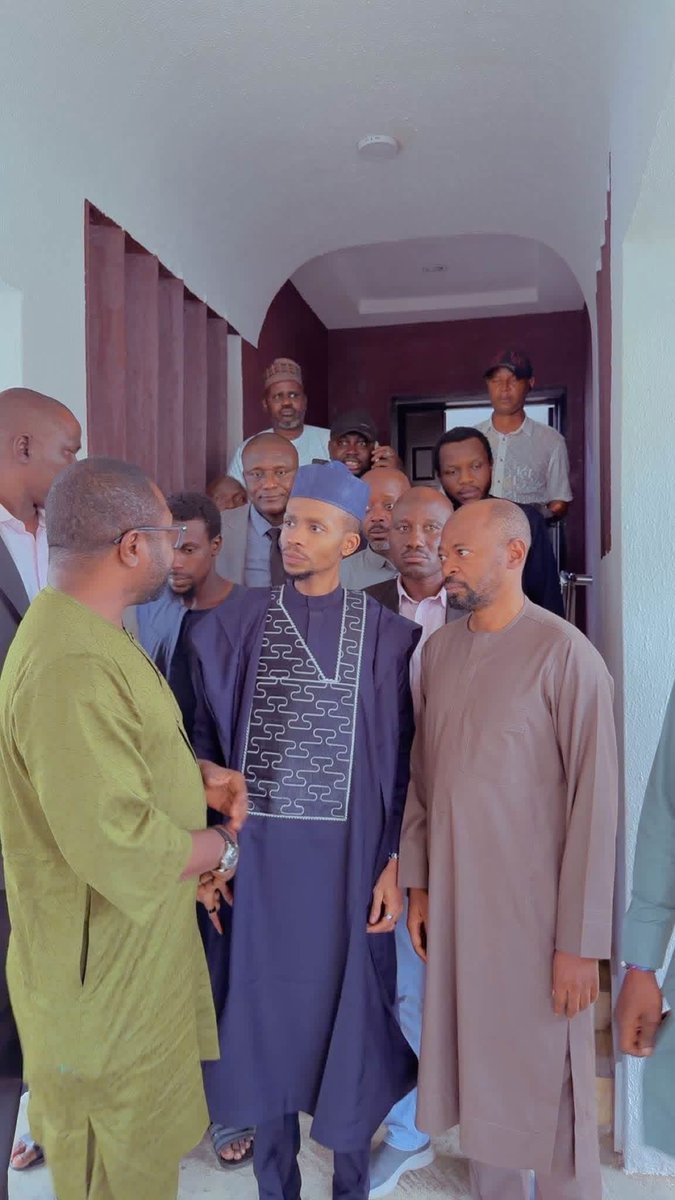
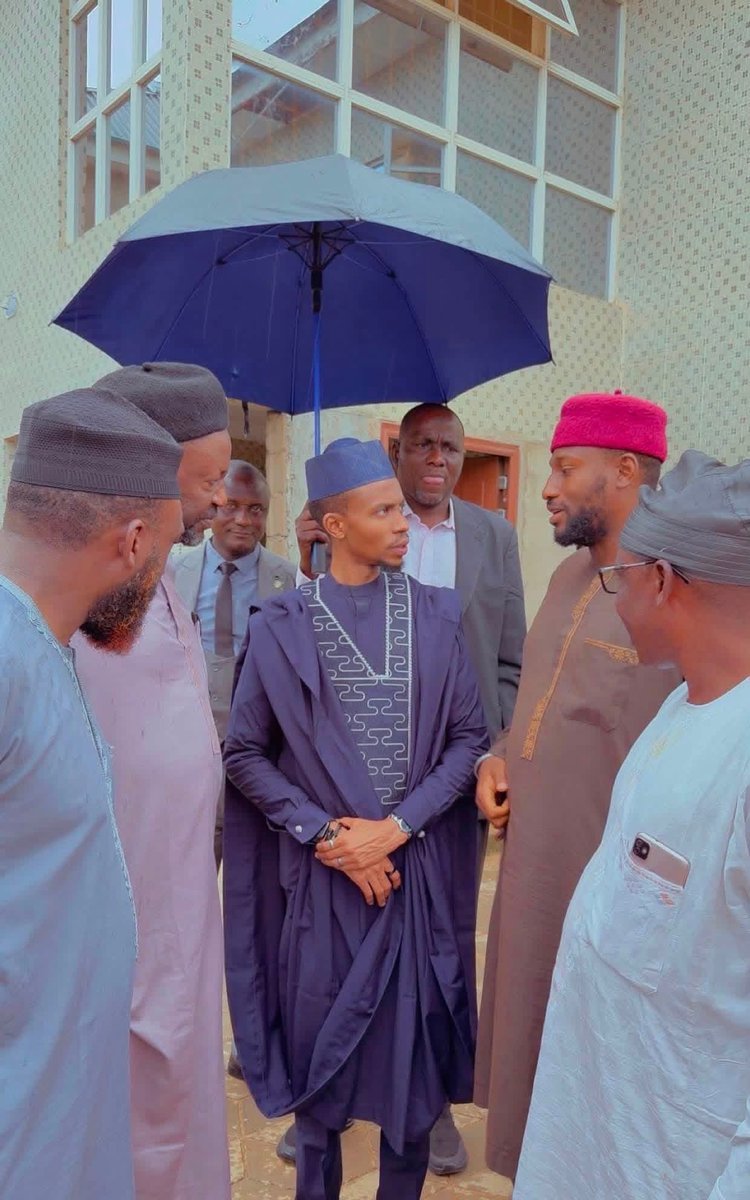
Yesterday, I paid condolence visits to the families of the late Hajiya Zainab Muhammad Mai Dabe in Unguwan Kanawa and the late Hajiya Maryam Kande Wushishi at their residence in Badarawa. The passing of these two respected matriarchs is a painful loss, not only to their immediate families but also to the Kaduna community, where their families have, over the years, made enduring contributions to public service and community life. They will sorely be missed by the good people of Kaduna North and their families. May Allah bring relief to the family members they left behind. Please join us in saying a silent prayers for their souls.
During the visits, I conveyed my heartfelt condolences and joined the families in praying for the repose of the deceased, asking Almighty Allah (SWT) to forgive their shortcomings, grant them Aljannatul Firdaus, and bless their loved ones with the strength and patience to bear these difficult losses. I was joined by some of team members including the Chairman of our great party, the African Democratic Congress in Badarawa/Malali Ward, Chairman Yusuf Danmasani.
May Allah (SWT) continue to comfort the bereaved families and all those mourning their passing. May Allah forgive all the loved ones we have lost. Amin.
Signed
Hon. Mohammed Bello El-Rufai
Member.
Kaduna North Federal Constituency
Chairman, Committee on Banking Regulations.
August 3, 2026.